
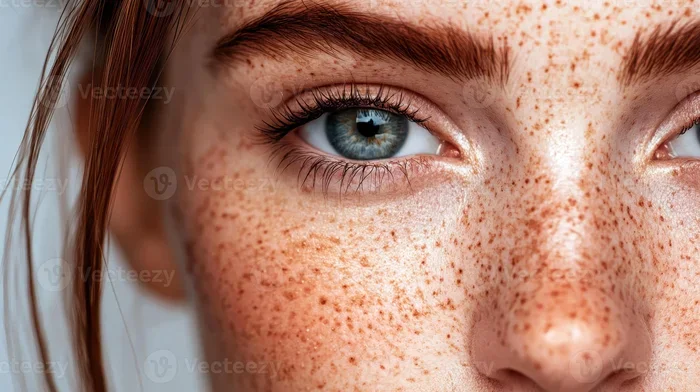
Learning how to get rid of freckles can feel overwhelming, but safe options exist. You can reduce dark spots using laser treatments, topical creams, or home remedies. Protecting your skin from the sun is the most critical step to prevent new marks. Always consult a dermatologist before trying strong treatments to ensure safety.
Key Takeaways
- Sun protection is essential: Preventing new freckles starts with daily sunscreen use and protective clothing.
- Laser treatments are effective: Professional procedures like IPL or ablative lasers offer the fastest results for removal.
- Topical creams work gradually: Ingredients like hydroquinone, retinoids, and vitamin C can fade pigmentation over time.
- Home remedies vary in safety: Natural options like lemon juice exist but may irritate sensitive skin without proper caution.
- Consult a professional: Always see a dermatologist to choose the safest method for your specific skin type.
- Freckles are harmless: Remember that most freckles are benign and often fade naturally with less sun exposure.
- Consistency matters: Whether using creams or sunscreens, regular application is key to maintaining results.
📑 Table of Contents
Introduction to Skin Spots
Many people look in the mirror and wonder about the small brown dots on their face. These spots are usually called freckles. They are very common and often appear in childhood. Some people love them as unique beauty marks. Others want a clearer complexion without these pigmented spots. If you are asking how to get rid of freckles, you are not alone. Many seek ways to lighten their skin tone for a more uniform look.
It is important to understand what causes these spots. Sun exposure is the main trigger. When your skin gets UV rays, it produces more melanin. This pigment protects your skin but also creates freckles. Genetics also play a huge role in where they appear. Knowing the cause helps you choose the right treatment. You want methods that are safe and effective for your skin type.
In this guide, we will explore many options. We will look at professional treatments and home care. You will learn about prevention too. Our goal is to give you clear information. You can make smart choices for your skin health. Let us dive into the best ways to manage these spots.
Understanding What Freckles Are

Visual guide about freckles skincare close up
Image source: img.freepik.com
Before treating them, you need to know what they are. Freckles are small clusters of concentrated melanin. They are flat and usually tan or brown. They often show up on areas exposed to the sun. This includes your face, arms, and shoulders. Unlike moles, they do not usually rise above the skin.
There are two main types of freckles. Ephelides are the common ones that fade in winter. Solar lentigines are age spots or sun spots. These tend to stay darker year-round. Knowing the difference helps when you ask how to get rid of freckles. Some treatments work better on one type than the other.
Genetics determine your baseline risk. If your parents have them, you likely will too. Fair-skinned people get them more often. This is because their skin has less natural protection. Darker skin tones can get them too, but less frequently. Understanding your skin type is the first step. It helps you pick safe products and procedures.
The Role of Sun Exposure
Sunlight is the biggest factor in freckle formation. UV rays stimulate melanocytes to produce pigment. This is a defense mechanism to protect DNA. However, it results in visible spots. Even on cloudy days, UV rays can reach your skin. This is why protection is vital every day.
Genetic Factors
Your DNA dictates how your skin reacts to the sun. Some people produce melanin evenly. Others produce it in clusters. This clustering creates freckles. You cannot change your genetics. But you can manage how your skin responds to the environment. This gives you control over new spot formation.
Professional Treatments for Removal
Visual guide about freckles skincare close up
Image source: static.vecteezy.com
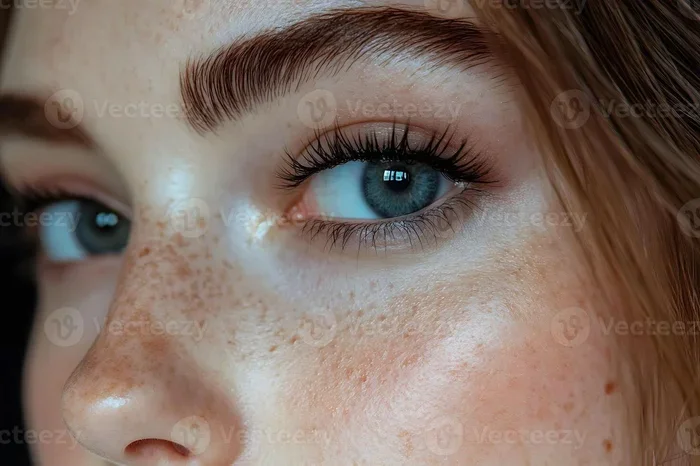
If you want fast results, see a professional. Dermatologists offer several procedures. These methods target the pigment directly. They often provide more dramatic changes than creams. When considering how to get rid of freckles, this is the most effective route. However, it costs more and requires downtime.
Laser Therapy Options
Laser treatment is very popular for spot removal. It uses focused light to break up pigment. The body then clears away the fragments. There are different types of lasers available. Ablative lasers remove the top layer of skin. Non-ablative lasers work deeper without damaging the surface. Both can reduce freckle appearance significantly.
Intense Pulsed Light (IPL) is another option. It is not a true laser but works similarly. It targets multiple wavelengths of light. This treats larger areas like the whole face. IPL is great for overall pigmentation issues. It can also improve skin texture and tone. Multiple sessions are usually needed for best results.
Chemical Peels
Chemical peels use acid solutions to exfoliate skin. The top layer peels off over time. This reveals newer, smoother skin underneath. Light peels are good for surface freckles. Deeper peels reach further into the dermis. They require more recovery time. You might experience redness or peeling for a week.
Cryotherapy
This method freezes the freckle with liquid nitrogen. The cold temperature destroys the pigment cells. The spot will darken and then flake off. It is quick and often done in one visit. However, it can leave a white spot behind. This is why it is used carefully on the face. It is more common for isolated spots on the body.
Topical Creams and Serums
Visual guide about freckles skincare close up
Image source: img.freepik.com
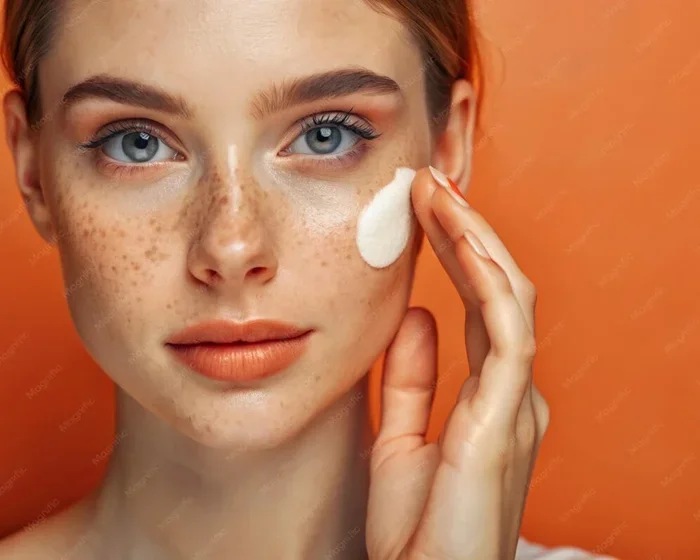
Not everyone wants procedures. Many prefer using products at home. There are many creams designed to fade pigmentation. These take longer to work than lasers. But they are less invasive and cheaper. Consistency is key when using topical treatments. You must apply them daily for months.
Hydroquinone Products
Hydroquinone is a strong bleaching agent. It stops melanin production in the skin. It is available in over-the-counter strengths. Higher strengths require a prescription. This ingredient is very effective for dark spots. However, it can cause irritation in some people. Long-term use is not always recommended. You should cycle its use with other products.
Retinoids and Vitamin A
Retinoids speed up cell turnover. This helps shed pigmented skin cells faster. They also boost collagen production. This improves overall skin texture. Prescription retinoids are stronger than over-the-counter ones. You might experience dryness or sensitivity at first. Start slowly to let your skin adjust. Sun sensitivity increases with retinoid use.
Vitamin C and Antioxidants
Vitamin C is a brightening antioxidant. It inhibits melanin formation safely. It also protects against free radical damage. Many serums contain stabilized vitamin C. You can use it morning and night. It pairs well with sunscreen for extra protection. Niacinamide is another helpful ingredient. It reduces inflammation and improves skin barrier function.
Natural Remedies and Home Care
Some people prefer natural approaches. There are several home remedies for lightening spots. Be careful with these methods. Natural does not always mean safe for everyone. Patch test any new ingredient on your arm. Wait a day to check for reactions. This prevents bad allergic responses on your face.
Lemon Juice and Citric Acid
Lemon juice contains natural acid. It can exfoliate and lighten skin slightly. However, it makes skin very sensitive to sun. You must wash it off thoroughly. Do not go outside immediately after using it. This can cause burns or more darkening. Dilute it with water to reduce strength.
Aloe Vera and Moisture
Aloe vera soothes and hydrates the skin. It contains aloin which may lighten pigmentation. It is very gentle and safe for most. Use fresh gel from the plant if possible. Store-bought gels work too if pure. Keeping skin moist helps it heal and renew. Healthy skin reflects light better than dry skin.
Apple Cider Vinegar
This contains acetic acid. It acts as a mild chemical peel. Mix it with water before applying. Use a cotton ball to dab it on spots. Rinse it off after a few minutes. Do not leave it on too long. It can irritate sensitive skin types. Stop if you feel burning or stinging.
Prevention and Sun Protection
The best way to manage freckles is prevention. Once you remove them, they can come back. Sun exposure will trigger melanin again. Protecting your skin keeps new spots away. This is crucial when learning how to get rid of freckles. Treatment fails without protection.
Daily Sunscreen Use
Wear sunscreen every single day. Choose a broad-spectrum SPF of 30 or higher. Apply it generously to all exposed skin. Reapply every two hours if outside. Even winter sun can damage your skin. Clouds do not block all UV rays. Make it a habit like brushing your teeth.
Protective Clothing
Clothing provides a physical barrier. Wear wide-brimmed hats to shield your face. Long sleeves protect your arms and shoulders. Sunglasses protect the delicate eye area. Special sun-protective fabrics exist too. They have a UPF rating for extra safety. This is great for long days outdoors.
Avoid Peak Sun Hours
The sun is strongest between 10 AM and 4 PM. Try to stay indoors during these times. If you must go out, seek shade. Use umbrellas at the beach or park. Planning your activities helps reduce exposure. This lowers the risk of new pigmentation forming.
Lifestyle and Skin Health
Your overall health affects your skin too. Diet and hydration play a role. Eating well supports skin repair. Stress can also impact your complexion. Managing your lifestyle helps your skin look its best. It complements your freckle removal efforts.
Diet and Hydration
Drink plenty of water daily. Hydration keeps skin plump and healthy. Eat foods rich in antioxidants. Berries, leafy greens, and nuts are great. These fight oxidative stress in the body. Omega-3 fatty acids support skin barriers. A healthy diet promotes a clear complexion from within.
Stress Management
High stress affects hormone levels. This can trigger skin issues. Practice relaxation techniques daily. Meditation or deep breathing helps calm the mind. Sleep is also crucial for repair. Aim for seven to eight hours nightly. Rested skin looks brighter and more even.
Regular Skin Checks
Monitor your skin regularly. Look for changes in existing spots. Note any new growths that appear. Most freckles are harmless and benign. But changes can signal other issues. See a doctor if a spot bleeds or grows. Early detection is key for skin health.
Common Mistakes to Avoid
When trying to clear your skin, avoid errors. Some habits can make pigmentation worse. Knowing what not to do is helpful. It saves you time and money. It also protects your skin barrier.
Over-Exfoliating
Scrubbing too hard damages your skin. It causes inflammation and redness. This can lead to more dark spots. Use gentle cleansers instead. Limit physical scrubs to once a week. Chemical exfoliants should be used sparingly. Listen to your skin if it feels sore.
Skipping Sunscreen
This is the biggest mistake people make. Treating spots without protection is useless. The sun will darken them again quickly. Make sunscreen non-negotiable. Keep a bottle in your bag or car. Consistency prevents the cycle of fading and returning.
Using Harsh Products
Avoid products with high alcohol content. They dry out and irritate the skin. Irritation triggers more pigment production. Stick to gentle, formulated products. Read ingredient labels carefully. Fragrance can also cause sensitivity issues. Choose hypoallergenic options when possible.
Conclusion
Managing skin pigmentation takes time and care. You have many options to explore. From lasers to creams, results vary. The most important step is sun protection. This prevents new spots from forming. When you ask how to get rid of freckles, remember safety first. Consult a dermatologist for personalized advice.
Embrace your skin journey with patience. Some methods work faster than others. Consistent care yields the best long-term results. Whether you keep your freckles or fade them, love your skin. Healthy skin is beautiful skin. Take these steps to feel confident today.
Frequently Asked Questions
Can freckles go away on their own?
Yes, some freckles fade during winter months when sun exposure decreases. However, they often return in the summer without protection. Genetic freckles tend to stay longer than sun-induced ones.
Is laser treatment painful for freckle removal?
Most patients feel a mild snapping sensation during laser procedures. Topical numbing cream is often used to reduce discomfort. Recovery time is usually short with minimal downtime.
Do home remedies work for fading freckles?
Natural remedies like lemon juice may lighten spots slightly but carry risks. They can cause irritation or increase sun sensitivity significantly. Professional treatments are generally safer and more effective.
How long does it take to see results from creams?
Topical treatments usually require several weeks to months of consistent use. You might notice changes after eight to twelve weeks. Patience is essential for gradual fading results.
Can freckles turn into skin cancer?
Most freckles are benign and do not become cancerous. However, any changing spot should be checked by a dermatologist. Regular skin exams help monitor for unusual growths.
What is the best sunscreen for preventing freckles?
Choose a broad-spectrum SPF 30 or higher for daily protection. Mineral sunscreens with zinc oxide are gentle on sensitive skin. Reapplying every two hours ensures continuous coverage.
