

Friendship tips for people with BPD focus on clear communication, steady routines, and gentle boundaries. You can build lasting bonds by pacing conversations, naming feelings early, and choosing reliable friends. Small habits like journaling, scheduled check-ins, and honest apologies help everyone feel safe.
This is a comprehensive guide about Friendship Tips For People With Bpd.

Visual guide about friendship support mental health
Image source: 0701.static.prezi.com

Visual guide about friendship support mental health
Image source: 0701.static.prezi.com
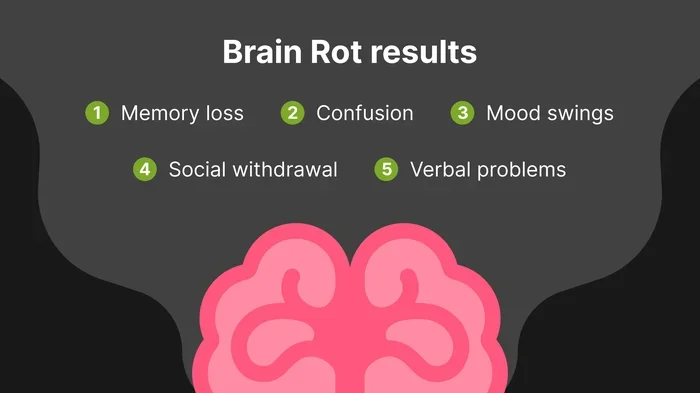
Visual guide about friendship support mental health
Image source: a.storyblok.com
Key Takeaways
- Start slow: Build trust with short, steady interactions instead of intense all-at-once connections.
- Name feelings early: Use clear words to share emotions before they grow too big.
- Set gentle boundaries: Agree on response times, topic limits, and personal space.
- Use calming tools: Try breathing, walking, or journaling when emotions spike.
- Choose reliable friends: Look for people who show up consistently and listen well.
- Repair quickly: Offer simple apologies and small follow-up actions after misunderstandings.
- Keep routines: Regular check-ins and shared activities create stability and reduce worry.
[FEATURED_IMAGE_PLACEHOLDER]
Understanding Friendship Tips for People with BPD
Building strong connections can feel tricky when emotions move fast. Friendship tips for people with BPD start with one simple idea. You do not need to be perfect. You just need steady habits that help both sides feel safe. Many people with big feelings want close bonds. They also want calm, clear, and kind relationships. That balance is possible.
This guide shares practical steps you can use right away. You will learn how to pace new friendships, handle strong reactions, and keep trust intact. You will also find small tools for everyday moments. These ideas work for quiet friendships and busier ones too. The goal is simple. You want connection without chaos.
Let us begin with the basics. Healthy friendship habits grow from clear communication and predictable routines. When you know what to expect, your nervous system relaxes. That makes it easier to listen, share, and stay present. The tips below are built for real life. They are simple, repeatable, and friendly.
Why Emotional Intensity Affects Friendships
Big feelings can make friendships feel exciting and stressful at the same time. One message can feel like a sign of love. A short silence can feel like rejection. This does not mean you are broken. It means your emotional radar is sensitive. That sensitivity can be a gift. It just needs a steady handle.
How fast reactions can strain trust
When emotions rise quickly, words can come out sharper than you mean. You may text again and again. You may read too much into a delayed reply. These moments can confuse friends. They may not understand why a small thing feels huge. Over time, this can create distance. The good news is that you can slow the cycle.
Start by naming the feeling before you act. Say to yourself, “I feel worried right now.” That tiny pause helps. It gives your brain a chance to catch up. You can also use a simple rule. Wait ten minutes before sending a heated message. Use that time to breathe, drink water, or take a short walk. Small pauses protect big connections.
What friends may notice
Friends may notice that you care deeply. They may also notice that you need extra reassurance at times. That is okay. Many people appreciate honest hearts. They just need clear signals. If you are feeling unsure, say so. A simple line works well. “I am feeling a little insecure today, so I may need a bit more reassurance.” That kind of statement helps friends respond with care.
You can also share your preferred support style. Some people like a quick check-in. Others prefer space to think. When you explain your style, friends do not have to guess. That reduces stress for everyone. Clear needs lead to clearer answers.
Set Gentle Boundaries Early
Boundaries are not walls. They are guardrails. They help friendships stay smooth when emotions run high. Friendship tips for people with BPD work best when both people know the rules of the road. You can set kind limits without sounding cold. In fact, clear limits often make people feel safer.
Pick a comfortable pace
New friendships do not need to rush. You can build trust in small steps. Meet for a short coffee. Send one thoughtful text instead of ten rapid ones. Share a little, then pause and see how it feels. Slow pacing helps you notice what is real and what is fear. It also gives your friend time to show up naturally.
A good pace feels calm, not dramatic. If you feel yourself speeding up, slow down on purpose. You can say, “I am excited about this connection, so I am trying to take it one step at a time.” That honest line sets a healthy tone. It shows care and caution at the same time.
Agree on response times
Texting can be a tricky part of modern friendship. Some people reply fast. Others reply when they can. You can reduce stress by agreeing on a rough rhythm. For example, you might say, “I usually reply in the evening.” Or you might ask, “What is a good time for you to chat?” This simple question removes a lot of guessing.
You can also create a personal rule. If a friend does not reply for a while, assume they are busy, not absent. That mindset helps you stay steady. If you need reassurance, ask for it directly. “Can you let me know when you are free this week?” is clear and polite. Direct questions beat silent worry every time.
Communicate With Clarity and Care
Clear talk is the backbone of any strong friendship. This is especially true when feelings are intense. You do not need fancy words. You need honest ones. Simple language helps friends understand you fast. It also lowers the chance of mixed signals.
Use “I” statements
“I” statements keep the focus on your experience. They sound less blaming and more open. Try this format. “I feel ___ when ___ because ___.” For example, “I feel nervous when plans change last minute because I was looking forward to them.” That sentence is clear. It invites support instead of conflict.
You can also use short versions in daily chat. “I am feeling a little overwhelmed today.” “I need a quiet night.” “I would love to talk later when I am calmer.” These lines are easy to say and easy to hear. They help friends respond with care instead of confusion.
Check assumptions before reacting
When worry rises, the mind often fills in blanks. It may tell a story that feels true but is not complete. Before you react, ask one simple question. “What else could this mean?” A delayed reply might mean a busy day. A quiet tone might mean tiredness, not anger. Looking for other explanations calms the mind.
You can also ask for facts instead of guessing. “Did I do something that bothered you?” is a brave and useful question. If something is off, you can fix it together. If nothing is wrong, you can relax. Either way, you gain clarity. That is a win for the friendship.
Build Stability With Routines
Routines create a sense of safety. They help friendships feel predictable, which lowers anxiety. You do not need a rigid schedule. You just need a few repeatable habits. Small consistency goes a long way.
Create low-pressure check-ins
Regular check-ins keep connections warm without pressure. You might send a weekly message like, “How is your week going?” Or you might plan a short call every other Friday. The key is to keep it light and reliable. Low-pressure contact builds trust over time.
You can also use shared activities as anchors. A monthly walk, a book swap, or a simple game night gives the friendship a steady rhythm. Shared routines create natural touchpoints. They also give you something to look forward to. That matters when emotions feel heavy.
Keep a small emotion toolkit
An emotion toolkit is a short list of things that help you reset. Everyone’s list is different. Yours might include a warm drink, a five-minute walk, a favorite playlist, or a quick journal note. Keep the list easy to reach. When feelings spike, use the toolkit before you react.
Here are a few simple tools that many people find helpful:
- Breathing breaks: Slow breaths signal safety to your body.
- Short walks: Movement helps release built-up tension.
- Note-taking: Writing down the feeling can reduce its intensity.
- Quiet time: A few minutes alone can help you regroup.
- Reaching out selectively: Choose one trusted person when you need support.
These tools do not fix everything. They do something important. They create a pause between feeling and action. That pause is where better choices live.
Handle Conflict and Repair Fast
Even healthy friendships have rough moments. The difference is how quickly you recover. Fast repair keeps small issues from growing into big ones. You do not need a perfect apology. You need a sincere one.
Name the issue simply
When something goes wrong, keep the first conversation focused and brief. Say what happened in plain words. Avoid packing the message with extra accusations or old stories. One clear issue is easier to solve than five tangled ones. For example, “I felt hurt when our plan changed without a heads-up.” That statement is honest and specific.
After you speak, leave room for the other person to respond. Friendship is a two-way street. Listening matters as much as explaining. If the other person shares their side, hear it out. You do not have to agree with everything to understand it. Understanding lowers heat. Lower heat makes repair easier.
Offer a small repair action
Words matter, but follow-through matters more. A repair action shows you mean what you said. It can be small. You might send a kind message the next day. You might suggest a new plan. You might simply ask, “What would help us get back on track?” Small actions rebuild trust step by step.
If you made a mistake, own the part that is yours. If the other person made a mistake, you can still choose repair. That does not mean you accept poor treatment. It means you keep the path open for healthy solutions. Good friendships can hold honest conversations and still stay kind.
Choose Supportive Friends and Spaces
Not every friend is the right match for every season of life. Some people bring calm. Some people bring drama. Some people are wonderful in one setting and not in another. Pay attention to how you feel after you spend time with someone. Your body and mind usually give you the answer.
Look for consistency
Consistency is a quiet superpower. A dependable friend shows up when they say they will. They follow through on small things. They communicate with reasonable care. These habits may seem ordinary, but they matter a lot. They create a base of trust that can hold during stressful moments.
You can notice consistency in simple ways. Do they reply in a pattern that feels reliable? Do they remember details you shared? Do they treat your time with respect? These signs point to a steady connection. When you find people like this, value them. Steady friends are rare and precious.
Protect your energy
Friendship should not drain you every day. It is okay to limit time with people who leave you tense or unsure. You can keep the relationship polite and still protect your peace. You can also choose settings that feel easier. A walk in a quiet park may feel better than a loud party. A one-on-one coffee may feel better than a big group.
If you are ever unsure about a situation, trust that feeling. You can always step back and reassess. Healthy friendships leave room for that. If a connection feels unsafe or overly intense, it is smart to slow down or seek support. For deeper patterns that feel hard to manage alone, you may find it helpful to read how to detach from someone with borderline personality disorder for perspective on creating healthier distance when needed.
Common Mistakes to Avoid
Even well-meaning friendships can hit rough patches. A few common mistakes can make things harder. Knowing them ahead of time helps you sidestep trouble.
- Over-explaining every feeling: Sharing is good. Over-sharing in a heated moment can overwhelm others. Keep the first message simple.
- Reading too much into silence: A quiet day is usually a quiet day. Ask for clarity before you build a story.
- Expecting one friend to meet every need: No single person can be everything. Spread your support across a few trusted people.
- Waiting too long to repair: Small issues grow when they sit untouched. A quick check-in can prevent a bigger fall-out.
- Ignoring your own limits: If you are exhausted, rest first. You cannot show up well when you are running on empty.
These mistakes are common. They are also fixable. The goal is not to be flawless. The goal is to keep moving in a healthier direction.
Expert Insights and Practical Tips
Healthy friendships are built with repetition. The same helpful habits done regularly create trust. Here are a few practical ideas you can try this week.
- Start with one steady habit: Choose one check-in day or one shared activity. Keep it simple.
- Use a calm script: Prepare a few go-to phrases for stressful moments. “I need a little time to think.” “Can we talk later?”
- Track what helps: Notice which settings, people, and routines leave you feeling steadier. Do more of that.
- Practice direct reassurance requests: Ask for what you need in a clear, kind way. It saves both sides from guessing.
- Celebrate small wins: A smooth conversation, a repaired moment, or a calm day all count. Progress is often quiet.
If you want to strengthen your friendship habits even more, you can also explore how to deal with miscommunication and different love languages. Understanding how people give and receive care can make everyday interactions smoother.
Another helpful angle is learning how to handle people who struggle with gratitude or appreciation. Some friendships feel one-sided when effort is not noticed. If that sounds familiar, how to deal with people who have no gratitude may offer useful guidance on protecting your energy while staying kind.
Final Thoughts on Friendship Tips for People with BPD
Strong friendships are not built on perfection. They are built on honesty, pacing, and repair. Friendship tips for people with BPD are really about creating a calm, predictable space where feelings can be shared without panic. When you slow down, speak clearly, and use small routines, you make room for real trust.
You do not have to do everything at once. Pick one habit this week. Maybe it is a ten-minute pause before sending a tough message. Maybe it is a weekly check-in. Maybe it is a simple “I feel” statement. Tiny steps create big change over time. Keep going. Steady connection is absolutely possible.
What are the best friendship tips for people with BPD?
The best tips are simple and repeatable. Start with a steady pace, use clear “I” statements, and set gentle boundaries around texting and time. Add a few calming tools, like breathing or short walks, so you can pause before reacting. Over time, these habits make friendships feel safer and more balanced.
How can I stop texting too much when I feel anxious?
Give yourself a short pause before sending follow-up messages. Try a ten-minute rule, and use that time to breathe, walk, or write down what you need. If you still feel unsure, send one calm check-in instead of several quick texts. A clear, single message is usually easier for friends to answer.
What should I say when I feel hurt by a friend?
Keep it direct and kind. You might say, “I felt hurt when plans changed without a heads-up. Can we talk about it?” This kind of statement names the feeling without blaming. It also opens the door to repair. Simple words often lead to the fastest understanding.
How do I know if a friend is a good match for me?
Pay attention to how you feel after you spend time together. A good match usually leaves you feeling respected, heard, and reasonably calm. Look for consistency, basic reliability, and a willingness to communicate. If you often feel drained, confused, or pressured, it may be time to slow down or re-evaluate the connection.
Can friendships still work when emotions are intense?
Yes, they can. Intense feelings do not ruin friendships by themselves. What matters most is how you handle those feelings. If you use pauses, honest communication, and quick repair, friendships can stay strong. Many people with deep emotions build very loyal, caring relationships.
When should I seek extra support for friendship struggles?
Consider extra support if friendship stress feels overwhelming, repetitive, or hard to manage on your own. A counselor, therapist, or trusted mentor can help you spot patterns and practice new responses. If a relationship feels unsafe or too painful to navigate alone, it is wise to bring in outside guidance. Support can make the path much clearer.
Frequently Asked Questions
What is Friendship Tips For People With Bpd?
Friendship Tips For People With Bpd is an important topic with many practical applications.
