
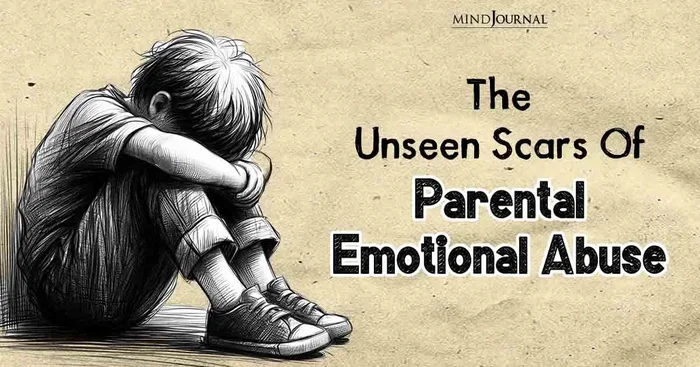
Many adults struggle with confidence without knowing why. 5 signs your low self esteem traces back to an unhappy childhood reveal deep emotional roots. Your past shapes your inner voice significantly. Healing starts when you connect the dots. You deserve to feel worthy today.
Many people walk through life feeling not good enough. They wonder why confidence feels so hard to find. The answer often lies in the past. 5 signs your low self esteem traces back to an unhappy childhood can help you understand your pain. Recognizing these patterns is the first step toward healing. You are not broken. You are just carrying old wounds.
Childhood sets the foundation for how we see ourselves. If that foundation was shaky, adult life feels unstable. This article explores how early trauma affects adult confidence. We will look at specific behaviors that signal deep roots. Understanding this connection brings relief. It explains why certain things trigger you.
You do not have to stay stuck in this cycle. Knowledge gives you power over your emotions. Once you see the signs, you can change them. Let us dive into the evidence. Your journey to self worth starts here.
Key Takeaways
- Childhood Impact: Early experiences shape adult confidence levels deeply.
- Inner Critic: A harsh inner voice often comes from past criticism.
- Validation Seeking: Constantly needing approval signals deep insecurity.
- Emotional Avoidance: Numbing feelings is a common defense mechanism.
- Relationship Patterns: Unhappy pasts create unhealthy relationship dynamics.
- Healing is Possible: Therapy and self-work can restore self worth.
- Self Compassion: Being kind to yourself breaks the cycle.
📑 Table of Contents
- Understanding The Link Between Past And Present
- Sign 1: You Have A Harsh Inner Critic
- Sign 2: You Constantly Seek External Validation
- Sign 3: You Avoid Conflict And People Pleasing
- Sign 4: You Struggle With Emotional Intimacy
- Sign 5: You Feel Chronically Unworthy Or Shame
- Practical Steps To Heal Your Childhood Wounds
- Conclusion
Understanding The Link Between Past And Present
Your brain develops rapidly when you are young. Experiences during this time wire your neural pathways. Negative messages become core beliefs about who you are. These beliefs operate in the background of your mind. They influence your decisions without you noticing.
An unhappy childhood often involves neglect or criticism. Sometimes parents are loving but emotionally unavailable. Other times there is overt abuse or chaos. All these scenarios teach a child they are not safe. Safety is required for healthy self esteem to grow.
When you grow up without safety, you adapt. You might become a people pleaser to stay safe. You might become perfectionistic to avoid criticism. These survival strategies work in childhood. They hurt you in adulthood. Recognizing these adaptations is key to recovery.
How Trauma Shapes Self Perception
Trauma changes how you process information. You might scan for danger instead of opportunity. This hyper vigilance drains your energy. It makes you feel anxious and small. You start believing the world is against you.
This mindset creates a negative self image. You assume you will fail before you try. You assume people will reject you. These assumptions feel like facts. They are actually old wounds speaking. Separating past pain from present reality is crucial.
Many adults carry shame from their youth. They think something was wrong with them. Usually nothing was wrong with the child. The environment was the problem. Realizing this shifts the blame away from you.
Sign 1: You Have A Harsh Inner Critic
One of the 5 signs your low self esteem traces back to an unhappy childhood is a loud inner critic. Do you talk to yourself worse than you talk to friends? Many people with childhood trauma have a brutal inner voice. This voice sounds like a parent or authority figure.
It tells you that you are lazy or stupid. It says you never do anything right. This constant narration wears down your confidence. It makes you afraid to take risks. You stay small to avoid hearing the criticism.
This critic developed as a protection mechanism. If you criticized yourself first, maybe others would not hurt you. It was a way to control your environment. Now it just causes pain. Silencing this voice takes practice and patience.
Replacing Negative Self Talk
You can change this narrative over time. Start by noticing when the critic speaks up. Do not fight it immediately. Just acknowledge it exists. Then offer a kinder counter statement.
For example, if you think I am useless, try I am doing my best. This feels fake at first. That is normal. Your brain is learning a new path. Repetition builds new neural connections. Eventually the kinder voice becomes louder.
Sign 2: You Constantly Seek External Validation
Another clear indicator involves needing approval from others. Do you feel empty without praise? Do you change your personality to fit in? This behavior often stems from childhood neglect.
Children need validation to feel secure. If parents ignored your achievements, you learned to seek it elsewhere. You might become a workaholic or a people pleaser. You chase applause to feel real.
This creates a fragile sense of self. Your worth depends on what others think. This is exhausting and unsustainable. True confidence comes from within. Relying on others keeps you vulnerable.
Learning To Validate Yourself
Self validation is a skill you can learn. Start by acknowledging your own efforts. Celebrate small wins without telling anyone. Write down things you are proud of. Read this list when you feel doubtful.
Reduce your time on social media too. Comparing yourself to others fuels insecurity. Focus on your own growth journey. You are the only one who knows your full story. Trust your own judgment more than external opinions.
Sign 3: You Avoid Conflict And People Pleasing
Conflict feels dangerous when you grow up in chaos. You might have learned to keep the peace to stay safe. This leads to avoiding hard conversations. You say yes when you want to say no.
This pattern is common in the 5 signs your low self esteem traces back to an unhappy childhood. You prioritize others needs over your own. You fear that setting boundaries will cause abandonment. This leaves you feeling resentful and tired.
People pleasing is not kindness. It is fear disguised as kindness. Real kindness includes being kind to yourself. Boundaries protect your energy and your peace. Learning to say no is an act of self respect.
Setting Healthy Boundaries
Start with small boundaries in safe situations. Practice saying no to low stakes requests. Notice that the world does not end. People respect you more when you have limits.
Communicate your needs clearly and calmly. You do not need to apologize for having needs. Your feelings are valid and important. Protecting your time is not selfish. It is necessary for your well being.
Sign 4: You Struggle With Emotional Intimacy
Intimacy requires vulnerability. Vulnerability feels risky if you were hurt as a child. You might keep people at arm’s length. You share surface details but hide deep feelings.
This protects you from rejection. It also prevents deep connection. You end up feeling lonely in relationships. You want love but fear getting close. This push pull dynamic is very common.
Trust is hard to build when it was broken early. You might test your partners to see if they leave. Or you might leave before they can hurt you. These behaviors sabotage your happiness.
Building Trust Slowly
Healing happens in small steps. Share one small vulnerability with a safe person. See how they respond. If they are kind, share a bit more. Trust is built through consistent positive experiences.
Therapy can provide a safe space to practice. A therapist offers unconditional positive regard. This helps rewire your expectation of relationships. You learn that not everyone will hurt you. Connection becomes less scary over time.
Sign 5: You Feel Chronically Unworthy Or Shame
Shame is the belief that you are fundamentally flawed. Guilt says you did something bad. Shame says you are bad. This is a heavy burden to carry alone.
Unhappy childhoods often instill deep shame. Children blame themselves for their parents failures. They think if they were better, the family would be happy. This belief follows them into adulthood.
You might feel like an imposter in success. You might feel deserving of punishment. This blocks you from enjoying life. You sabotage good things because you feel unworthy. Recognizing this shame is vital for healing.
Healing The Shame Wound
Shame thrives in secrecy. Speaking about it reduces its power. Share your feelings with a trusted friend or therapist. You will likely find you are not alone.
Practice self compassion daily. Treat yourself like you would treat a child. Would you yell at a child for making a mistake? No. You would comfort them. Offer that same comfort to yourself. You deserve kindness just because you exist.
Practical Steps To Heal Your Childhood Wounds
Healing is a journey not a destination. You can rebuild your self esteem at any age. Neuroplasticity allows your brain to change. Here are some actionable steps to start today.
Therapy is highly recommended. A professional can guide you through trauma. Modalities like EMDR or CBT work well. They help process stuck emotions safely.
Journaling helps clarify thoughts. Write about your memories without judgment. Look for patterns between past and present. This increases your self awareness significantly.
Mindfulness keeps you present. Trauma pulls you into the past. Grounding techniques bring you back to now. Focus on your breath or your senses. This reduces anxiety in the moment.
- Seek professional support for deep trauma work.
- Practice daily affirmations to rewire thoughts.
- Join support groups to feel less alone.
- Prioritize self care routines for physical health.
- Limit exposure to toxic people or environments.
Healing takes time and patience. Be gentle with yourself during the process. You are rebuilding a foundation that was shaken. Every small step counts toward your freedom.
Conclusion
Understanding the root of your pain is powerful. 5 signs your low self esteem traces back to an unhappy childhood give you a map. You can see why you behave the way you do. This knowledge removes the shame of being broken.
Your past influenced you but it does not define you. You have the power to change your story. Self worth is your birthright. It was stolen from you but you can reclaim it.
Start with one small change today. Speak kindly to yourself. Set one small boundary. Reach out for support. You deserve a life filled with confidence and joy. Your healing journey begins now.
Frequently Asked Questions
Can childhood trauma cause low self esteem in adults?
Yes, early negative experiences often shape adult confidence. Children internalize criticism as truth about their worth. This creates lasting patterns of insecurity and doubt.
How do I know if my parents affected my self worth?
Reflect on how you talk to yourself. If your inner voice is harsh, it may mirror past criticism. Seeking therapy can help uncover these specific connections.
Is it possible to heal low self esteem from childhood?
Absolutely, healing is possible at any age. Therapy, self compassion, and new habits can rebuild confidence. It takes time but the results are worth the effort.
What are common behaviors of people with childhood trauma?
People pleasing, avoidance of conflict, and seeking validation are common. Perfectionism and emotional numbness are also frequent responses. These behaviors were once survival strategies.
Does talking about my past make it worse?
Initially it might feel difficult to discuss. However, processing trauma in a safe space reduces its power. It helps you separate past pain from present reality.
When should I seek professional help for self esteem issues?
Seek help if your feelings interfere with daily life. If relationships suffer or you feel hopeless, reach out. A therapist can provide tools for deep healing.