
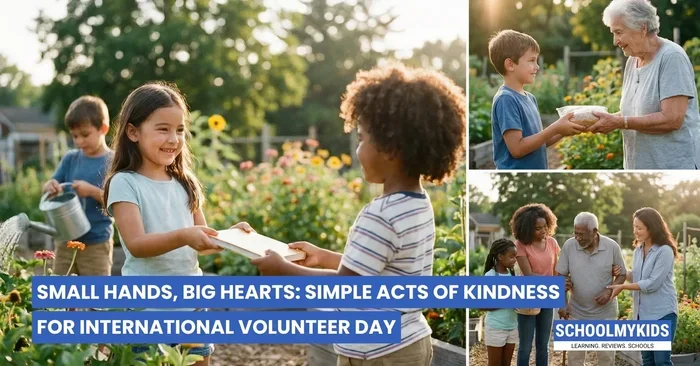
Small acts of kindness cost nothing yet create big ripples of joy. This guide shares 10 simple gestures you can start today to lift someone’s spirit and strengthen your community. You will learn how tiny moments of care build trust, reduce stress, and spread hope without grand plans or heavy effort.
We often think kindness needs a big budget, a long speech, or a perfect moment. The truth is much simpler. 10 small acts of kindness that make a huge impact on others can fit into a busy day. A quick text, a patient pause, or a warm hello can change the entire mood of a room.
Kindness works because humans are wired for connection. We notice care. We remember how people made us feel. When you offer a small gift of attention or help, you lower stress, build trust, and remind someone that they matter. These moments may seem tiny, but they stack up over time.
This guide walks you through practical ideas you can use today. You will see how simple habits create real emotional support. You will also learn how to keep kindness healthy, so it feels good for you and for the person receiving it.
Key Takeaways
- Kindness costs nothing: Tiny gestures like a smile or a thank-you note create real emotional value for others.
- Consistency beats scale: Regular small actions build deeper trust than rare grand gestures.
- Listen first: Giving full attention often matters more than giving advice or gifts.
- Tailor to the person: Match your gesture to what the other person actually needs or enjoys.
- Protect your energy: Healthy kindness includes boundaries so you do not burn out or overextend.
- Start today: Pick one simple act, repeat it, and watch the positive ripple grow.
📑 Table of Contents
- Why Small Acts Of Kindness Matter So Much
- 1. A Sincere Compliment That Feels Specific
- 2. A Short Note Of Appreciation
- 3. Giving Someone Your Full Attention
- 4. Offering Practical Help Without Making It A Big Deal
- 5. Checking In Without Expecting A Long Reply
- 6. Sharing A Small Encouragement When Someone Doubts Themselves
- 7. Holding Space For Someone’s Feelings
- 8. Leaving A Tiny Surprise For Someone To Find
- 9. Forgiving A Small Slip-Up Quickly
- 10. Ending The Day With A Kind Goodbye
- Quick Tips For Making Kindness Feel Natural
- Common Mistakes That Quietly Drain Kindness
- Expert Insights: Why Tiny Kindness Keeps Working
- Key Takeaways For Daily Practice
Why Small Acts Of Kindness Matter So Much
Big changes often begin with tiny steps. A small gesture can break a hard day, soften a tense moment, or open a door to deeper trust. Small acts of kindness work because they are easy to receive. They do not demand a response. They simply offer care.
Think about the last time someone held a door, remembered your name, or sent a quick check-in message. Those moments likely felt light, but they also felt personal. That is the power of micro-kindness. It says, “I saw you.” That message can stay with a person long after the moment passes.
The Emotional Ripple Effect
Kindness spreads. One kind act can improve a person’s mood, and that better mood can influence the next person they meet. This ripple effect is real in homes, offices, classrooms, and neighborhoods. You do not need to solve a major problem to create value. You only need to offer a genuine moment of warmth.
Here is why small gestures matter so much:
- They lower pressure: People can receive a small act without feeling obligated.
- They feel personal: A thoughtful detail shows you paid attention.
- They build habits: Regular kindness creates a calmer, more trusting atmosphere.
- They support mental health: Simple care can ease loneliness and stress.
Quick Tip: Match The Moment
The best small act fits the situation. If someone looks overwhelmed, offer help with one task. If someone seems lonely, offer a sincere conversation. If someone is celebrating, share their joy. Kindness works best when it meets a real need.
1. A Sincere Compliment That Feels Specific
A general compliment is nice. A specific compliment is memorable. Instead of saying, “You’re great,” try, “You handled that tough question with so much calm.” Specific praise shows you noticed something real. It also helps the other person see their own strength.
This is one of the easiest small acts of kindness that make a huge impact on others because it takes seconds. Yet the effect can be strong. People often repeat warm, accurate praise in their heads when they need confidence. Your words can become a small source of support they carry with them.
How To Make Compliments Land Well
Keep it honest. Keep it brief. Focus on effort, character, or a choice the person made. Avoid praise that feels exaggerated or forced. When compliments feel true, they build trust instead of awkwardness.
- Notice one real detail.
- Say it clearly and kindly.
- Do not immediately ask for anything in return.
- Let the moment breathe.
2. A Short Note Of Appreciation
A text, sticky note, or quick email can brighten an ordinary day. Writing things down gives the message staying power. The person can reread it later, especially when they feel discouraged. That is why a simple note can feel bigger than a spoken comment.
You do not need poetic words. You only need clear care. Try something like, “I appreciated how you listened today,” or “Thank you for making this easier.” Appreciation is one of the most underused acts of kindness because people often assume others already know they are valued. Sadly, many people wonder if their effort matters. A note answers that question.
What To Write When You Are Short On Time
Keep it simple. Mention one action. Mention the effect it had on you or on the situation. Close with warmth. Three sentences are enough.
Common Mistake: Waiting For A Perfect Moment
Many people delay because they want the message to sound impressive. Do not wait. A plain, timely note often matters more than a polished one that arrives too late. Kindness is usually better when it is early and real.
3. Giving Someone Your Full Attention
Listening is a quiet gift. In a noisy world, full attention feels rare. When you put your phone down, make gentle eye contact, and let someone finish their thoughts, you offer something valuable. You offer presence.
This kind of listening is not about fixing everything. It is about making space. Sometimes a person needs to be heard before they can think clearly. Sometimes they only need a safe pause. When you listen well, you help lower emotional pressure. That is a powerful form of care.
Small Listening Habits That Help
- Ask one follow-up question.
- Reflect back what you heard.
- Resist the urge to interrupt with your own story.
- Let silence sit when the person needs it.
If you want to understand how deeper emotional wounds can affect attention and connection, you may also find it helpful to read about the impact of childhood mental health on adult work capacity. Sometimes a person’s need for patience or reassurance comes from old stress that still needs gentle support.
4. Offering Practical Help Without Making It A Big Deal
Some people do not want a speech. They want a hand. Practical help can be one of the most relieving small acts of kindness that make a huge impact on others. It removes a burden right when someone needs it most.
The key is to keep it simple and low-pressure. Offer one clear thing. Carry a bag. Grab a coffee. Send a useful link. Help with a chore. When help is specific, it is easier to accept. Vague offers like “Let me know if you need anything” can feel kind, but they often leave the other person with more mental work.
Better Ways To Offer Help
Try direct, small options:
- “I can pick up dinner tonight. Would that help?”
- “I have ten minutes. Want me to handle this one task?”
- “I’m going past that store. Can I grab anything for you?”
Practical kindness is especially meaningful when someone is tired, grieving, overwhelmed, or juggling too much. It says, “You do not have to carry this alone.”
5. Checking In Without Expecting A Long Reply
A check-in message can be a lifeline. Many people feel isolated even when they are surrounded by others. They may not want to ask for support, but they still need to know someone cares. A gentle “How are you doing today?” can open that door.
The best check-ins are low-pressure. Make it easy for the person to answer briefly or later. You are not demanding a update. You are offering a reminder that they are not forgotten. That is a simple but meaningful form of emotional support.
What To Say In A Check-In
- “Thinking of you. No need to reply right away.”
- “How is your week treating you so far?”
- “I hope today has been gentle with you.”
If someone is going through a hard season, your steady check-ins may matter more than one big conversation. Consistent care often feels safer than intense care.
6. Sharing A Small Encouragement When Someone Doubts Themselves
Doubt can be loud. A short encouraging word can help quiet it. This does not mean pretending everything is easy. It means reminding someone that they have survived hard things before and can keep going.
Encouragement works best when it is grounded. Name a strength you have seen. Remind them of a past win. Acknowledge the challenge, then offer belief. This balance makes your kindness feel real, not dismissive.
Encouragement That Feels Real
Avoid empty hype. Try steady confidence instead:
- “This is hard, and you have handled hard things before.”
- “You do not need to be perfect to make progress.”
- “I believe you can take the next small step.”
Encouragement is one of those small acts of kindness that make a huge impact on others because it can change how a person sees their own capacity. A little belief can help someone keep moving.
7. Holding Space For Someone’s Feelings
Sometimes kindness is not about cheering someone up. Sometimes it is about letting them feel what they feel without rushing them. That can be surprisingly rare. Many people feel pressure to “get over it” quickly. A patient listener gives them room to breathe.
Holding space means you stay calm, respectful, and nonjudgmental. You do not need to solve the feeling. You only need to honor it. This can be especially important when someone feels ashamed, scared, or overwhelmed. Your steady presence can make the emotion feel less isolating.
How To Hold Space Well
- Validate the feeling before offering solutions.
- Use simple phrases like, “That sounds really heavy.”
- Avoid comparing their pain to your own unless it truly helps.
- Let them set the pace.
If you want to explore how to support people with different emotional styles, you may also enjoy reading about how to meet the needs of an avoidant attachment style. Different people need different kinds of closeness, and kindness works best when it respects that.
8. Leaving A Tiny Surprise For Someone To Find
Unexpected kindness can brighten a routine day. A small treat, a cheerful note, or a thoughtful item placed where someone will find it can create a moment of delight. The surprise element matters because it feels personal and thoughtful.
Keep the gesture appropriate and simple. A favorite snack, a nice sticky note on a mirror, or a book left on a desk can be enough. The goal is not to impress. The goal is to make someone smile and feel remembered.
Ideas That Stay Simple
- A note with one warm sentence.
- A snack they like.
- A playlist link for a rough day.
- A small item that solves a minor annoyance.
Tiny surprises work because they interrupt stress. They say, “Someone thought of you before you even asked.”
9. Forgiving A Small Slip-Up Quickly
Patience is a form of kindness. When someone makes a minor mistake, your response can either add tension or lower it. A calm reaction often helps the other person recover faster and trust you more.
This does not mean ignoring real boundaries. It means choosing grace for ordinary human error. Everyone forgets things. Everyone has off days. When you respond with patience, you create safety. That safety makes relationships smoother and less exhausting.
Kind Responses To Minor Mistakes
- “It happens. Let’s fix it together.”
- “No big deal. We can try again.”
- “I appreciate you telling me.”
Forgiveness in small moments builds a culture of ease. People feel safer around those who do not turn every slip into a crisis.
10. Ending The Day With A Kind Goodbye
The last moment of an interaction often lingers. A warm goodbye can leave someone feeling respected and valued. It can also close a day on a softer note. A simple “It was good seeing you,” or “Take care,” may seem small, but it gives the interaction a caring ending.
This matters because endings shape memory. People may forget a long conversation, but they often remember how you made them feel when it ended. A kind goodbye is one of the easiest small acts of kindness that make a huge impact on others because it takes almost no time and still leaves warmth behind.
Make Goodbyes Feel Genuine
- Use the person’s name if it feels natural.
- Add one specific wish for their day or night.
- Keep it warm, not rushed.
- Let the tone match your relationship.
Quick Tips For Making Kindness Feel Natural
Kindness should feel easy, not forced. If it feels awkward, start smaller. Pick one habit and repeat it. The goal is consistency, not performance. Here are a few ways to keep it natural:
- Choose gestures that fit your personality.
- Focus on one person at a time.
- Keep your expectations low.
- Notice what the other person responds to.
- Let kindness be simple enough to repeat.
When kindness becomes part of your routine, it stops feeling like extra work. It becomes a normal way of moving through the world.
Common Mistakes That Quietly Drain Kindness
Even good intentions can go sideways when we push too hard. Kindness should help, not exhaust. Watch for these common traps:
Trying To Fix Everything
You do not need to solve every problem. Sometimes the kindest response is patience, not rescue. Over-fixing can make people feel dependent or misunderstood.
Giving Too Much Too Fast
Big energy can feel exciting, but it can also be hard to sustain. Small, steady care is often more trustworthy. If you want to understand why balance matters in relationships, you may also find it useful to read emotional needs you should never ignore in a relationship. Healthy kindness respects both people’s limits.
Expecting Appreciation In Return
Kindness loses its warmth when it becomes a transaction. Give because it aligns with your values, not because you want a reward. That mindset keeps the gesture pure and sustainable.
Ignoring Your Own Boundaries
You cannot pour from an empty cup. If you are tired, overwhelmed, or resentful, your kindness may start to feel heavy. Protect your energy so your care stays genuine.
Expert Insights: Why Tiny Kindness Keeps Working
Kindness works because it meets basic human needs. People want to feel seen, safe, and supported. Small gestures answer those needs without demanding a lot in return. They also create trust, and trust makes relationships easier to maintain.
Another reason small kindness lasts is that it is repeatable. A grand gesture can be memorable, but a small one can become a pattern. Patterns shape culture. A home with frequent small kindness feels calmer. A workplace with frequent small kindness feels more cooperative. A friendship with frequent small kindness feels more secure.
If you are curious about how people recover after emotional strain, you might also appreciate how to restart your life after a terrible breakdown. Recovery often begins with small supportive steps, not dramatic overhauls. Kindness can be one of those steps.
Key Takeaways For Daily Practice
Kindness does not need to be complicated. The most lasting gestures are often the simplest ones. A warm word, a patient pause, a practical hand, or a thoughtful check-in can change the tone of someone’s day. When you repeat these moments, they become a quiet force for good.
Remember these takeaways:
- Start small: One simple act is enough.
- Be specific: Details make kindness feel personal.
- Be consistent: Regular care builds trust over time.
- Stay realistic: Match the gesture to the person and moment.
- Protect your energy: Kindness should not cost you your well-being.
The beauty of 10 small acts of kindness that make a huge impact on others is that they are available to almost everyone. You do not need special resources. You only need attention, sincerity, and a willingness to care. Start with one act today. Then let it become a habit. The ripple may be larger than you expect.
Frequently Asked Questions
What are some easy small acts of kindness I can do today?
You can send a short appreciative text, give a specific compliment, or offer help with one small task. These simple gestures take little time but can still make someone feel seen and supported.
Why do small acts of kindness matter so much?
Small kindnesses lower pressure and show genuine care. They often feel easier to receive than big gestures, and they can build trust, warmth, and emotional safety over time.
How can I be kind without burning out myself?
Keep your gestures small, realistic, and repeatable. Set boundaries, avoid overcommitting, and focus on steady care instead of trying to fix everything for everyone.
What if the other person does not respond warmly?
That can happen, and it does not always mean your gesture was wrong. People may be tired, stressed, or distracted. Kindness is still worthwhile when it is given respectfully, even if the reaction is quiet.
Can small acts of kindness improve relationships?
Yes. Regular small gestures create a sense of reliability and care. They help people feel valued, which can reduce tension and strengthen connection over time.
What is the best way to make a compliment feel sincere?
Make it specific and honest. Mention something real you noticed, keep it brief, and avoid exaggeration. A true compliment feels encouraging because it reflects actual effort or character.
