

Feeling confused or hurt because your boyfriend isn’t interested in you sexually? You’re not alone—and it’s not always about you. This guide dives into real reasons behind low sexual desire, from stress and health issues to emotional disconnects, and offers practical ways to rebuild intimacy through honest communication and mutual understanding.
Key Takeaways
- Stress and mental health play a major role: Anxiety, depression, and daily pressures can significantly reduce sexual desire, even in loving relationships.
- Physical health matters: Hormonal imbalances, medications, chronic illness, or fatigue can all impact libido.
- Emotional intimacy is key: A lack of emotional connection or unresolved conflict often leads to disinterest in sex.
- Communication is essential: Avoid assumptions—talk openly and gently about needs, fears, and desires without blame.
- Routine kills excitement: Long-term relationships can fall into predictable patterns that dampen sexual spark.
- It’s not always personal: His lack of interest may have little to do with your attractiveness or performance.
- Professional help can help: Couples therapy or medical consultation may be necessary if the issue persists.
📑 Table of Contents
Why Is My Boyfriend Not Interested in Me Sexually?
You love your boyfriend. You care about him deeply, and you want your relationship to feel close, connected, and fulfilling—including in the bedroom. But lately, it feels like he’s pulling away. Maybe he turns down your advances, seems distracted during intimacy, or just doesn’t initiate anymore. You start wondering: *Is it me? Am I not attractive enough? Did I do something wrong?*
First, take a deep breath. You’re not alone. Many women—and men—face this same concern at some point in their relationships. And while it’s natural to feel hurt or insecure, it’s important to remember that a lack of sexual interest doesn’t necessarily mean your relationship is failing or that you’re unlovable. In fact, there are many possible reasons behind this shift, and most of them are fixable with patience, understanding, and open communication.
In this article, we’ll explore the most common reasons why your boyfriend might not be interested in you sexually—and what you can do about it. Whether it’s stress, health issues, emotional distance, or simply the natural ebb and flow of long-term relationships, we’ll help you understand what’s really going on and how to reconnect in a healthy, loving way.
Understanding the Root Causes of Low Sexual Desire

Visual guide about Why Is My Boyfriend Not Interested in Me Sexually
Image source: goodguys2greatmen.com
When your boyfriend seems disinterested in sex, it’s easy to jump to conclusions. But before you assume the worst, it’s crucial to look at the bigger picture. Sexual desire is influenced by a complex mix of physical, emotional, and psychological factors—and it’s rarely just one thing.
Let’s break down some of the most common underlying causes.
Stress and Mental Health
One of the biggest culprits behind low libido is stress. Whether it’s work pressure, financial worries, family issues, or general anxiety, stress can completely shut down your partner’s sex drive. When the mind is overwhelmed, the body often responds by conserving energy—and sex is one of the first things to go.
For example, imagine your boyfriend just started a new job with long hours and high expectations. He’s exhausted, mentally drained, and constantly worrying about performance reviews. In this state, he’s not thinking about romance or intimacy—he’s just trying to survive the day. This doesn’t mean he doesn’t love you or find you attractive. It means his body and mind are in survival mode.
Depression and anxiety are also major factors. These conditions can reduce dopamine and serotonin levels—neurochemicals linked to pleasure and motivation—making sex feel like a chore rather than a joy. If your boyfriend has been withdrawn, irritable, or unusually tired, it might be worth gently asking if he’s been struggling emotionally.
Physical Health and Hormonal Changes
Your boyfriend’s physical health plays a huge role in his sexual desire. Conditions like diabetes, thyroid disorders, heart disease, and obesity can all affect libido. Even something as common as low testosterone—especially as men age—can lead to a noticeable drop in interest.
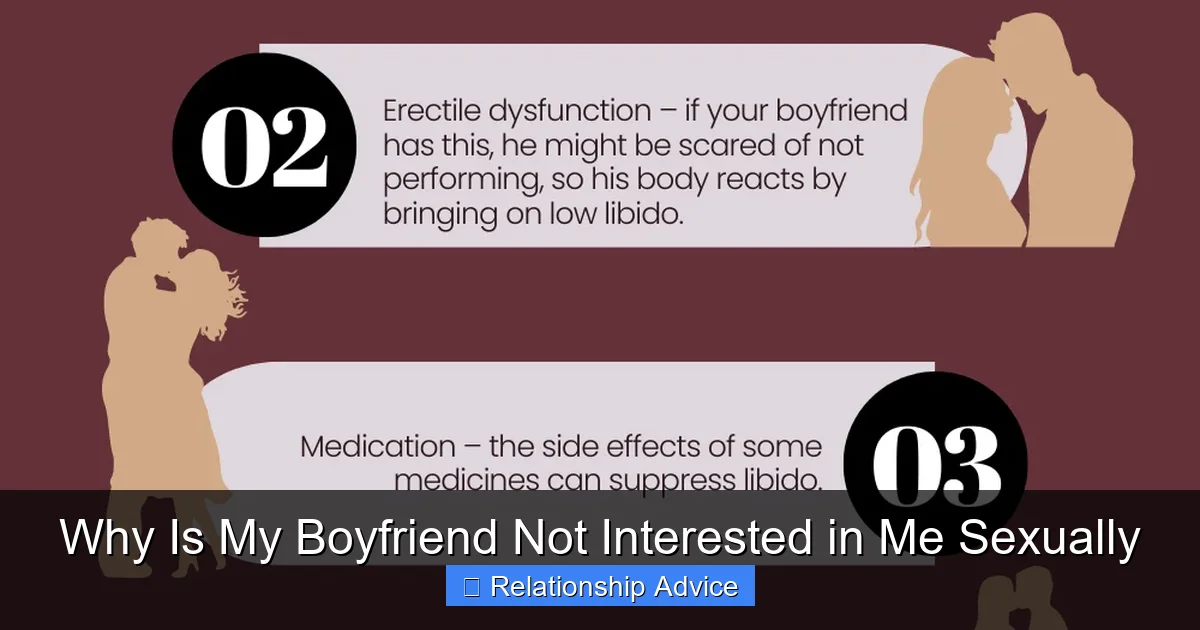
Medications are another common cause. Antidepressants (like SSRIs), blood pressure drugs, and even some over-the-counter sleep aids can have side effects that include reduced sex drive or difficulty maintaining an erection. If your boyfriend recently started a new medication, that could be the reason.
Fatigue is also a major player. If he’s not getting enough sleep—whether due to insomnia, a newborn baby, or a demanding schedule—his body simply won’t have the energy for sex. Think about it: when you’re exhausted, the last thing you want to do is get intimate. The same goes for him.
Emotional Disconnect and Relationship Issues
Sex isn’t just a physical act—it’s deeply tied to emotional intimacy. If there’s tension, resentment, or unresolved conflict in your relationship, it can create a barrier to physical closeness. Maybe you’ve been arguing more lately, or he feels unheard or unappreciated. Even small, unspoken grievances can build up over time and make sex feel unsafe or unappealing.
For instance, if you criticized his cooking last week and he’s been quiet since, he might be holding onto that hurt. Or maybe he feels like you’re always busy with work or friends and he’s not a priority. These emotional wounds don’t always show up in big fights—they simmer beneath the surface and can quietly kill desire.
On the flip side, sometimes the problem is too much routine. Long-term relationships can fall into predictable patterns: same time, same place, same moves. Over time, this can make sex feel mechanical or boring. If your boyfriend feels like intimacy is just another chore on the to-do list, he may start avoiding it altogether.
The Role of Communication in Rebuilding Intimacy

Visual guide about Why Is My Boyfriend Not Interested in Me Sexually
Image source: relationqueries.com
If you’re wondering why your boyfriend isn’t interested in you sexually, the first step is to talk about it—but not in a confrontational way. Bringing up the topic can feel scary, especially if you’re worried about hurting his feelings or making him defensive. But honest, gentle communication is the foundation of any healthy relationship.
How to Start the Conversation
Timing is everything. Don’t bring it up in the middle of an argument or when he’s already stressed. Instead, choose a calm moment when you’re both relaxed—maybe during a walk, over dinner, or while cuddling on the couch.
Start with “I” statements to avoid blame. For example:
– “I’ve noticed we haven’t been as intimate lately, and I miss that closeness.”
– “I love you so much, and I want us to feel connected—both emotionally and physically.”
– “I’ve been feeling a little insecure about our sex life, and I’d love to understand how you’re feeling.”
These phrases focus on your feelings rather than accusing him of neglect. They open the door for dialogue instead of defensiveness.
Listen Without Judgment
Once you’ve opened the conversation, give him space to respond. He might feel embarrassed, guilty, or unsure how to explain what’s going on. Let him talk without interrupting or jumping to conclusions.
Ask open-ended questions like:
– “How have you been feeling lately—physically and emotionally?”
– “Is there anything on your mind that’s been weighing on you?”
– “Do you feel like we’re still connected the way we used to be?”
Sometimes, just knowing that you care enough to ask can make a huge difference. He may not have realized how his behavior was affecting you—or he may have been too afraid to bring it up himself.
Work Together on Solutions
Once you understand the root cause, you can start working on solutions together. If stress is the issue, maybe he needs to take a day off or try relaxation techniques like meditation or exercise. If it’s a health concern, encourage him to see a doctor—framed as caring for his well-being, not fixing a problem.
If emotional distance is the issue, consider scheduling regular “check-in” times to talk about your relationship, dreams, and feelings—without distractions like phones or TV. Rebuilding emotional intimacy often leads to a natural return of physical desire.
And if routine is killing the spark, get creative! Try new activities together—cook a new recipe, take a dance class, or plan a weekend getaway. Novel experiences can reignite excitement and help you both feel more connected.
When to Seek Professional Help
Visual guide about Why Is My Boyfriend Not Interested in Me Sexually
Image source: whattogetmy.com
Sometimes, despite your best efforts, the issue persists. That’s okay. Not every problem can be solved with a heart-to-heart or a weekend trip. In these cases, professional support can make a world of difference.
Couples Therapy
A licensed couples therapist can help you both explore underlying issues that may be affecting your intimacy. They provide a safe, neutral space to discuss sensitive topics and teach communication skills that strengthen your relationship.
Therapy isn’t just for couples on the brink of breakup. Many healthy couples use it as a tool for growth and connection. It can help you both understand each other’s needs, heal past wounds, and rebuild trust.
Medical Consultation
If you suspect a physical or hormonal issue, encourage your boyfriend to see a healthcare provider. A simple blood test can check testosterone levels, thyroid function, and other markers that affect libido. If a medication is the culprit, his doctor may be able to adjust the dosage or switch to an alternative.
Don’t be afraid to advocate for his health—and yours. Sexual well-being is part of overall wellness, and there’s no shame in seeking help.
Individual Counseling
Sometimes, the issue is more personal. If your boyfriend is dealing with anxiety, depression, past trauma, or low self-esteem, individual therapy can help him work through those challenges. When he feels better mentally and emotionally, his desire for intimacy often returns naturally.
Rebuilding Intimacy: Practical Tips and Strategies
Once you’ve identified the cause and started addressing it, it’s time to rebuild intimacy. This doesn’t happen overnight—it takes patience, effort, and mutual willingness. But with the right approach, you can restore the connection and even deepen your bond.
Focus on Non-Sexual Touch
Physical intimacy doesn’t always have to lead to sex. Start by increasing non-sexual touch—holding hands, hugging, cuddling, or giving each other massages. These small gestures release oxytocin, the “bonding hormone,” and help rebuild a sense of closeness.
Try setting aside 10–15 minutes each night to just lie together and talk or watch a show without distractions. This simple act can reestablish physical comfort and emotional safety.
Spice Up Your Routine
If boredom is the issue, shake things up! Try new positions, explore sensual activities like kissing or mutual massage, or introduce light role-play. You don’t need to go overboard—just small changes can make a big difference.
You could also try scheduling intimacy. While it might sound unromantic, having a “date night” for sex can actually reduce pressure and make it feel more intentional. It’s not about forcing it—it’s about creating space for connection.
Practice Emotional Vulnerability
Intimacy grows when both partners feel safe being vulnerable. Share your fears, dreams, and desires—not just about sex, but about life. When you open up emotionally, it creates a deeper bond that naturally extends to the physical side of your relationship.
For example, tell him how much you appreciate him, or share a childhood memory that shaped your views on love. These moments build trust and make sex feel more meaningful.
Be Patient and Kind
Change takes time. Don’t expect everything to improve overnight. Celebrate small wins—like a spontaneous kiss or a night where you both feel relaxed and connected. Avoid pressuring him or making him feel guilty for not being “in the mood.”
Remember: desire often follows connection, not the other way around. When he feels loved, valued, and emotionally safe, his interest in sex is more likely to return.
Final Thoughts: It’s Not Always About You
If your boyfriend isn’t interested in you sexually, it’s natural to feel hurt, confused, or even rejected. But before you blame yourself, remember this: his lack of interest is rarely a reflection of your worth, beauty, or lovability.
Sexual desire is complex. It’s influenced by stress, health, emotions, routines, and countless other factors—many of which have nothing to do with you. The fact that you’re reading this article shows how much you care about your relationship and your partner. That’s a strength, not a weakness.
The most important thing you can do is approach the situation with compassion—for him and for yourself. Talk openly, listen deeply, and work together as a team. Whether the issue is temporary or ongoing, your relationship can grow stronger through this challenge.
And if you’re still struggling, don’t hesitate to reach out for support. You deserve a loving, intimate partnership—and with the right tools and mindset, you can build one together.
Frequently Asked Questions
Is it normal for a boyfriend to lose interest in sex over time?
Yes, it’s completely normal for sexual desire to fluctuate in long-term relationships. Factors like stress, routine, aging, and life changes can all affect libido. The key is open communication and working together to maintain intimacy.
Could my boyfriend’s lack of interest mean he’s cheating?
Not necessarily. While infidelity can cause emotional distance, there are many other reasons for low sexual interest, including stress, health issues, or emotional disconnect. Jumping to conclusions without evidence can damage trust—talk to him first.
What if he refuses to talk about it?
If your boyfriend shuts down the conversation, give him space but gently express your concern. Let him know you’re coming from a place of love, not blame. If he continues to avoid the topic, consider suggesting couples counseling as a neutral way to communicate.
Can medication really affect sex drive?
Yes, many medications—especially antidepressants, blood pressure drugs, and sleep aids—can reduce libido or cause sexual dysfunction. If he’s on medication, encourage him to discuss side effects with his doctor.
How long should I wait before seeking help?
There’s no set timeline, but if the issue persists for several weeks or is causing significant distress, it’s worth seeking professional guidance. Early intervention can prevent resentment and strengthen your relationship.
Will things ever go back to the way they were?
They may not return exactly to how they were—and that’s okay. Relationships evolve, and intimacy can deepen in new ways. With effort and understanding, you can build a more connected, satisfying relationship than before.