
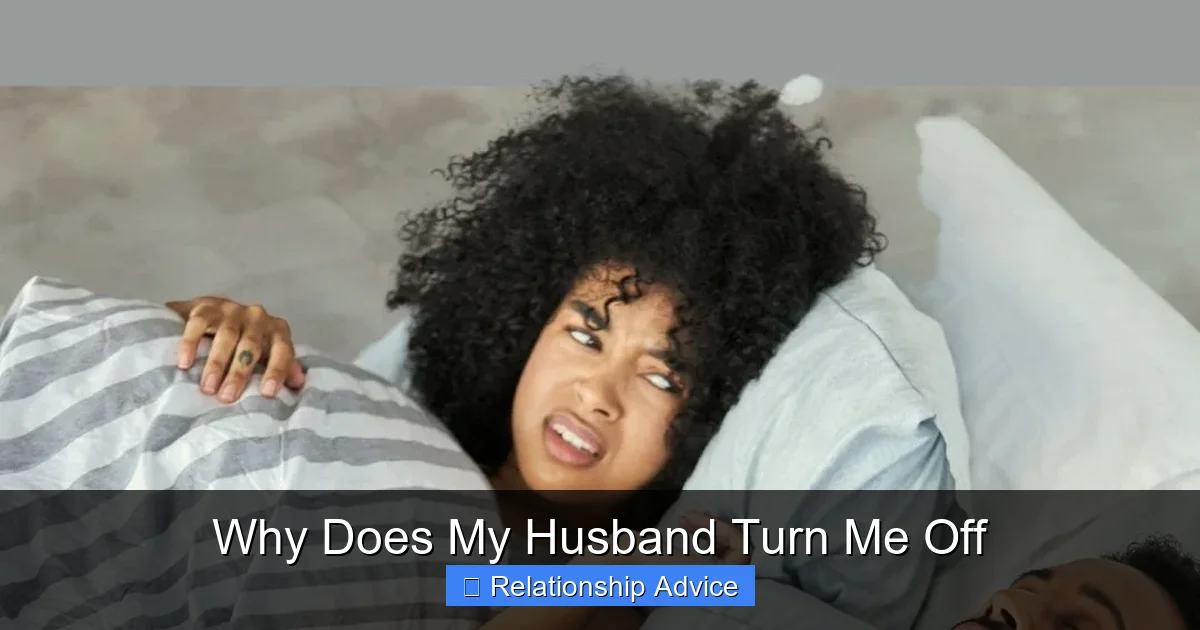
If your husband turns you off, it’s often a sign of deeper emotional, physical, or relational issues—not a lack of love. This article explores common causes like poor communication, unresolved resentment, and intimacy gaps, offering practical steps to reignite connection and rebuild a fulfilling marriage.
Key Takeaways
- Emotional disconnection is a major cause: When emotional intimacy fades, physical attraction often follows, making your husband feel more like a roommate than a partner.
- Unresolved conflicts breed resentment: Lingering arguments or unspoken grievances can create a negative emotional atmosphere that pushes intimacy away.
- Lack of quality time weakens bonds: Busy schedules and routine can erode the time needed to nurture your relationship, leading to emotional distance.
- Changes in physical attraction matter: Weight gain, aging, or neglecting self-care can impact how you feel about each other—both physically and emotionally.
- Communication breakdown kills desire: When conversations are superficial or critical, it’s hard to feel close or sexually interested in your spouse.
- Stress and mental health play a role: Anxiety, depression, or work pressure can dampen libido and make intimacy feel like a chore.
- Rebuilding intimacy is possible: With honesty, effort, and sometimes professional help, many couples restore passion and deepen their connection.
📑 Table of Contents
- Why Does My Husband Turn Me Off? Understanding the Emotional and Physical Roots
- Emotional Disconnection: The Silent Killer of Intimacy
- Unresolved Conflict and Resentment: The Hidden Turn-Off
- Lack of Quality Time: When Routine Kills Romance
- Changes in Physical Attraction: It’s Not Just About Looks
- Communication Breakdown: When Words Push You Apart
- Stress, Mental Health, and Libido: The Invisible Barriers
- Conclusion: Reclaiming Your Connection
Why Does My Husband Turn Me Off? Understanding the Emotional and Physical Roots
Let’s be honest—marriage isn’t always a fairy tale. There are days when your husband walks into the room and instead of feeling warmth or desire, you feel… nothing. Or worse, irritation. Maybe you catch yourself avoiding his touch, rolling your eyes at his jokes, or dreading date night. You might even wonder, “Why does my husband turn me off?”
It’s a painful question, and one that many women quietly wrestle with. The truth is, feeling turned off by your spouse doesn’t mean you don’t love him. It often means something deeper is out of balance. Maybe it’s emotional distance, unresolved anger, or a slow erosion of intimacy over time. These feelings are more common than you think—and they’re not a life sentence.
The good news? Most of these issues can be healed. But first, you need to understand what’s really going on beneath the surface. This article will walk you through the most common reasons why your husband might turn you off—and more importantly, what you can do about it. Whether it’s communication problems, stress, or a fading spark, we’ll explore practical, compassionate ways to rebuild your connection and rediscover the love that brought you together.
Emotional Disconnection: The Silent Killer of Intimacy
Visual guide about Why Does My Husband Turn Me Off
Image source: realestlove.com
One of the biggest reasons your husband turns you off is emotional disconnection. Think about it: when was the last time you had a deep, meaningful conversation with him? Not about bills, kids, or weekend plans—but about your dreams, fears, or how you’re really feeling?
Emotional intimacy is the foundation of physical intimacy. When that foundation cracks, everything else starts to wobble. You might still love your husband, but if you don’t feel seen, heard, or understood by him, it’s hard to feel sexually attracted. It’s like trying to light a fire in a room full of wet wood—nothing catches.
Signs of Emotional Disconnection
- You feel lonely even when you’re together.
- Conversations stay surface-level—no real vulnerability.
- You avoid sharing your thoughts or feelings with him.
- He doesn’t seem to notice when you’re upset or stressed.
- You feel more like roommates than romantic partners.
For example, imagine you’ve had a rough day at work. You come home hoping for a hug and someone to listen. But your husband barely looks up from his phone. He says, “Rough day?” and moves on. That small moment might not seem like a big deal—but over time, these missed connections add up. You start to feel invisible. And when you feel invisible, it’s hard to feel desire.
How to Rebuild Emotional Intimacy
Start small. Set aside 15 minutes a day to talk—no phones, no distractions. Ask open-ended questions like, “What’s one thing that made you smile today?” or “What’s been on your mind lately?” Listen without interrupting or fixing. Just be present.
You can also try a weekly “check-in” where you both share one thing you appreciated about each other that week and one thing you’d like more of. This builds positivity and keeps you connected.
Remember: emotional intimacy isn’t about grand gestures. It’s about consistency, presence, and willingness to be vulnerable. When you feel emotionally close, physical attraction often follows naturally.
Unresolved Conflict and Resentment: The Hidden Turn-Off
Visual guide about Why Does My Husband Turn Me Off
Image source: i.pinimg.com
Another major reason your husband turns you off? Unresolved conflict. Maybe there’s an argument you never really settled. Or a hurtful comment he made months ago that still stings. Or perhaps you’re still angry about how he handled a family crisis.
When resentment builds, it creates a toxic emotional environment. You might not even realize it, but that anger is coloring how you see him—and how you feel about being intimate. It’s hard to want to be close to someone when you’re still mad at them.
How Resentment Builds
Resentment doesn’t usually come from one big fight. It’s the accumulation of small, unaddressed issues:
- He forgot your anniversary—again.
- He dismisses your opinions in front of others.
- He prioritizes work or friends over family time.
- He doesn’t help with household chores or childcare.
Each of these might seem minor on its own. But over time, they send the message: “You don’t matter.” And when you feel undervalued, it’s natural to pull away—emotionally and physically.
Breaking the Cycle of Resentment
The first step is to acknowledge the hurt. Don’t bury it. Instead, bring it up calmly and respectfully. Use “I” statements: “I felt hurt when you didn’t help with the kids last night because I was already exhausted.” Avoid blaming or accusing.
Then, work together to find a solution. Maybe he didn’t realize how overwhelmed you were. Maybe he’s willing to step up—but needs a clear plan. Compromise is key.
It’s also important to forgive—not for his sake, but for yours. Holding onto anger only hurts you. Forgiveness doesn’t mean forgetting or excusing bad behavior. It means choosing to let go of the power that anger has over you.
If resentment runs deep, consider couples counseling. A therapist can help you both communicate more effectively and heal old wounds. You don’t have to do it alone.
Lack of Quality Time: When Routine Kills Romance
Visual guide about Why Does My Husband Turn Me Off
Image source: tidbitsofexperience.com
Let’s face it—life gets busy. Between work, kids, chores, and errands, it’s easy to fall into a routine where your husband becomes more of a co-manager than a lover. You’re both so focused on getting through the day that you forget to actually enjoy each other.
When quality time disappears, so does the spark. You stop flirting. You stop touching. You stop laughing together. And before you know it, your husband turns you off—not because he’s changed, but because the relationship has become stale.
Signs You’re Stuck in Routine
- You haven’t had a real date in months.
- Your conversations are mostly about logistics.
- You don’t make time for fun or spontaneity.
- You feel bored or restless around him.
- Intimacy feels mechanical or obligatory.
For instance, maybe your Friday nights used to be date nights—dinner, a movie, maybe a little dancing in the kitchen. But now, Friday is just “get the kids to bed and collapse on the couch” night. The romance has been replaced by routine.
Reintroducing Quality Time
Start by scheduling connection. Yes, schedule it. Put it on the calendar like any other important appointment. Even 30 minutes a week can make a difference.
Try new activities together—something that takes you out of your usual roles. Take a cooking class, go hiking, or try a new restaurant. Novelty stimulates the brain and can reignite attraction.
You can also bring more playfulness into your daily life. Leave a silly note in his lunchbox. Send a flirty text during the day. Dance to a song while doing dishes. These small moments build emotional and physical closeness.
And don’t forget touch. Hold hands while watching TV. Give him a hug when he comes home. Physical affection doesn’t have to lead to sex—it just needs to say, “I’m here. I care.”
Changes in Physical Attraction: It’s Not Just About Looks
Let’s talk about the elephant in the room: physical attraction. It’s okay to admit that changes in your husband’s appearance—or your own—might be affecting how you feel. Maybe he’s gained weight. Maybe he’s let his grooming slide. Or maybe you’re just not feeling as sexy yourself.
Physical attraction isn’t shallow. It’s a real part of intimacy. When you’re not physically drawn to your partner, it’s hard to feel turned on—even if you love them deeply.
Common Physical Changes That Affect Attraction
- Weight gain or loss.
- Neglecting personal hygiene or style.
- Aging—gray hair, wrinkles, slower metabolism.
- Chronic illness or fatigue affecting energy levels.
- Changes in your own body image or libido.
For example, maybe your husband used to work out regularly and dress sharply. Now he lives in sweatpants and rarely shaves. It’s not that you don’t love him—it’s that the effort he used to put into his appearance felt like a sign of care, both for himself and for you. When that effort fades, it can feel like he’s stopped trying.
How to Address Physical Changes Together
First, talk openly—but kindly. Avoid criticism. Instead, focus on shared goals. Say something like, “I’ve been thinking about how we both feel our best when we take care of ourselves. What if we started going for walks together a few times a week?”
Encourage each other, don’t nag. Celebrate small wins. If he starts eating healthier, thank him. If you both commit to a fitness routine, make it fun—not a chore.
Also, remember that attraction isn’t just about looks. It’s about confidence, energy, and presence. A man who feels good about himself—whether through exercise, hobbies, or personal growth—often becomes more attractive, not because he looks different, but because he carries himself differently.
And don’t forget your own self-care. When you feel good in your own skin, you’re more likely to feel attracted to your partner. Take time for yourself—whether it’s a skincare routine, a new outfit, or a solo hobby. Confidence is magnetic.
Communication Breakdown: When Words Push You Apart
Communication is the lifeline of any relationship. When it breaks down, everything suffers—including intimacy. If your conversations are filled with criticism, defensiveness, or silence, it’s no wonder your husband turns you off.
Think about how you talk to each other. Do you interrupt? Do you roll your eyes? Do you shut down when he speaks? These patterns create distance and erode trust. And when trust is low, desire follows.
Common Communication Pitfalls
- Criticizing instead of expressing needs.
- Using sarcasm or passive-aggressive comments.
- Avoiding tough conversations out of fear.
- Listening to respond, not to understand.
- Bringing up past mistakes during arguments.
For example, imagine he comes home late from work. Instead of saying, “I was worried when you didn’t call,” you snap, “You’re always late. You don’t care about this family.” That kind of response puts him on the defensive. He might shut down or argue back. Either way, connection is lost.
Improving Communication for Intimacy
Start by practicing active listening. When he speaks, focus fully on what he’s saying. Don’t plan your response. Nod. Make eye contact. Say, “I hear you,” or “That makes sense.”
Use “I” statements instead of “you” accusations. Instead of “You never help,” try “I feel overwhelmed when I have to do everything alone.” This keeps the conversation focused on your feelings, not his faults.
Also, create a safe space for hard talks. Set a time when you’re both calm. Say, “I’d like to talk about something that’s been on my mind. Can we both listen without getting upset?”
And don’t forget to communicate about sex. Many couples avoid this topic, but it’s essential. Talk about what you like, what you’d like to try, and what’s not working. The more open you are, the more connected you’ll feel.
Stress, Mental Health, and Libido: The Invisible Barriers
Finally, let’s talk about stress and mental health. These invisible forces can have a huge impact on your sex life—and your feelings toward your husband.
When you’re stressed, anxious, or depressed, your body produces cortisol, the stress hormone. High cortisol levels can lower libido, make you irritable, and reduce your capacity for intimacy. The same goes for your husband. If he’s dealing with work pressure, financial worries, or mental health issues, it can affect how he shows up in your relationship.
How Stress Affects Intimacy
- You feel too tired or overwhelmed for sex.
- You’re easily annoyed by small things he does.
- You withdraw emotionally to cope.
- You lose interest in activities you once enjoyed together.
- You feel disconnected from your own body and desires.
For example, maybe you’re juggling a demanding job, parenting, and household responsibilities. You’re exhausted by 8 p.m. The last thing you want is to be touched or talked to. Your husband might interpret this as rejection, even though it’s really just burnout.
Managing Stress to Reconnect
Start by acknowledging the stress. Say, “I’ve been really overwhelmed lately. I need a little space, but I still love you.” This helps him understand your behavior without feeling blamed.
Practice self-care. Even 10 minutes a day of deep breathing, journaling, or a walk can reduce stress. Encourage your husband to do the same.
Consider therapy—individual or couples. A therapist can help you manage anxiety, depression, or relationship stress. Sometimes, just talking to someone outside the relationship can bring clarity and relief.
And be patient. Healing takes time. You won’t fix everything overnight. But with consistent effort, you can reduce stress and rebuild the intimacy that’s been lost.
Conclusion: Reclaiming Your Connection
Feeling turned off by your husband doesn’t mean your marriage is over. It means it’s calling for attention, care, and change. Whether it’s emotional disconnection, unresolved conflict, lack of time, physical changes, communication issues, or stress, these challenges are not insurmountable.
The first step is awareness. Now that you understand why your husband turns you off, you can take action. Start small. Have one honest conversation. Schedule one date night. Practice one act of kindness. These tiny steps add up.
Remember, love isn’t just a feeling—it’s a choice. It’s choosing to show up, even when it’s hard. It’s choosing to listen, to forgive, to try again. And when you choose connection over comfort, you create space for intimacy to return.
You deserve a marriage that feels fulfilling, passionate, and alive. And with patience, effort, and love, you can get there—together.
Frequently Asked Questions
Is it normal to feel turned off by my husband sometimes?
Yes, it’s completely normal. All couples go through periods of low desire or emotional distance. What matters is how you address it—open communication and effort can rebuild connection.
How can I talk to my husband about this without hurting his feelings?
Use “I” statements and focus on your feelings, not his faults. Say, “I’ve been feeling disconnected lately and I’d love for us to spend more quality time together,” instead of blaming him.
What if my husband doesn’t want to work on the relationship?
It’s hard when one partner isn’t willing to change. Consider individual therapy to explore your options. You can’t force someone to change, but you can decide what you need to feel fulfilled.
Can medication or health issues cause low libido?
Yes. Certain medications, hormonal changes, thyroid issues, or chronic illness can affect sex drive. Talk to a doctor if you suspect a medical cause.
How long does it take to rebuild intimacy?
It varies, but most couples see improvement within weeks or months with consistent effort. Be patient and celebrate small wins along the way.
Should we see a couples therapist?
If you’re stuck in conflict, feel emotionally distant, or can’t communicate effectively, therapy can be incredibly helpful. It provides a safe space to heal and grow together.