
Research shows that both married and single women can live long, healthy lives—but the key lies in the quality of relationships and lifestyle choices. While marriage often brings emotional support and stability, single women who cultivate strong social ties and self-care habits may enjoy similar or even greater longevity benefits.
Key Takeaways
- Marriage can offer emotional and financial support that may contribute to longer life, especially when the relationship is healthy and supportive.
- Single women are not at a disadvantage—those with strong friendships, community involvement, and self-reliance often match or exceed married peers in lifespan.
- Quality matters more than status—a stressful or unhappy marriage can actually reduce longevity, while a fulfilling single life promotes well-being.
- Social connection is a major longevity factor—whether through marriage, friendships, or family, meaningful relationships boost mental and physical health.
- Lifestyle choices play a bigger role than relationship status—diet, exercise, sleep, and stress management are critical for long-term health.
- Single women often prioritize self-care—many report higher levels of personal freedom, travel, and hobbies, which contribute to life satisfaction.
- Modern data shows narrowing gaps—as gender roles evolve and singlehood becomes more common, the longevity difference between married and single women is shrinking.
📑 Table of Contents
- Who Lives Longer Married or Single Women? The Surprising Truth
- The Science Behind Marriage and Longevity
- The Single Woman’s Advantage: Independence and Well-Being
- The Role of Social Connection in Longevity
- Lifestyle Choices: The Real Game-Changer
- The Future of Longevity: Evolving Views on Marriage and Singlehood
- Conclusion: It’s Not the Ring—It’s the Life You Live
Who Lives Longer Married or Single Women? The Surprising Truth
For decades, the idea that married people live longer than singles has been widely accepted—almost like common sense. You’ve probably heard it before: “Married folks are healthier,” or “People with partners live longer.” But when we zoom in on women specifically, the story gets more nuanced. The question “Who lives longer—married or single women?” doesn’t have a one-size-fits-all answer. It depends on a mix of emotional, social, financial, and lifestyle factors.
Let’s start with what the research says. Numerous studies over the past 50 years have suggested that married individuals, on average, tend to live longer than their single counterparts. This trend has been observed across many countries and cultures. But here’s the twist: the benefits of marriage aren’t automatic. They depend heavily on the quality of the relationship. A happy, supportive marriage can be a powerful buffer against stress, illness, and loneliness. On the flip side, a toxic or high-conflict marriage can actually increase the risk of health problems—even shortening lifespan.
Now, let’s talk about single women. Being single doesn’t mean being lonely. In fact, more women than ever are choosing to remain single—not out of lack of options, but out of preference. And guess what? Many of them are thriving. With strong social networks, financial independence, and a focus on personal growth, single women are redefining what a long, fulfilling life looks like. The gap in life expectancy between married and single women is narrowing, especially in modern societies where singlehood is increasingly normalized.
So, who really lives longer? The answer isn’t as simple as “married” or “single.” It’s about the kind of life you’re living—your connections, your habits, your sense of purpose. Let’s dive deeper into the science, the myths, and the real-life factors that influence how long—and how well—women live.
The Science Behind Marriage and Longevity
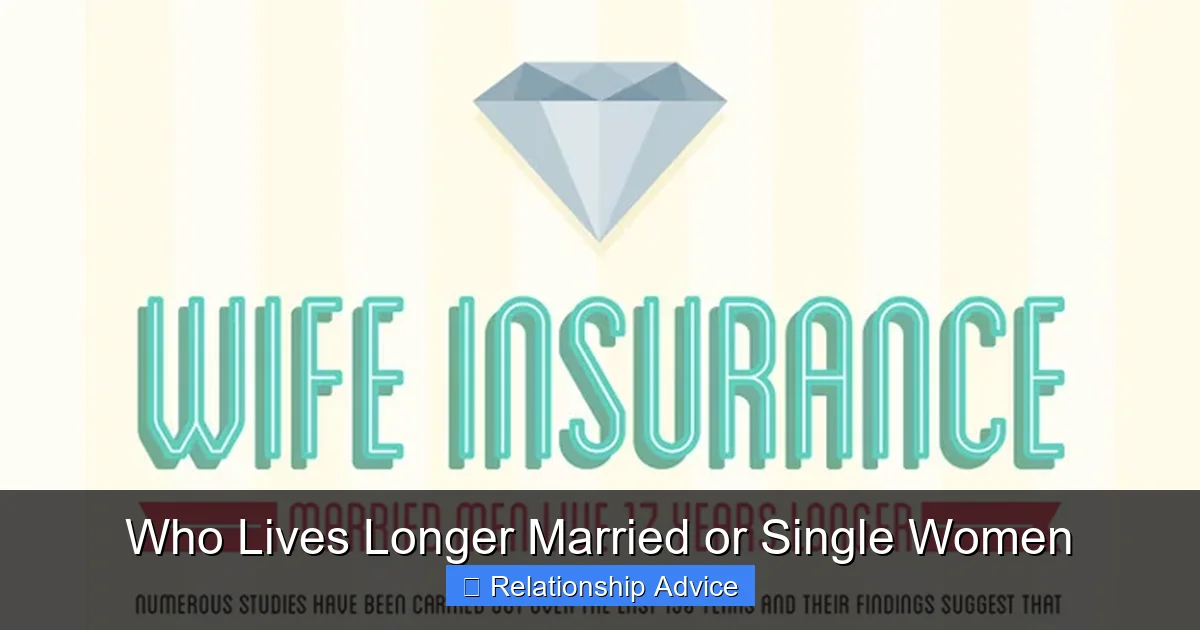
Visual guide about Who Lives Longer Married or Single Women
Image source: healthresearchfunding.org
What Decades of Research Reveal
Over the years, researchers have poured over data from national health surveys, census records, and longitudinal studies to understand the link between marital status and lifespan. One of the most cited findings comes from a 2019 meta-analysis published in the *Journal of Marriage and Family*, which reviewed over 100 studies involving millions of participants. The conclusion? Married people, on average, live longer than unmarried people—by about 2–3 years.
But when researchers break it down by gender, the picture changes. Men seem to benefit more from marriage in terms of longevity—possibly because women often take on caregiving roles and encourage healthier behaviors in their partners. For women, the benefits are more modest and highly dependent on the quality of the marriage.
Another landmark study from the University of Chicago followed over 3,000 adults for 10 years and found that married individuals had lower rates of heart disease, depression, and even cancer. The researchers attributed this to the emotional support, shared responsibilities, and financial stability that marriage often provides.
Why Marriage Might Help You Live Longer
So, what’s the secret sauce? Why might marriage contribute to a longer life? Let’s look at a few key reasons:
First, emotional support. Having someone to talk to, to lean on during tough times, can reduce stress and anxiety. Chronic stress is linked to a host of health problems, including high blood pressure, weakened immunity, and heart disease. A loving partner can act as a buffer, helping you manage stress more effectively.
Second, shared responsibility. Married couples often divide household tasks, financial planning, and health decisions. This can lead to better health outcomes—like remembering to take medication, going to the doctor regularly, or eating healthier meals. One partner might remind the other to get a check-up or encourage them to quit smoking.
Third, financial stability. Marriage often brings dual incomes, shared expenses, and better access to healthcare. Financial stress is a major contributor to poor health, and married couples may be better equipped to handle medical bills, emergencies, or retirement planning.
Finally, routine and accountability. People in relationships often adopt more structured lifestyles—regular meals, consistent sleep schedules, and fewer risky behaviors. This kind of routine can support long-term health.
The Flip Side: When Marriage Hurts More Than Helps
But here’s the catch: not all marriages are created equal. A bad marriage can do more harm than good. Research from the University of Utah found that women in high-conflict marriages had higher levels of cortisol (the stress hormone), weaker immune function, and increased risk of heart disease—comparable to or worse than single women.
In fact, a 2018 study in *Health Psychology* showed that women in unhappy marriages had a 35% higher risk of dying from cardiovascular disease over a 10-year period compared to happily married women. That’s a huge difference. So while marriage *can* be protective, it’s not a magic shield. If your marriage is filled with criticism, resentment, or emotional distance, it might actually be shortening your life.
This is why experts now emphasize that it’s not marriage itself that matters—it’s the quality of the relationship. A supportive, loving partnership can be a lifeline. A toxic one can be a life sentence.
The Single Woman’s Advantage: Independence and Well-Being
Visual guide about Who Lives Longer Married or Single Women
Image source: healthresearchfunding.org
Debunking the “Lonely Single” Myth
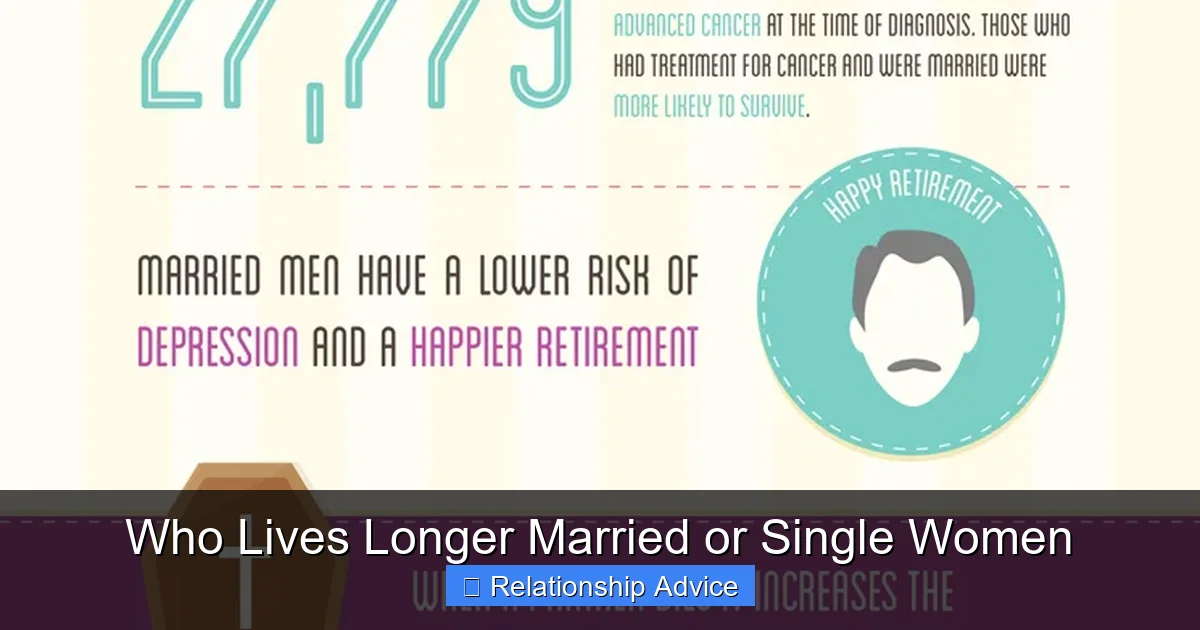
For years, single women have been stereotyped as lonely, unhappy, or incomplete. But the data tells a different story. According to a 2020 Pew Research Center report, nearly 40% of American adults are single—and the number is rising. More importantly, many single women report high levels of life satisfaction, personal freedom, and emotional well-being.
Being single doesn’t mean being isolated. In fact, single women often have larger and more diverse social networks than their married peers. Without the time and energy demands of a partner or children, they may invest more in friendships, hobbies, travel, and community involvement. These connections are just as vital for longevity as marriage.
A study from Brigham Young University found that strong social relationships—whether romantic, familial, or platonic—reduce the risk of premature death by up to 50%. So it’s not about being married; it’s about being connected.
How Single Women Thrive
So how do single women live long, healthy lives? Let’s look at some key factors:
First, self-reliance. Single women often develop strong problem-solving skills, financial independence, and emotional resilience. They learn to manage their own lives—from paying bills to making medical decisions—without relying on a partner. This autonomy can lead to greater confidence and life satisfaction.
Second, time for self-care. Without the responsibilities of a partner or family, many single women prioritize their own well-being. They’re more likely to exercise regularly, eat nutritious meals, get enough sleep, and pursue hobbies that bring joy. A 2019 study in *Social Science & Medicine* found that single women reported higher levels of physical activity and lower rates of obesity than married women.
Third, freedom to choose. Single women have the flexibility to make life choices based on their own values and goals. Whether it’s traveling the world, changing careers, or moving to a new city, they’re not constrained by a partner’s preferences. This sense of freedom can lead to a more fulfilling and stress-free life.
Finally, strong friendships. Many single women cultivate deep, meaningful friendships that serve as their primary support system. These bonds provide emotional support, companionship, and a sense of belonging—just like marriage, but without the legal or financial ties.
Real-Life Examples of Thriving Single Women
Take Sarah, a 52-year-old graphic designer from Portland. She’s been single for over a decade and says it’s the best decision she ever made. “I have time for my art, my friends, my yoga practice,” she says. “I travel twice a year, volunteer at an animal shelter, and I’ve never been healthier.” Sarah sees her single status not as a lack, but as an opportunity.
Or consider Maria, a 68-year-old retired teacher from Miami. After her divorce 20 years ago, she rebuilt her life around her passions—writing, gardening, and mentoring young women. “I’m not lonely,” she says. “I’m surrounded by people who love me. And I love myself.” Maria’s life is rich, purposeful, and full of joy.
These stories aren’t exceptions—they’re becoming the norm. As society evolves, so do our definitions of happiness and success. Single women are proving that you don’t need a ring on your finger to live a long, meaningful life.
The Role of Social Connection in Longevity
Visual guide about Who Lives Longer Married or Single Women
Image source: quotefancy.com
It’s Not About Marital Status—It’s About Connection
Here’s the most important takeaway: longevity isn’t about whether you’re married or single. It’s about the quality and quantity of your social connections. Whether those connections come from a spouse, friends, family, or community, they all play a role in how long—and how well—you live.
Research consistently shows that people with strong social ties live longer, recover faster from illness, and have better mental health. A Harvard study that followed 700 people for 80 years found that the number one predictor of long-term happiness and health was the quality of relationships.
For married women, the spouse is often the primary source of connection. But for single women, that connection might come from a best friend, a sibling, a book club, or a volunteer group. The key is consistency and depth.
How to Build a Supportive Network
If you’re single, building a strong support system is one of the best things you can do for your health. Here are some practical tips:
– **Nurture your friendships.** Make time for regular calls, coffee dates, or weekend trips. Quality matters more than quantity.
– **Join a group or club.** Whether it’s a hiking group, a cooking class, or a faith community, shared interests create bonds.
– **Volunteer.** Giving back not only helps others—it gives you a sense of purpose and connection.
– **Stay in touch with family.** Even if you’re not close, regular check-ins can strengthen ties.
– **Consider a pet.** Pets provide unconditional love and can reduce feelings of loneliness.
For married women, it’s equally important to maintain outside connections. Relying solely on your spouse for emotional support can create pressure and imbalance. Cultivating friendships and interests outside the marriage strengthens your overall well-being.
The Power of Community
In many cultures, community plays a central role in longevity. In Okinawa, Japan—one of the world’s “Blue Zones” where people live exceptionally long lives—elders are deeply embedded in social networks called *moai*. These are lifelong friend groups that provide emotional, financial, and practical support.
You don’t need to live in Okinawa to benefit from this idea. Creating your own “moai”—a close-knit group of friends who check in regularly, celebrate milestones, and support each other through tough times—can have a profound impact on your health and happiness.
Lifestyle Choices: The Real Game-Changer
What Matters Most for Longevity
While relationship status plays a role, lifestyle choices are the real determinants of how long you’ll live. Diet, exercise, sleep, stress management, and preventive healthcare have a far greater impact on lifespan than whether you’re married or single.
Let’s look at the numbers. According to the Centers for Disease Control and Prevention (CDC), chronic diseases like heart disease, diabetes, and cancer—which are largely preventable—account for 7 out of 10 deaths in the U.S. The good news? These conditions are heavily influenced by lifestyle.
For example, a Mediterranean diet—rich in fruits, vegetables, whole grains, and healthy fats—can reduce the risk of heart disease by up to 30%. Regular physical activity lowers the risk of stroke, depression, and premature death. And getting 7–9 hours of quality sleep each night supports immune function and mental health.
How Married and Single Women Compare
Interestingly, single women often score higher in certain lifestyle areas. A 2021 study in *Preventive Medicine* found that single women were more likely to engage in regular exercise, eat a balanced diet, and avoid smoking or excessive drinking. Why? Because they have more control over their daily routines and are more likely to prioritize self-care.
Married women, on the other hand, may benefit from shared healthy habits—like cooking nutritious meals together or going for walks as a couple. But they may also face challenges, such as eating more processed foods due to busy schedules or skipping workouts to care for a partner or children.
The key is balance. Whether you’re married or single, making intentional choices about your health can add years—and quality—to your life.
Practical Tips for a Longer, Healthier Life
Here are some evidence-based tips that apply to everyone:
– **Move your body daily.** Aim for at least 30 minutes of moderate activity most days. Walk, dance, swim, or garden—just keep moving.
– **Eat real food.** Focus on whole, unprocessed foods. Fill half your plate with vegetables, a quarter with lean protein, and a quarter with whole grains.
– **Manage stress.** Practice mindfulness, meditation, or deep breathing. Even 5–10 minutes a day can make a difference.
– **Sleep well.** Create a bedtime routine, limit screen time before bed, and keep your room cool and dark.
– **Stay connected.** Make time for people who matter. Call a friend, write a letter, or join a group.
– **See your doctor.** Don’t skip check-ups or screenings. Prevention is powerful.
The Future of Longevity: Evolving Views on Marriage and Singlehood
Changing Norms, Changing Outcomes
As society changes, so do our expectations around marriage and singlehood. More women are delaying marriage, choosing to remain single, or redefining what partnership looks like. And the data is catching up.
A 2023 report from the U.S. Census Bureau shows that the median age for first marriage is now 30 for women—up from 21 in 1970. At the same time, the number of women who have never married is at an all-time high.
But here’s the good news: the longevity gap between married and single women is shrinking. As singlehood becomes more accepted and supported, single women are living longer, healthier lives. Access to healthcare, education, and financial independence are leveling the playing field.
What This Means for You
Whether you’re married, single, divorced, or widowed, your relationship status doesn’t have to define your lifespan. What matters is how you live your life—your choices, your connections, your sense of purpose.
If you’re married, focus on building a healthy, supportive partnership. Communicate openly, show appreciation, and make time for each other.
If you’re single, embrace your independence. Invest in friendships, pursue your passions, and take care of your body and mind.
And remember: you’re not alone. Millions of women are living long, joyful lives—no matter their marital status. The key is to live authentically, connected, and well.
Conclusion: It’s Not the Ring—It’s the Life You Live
So, who lives longer—married or single women? The answer is both. And neither. Because longevity isn’t about a piece of paper or a relationship status. It’s about the quality of your life.
Marriage can offer love, support, and stability—but only if it’s healthy and nurturing. Singlehood can offer freedom, self-discovery, and deep friendships—but only if you cultivate them.
The real secret to a long life? Strong relationships, healthy habits, and a sense of purpose. Whether those come from a spouse, a best friend, or a community, they all count.
So don’t stress about your relationship status. Focus on what you can control: eating well, moving your body, connecting with others, and living with intention. That’s the true path to a long, happy life.
Frequently Asked Questions
Do married women really live longer than single women?
Research suggests married women may live slightly longer on average, but the difference is small and depends heavily on the quality of the marriage. Unhappy marriages can actually reduce lifespan.
Can single women live just as long as married women?
Yes. Single women with strong social networks, healthy lifestyles, and emotional support often match or exceed married women in longevity. Connection matters more than marital status.
What if I’m single and feel lonely? Does that affect my health?
Chronic loneliness can increase stress and health risks. But building friendships, joining groups, or volunteering can help. You don’t need a partner to feel connected.
Are there health benefits to being single?
Yes. Single women often have more time for self-care, exercise, and personal interests. They may also experience less relationship stress and greater autonomy.
Does divorce affect a woman’s lifespan?
Divorce can be stressful, but many women thrive afterward. With strong support and healthy habits, divorced women can live long, fulfilling lives.
How can I improve my chances of living a long life, regardless of relationship status?
Focus on diet, exercise, sleep, stress management, and meaningful relationships. These lifestyle factors have a bigger impact on longevity than marital status.