

Struggling to save your marriage? The right words can heal, rebuild trust, and reignite love. This guide reveals what to say, how to say it, and why communication is the key to saving your relationship—before it’s too late.
Key Takeaways
- Words have power: What you say—and how you say it—can either heal or harm your marriage. Choosing kind, honest, and empathetic language is essential.
- Active listening matters more than talking: Saving your marriage isn’t just about speaking up—it’s about truly hearing your partner without judgment or defensiveness.
- Apologize with sincerity: A genuine apology can mend broken trust. Avoid excuses and focus on accountability and empathy.
- Express appreciation daily: Small affirmations like “I love you” or “Thank you” build emotional safety and strengthen your bond over time.
- Use “I” statements to avoid blame: Saying “I feel hurt when…” instead of “You always…” opens dialogue instead of triggering defensiveness.
- Seek professional help when needed: Couples therapy provides tools and a safe space to navigate tough conversations and rebuild your relationship.
- Consistency builds trust: One heartfelt talk isn’t enough. Saving your marriage requires ongoing effort, patience, and repeated acts of love and understanding.
📑 Table of Contents
- What Can I Say to Save My Marriage? The Power of Words in Healing Relationships
- Understanding Why Communication Breaks Down in Marriage
- How to Start the Conversation: What to Say When You’re Ready to Save Your Marriage
- What to Say When You’re Apologizing: Healing Through Accountability
- What to Say to Rebuild Trust and Intimacy
- What to Say When Your Partner Isn’t Responding
- What to Say to Prevent Future Conflicts
- Conclusion: Your Words Can Save Your Marriage
What Can I Say to Save My Marriage? The Power of Words in Healing Relationships
Marriage is one of the most beautiful and challenging journeys two people can share. It’s built on love, trust, and shared dreams—but even the strongest relationships face storms. Maybe you’ve noticed the silence growing between you and your spouse. Perhaps arguments happen more often, or the spark that once lit your days together has dimmed. You’re not alone. Millions of couples struggle with the same question: What can I say to save my marriage?
The truth is, words matter. More than grand gestures or expensive gifts, it’s the everyday conversations—the quiet “I love you,” the sincere “I’m sorry,” the gentle “How was your day?”—that keep a marriage alive. When communication breaks down, so does connection. But the good news? You can rebuild it. With honesty, empathy, and the right words, you can reignite the love that brought you together. This isn’t about magic phrases or manipulation. It’s about speaking from the heart, listening with care, and choosing love—even when it’s hard.
Understanding Why Communication Breaks Down in Marriage
Before we dive into what to say, let’s understand why saying the right thing feels so hard. Many marriages suffer not because of a lack of love, but because of poor communication. Over time, small misunderstandings pile up. Resentment builds. Partners stop listening and start defending. They talk past each other, not to each other. And when emotions run high, words can become weapons.
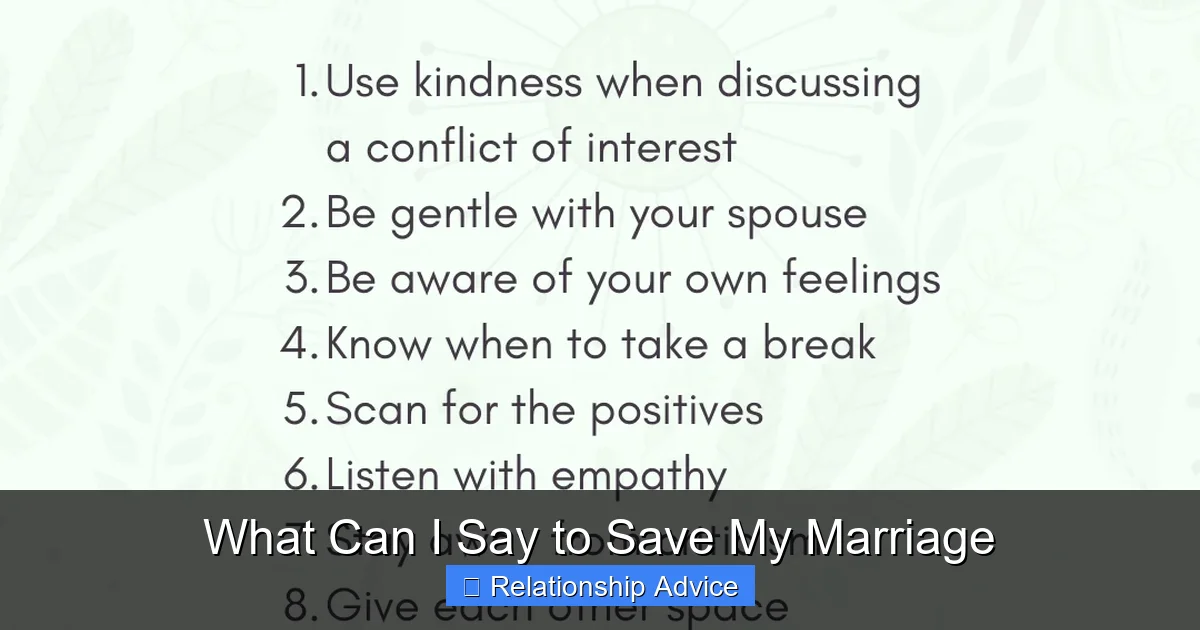
Visual guide about What Can I Say to Save My Marriage
Image source: choosingtherapy.com
Common Communication Pitfalls
One of the biggest issues is the use of blame language. Instead of saying, “I felt lonely when you worked late,” a partner might say, “You never spend time with me.” The first invites conversation; the second triggers defensiveness. Other common problems include:
- Stonewalling: Shutting down or walking away during arguments.
- Criticism: Attacking your partner’s character instead of addressing a specific behavior.
- Defensiveness: Making excuses instead of listening.
- Contempt: Sarcasm, eye-rolling, or mocking—signs of deep disrespect.
These patterns don’t happen overnight. They grow from years of unmet needs, unspoken feelings, and unresolved conflicts. But recognizing them is the first step toward change. When you understand how communication breaks down, you can begin to repair it—one conversation at a time.
The Emotional Impact of Poor Communication
When couples stop communicating well, they don’t just argue more—they feel more alone. Emotional distance grows. Intimacy fades. One partner might feel unheard; the other might feel attacked. Over time, this creates a cycle of withdrawal and frustration. You start to believe your partner doesn’t care. But often, they do care—they just don’t know how to show it.
This is why asking “What can I say to save my marriage?” is so important. It shows you’re willing to take responsibility. You’re not waiting for your spouse to change. You’re stepping up. And that’s powerful.
How to Start the Conversation: What to Say When You’re Ready to Save Your Marriage
So, how do you begin? The first step is choosing the right moment. Don’t bring up deep issues in the middle of an argument or when one of you is exhausted. Instead, pick a calm time—maybe after dinner or during a quiet weekend morning. Say something simple but meaningful: “Can we talk? I’ve been thinking about us, and I want to share how I’m feeling.”
Visual guide about What Can I Say to Save My Marriage
Image source: image.slidesharecdn.com
Use “I” Statements to Express Your Feelings
One of the most effective tools in saving your marriage is the “I” statement. Instead of blaming, focus on your own emotions. For example:
- ❌ “You never listen to me.”
- ✅ “I feel unheard when I’m talking and you’re on your phone.”
This small shift changes everything. It removes the attack and opens the door for empathy. Your partner is more likely to respond with curiosity than defensiveness. Try these examples:
- “I miss the way we used to laugh together. I’d love to reconnect.”
- “I feel sad when we go days without really talking. I want us to feel close again.”
- “I’ve been feeling stressed lately, and I realize I’ve been short with you. I’m sorry.”
Be Honest—But Kind
Honesty is essential, but it must be wrapped in kindness. You can say hard truths without being harsh. For example, instead of saying, “You’re so selfish,” try: “I’ve been feeling like my needs aren’t being considered. Can we talk about how we can support each other better?”
Remember: your goal isn’t to win an argument. It’s to rebuild connection. Speak from your heart, not your anger.
Ask Open-Ended Questions
After sharing your feelings, invite your partner into the conversation. Ask questions that encourage them to open up:
- “How have you been feeling about us lately?”
- “Is there something I’ve done that’s hurt you?”
- “What do you need from me right now?”
These questions show you care about their perspective. They create space for mutual understanding—not just one-sided venting.
What to Say When You’re Apologizing: Healing Through Accountability
Apologies are often the hardest words to say—but they might be the most healing. A sincere apology can mend trust, ease pain, and open the door to forgiveness. But not all apologies are equal. Some make things worse.
Visual guide about What Can I Say to Save My Marriage
Image source: imgv2-1-f.scribdassets.com
The Difference Between a Real Apology and a Hollow One
A weak apology sounds like this: “I’m sorry you felt that way.” This shifts blame and invalidates your partner’s feelings. It says, “Your emotions are the problem, not my actions.”
A strong apology takes ownership. It looks like this: “I’m sorry I raised my voice during our argument. That was unfair, and I know it hurt you. I take responsibility.”
Notice the difference? The strong apology:
- Names the specific behavior
- Takes full responsibility (no “but” clauses)
- Shows empathy for the impact
- Offers a commitment to change
How to Apologize Effectively
Follow this simple framework:
- Acknowledge what you did: “I know I canceled our date night without telling you.”
- Express regret: “I’m truly sorry. That was inconsiderate.”
- Explain (briefly): “I was overwhelmed with work, but that’s no excuse.”
- Make amends: “Can we reschedule for this weekend? I’d love to make it up to you.”
- Commit to change: “I’ll communicate better next time.”
Example: “I’m sorry I forgot our anniversary. I know how much it means to you, and I feel terrible for letting it slip. I was distracted with the kids’ schedules, but that’s not an excuse. I want to celebrate us properly—can we plan something special this weekend? I promise I’ll be more mindful moving forward.”
This kind of apology rebuilds trust. It shows you care enough to reflect, apologize, and act differently.
What to Say to Rebuild Trust and Intimacy
Trust is the foundation of any strong marriage. When it’s broken—whether by infidelity, lies, or repeated neglect—it takes time and consistent effort to rebuild. Words alone won’t fix it overnight, but they are the first step.
Expressing Commitment and Reassurance
If trust has been damaged, your partner may need reassurance. Say things like:
- “I’m committed to us. I’m not going anywhere.”
- “I know I messed up, but I’m working every day to earn back your trust.”
- “You’re still the most important person in my life.”
These statements aren’t just comforting—they’re promises. And promises mean something when backed by action.
Rebuilding Emotional Intimacy Through Daily Words
Intimacy isn’t just physical. It’s emotional. And it grows through small, consistent moments of connection. Try saying:
- “I love you” — even when you’re tired or stressed.
- “Thank you for making dinner” — appreciation goes a long way.
- “I’m proud of you” — acknowledge their efforts and achievements.
- “I’m here for you” — offer support during tough times.
These aren’t grand declarations. They’re everyday affirmations that say, “I see you. I value you. I’m with you.”
Creating Rituals of Connection
Pair your words with actions. Start a nightly ritual where you ask each other: “What was the best part of your day?” Or share one thing you’re grateful for about your partner. These small habits rebuild closeness over time.
Example: “Every night before bed, we spend ten minutes talking about our day. No phones. No distractions. Just us. It’s become our favorite part of the day.”
What to Say When Your Partner Isn’t Responding
Sometimes, despite your best efforts, your partner may shut down, get angry, or refuse to engage. This doesn’t mean your words failed. It means they’re hurting—and healing takes time.
How to Respond When They’re Withdrawn
If your partner pulls away, don’t push. Instead, say: “I understand you might not be ready to talk. I’m here whenever you are. I love you, and I want us to be okay.”
This gives them space without abandoning them. It shows you respect their boundaries while staying emotionally available.
When to Seek Help Together
If conversations keep turning into arguments, or if one of you refuses to engage at all, it may be time to seek professional help. Say: “I think we could benefit from talking to a counselor. I’m not giving up on us—I want us to get the support we need.”
Couples therapy isn’t a last resort. It’s a tool—like going to the gym for your relationship. A therapist can help you communicate better, understand each other’s needs, and rebuild trust in a safe environment.
What to Say to Prevent Future Conflicts
Saving your marriage isn’t just about fixing the past—it’s about building a stronger future. That means creating habits that prevent misunderstandings before they start.
Set Communication Ground Rules
Agree on how you’ll handle disagreements. For example:
- “We won’t go to bed angry. We’ll talk it through, even if it’s late.”
- “We’ll take a 20-minute break if things get too heated.”
- “We’ll use ‘I’ statements and avoid name-calling.”
These rules create safety. They remind you both that the goal is connection, not victory.
Schedule Regular Check-Ins
Once a week, set aside 30 minutes to talk about your relationship. Ask:
- “How are we doing as a couple?”
- “Is there anything bothering you that we haven’t talked about?”
- “What’s one thing I can do better this week?”
These check-ins prevent small issues from becoming big ones. They show you’re invested in ongoing growth.
Conclusion: Your Words Can Save Your Marriage
So, what can you say to save your marriage? The answer isn’t a single magic sentence. It’s a commitment to speak with honesty, listen with empathy, and act with love—every single day. It’s choosing kindness over criticism, accountability over blame, and connection over convenience.
Your marriage may be struggling, but it’s not too late. With the right words and consistent effort, you can rebuild trust, reignite intimacy, and create a relationship that’s stronger than before. Start small. Say “I love you.” Say “I’m sorry.” Say “I hear you.” These words may seem simple, but they carry the power to heal, to restore, and to save.
Remember: you don’t have to be perfect. You just have to be willing. Willing to talk. Willing to listen. Willing to try. Because love isn’t just a feeling—it’s a choice. And every word you speak is a chance to choose your marriage, again and again.
Frequently Asked Questions
What if my spouse doesn’t want to talk?
It’s common for one partner to withdraw when emotions run high. Give them space, but stay emotionally available. Say, “I’m here when you’re ready,” and continue showing love through actions—small gestures can speak louder than words.
How long does it take to save a marriage?
There’s no set timeline. Some couples see improvement in weeks; others take months or years. What matters most is consistent effort, patience, and willingness to grow together. Progress, not perfection, is the goal.
Can one person really save a marriage?
While both partners need to participate for long-term success, one person can initiate change. Your words and actions can inspire your spouse to engage, especially when they see your sincerity and commitment.
What if we’ve tried talking before and it didn’t work?
Past attempts may have failed due to timing, tone, or unresolved emotions. Try again with new tools—like “I” statements, active listening, or couples therapy. Sometimes a fresh approach makes all the difference.
Is it too late if we’re already separated?
Not necessarily. Many couples reconcile after separation, especially when both are willing to reflect, communicate, and seek help. It takes courage and honesty, but healing is possible at any stage.
Should I avoid certain topics to prevent arguments?
Avoiding important issues can lead to resentment. Instead, learn to discuss sensitive topics calmly and respectfully. Use ground rules, take breaks when needed, and focus on understanding—not winning.