

Words have the power to heal, inspire, and connect. Knowing what to say to your partner—and when to say it—can transform your relationship from good to extraordinary. This guide shares meaningful, practical phrases and emotional insights to help you communicate with love, honesty, and intention.
Key Takeaways
- Express appreciation daily: Simple “thank yous” and acknowledgments build gratitude and reinforce positive behavior in your relationship.
- Use “I” statements during conflict: Saying “I feel…” instead of “You always…” reduces defensiveness and opens the door to healthy dialogue.
- Validate emotions, even when you disagree: Phrases like “I understand why you’d feel that way” show empathy and emotional support.
- Speak love in their language: Tailor your words to match your partner’s love language—whether it’s words of affirmation, acts of service, or quality time.
- Be honest but kind: Truth matters, but delivery matters more—frame difficult conversations with care and respect.
- Say “I’m sorry” sincerely: A genuine apology can repair trust and show accountability, especially after misunderstandings.
- Dream together out loud: Sharing hopes and goals strengthens emotional intimacy and aligns your visions for the future.
📑 Table of Contents
Why Words Matter in a Relationship
You’ve probably heard the saying, “Sticks and stones may break my bones, but words will never hurt me.” But let’s be honest—that’s not true. Words *do* hurt. And they also heal. In a romantic relationship, the things you say to your partner shape the emotional climate of your connection. They can spark joy, ease tension, or unintentionally cause distance.
Think about it: when was the last time your partner said something that made your heart swell? Maybe it was a simple “I love you,” or a quiet “I’m proud of you.” Those moments stick with us. On the flip side, harsh words during an argument can linger long after the fight is over. That’s because language isn’t just about communication—it’s about emotional safety.
In healthy relationships, partners use words to build each other up. They express needs, share feelings, and create a sense of belonging. But many couples fall into patterns of assumption, silence, or criticism. They stop saying the little things that once felt automatic—“You look beautiful today,” or “I missed you.” Over time, those omissions can erode intimacy.
The good news? It’s never too late to start. With a little awareness and intention, you can transform your conversations. This guide will walk you through the most meaningful things to say to your partner—phrases that nurture trust, deepen connection, and keep love alive.
Words That Build Trust and Security
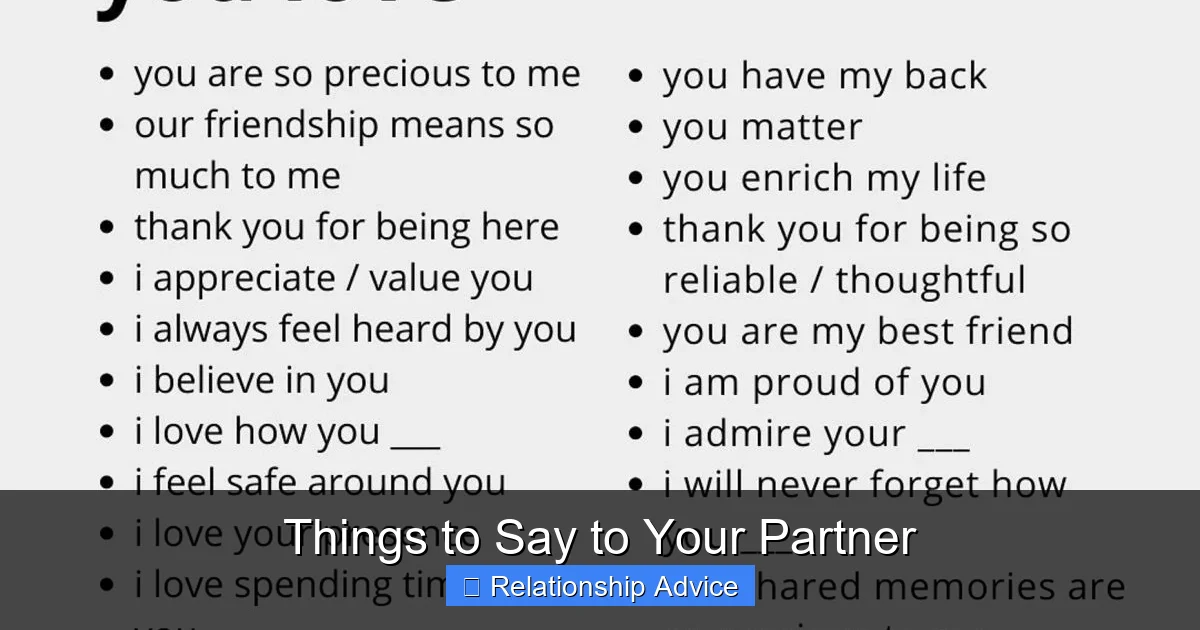
Visual guide about Things to Say to Your Partner
Image source: i.pinimg.com
Trust is the foundation of any strong relationship. And while actions matter, words play a crucial role in reinforcing that trust. When you say things that validate your partner’s feelings, acknowledge their efforts, and express commitment, you’re building emotional safety.
“I trust you.”
This simple phrase carries immense weight. It tells your partner they’re reliable, honest, and worthy of confidence. Say it after they’ve kept a promise, handled a tough situation well, or simply when you want to reaffirm your faith in them. For example:
> “I really appreciate how you handled that meeting today. I trust you completely.”
“I’m here for you.”
During tough times—whether it’s a bad day at work, family stress, or personal doubt—your presence matters more than solutions. Saying “I’m here for you” lets your partner know they’re not alone. It’s not about fixing the problem; it’s about offering emotional support.
Try pairing it with action:
> “I know you’re overwhelmed. I’m here for you—want to talk, or would you rather just sit together?”
“I believe in you.”
Everyone needs encouragement, especially from the person they love most. Whether your partner is starting a new job, pursuing a passion, or facing a challenge, these words can be a powerful motivator.
Example:
> “I know this project is scary, but I believe in you. You’ve got this.”
These phrases don’t require grand gestures. They’re small, consistent reminders that you’re a team. And over time, they create a relationship where both partners feel seen, supported, and secure.
Phrases That Strengthen Emotional Intimacy

Visual guide about Things to Say to Your Partner
Image source: galtelligence.com
Emotional intimacy grows when partners feel safe sharing their inner world. That means being vulnerable, listening deeply, and responding with empathy. The right words can open doors to deeper conversations and stronger bonds.
“How are you *really* feeling?”
We often ask “How was your day?” and accept a surface-level answer like “Fine” or “Busy.” But to build intimacy, go deeper. Ask with genuine curiosity:
> “You seemed quiet tonight. How are you *really* feeling?”
This shows you’re paying attention and care about their emotional state—not just the facts.
“I love the way you…”
Compliments are powerful, but generic ones like “You’re amazing” can feel hollow. Be specific. Notice the little things—their laugh, the way they care for others, how they handle stress.
Try:
> “I love the way you always listen without interrupting. It makes me feel heard.”
> “I love how you remember the little details I mention. It shows you care.”
These observations show you’re truly paying attention.
“I miss you.”
Even in long-term relationships, saying “I miss you” keeps the spark alive. It’s not just for when you’re apart—it can be said after a long day, during a busy week, or when you’ve been distracted.
Example:
> “We’ve both been swamped, but I miss you. Can we have dinner together tonight—just us?”
This phrase acknowledges distance and invites reconnection.
“Tell me more.”
When your partner shares something personal—a dream, a fear, a memory—respond with interest. Instead of jumping in with advice or changing the subject, lean in.
Say:
> “That sounds important to you. Tell me more.”
This encourages openness and shows you value their inner world.
Emotional intimacy isn’t built in grand declarations—it’s built in quiet moments of connection. These phrases create space for vulnerability and deepen your emotional bond.
What to Say During Conflict (Without Making It Worse)

Visual guide about Things to Say to Your Partner
Image source: therandomvibez.com
Arguments are normal. But how you talk during conflict determines whether you grow closer or drift apart. The goal isn’t to win—it’s to understand and resolve.
“I feel…” instead of “You always…”
Blame triggers defensiveness. Instead, use “I” statements to express your emotions without attacking.
Instead of:
> “You never help with the dishes!”
Try:
> “I feel overwhelmed when I’m doing all the dishes alone. I’d love it if we could split the chores more evenly.”
This focuses on your experience, not their failure.
“I hear you.”
Even if you disagree, acknowledging your partner’s perspective builds respect. Say:
> “I hear that you’re frustrated because you felt ignored. That makes sense.”
This doesn’t mean you agree—it means you’re listening.
“Can we take a break and come back to this?”
When emotions run high, pause. Say:
> “I care about this conversation, but I’m getting too upset to talk clearly. Can we take 20 minutes and come back?”
This prevents escalation and shows maturity.
“I’m sorry I hurt you.”
Apologizing isn’t about admitting you’re 100% wrong—it’s about acknowledging the impact of your words or actions.
Example:
> “I’m sorry I snapped earlier. That wasn’t fair, and I know it hurt you.”
A sincere apology rebuilds trust and opens the door to repair.
Conflict doesn’t have to damage your relationship. With the right words, it can become a tool for growth.
Daily Affirmations That Keep Love Alive
Love isn’t just grand gestures—it’s in the everyday moments. Small, consistent affirmations keep your connection strong and remind your partner they’re valued.
“Thank you for…”
Gratitude is one of the most powerful things to say to your partner. It doesn’t have to be for big things—acknowledge the little efforts.
Examples:
> “Thank you for making coffee this morning. It really started my day right.”
> “Thank you for picking up the kids. I know how tired you were.”
Gratitude reinforces positive behavior and makes your partner feel appreciated.
“You look beautiful/handsome.”
Physical attraction evolves, but compliments keep the spark alive. Be sincere—notice their smile, their style, or how they carry themselves.
Try:
> “I love your laugh. It makes me happy just to hear it.”
> “You looked so confident in that meeting today. I’m proud of you.”
These affirmations boost confidence and deepen attraction.
“I love you.”
Never underestimate the power of these three words. Say them often—not just in moments of passion, but in quiet moments too.
Example:
> “I love you. Even on days when we’re both tired and quiet, I love you.”
Regular affirmations create a culture of love and security.
“I’m grateful we’re in this together.”
Life gets busy. Remind your partner you’re a team.
Say:
> “Work’s been crazy, but I’m grateful we’re in this together. We’ve got each other’s backs.”
This builds unity and resilience.
Daily affirmations are simple, but their impact is profound. They keep love visible and alive.
Words for Tough Conversations and Growth
Some talks are harder than others—breakups, finances, family issues, or personal struggles. But avoiding them only creates distance. The right words can help you navigate these moments with care.
“I need to talk about something important.”
Start difficult conversations with intention. This phrase signals respect and prepares your partner for a meaningful discussion.
Example:
> “I need to talk about something important. It’s about our budget. Can we set aside time tonight?”
This reduces anxiety and shows you value their input.
“I want us to grow together.”
When discussing changes—career moves, parenting styles, or personal goals—frame it as a shared journey.
Say:
> “I’ve been thinking about my career. I want us to grow together. Can we talk about what that might look like?”
This invites collaboration, not conflict.
“I’m struggling with…”
Vulnerability builds trust. If you’re dealing with anxiety, stress, or self-doubt, share it.
Example:
> “I’m struggling with feeling overwhelmed lately. I don’t want to shut you out—I just need your support.”
This opens the door to empathy and connection.
“What do you need from me right now?”
During hard times, ask directly. Your partner may not know how to ask for help.
Say:
> “I know you’re going through a lot. What do you need from me right now? A hug? Space? Someone to listen?”
This empowers them to express their needs.
Tough conversations are easier when you approach them with love, honesty, and a willingness to listen.
How to Make Your Words Count
It’s not just *what* you say—it’s *how* you say it. Tone, timing, and sincerity matter as much as the words themselves.
Be present when you speak.
Put your phone down. Make eye contact. Listen fully. Your attention shows your words are important.
Match your words to your actions.
If you say “I’m here for you,” follow through. If you promise to help, do it. Consistency builds trust.
Use your partner’s love language.
If they value words of affirmation, speak often. If they prefer acts of service, pair your words with actions.
Be honest, but kind.
Truth matters, but so does compassion. Frame feedback gently:
> “I love how much you care about your friends. I’d also love it if we had more one-on-one time.”
Say it even when it’s hard.
Love means speaking up—whether it’s a compliment, a concern, or an apology. Silence can feel like indifference.
Words are tools. Use them wisely, and they’ll strengthen your relationship in ways you never imagined.
Conclusion
The things to say to your partner aren’t complicated—they’re heartfelt. From daily affirmations to tough conversations, your words shape the emotional landscape of your relationship. They can heal wounds, spark joy, and build a lifetime of connection.
You don’t need poetry or grand speeches. You need honesty, empathy, and the courage to speak from the heart. Say “I love you” often. Say “thank you” sincerely. Say “I’m sorry” when you’re wrong. And say “I’m here” when it matters most.
Love grows in the space between words. So fill that space with kindness, respect, and truth. Because the right words, spoken at the right time, can change everything.
Frequently Asked Questions
What if my partner doesn’t respond well to words?
Some people express love through actions more than words. If your partner is less verbal, focus on matching their love language—like acts of service or quality time—while still using affirming words when appropriate.
How often should I say “I love you”?
There’s no rule, but saying “I love you” regularly—daily or multiple times a week—helps maintain emotional connection. Make it genuine, not robotic.
Is it okay to disagree with my partner’s feelings?
Yes, but validate them first. You can say, “I see why you’d feel that way, even if I see it differently.” This shows respect without agreeing.
What if I forget to say nice things?
It happens! Start small—pick one phrase a day, like “thank you” or “you looked great today.” Consistency builds habit.
Can words fix a broken relationship?
Words alone can’t fix everything, but they’re a crucial part of healing. Combined with actions, therapy, and effort, they can rebuild trust and connection.
Should I say things I don’t really mean?
No. Sincerity matters. If you’re not feeling it, focus on small truths—“I appreciate you” or “I’m glad we’re talking”—instead of forcing grand declarations.