
Moving on from a toxic relationship is one of the hardest things you’ll ever do—but it’s also one of the most empowering. This guide walks you through proven steps to heal, reclaim your self-worth, and build a healthier future.
Key Takeaways
- Acknowledge the toxicity: Recognizing that your relationship was harmful is the first step toward healing and moving forward.
- Cut off contact: Limiting or eliminating communication helps break emotional dependency and prevents further manipulation.
- Seek support: Friends, family, or therapists provide validation, perspective, and emotional safety during recovery.
- Rebuild self-esteem: Toxic relationships erode confidence—focus on self-care, affirmations, and personal growth to restore it.
- Practice forgiveness—for yourself: Letting go of guilt and shame allows you to release the past without excusing the other person’s behavior.
- Set healthy boundaries: Learning to say no and protect your energy is essential for future relationships and personal well-being.
- Embrace new beginnings: Rediscover your passions, set new goals, and open yourself to love—on your terms.
📑 Table of Contents
Steps for Moving on from a Toxic Relationship
Ending a toxic relationship feels like waking up from a long, confusing dream. One moment, you’re tangled in cycles of blame, guilt, and false promises; the next, you’re standing alone, wondering how you got there—and how to move forward. If you’ve recently left—or are thinking about leaving—a relationship that drained your energy, undermined your confidence, or made you feel small, know this: you’re not broken. You’re brave. And healing is not only possible—it’s necessary.
Moving on from a toxic relationship isn’t just about walking away. It’s about reclaiming your sense of self, rebuilding your emotional foundation, and learning to trust again—starting with yourself. The journey isn’t linear. Some days will feel like progress; others, like setbacks. But every step you take toward clarity, peace, and self-respect matters. This guide walks you through practical, compassionate steps for moving on from a toxic relationship—so you can heal deeply and live fully.
Step 1: Acknowledge the Toxicity
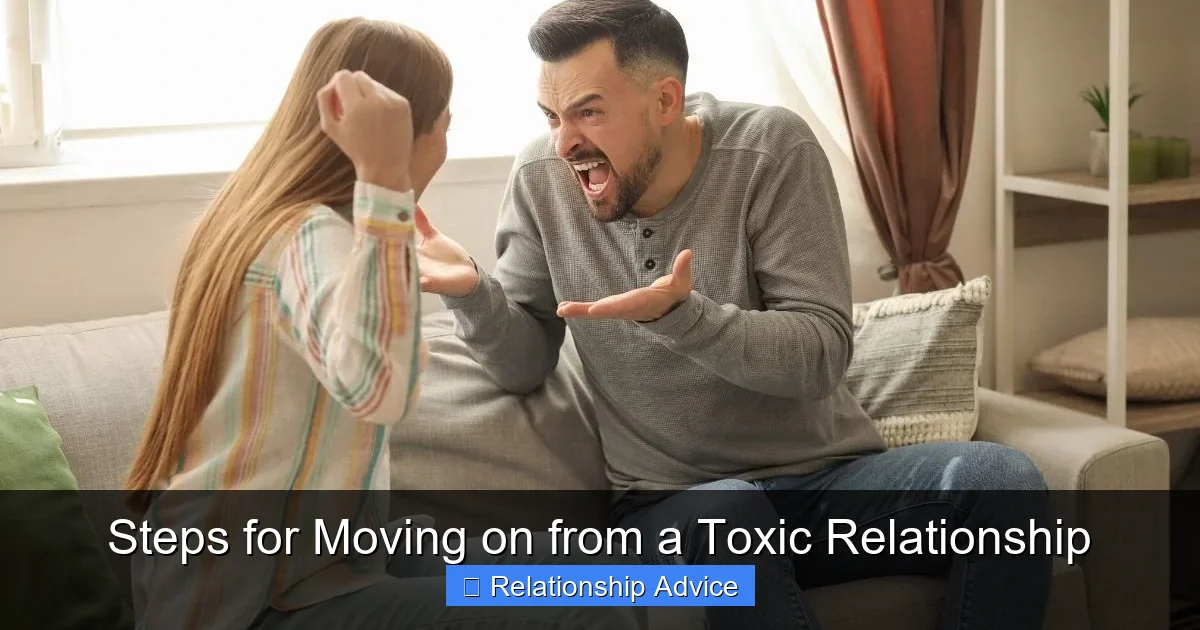
The first and most crucial step in moving on from a toxic relationship is acknowledging that it was, in fact, toxic. Denial is a powerful force—especially when love, history, or fear clouds your judgment. You might tell yourself, “They didn’t mean it,” or “It wasn’t that bad,” or “I’m overreacting.” But if you’ve felt consistently anxious, criticized, controlled, or emotionally drained, your instincts are likely right.
Visual guide about Steps for Moving on from a Toxic Relationship
Image source: realestlove.com
What Makes a Relationship Toxic?
A toxic relationship isn’t defined by occasional arguments or flaws. It’s marked by patterns of behavior that erode your well-being over time. Common signs include:
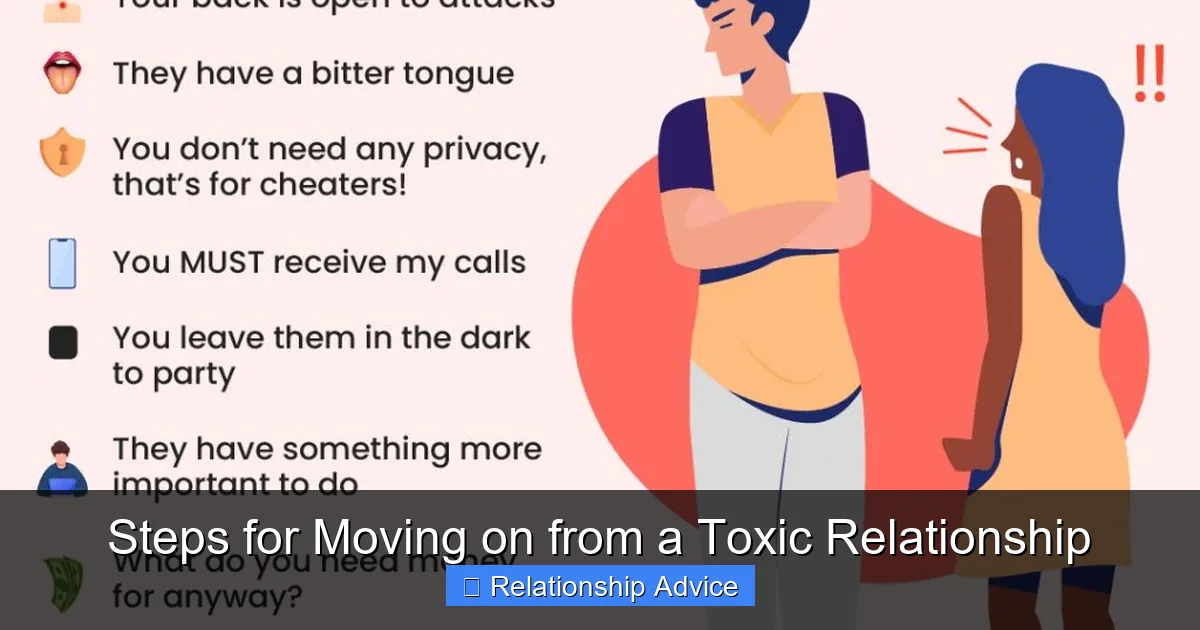
- Constant criticism or belittling: Your partner frequently mocks your opinions, appearance, or choices.
- Manipulation and guilt-tripping: They use emotional blackmail to get their way (“If you loved me, you’d do this”).
- Lack of accountability: They never take responsibility for their actions and blame you instead.
- Isolation: They discourage you from seeing friends or family, making you dependent on them.
- Unpredictable moods or hot-and-cold behavior: One day they’re loving; the next, cold and distant—keeping you off-balance.
- Disrespect for boundaries: They ignore your needs, invade your privacy, or pressure you into things you’re uncomfortable with.
Recognizing these patterns isn’t about labeling your ex as “evil.” It’s about seeing the relationship clearly—so you can stop making excuses and start prioritizing your mental health.
Why Acknowledgment Is Hard—But Essential
Many people stay in toxic relationships because they confuse love with familiarity. You might miss the good moments—the laughter, the intimacy, the sense of belonging. But those moments don’t outweigh the harm if they’re followed by emotional whiplash. Acknowledging the toxicity means accepting that the relationship was unbalanced, even if it wasn’t all bad.
Try this: Write down specific examples of hurtful behaviors. Be honest. Did they yell at you in public? Lie about where they were? Threaten to leave if you didn’t comply? Seeing it in writing can help you separate emotion from fact and validate your experience.
Example: Sarah’s Realization
Sarah stayed with her partner for three years, even though he often dismissed her feelings and made jokes about her anxiety. “He said I was too sensitive,” she recalls. “But when I wrote down how I felt after our fights—worthless, anxious, scared to speak up—I realized I wasn’t the problem. The relationship was.” That moment of clarity gave her the strength to leave.
Acknowledgment isn’t about blame. It’s about truth. And truth is the foundation of healing.
Step 2: Cut Off Contact (Or Limit It Drastically)
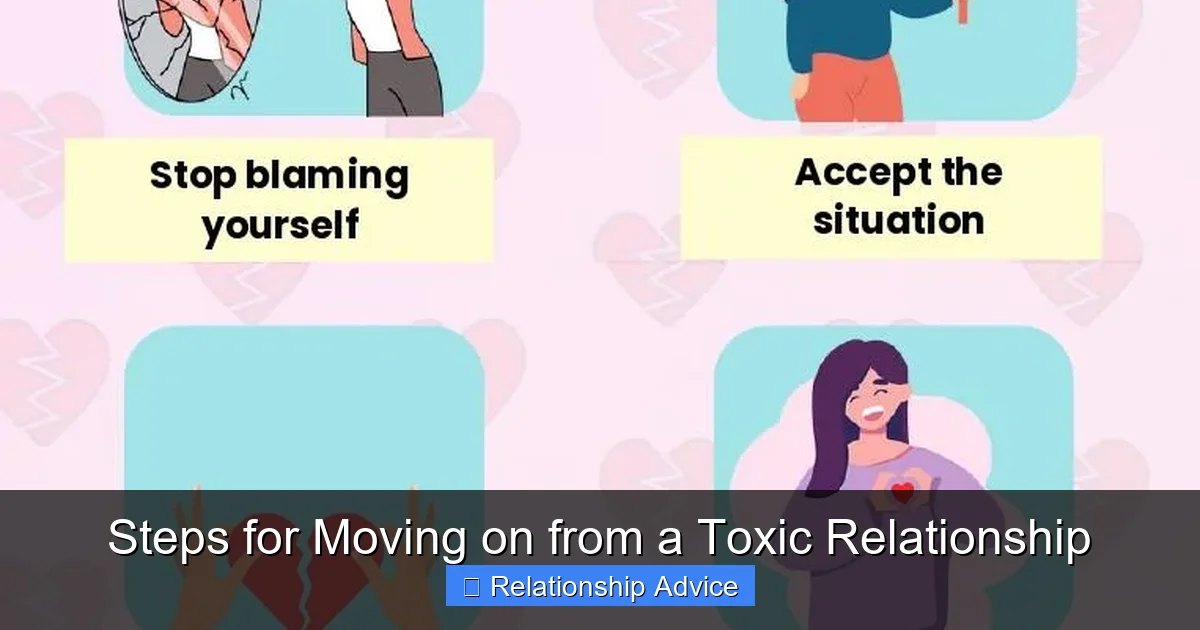
Once you’ve acknowledged the toxicity, the next step is creating distance. This means cutting off contact—or at the very least, minimizing it to protect your emotional well-being. Staying in touch, even as “friends,” can reopen wounds, trigger old patterns, and delay healing.
Visual guide about Steps for Moving on from a Toxic Relationship
Image source: cdn2.momjunction.com
Why No Contact Works
No contact isn’t about punishment. It’s about protection. When you’re healing from a toxic relationship, your nervous system is already on high alert. Every text, call, or social media update can send you spiraling back into anxiety, hope, or self-doubt. No contact gives your brain space to reset.
Think of it like a broken bone: You wouldn’t keep poking it while it’s healing. Similarly, you need time away from the person who caused the emotional injury.
Practical Tips for Implementing No Contact
- Block their number and social media: Out of sight, out of mind. Muting isn’t enough—blocking removes temptation.
- Delete old messages and photos: These can trigger painful memories. Archive them if you must, but keep them out of daily reach.
- Avoid mutual friends (temporarily): If you share a social circle, take a break from group gatherings to avoid accidental run-ins.
- Change your routine: If you used to meet at a certain coffee shop or walk the same route, switch it up to avoid reminders.
- Prepare for pushback: Toxic partners often respond to no contact with guilt trips, love bombing, or threats. Stay firm. Your peace is non-negotiable.
What If You Have to Stay in Contact?
In some cases—like co-parenting or shared work—complete no contact isn’t possible. In those situations, set strict boundaries:
- Communicate only about necessary topics (e.g., child schedules, bills).
- Keep messages brief, polite, and emotion-free.
- Use email or text instead of calls to maintain control.
- Limit interactions to specific times and stick to them.
Remember: Boundaries aren’t cruel. They’re kind—to yourself.
Example: James’s Boundary Success
James had to co-parent with his ex, who often used their daughter as a messenger to send guilt-tripping notes. He started responding only via email, keeping messages short and focused on logistics. “It took a few weeks,” he says, “but she stopped the emotional manipulation. I finally felt in control.”
Cutting off contact isn’t forever. But it’s essential right now—so you can heal without interference.
Step 3: Seek Support
Healing from a toxic relationship is not a solo mission. You need people who believe you, support you, and remind you of your worth. Isolation is a tool of toxicity—so reconnecting with others is an act of rebellion and self-love.
Visual guide about Steps for Moving on from a Toxic Relationship
Image source: thepleasantrelationship.com
Who to Turn To
- Trusted friends and family: Choose people who listen without judgment and validate your feelings.
- Therapists or counselors: A mental health professional can help you process trauma, rebuild self-esteem, and recognize red flags.
- Support groups: Online or in-person groups for survivors of toxic relationships offer community and shared wisdom.
- Hotlines and crisis resources: If you’re struggling with anxiety, depression, or thoughts of self-harm, reach out to a helpline (like the National Domestic Violence Hotline or Crisis Text Line).
Why Support Matters
Toxic relationships often leave you doubting your reality. Your partner may have gaslit you, making you feel “crazy” for noticing their behavior. Supportive people help you re-ground in truth. They say, “That wasn’t okay,” and “You deserve better,” when you can’t believe it yourself.
How to Ask for Help
It’s okay to be vulnerable. Try saying:
- “I’m going through a tough breakup and could use someone to listen.”
- “I’m trying to heal from a toxic relationship. Can I talk to you about it?”
- “I don’t need advice—just someone to hear me out.”
You don’t have to have it all together. Healing begins when you let others in.
Example: Maria’s Turning Point
After her breakup, Maria felt ashamed and alone. She finally called her sister and said, “I think I was in a toxic relationship, and I don’t know how to move on.” Her sister listened, cried with her, and helped her find a therapist. “That call saved me,” Maria says. “I realized I wasn’t weak for needing help.”
You are not alone. And you don’t have to do this alone.
Step 4: Rebuild Your Self-Esteem
Toxic relationships chip away at your self-worth. You may have started believing you were “too much,” “not enough,” or “hard to love.” Rebuilding your self-esteem is one of the most important steps for moving on from a toxic relationship—because you can’t build a healthy future on a foundation of self-doubt.
Start with Self-Compassion
Be kind to yourself. Healing isn’t about perfection—it’s about progress. Speak to yourself like you would to a close friend. Instead of “I should’ve left sooner,” try “I did the best I could with what I knew.”
Practical Ways to Rebuild Confidence
- Keep a gratitude journal: Write down three things you’re grateful for each day—even small ones (“I made my bed,” “I smiled at a stranger”).
- Practice daily affirmations: Say things like, “I am worthy of love,” “I am strong,” or “I choose peace.”
- Engage in self-care: Take baths, go for walks, cook nourishing meals, or do anything that makes you feel good in your body.
- Rediscover your passions: Reconnect with hobbies you loved before the relationship—or try new ones.
- Celebrate small wins: Finished a workout? Spoke up for yourself? That’s progress. Acknowledge it.
Challenge Negative Self-Talk
When you catch yourself thinking, “I’ll never find love again” or “I’m damaged,” pause. Ask: “Is this true? Would I say this to a friend?” Replace it with a kinder, more realistic thought: “Healing takes time,” or “I’m learning and growing.”
Example: David’s Confidence Journey
David used to believe he was “boring” because his ex constantly compared him to others. After the breakup, he started taking photography classes—something he’d always wanted to try. “I posted my photos online, and people loved them,” he says. “For the first time in years, I felt proud of myself.”
Your worth isn’t defined by someone else’s opinion. It’s inherent. And it’s time to remember that.
Step 5: Practice Forgiveness—For Yourself
Forgiveness is often misunderstood. It doesn’t mean excusing abuse, forgetting what happened, or reconciling with your ex. It means releasing the hold the past has on you—so you can move forward with peace.
Forgive Yourself First
Many people blame themselves for staying too long, not seeing the signs, or “letting it happen.” But you stayed because you hoped for change, loved deeply, or feared being alone. That doesn’t make you weak—it makes you human.
Try this exercise: Write a letter to your past self. Acknowledge their pain, thank them for surviving, and offer compassion. Then, burn it or tear it up—symbolically releasing the guilt.
Forgiveness Is a Process
You don’t have to forgive overnight. Some days, anger will surface—and that’s okay. Anger is valid. But holding onto it long-term only hurts you. Forgiveness is about choosing freedom over resentment.
Example: Lena’s Release
Lena carried anger for two years after her breakup. She finally attended a forgiveness workshop and realized, “I’m not forgiving him for his sake. I’m forgiving him so I can stop carrying his pain.” She wrote a letter she never sent, then let it go. “I still remember what he did,” she says, “but it doesn’t control me anymore.”
Forgiveness isn’t weakness. It’s strength. And it’s yours to claim.
Step 6: Set Healthy Boundaries
One of the biggest lessons from a toxic relationship is the importance of boundaries. Moving on means learning to protect your energy, say no without guilt, and prioritize your needs.
What Are Healthy Boundaries?
Boundaries are limits you set to protect your physical, emotional, and mental well-being. They’re not walls—they’re guidelines for how you allow others to treat you.
How to Set Boundaries
- Be clear and direct: “I need some space right now,” or “I’m not comfortable discussing that.”
- Stay calm and firm: You don’t need to justify or over-explain.
- Enforce consequences: If someone crosses a boundary, follow through (e.g., end the conversation, leave the room).
- Practice saying no: Start small. “No, I can’t help with that today,” is enough.
Example: Aisha’s Boundary Win
Aisha’s friend kept asking for emotional support after her own breakup—even though Aisha was still healing. She finally said, “I care about you, but I’m not in a place to be your therapist right now.” Her friend was upset at first, but respected it. “I felt guilty,” Aisha says, “but I also felt proud. I was finally putting myself first.”
Boundaries aren’t selfish. They’re self-respect.
Step 7: Embrace New Beginnings
The final step in moving on from a toxic relationship is opening yourself to new possibilities. This doesn’t mean rushing into a new romance. It means rediscovering who you are—and who you want to become.
Rediscover Your Identity
Toxic relationships often erase your sense of self. You may have changed your opinions, hobbies, or goals to please your partner. Now’s the time to reconnect with your authentic self.
- What did you love doing as a kid?
- What values matter most to you?
- What kind of person do you want to be?
Set New Goals
Whether it’s career, travel, fitness, or personal growth, set goals that excite you. They don’t have to be big. “Read one book a month” or “Take a weekend trip alone” are powerful steps toward reclaiming your life.
Be Open to Love—When You’re Ready
You don’t have to rush into dating. But when you do, approach it with awareness. Ask yourself:
- Do I feel safe and respected?
- Can I be myself without fear?
- Are my boundaries honored?
Love should feel like freedom—not fear.
Example: Carlos’s Fresh Start
After his breakup, Carlos moved to a new city, started painting, and volunteered at an animal shelter. “I didn’t date for a year,” he says. “But when I did, I knew what I wanted. And I wasn’t afraid to walk away if it didn’t feel right.”
Your future is unwritten. And you get to write it.
Conclusion
Moving on from a toxic relationship is one of the most courageous journeys you can take. It’s not about forgetting the past—it’s about refusing to let it define your future. By acknowledging the toxicity, cutting off contact, seeking support, rebuilding your self-esteem, practicing forgiveness, setting boundaries, and embracing new beginnings, you reclaim your power and your peace.
Healing isn’t linear. Some days will be harder than others. But every step you take—no matter how small—brings you closer to a life filled with respect, joy, and authentic connection. You are not broken. You are becoming. And you deserve nothing less than love that lifts you up.
Frequently Asked Questions
How long does it take to move on from a toxic relationship?
Healing time varies for everyone. Some people feel better in a few months; others take a year or more. Focus on progress, not timelines. Be patient with yourself.
Is it okay to stay friends with my ex after a toxic relationship?
It’s rarely healthy immediately after a toxic relationship. Staying friends can reopen wounds and trigger old patterns. Wait until you’ve healed and can interact without emotional dependency.
What if I still love my ex?
Love and toxicity can coexist. Loving someone doesn’t mean staying in a harmful dynamic. True love respects your well-being. Letting go is an act of self-love.
How do I know if I’m ready to date again?
You’re ready when you feel emotionally stable, confident in your boundaries, and interested in someone new—not as a distraction, but as a genuine connection.
Can a toxic relationship ever become healthy?
It’s possible—but only if both people are committed to change, seek therapy, and take full accountability. Most toxic patterns repeat without deep, consistent effort.
What if I feel guilty for leaving?
Guilt is common, especially if your ex loved you in their own way. Remember: staying in a harmful relationship harms you both. Leaving is an act of courage, not betrayal.