
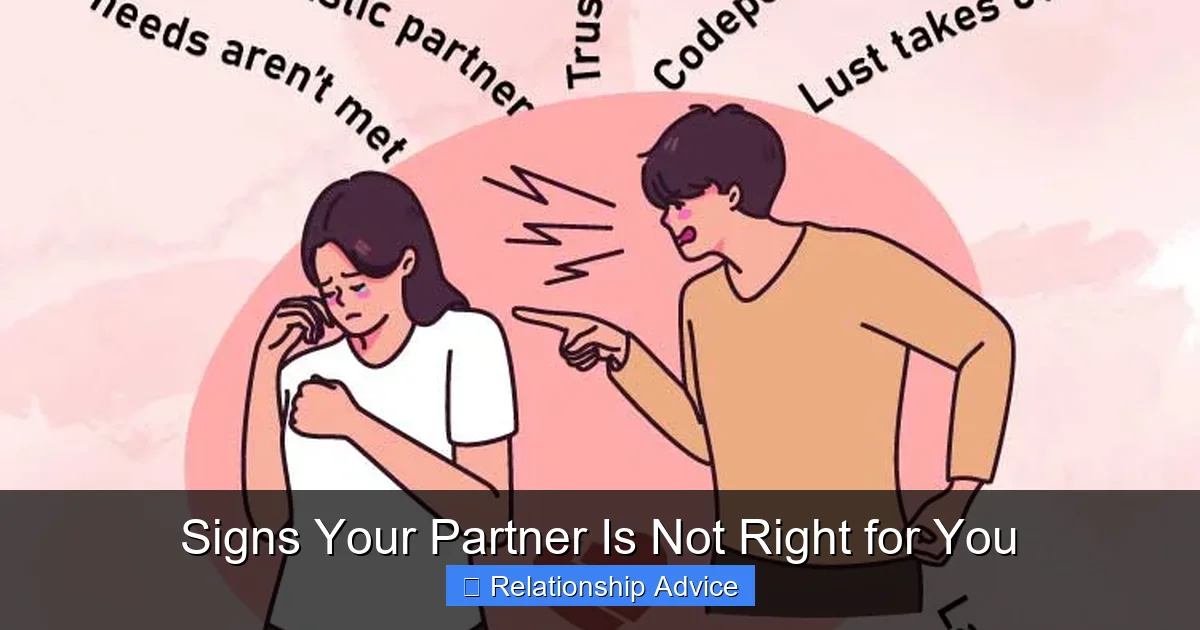
Recognizing the signs your partner is not right for you can save you years of emotional turmoil. This guide helps you spot red flags like poor communication, lack of trust, and incompatible values—so you can choose a healthier, happier future.
Key Takeaways
- Constant conflict and poor communication: Frequent arguments without resolution or emotional disconnection signal deeper incompatibility.
- Lack of trust and respect: Jealousy, secrecy, or dismissive behavior erodes the foundation of a healthy relationship.
- Different life goals and values: Mismatched visions for the future—like marriage, kids, or lifestyle—can lead to long-term dissatisfaction.
- Emotional or physical neglect: Feeling ignored, unappreciated, or unsafe is a major warning sign.
- You feel worse, not better: If your self-esteem declines or you constantly feel anxious, it’s time to reevaluate.
- No effort to grow or change: A partner who refuses to work on themselves or the relationship is unlikely to improve.
- You imagine life without them: Fantasizing about being single or with someone else often reveals deeper dissatisfaction.
📑 Table of Contents
- Introduction: Trust Your Gut—It Knows More Than You Think
- 1. You’re Always Arguing—and Nothing Ever Gets Resolved
- 2. There’s a Lack of Trust and Respect
- 3. Your Life Goals and Values Don’t Align
- 4. You Feel Emotionally or Physically Neglected
- 5. You Feel Worse About Yourself
- 6. There’s No Effort to Grow or Change
- Conclusion: You Deserve a Relationship That Feels Right
Introduction: Trust Your Gut—It Knows More Than You Think
You know that quiet voice in the back of your mind—the one that whispers, “Is this really it?” Maybe you’ve been dating your partner for a few months or several years, and something just feels… off. Not dramatic, not explosive, but a persistent sense that this relationship isn’t quite right. You love them, sure. But love alone isn’t enough to build a lasting, fulfilling partnership.
It’s normal to have doubts. Every relationship has its ups and downs. But when those doubts become constant companions—when you find yourself questioning your happiness, your future, or even your self-worth—it’s time to pause and reflect. Recognizing the signs your partner is not right for you isn’t about being picky or giving up too soon. It’s about self-respect, emotional honesty, and the courage to choose a life that truly aligns with your values and dreams.
This guide is here to help you navigate that tricky terrain. We’ll walk through the most common red flags, from communication breakdowns to mismatched life goals, and give you practical tools to assess your relationship with clarity—not fear. Because sometimes, the bravest thing you can do is walk away from what doesn’t serve you.
1. You’re Always Arguing—and Nothing Ever Gets Resolved
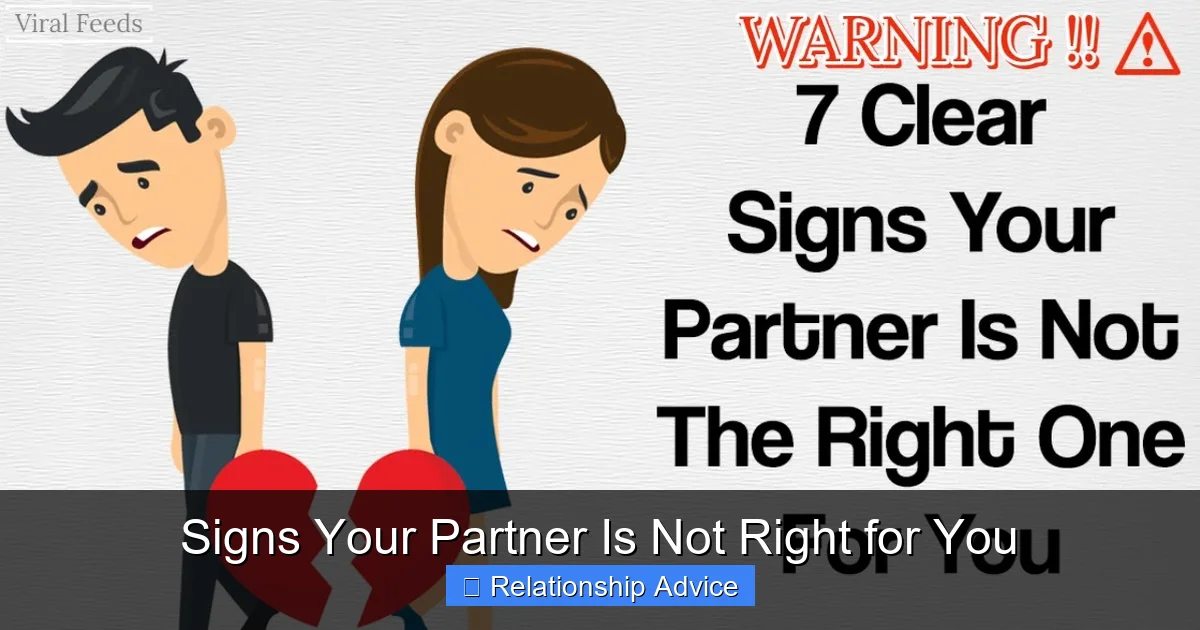
Disagreements are a natural part of any relationship. But if you’re constantly fighting—and never really solving anything—that’s a red flag. Healthy conflict leads to understanding, compromise, and growth. Unhealthy conflict just leaves you drained, resentful, and emotionally distant.
Visual guide about Signs Your Partner Is Not Right for You
Image source: 1.bp.blogspot.com
What Healthy Conflict Looks Like
In a strong relationship, arguments are opportunities to learn. You might disagree on finances, parenting styles, or how to spend your weekends, but you both listen, express your feelings calmly, and work toward a solution. Even if you don’t fully agree, you leave the conversation feeling heard and respected.
When Conflict Becomes a Problem
On the other hand, if your fights follow the same pattern—blame, defensiveness, silence, or escalation—you’re likely stuck in a destructive cycle. For example, maybe every time you bring up feeling lonely, your partner shuts down or accuses you of being “too needy.” Or perhaps you argue about the same issue month after month with no progress.
Another warning sign is when arguments turn personal. Name-calling, sarcasm, or bringing up past mistakes isn’t productive—it’s hurtful. And if your partner refuses to apologize or take responsibility, that’s a sign they’re not invested in repairing the relationship.
Ask Yourself These Questions
- Do we resolve conflicts, or do we just “agree to disagree” and move on without real understanding?
- Do I feel emotionally safe during disagreements?
- Does my partner listen to me, or do they interrupt, dismiss, or mock my feelings?
- Are we both willing to compromise, or is it always my way or theirs?
If you answered “no” to most of these, it might be time to consider whether this dynamic is sustainable—or healthy.
2. There’s a Lack of Trust and Respect
Trust and respect are the bedrock of any strong relationship. Without them, even the most passionate romance will eventually crumble. If you’re constantly questioning your partner’s honesty, feeling disrespected, or walking on eggshells, that’s a major sign something’s wrong.
Visual guide about Signs Your Partner Is Not Right for You
Image source: choosingtherapy.com
Trust Isn’t Just About Cheating
When we think of trust, we often jump to infidelity—but it goes much deeper. Trust means believing your partner has your best interests at heart. It means knowing they’ll follow through on promises, keep your confidences, and be honest—even when it’s hard.
Signs of broken trust include:
- Your partner lies about small things (like where they were or who they were with).
- They hide their phone or social media accounts.
- They get defensive when you ask simple questions.
- You catch them in repeated half-truths or omissions.
Even if they haven’t cheated, this behavior erodes emotional safety. You start to wonder: Can I really rely on this person? Do they respect me enough to be truthful?
Respect Goes Beyond Manners
Respect isn’t just about saying “please” and “thank you.” It’s about valuing each other’s opinions, boundaries, and individuality. A respectful partner listens without interrupting, supports your goals, and doesn’t belittle your dreams.
Red flags include:
- Mocking your interests or career ambitions.
- Dismissing your feelings as “dramatic” or “overreacting.”
- Making decisions without consulting you—especially about shared responsibilities.
- Rolling their eyes, sighing, or using sarcasm to shut you down.
For example, imagine you’re excited about a new job opportunity in another city. A respectful partner would ask questions, discuss the pros and cons, and support your decision—even if it’s hard for them. A disrespectful one might say, “You’re not actually moving, are you? That’s ridiculous,” and change the subject.
The Emotional Toll
Living without trust and respect is exhausting. You second-guess everything. You feel anxious when your partner is out late. You hesitate to share your thoughts, fearing judgment or backlash. Over time, this erodes your confidence and sense of self.
If you find yourself constantly justifying your partner’s behavior (“They’re just stressed,” “They didn’t mean it that way”), it’s worth asking: Am I protecting the relationship—or protecting myself from the truth?
3. Your Life Goals and Values Don’t Align
You can love someone deeply and still be fundamentally incompatible. That’s why shared values and aligned life goals are so crucial. If you want kids and your partner doesn’t, or you dream of traveling the world while they crave a quiet suburban life, you’re setting yourselves up for long-term disappointment.
Visual guide about Signs Your Partner Is Not Right for You
Image source: i.pinimg.com
Values Shape Everything
Values are your core beliefs—about family, money, religion, career, and personal growth. They influence how you live, what you prioritize, and how you handle challenges. When partners have wildly different values, even small decisions can become major sources of tension.
For instance:
- One partner values financial security and wants to save aggressively; the other loves spontaneous trips and luxury purchases.
- One is deeply religious and wants to raise children in the faith; the other is atheist and opposes religious upbringing.
- One prioritizes career advancement and long work hours; the other values work-life balance and family time.
These aren’t just preferences—they’re foundational to how you build a life together.
Life Goals Matter Too
Beyond values, your long-term goals should be compatible. Do you both want marriage? Kids? Where do you see yourselves in 10 years? If one of you is ready to settle down and the other still wants to “keep options open,” that’s a recipe for heartbreak.
Example: Sarah wants to get married and start a family within the next three years. Her partner, Mark, says he’s “not ready for that kind of commitment” and avoids the topic whenever she brings it up. Every time she tries to discuss their future, he changes the subject or jokes about it. This isn’t just a difference in timing—it’s a fundamental mismatch in life vision.
Can Differences Be Worked Out?
Sometimes, couples can find middle ground. Maybe one partner is open to compromise—like agreeing to try for kids in five years instead of three. But if one person is completely unwilling to budge, or if the differences are too deep (like opposing views on having children), compromise may not be possible.
Ask yourself:
- Are our core values compatible, or are we constantly clashing over what’s important?
- Do we both want the same kind of future—or are we just avoiding the conversation?
- Is my partner willing to discuss these differences openly, or do they shut down?
If the answers point to misalignment, it’s not a failure—it’s clarity.
4. You Feel Emotionally or Physically Neglected
A healthy relationship makes you feel seen, valued, and cared for. If you’re constantly feeling lonely, ignored, or unsafe, that’s a serious warning sign. Emotional and physical neglect aren’t always dramatic—they can be quiet, insidious, and deeply damaging.
Emotional Neglect: The Silent Killer
Emotional neglect happens when your partner is physically present but emotionally absent. They don’t ask about your day, don’t comfort you when you’re sad, and don’t celebrate your wins. You might feel like you’re dating a roommate—not a partner.
Signs include:
- Your partner never initiates deep conversations.
- They don’t remember important dates or milestones.
- You feel like you’re always the one planning dates or checking in.
- They don’t offer support during tough times—like job loss, illness, or family issues.
For example, imagine you’re going through a stressful time at work. You come home exhausted and share your frustrations. Your partner nods, says “That sucks,” and goes back to scrolling on their phone. No hug, no follow-up questions, no offer to help. Over time, you stop sharing—because what’s the point?
Physical Neglect and Intimacy
Physical intimacy—touch, affection, sex—is a vital part of most romantic relationships. If your partner consistently rejects your advances, avoids physical contact, or shows no interest in your needs, that’s a red flag.
This isn’t just about sex. It’s about feeling desired and connected. A partner who never holds your hand, gives you a kiss goodbye, or cuddles on the couch may be emotionally disconnected—even if they claim to love you.
When Neglect Turns Dangerous
In extreme cases, neglect can cross into emotional or physical abuse. This includes:
- Verbal insults or constant criticism.
- Controlling behavior—like monitoring your phone or isolating you from friends.
- Physical violence or threats.
- Gaslighting—making you doubt your own perceptions or memories.
If you feel afraid, manipulated, or unsafe, please reach out for help. You deserve to be in a relationship where you feel protected and respected—not small or scared.
5. You Feel Worse About Yourself
One of the most telling signs your partner is not right for you is how they make you feel about yourself. A healthy partner lifts you up. They encourage your growth, celebrate your strengths, and support you through challenges. A toxic one does the opposite.
The Erosion of Self-Esteem
If you find yourself constantly doubting your decisions, feeling insecure, or apologizing for things that aren’t your fault, your relationship may be damaging your self-worth.
For example:
- Your partner criticizes your appearance, choices, or friends—even “as a joke.”
- They take credit for your achievements or downplay your successes.
- You feel like you have to “earn” their love or approval.
- You’ve stopped doing things you love because they disapprove.
Over time, this chips away at your confidence. You start to believe you’re not good enough—not smart enough, not pretty enough, not successful enough. But here’s the truth: If someone consistently makes you feel inferior, they’re not the right person for you.
Anxiety and Depression in Relationships
It’s not uncommon for people in unhealthy relationships to experience anxiety, depression, or chronic stress. You might feel on edge, have trouble sleeping, or lose interest in activities you once enjoyed.
Ask yourself:
- Do I feel more anxious or depressed since being with this person?
- Do I dread coming home or spending time with them?
- Have I lost touch with my friends, hobbies, or sense of self?
If the answer is yes, your relationship may be taking a toll on your mental health—and that’s not sustainable.
The Power of Comparison
Sometimes, the best way to assess your relationship is to imagine how you’d feel if you were single—or with someone else. Would you feel lighter? More confident? More excited about the future?
If the thought of being alone brings relief—or if you find yourself fantasizing about a different kind of relationship—that’s a powerful clue. Your subconscious knows what your conscious mind might be avoiding.
6. There’s No Effort to Grow or Change
People aren’t perfect. Everyone has flaws. But a key sign of a healthy relationship is mutual effort—both partners working to improve themselves and the relationship. If your partner refuses to acknowledge problems, take responsibility, or make changes, that’s a major red flag.
The “It’s Not Me, It’s You” Mentality
A partner who blames you for everything—your mood, your reactions, the state of the relationship—is unlikely to grow. They might say things like:
- “If you weren’t so sensitive, we wouldn’t fight.”
- “You’re the one who’s always stressed—I’m fine.”
- “I wouldn’t act this way if you just did what I asked.”
This deflects accountability and puts all the pressure on you to “fix” things. But relationships take two people. If only one person is trying, it’s not a partnership—it’s a burden.
Resistance to Feedback
A healthy partner listens when you share concerns—even if they don’t agree. They might say, “I see what you’re saying. Let me think about that,” or “I didn’t realize I was making you feel that way. I’ll work on it.”
A resistant partner shuts down, gets defensive, or dismisses your feedback entirely. They might laugh it off, change the subject, or accuse you of “nagging.”
No Progress Over Time
Change doesn’t happen overnight. But over months or years, you should see some growth. Maybe your partner starts therapy, works on communication skills, or makes an effort to be more present.
If nothing changes—if the same issues keep resurfacing with no effort to address them—it’s a sign they’re not invested in the relationship. And that’s not fair to you.
Conclusion: You Deserve a Relationship That Feels Right
Recognizing the signs your partner is not right for you isn’t about being harsh or giving up easily. It’s about self-awareness, courage, and the commitment to building a life that truly fulfills you. Love is important—but so are respect, trust, shared values, and mutual effort.
If you’ve identified several of these red flags in your relationship, don’t ignore them. Talk to someone you trust—a friend, family member, or therapist. Journal about your feelings. Give yourself permission to want more.
Walking away from a relationship is never easy. But staying in one that doesn’t serve you? That’s far harder in the long run. You deserve a partner who makes you feel safe, valued, and excited about the future—not one who leaves you questioning your worth.
Trust your instincts. Honor your needs. And remember: the right person won’t make you wonder if you’re enough. They’ll show you—every single day.
Frequently Asked Questions
How do I know if my partner is just going through a rough patch or if the relationship is truly wrong?
Everyone has tough times—job stress, family issues, health problems. But if your partner is generally supportive, communicates openly, and makes an effort to reconnect, it’s likely a temporary challenge. However, if the same issues keep recurring with no improvement, it may signal deeper incompatibility.
Can a relationship recover if we have different life goals?
It depends on the goals and willingness to compromise. Some differences can be bridged with open dialogue and creative solutions. But if core goals—like having children or religious beliefs—are fundamentally opposed and neither partner is willing to adjust, long-term happiness may be difficult to achieve.
Is it normal to feel guilty about leaving a relationship, even if it’s not right?
Yes, guilt is common—especially if you care about your partner or have shared history. But remember, staying out of obligation or fear harms both of you. Prioritizing your well-being isn’t selfish; it’s necessary for a healthy, honest life.
What if my partner promises to change but never does?
Promises without action are empty. Real change requires consistent effort, self-awareness, and often professional support. If your partner repeatedly says they’ll improve but shows no progress, it’s a sign they may not be ready—or willing—to grow.
How can I tell if I’m overreacting or if my concerns are valid?
Talk to a trusted friend or therapist for an outside perspective. Keep a journal of specific incidents and your feelings. If multiple people notice the same patterns, or if you feel consistently unhappy, your concerns are likely valid—not overreactions.
Should I try couples therapy before ending the relationship?
Couples therapy can be helpful if both partners are committed to change. But if one person refuses to participate or isn’t honest in sessions, therapy may not be effective. It’s worth considering—but only if both of you are truly invested in the process.