

Navigating workplace relationships can be tricky, especially when you suspect your boss might have romantic feelings for you. This guide breaks down clear behavioral signs, emotional cues, and practical advice to help you interpret the situation wisely—without jeopardizing your career or comfort at work.
Key Takeaways
- Frequent personal compliments: If your boss consistently praises your appearance or personality beyond professional feedback, it could signal romantic interest.
- Increased one-on-one time: Regular private meetings, lunches, or after-hours chats that go beyond work tasks may indicate deeper interest.
- Overly personal questions: Asking about your relationship status, weekend plans, or family life in a way that feels intrusive can be a red flag.
- Favoritism in assignments or promotions: Receiving special treatment compared to colleagues—especially without clear justification—may stem from personal attraction.
- Body language cues: Prolonged eye contact, leaning in close, or touching your arm during conversation can reveal unspoken feelings.
- Emotional investment in your well-being: Showing concern for your stress, happiness, or personal struggles more than typical managerial care might suggest romantic attachment.
- Blurred professional boundaries: Sharing personal problems, inviting you to social events outside work, or texting after hours can cross the line from professional to personal.
📑 Table of Contents
- Understanding Workplace Dynamics and Romantic Signals
- Signs Your Boss Likes You Romantically: Behavioral Clues to Watch For
- Emotional and Psychological Indicators of Romantic Interest
- Body Language and Nonverbal Cues
- When to Be Concerned: Red Flags and Boundaries
- How to Respond: Practical Tips and Next Steps
- Conclusion
Understanding Workplace Dynamics and Romantic Signals
Workplace relationships have always walked a fine line between professionalism and personal connection. While camaraderie and mutual respect are natural parts of any job, things can get complicated when one person—especially someone in a position of power like a boss—starts showing signs of romantic interest. It’s not uncommon to feel confused, flattered, or even uneasy when you notice subtle (or not-so-subtle) shifts in how your supervisor interacts with you.
Romantic feelings in the workplace aren’t inherently wrong, but they come with unique challenges. Power imbalances, company policies, and potential conflicts of interest mean that even innocent gestures can be misinterpreted or lead to uncomfortable situations. That’s why it’s crucial to recognize the signs early and respond thoughtfully. Whether you’re curious, concerned, or caught off guard, understanding what to look for can help you protect your career, maintain your boundaries, and make informed decisions.
This article will walk you through the most common signs your boss likes you romantically, explain why these behaviors matter, and offer practical advice on how to respond. We’ll also discuss when to seek support and how to preserve a healthy work environment—no matter what your feelings are.
Signs Your Boss Likes You Romantically: Behavioral Clues to Watch For
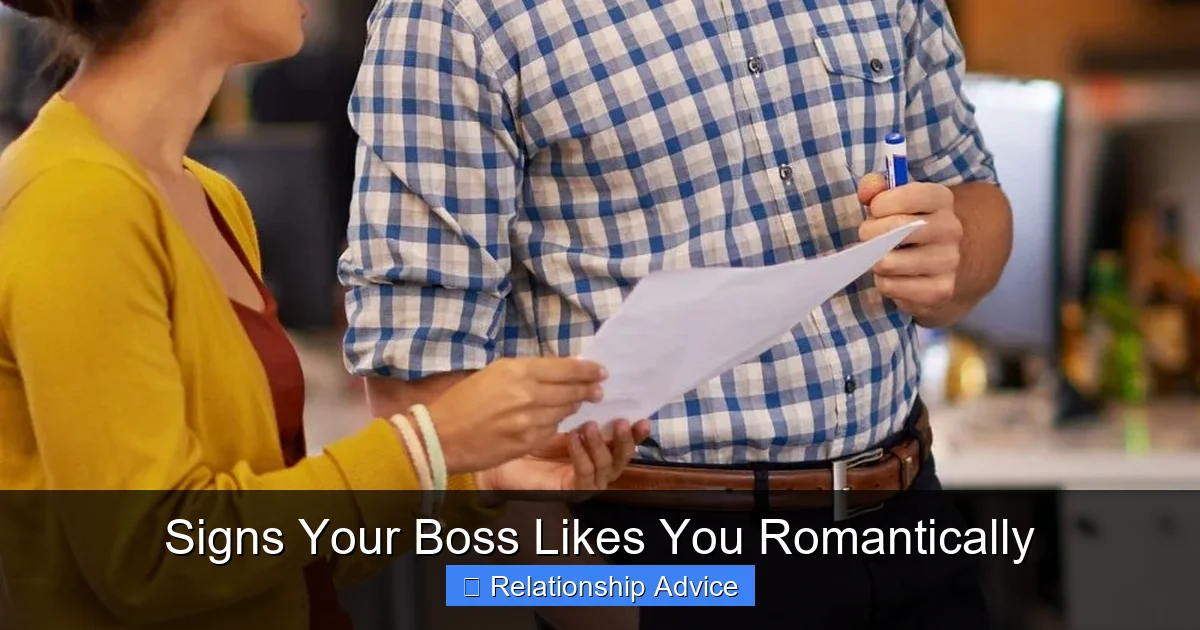
Visual guide about Signs Your Boss Likes You Romantically
Image source: realestlove.com
When it comes to identifying romantic interest from a supervisor, actions often speak louder than words. While your boss may never explicitly say they’re attracted to you, their behavior can reveal a lot. Here are some of the most telling behavioral signs to keep an eye on.
Frequent and Personal Compliments
One of the clearest indicators is when your boss starts complimenting you in ways that go beyond professional feedback. Sure, it’s normal to receive praise for a job well done—like “Great presentation today!” or “You really nailed that report.” But when the compliments shift to your appearance, style, or personality, it’s worth paying attention.
For example, if your boss says things like, “You look amazing in that dress,” “I love your laugh,” or “You’re so much fun to be around,” these comments cross into personal territory. While they might seem harmless or even flattering at first, they can signal romantic interest—especially if they’re repeated or directed only at you.
Another red flag is when compliments come with lingering eye contact or a tone that feels more intimate than professional. If you notice your boss smiling at you differently than they do with other team members, or if they seem to light up when you enter the room, it could be more than just appreciation for your work.
Increased One-on-One Time
Another common sign is a noticeable increase in private interactions. While regular check-ins and performance reviews are part of any managerial role, excessive one-on-one time that doesn’t serve a clear work purpose can be a clue.
For instance, your boss might start scheduling weekly “catch-up” meetings that last longer than necessary, or invite you to lunch under the guise of discussing projects—only to spend most of the time talking about personal topics. They might also call you into their office frequently for minor issues that could easily be handled via email.
After-hours communication is another red flag. If your boss starts texting or messaging you late at night, or invites you to after-work drinks “just to unwind,” it may indicate they’re trying to build a personal connection. While networking and team bonding are normal, repeated invitations that exclude other colleagues can feel isolating—and potentially inappropriate.
Overly Personal Questions
When your boss starts asking questions that delve into your private life, it’s a strong sign they’re interested in more than just your job performance. While it’s normal for managers to show concern about work-life balance, there’s a difference between professional care and personal curiosity.
Watch out for questions like:
– “Are you seeing anyone right now?”
– “Do you have plans this weekend?”
– “Why are you still single?”
– “How’s your family doing?”
These questions might seem innocent, but when asked repeatedly or in private settings, they can feel intrusive. If your boss seems particularly invested in your relationship status or personal struggles, it could be because they’re hoping to position themselves as a potential partner.
Favoritism in Work Assignments and Opportunities
Favoritism is one of the most controversial signs your boss likes you romantically. While it’s natural for managers to assign tasks based on skills and experience, giving you preferential treatment without clear justification can raise eyebrows.
For example, if you’re consistently handed high-profile projects, invited to exclusive meetings, or offered promotions ahead of more qualified colleagues, it might not just be about merit. Your boss may be trying to impress you, gain your trust, or create opportunities to spend more time together.
Similarly, if you’re excused from deadlines, given flexible hours, or allowed to skip team events without consequence—while others are held to stricter standards—it could indicate special treatment rooted in personal feelings.
While it might feel good to be recognized, remember that favoritism can damage team morale and create a toxic work environment. It’s also risky for your career, as it may lead to accusations of bias or even allegations of misconduct.
Emotional and Psychological Indicators of Romantic Interest
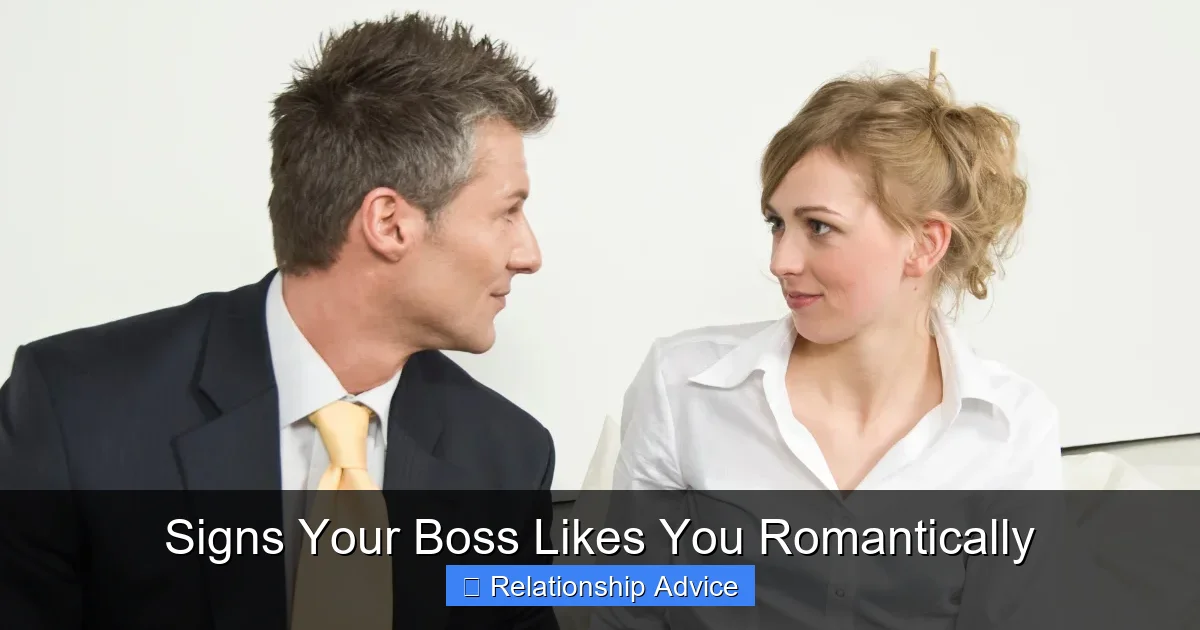
Visual guide about Signs Your Boss Likes You Romantically
Image source: realestlove.com
Beyond actions and words, emotional cues can reveal a lot about your boss’s true intentions. Romantic attraction often manifests in subtle ways—through tone of voice, emotional investment, and changes in behavior when you’re around.
Emotional Investment in Your Well-Being
A boss who likes you romantically may go out of their way to check in on your emotional state. They might ask how you’re feeling after a tough day, offer unsolicited advice about your personal life, or express concern when you seem stressed or upset.
For example, if your boss notices you’re quiet during a meeting and later pulls you aside to ask, “Everything okay? You seem off today,” it could be a sign of genuine care. But if this happens frequently—and especially if they follow up with messages like “I’ve been thinking about you”—it may cross into emotional intimacy.
They might also share their own vulnerabilities with you, such as relationship problems, family issues, or personal insecurities. While some self-disclosure is normal in leadership, oversharing can blur professional boundaries and create a false sense of closeness.
Jealousy or Protective Behavior
Romantic interest often comes with a sense of possessiveness. If your boss becomes visibly uncomfortable or reacts negatively when you talk about dating, mention other colleagues, or receive attention from others, it could be a sign of jealousy.
For instance, they might make sarcastic comments when you mention a date, avoid eye contact when you talk about your partner, or suddenly become cold if you’re seen laughing with a coworker. They might also try to isolate you by assigning you to remote projects or limiting your interactions with certain team members.
This kind of behavior is not only unprofessional but can also create a hostile work environment. If you notice your boss acting differently around you based on who you’re talking to, it’s important to set boundaries and consider discussing the issue with HR.
Changes in Communication Style
Pay attention to how your boss communicates with you compared to others. Do they use a softer tone, more emojis in messages, or nicknames? Do they initiate conversations more often, or respond to your emails faster than anyone else’s?
These small changes can indicate emotional attachment. For example, if your boss starts using phrases like “Hey gorgeous” or “Miss you around the office,” it’s a clear departure from professional norms. Similarly, if they remember small details about your life—like your favorite coffee order or your dog’s name—and bring them up in conversation, it shows they’re paying attention on a personal level.
Body Language and Nonverbal Cues
Visual guide about Signs Your Boss Likes You Romantically
Image source: realestlove.com
Sometimes, the most telling signs your boss likes you romantically aren’t spoken at all. Body language can reveal hidden feelings, even when words stay professional.
Prolonged Eye Contact and Smiling
One of the most common nonverbal signs is prolonged eye contact. If your boss holds your gaze a little too long during conversations, or seems to watch you when you’re not looking, it could indicate attraction. Similarly, if they smile at you more often than others—especially with a warm, relaxed expression—it may signal romantic interest.
Leaning In and Physical Proximity
Pay attention to how close your boss stands or sits near you. If they consistently lean in during conversations, stand closer than necessary, or find reasons to touch your arm or shoulder, it’s a sign they’re seeking physical connection.
For example, they might “accidentally” brush your hand when passing a document or pat your back after a meeting. While these gestures might seem minor, they can be inappropriate in a professional setting—especially when initiated by someone in authority.
Mirroring Your Movements
Mirroring is a subconscious behavior where people mimic each other’s posture, gestures, or speech patterns. If your boss unconsciously copies your body language—like crossing their arms when you do or nodding in sync with you—it can indicate rapport and attraction.
While mirroring isn’t always romantic, it becomes concerning when combined with other signs, such as personal compliments or private invitations.
When to Be Concerned: Red Flags and Boundaries
Not all signs your boss likes you romantically are harmless. Some behaviors cross ethical and legal lines, especially when they involve power imbalances or create a hostile work environment.
Blurred Professional Boundaries
One of the biggest red flags is when your boss starts treating you more like a friend or partner than an employee. This might include:
– Sharing intimate details about their personal life
– Inviting you to private social events (e.g., dinner, vacations)
– Expecting emotional support or loyalty beyond your role
– Making decisions based on personal feelings rather than fairness
When boundaries blur, it becomes difficult to maintain professionalism. You may feel pressured to reciprocate feelings, even if you’re not interested, or worry about retaliation if you set limits.
Unwanted Advances or Pressure
If your boss makes direct or indirect romantic advances—such as asking you out, sending flirtatious messages, or hinting at a future relationship—it’s a serious issue. Even if they frame it as “just joking,” repeated advances can constitute harassment.
Similarly, if they imply that your job security, promotions, or assignments depend on your personal relationship with them, it’s a form of coercion. This is not only unethical but may violate company policy or labor laws.
Impact on Team Dynamics
Romantic interest from a boss can also affect your colleagues. If others notice favoritism, exclusion, or tension, it can damage team morale and create a toxic environment. You might be seen as receiving unfair advantages, or your coworkers may feel uncomfortable around you.
In extreme cases, rumors or gossip can spread, leading to isolation or reputational harm. It’s important to consider not just your own comfort, but the broader workplace culture.
How to Respond: Practical Tips and Next Steps
If you recognize signs your boss likes you romantically, it’s important to respond thoughtfully and protect your well-being. Here’s how to navigate the situation with care and professionalism.
Assess Your Feelings and Boundaries
First, take time to reflect on your own feelings. Are you interested in your boss? Uncomfortable? Confused? Your response should align with your values and comfort level.
If you’re not interested, it’s crucial to set clear boundaries early. This might mean limiting one-on-one interactions, avoiding after-hours communication, or politely declining personal invitations.
Document the Behavior
Keep a record of any inappropriate comments, messages, or incidents. Note the date, time, location, and what was said or done. This documentation can be helpful if you need to report the behavior later.
Seek Support
Talk to a trusted colleague, mentor, or HR representative. They can offer perspective, help you understand company policies, and guide you on next steps. If the behavior escalates or makes you feel unsafe, reporting it is not only appropriate—it’s necessary.
Respond Professionally
If you feel comfortable, you can address the issue directly. For example, you might say, “I appreciate your feedback, but I’d prefer to keep our conversations work-related.” This sets a clear boundary without being confrontational.
If direct communication isn’t safe or effective, consider speaking with HR or a supervisor. Most companies have policies against workplace harassment and romantic relationships between supervisors and subordinates.
Know Your Rights
Remember, you have the right to a safe and respectful workplace. Romantic advances from a boss—especially when unwelcome—can constitute harassment under employment law. Don’t hesitate to seek legal advice if needed.
Conclusion
Recognizing signs your boss likes you romantically is the first step toward protecting your career and emotional well-being. While it’s natural to feel flattered or curious, it’s important to approach the situation with caution and clarity.
Pay attention to behavioral cues, emotional signals, and nonverbal communication. Watch for favoritism, personal questions, and blurred boundaries. And most importantly, trust your instincts—if something feels off, it probably is.
You deserve a workplace where you’re valued for your skills, not your personal life. By setting boundaries, seeking support, and knowing your rights, you can navigate this complex situation with confidence and integrity.
Whether you choose to address it directly, involve HR, or simply distance yourself, your comfort and safety come first. Remember: professionalism isn’t just about how you act—it’s about how you’re treated.
Frequently Asked Questions
Is it illegal for a boss to like an employee romantically?
It’s not illegal for a boss to have feelings for an employee, but acting on those feelings inappropriately—such as making advances, showing favoritism, or creating a hostile work environment—can violate workplace harassment laws and company policies.
What should I do if my boss asks me out?
If your boss asks you out, respond politely but firmly. You can say, “I appreciate the offer, but I prefer to keep our relationship professional.” If the advances continue, document them and consider reporting to HR.
Can I date my boss if we both consent?
While consensual relationships are possible, they’re often discouraged due to power imbalances. Many companies require disclosure or prohibit supervisor-subordinate relationships to avoid conflicts of interest and legal risks.
How can I tell if my boss is just being friendly?
Friendly behavior is usually consistent across team members and stays within professional boundaries. If the attention is exclusive, personal, or makes you uncomfortable, it may go beyond friendliness.
What if I’m interested in my boss too?
If you’re interested, proceed with extreme caution. Consider the power dynamics, company policies, and potential fallout. It’s often safer to wait until one of you changes roles or leaves the company.
Can I be fired for rejecting my boss’s advances?
No, you cannot legally be fired for rejecting romantic advances. This constitutes retaliation and is prohibited under employment law. If this happens, document the incident and contact HR or a legal professional.