
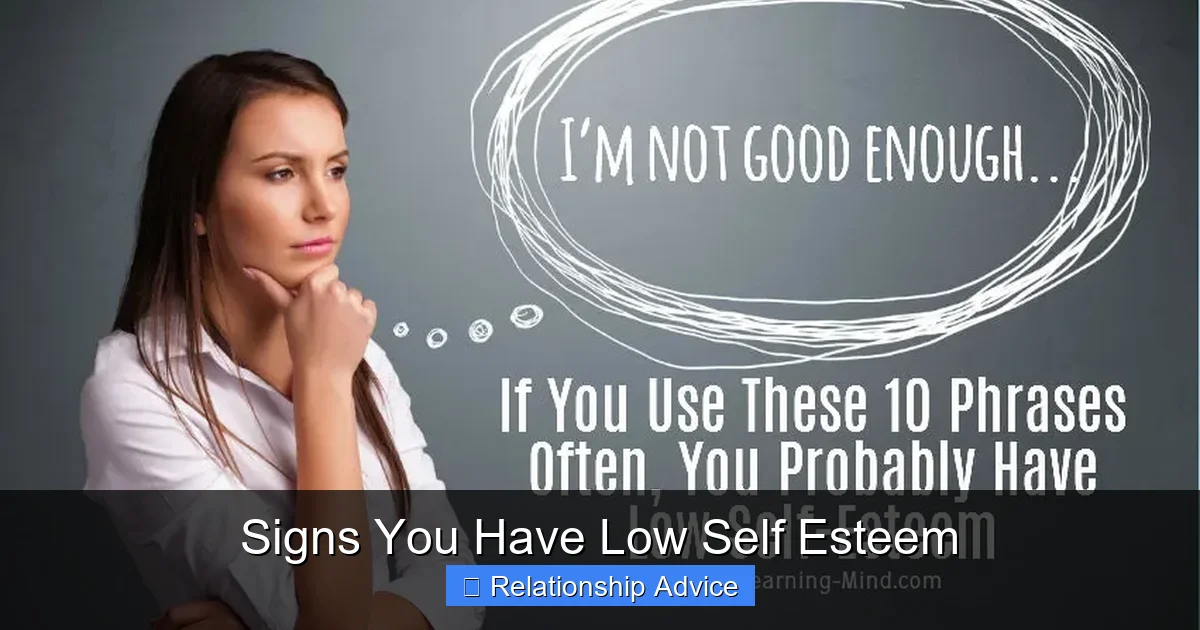
Low self esteem can quietly affect your relationships, decisions, and overall happiness—often without you even realizing it. Recognizing the signs early is the first step toward healing and building a stronger sense of self-worth.
Key Takeaways
- You constantly seek validation from others: If you rely heavily on praise or approval to feel good about yourself, it may signal low self esteem.
- You avoid new challenges or opportunities: Fear of failure or judgment can keep you stuck in your comfort zone, limiting personal growth.
- You’re overly critical of yourself: Harsh self-talk and focusing only on flaws are common traits of low self-worth.
- You struggle to accept compliments: Dismissing or downplaying kind words suggests you don’t believe you deserve them.
- You compare yourself to others frequently: Constant comparison, especially on social media, can erode your confidence over time.
- You have difficulty setting boundaries: Saying “yes” when you mean “no” often stems from a fear of rejection or not wanting to disappoint.
- You feel unworthy of love or happiness: Believing you don’t deserve good things in life is a core sign of low self esteem.
📑 Table of Contents
- What Is Low Self Esteem and Why Does It Matter?
- You Constantly Seek Validation from Others
- You Avoid New Challenges or Opportunities
- You’re Overly Critical of Yourself
- You Struggle to Accept Compliments
- You Compare Yourself to Others Frequently
- You Have Difficulty Setting Boundaries
- You Feel Unworthy of Love or Happiness
- How Low Self Esteem Affects Your Relationships
- How to Begin Healing and Building Self Esteem
- Final Thoughts: You Are Worthy—Just As You Are
What Is Low Self Esteem and Why Does It Matter?
Self esteem is the way you view and value yourself. It’s not about being arrogant or overly confident—it’s about having a balanced, realistic sense of your worth. When self esteem is low, it’s like walking around with a constant inner critic whispering, “You’re not good enough.” This voice can shape your thoughts, behaviors, and relationships in ways that hold you back.
Low self esteem doesn’t always look the same. For some, it shows up as shyness or withdrawal. For others, it might appear as people-pleasing or perfectionism. But no matter the form, the result is often the same: a sense of unworthiness that affects every area of life. Whether you’re struggling to speak up in meetings, avoiding social events, or feeling anxious about your partner’s opinion, low self esteem can quietly sabotage your happiness.
Understanding the signs is crucial—not to shame yourself, but to begin healing. The good news? Self esteem isn’t fixed. It can grow and change with awareness, effort, and support. This article will walk you through the most common signs you have low self esteem, how they impact your relationships, and what you can do to start building a kinder, more confident version of yourself.
You Constantly Seek Validation from Others
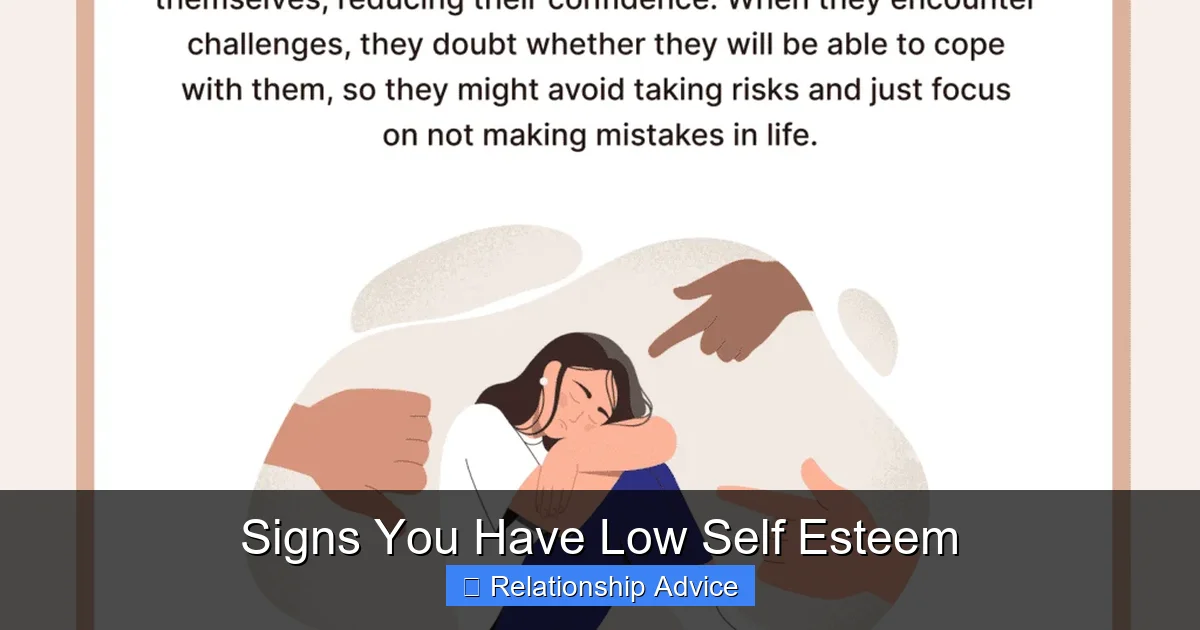
One of the clearest signs you have low self esteem is a deep need for external validation. If you find yourself constantly checking in with friends, partners, or coworkers for reassurance, it might be because you don’t trust your own judgment or worth. You might ask, “Was that okay?” after sharing an opinion, or wait anxiously for likes on a social media post to feel seen.
Visual guide about Signs You Have Low Self Esteem
Image source: calmerry.com
Why Validation-Seeking Happens
When your self-worth is shaky, you look outward for proof that you’re doing things right. This isn’t inherently bad—everyone likes to feel appreciated. But when it becomes a pattern, it can strain relationships and leave you emotionally drained. You might start to feel like your value depends on how others respond to you, which is exhausting and unreliable.
Real-Life Example
Imagine you’re at a dinner party and share a funny story. Instead of enjoying the moment, you immediately scan the room for reactions. If someone doesn’t laugh, you replay the story in your head, wondering if you embarrassed yourself. Later, you text a friend: “Did I sound dumb back there?” This need for constant feedback shows that your self-worth is tied to others’ opinions.
How to Break the Cycle
- Practice self-validation: After making a decision or sharing an idea, pause and ask yourself, “Did I do my best with the information I had?” If yes, give yourself credit—no outside approval needed.
- Limit social media scrolling: Comparing your behind-the-scenes life to others’ highlight reels fuels the need for validation. Try a daily 15-minute limit.
- Journal your wins: Write down three things you did well each day, no matter how small. Over time, this builds internal confidence.
You Avoid New Challenges or Opportunities
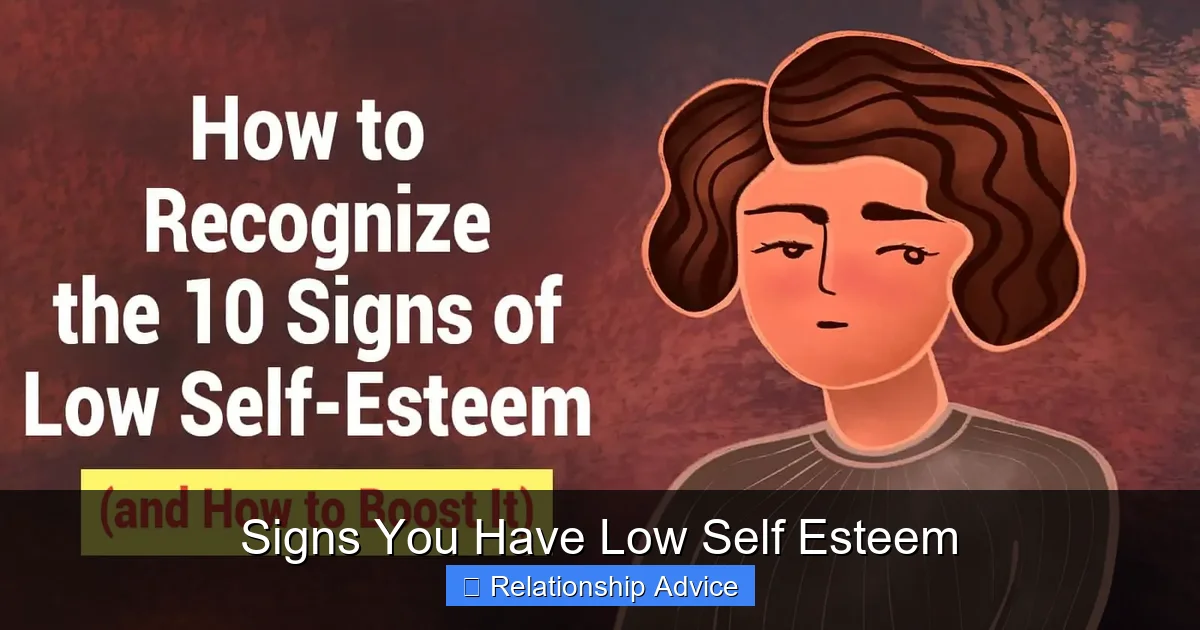
Another major sign you have low self esteem is avoiding situations where you might fail or be judged. Whether it’s applying for a promotion, asking someone out, or joining a new hobby group, fear holds you back. You might tell yourself, “I’m not ready,” or “Someone else would do it better,” even when you’re qualified.
Visual guide about Signs You Have Low Self Esteem
Image source: cdn.powerofpositivity.com
The Fear of Failure
Low self esteem often comes with a fear of failure—not just the outcome, but what it says about you. If you don’t try, you can’t fail. And if you can’t fail, you can’t be seen as inadequate. This logic keeps you safe but stuck. You miss out on growth, connection, and joy because you’re protecting a fragile sense of self.
Example in Action
Let’s say your boss suggests you lead a new project at work. It’s a great opportunity, but you hesitate. You think, “What if I mess up? What if the team thinks I’m not capable?” Instead of saying yes, you downplay your skills and suggest someone else. Later, you feel regret—but the fear was too strong to act.
Steps to Take Small Risks
- Start tiny: Take a small step outside your comfort zone each week—speak up in a meeting, try a new recipe, or message an old friend.
- Reframe failure: Instead of seeing mistakes as proof you’re not good enough, view them as feedback. Ask, “What can I learn from this?”
- Visualize success: Spend a few minutes each day imagining yourself handling a challenge with calm and confidence. This builds mental resilience.
You’re Overly Critical of Yourself
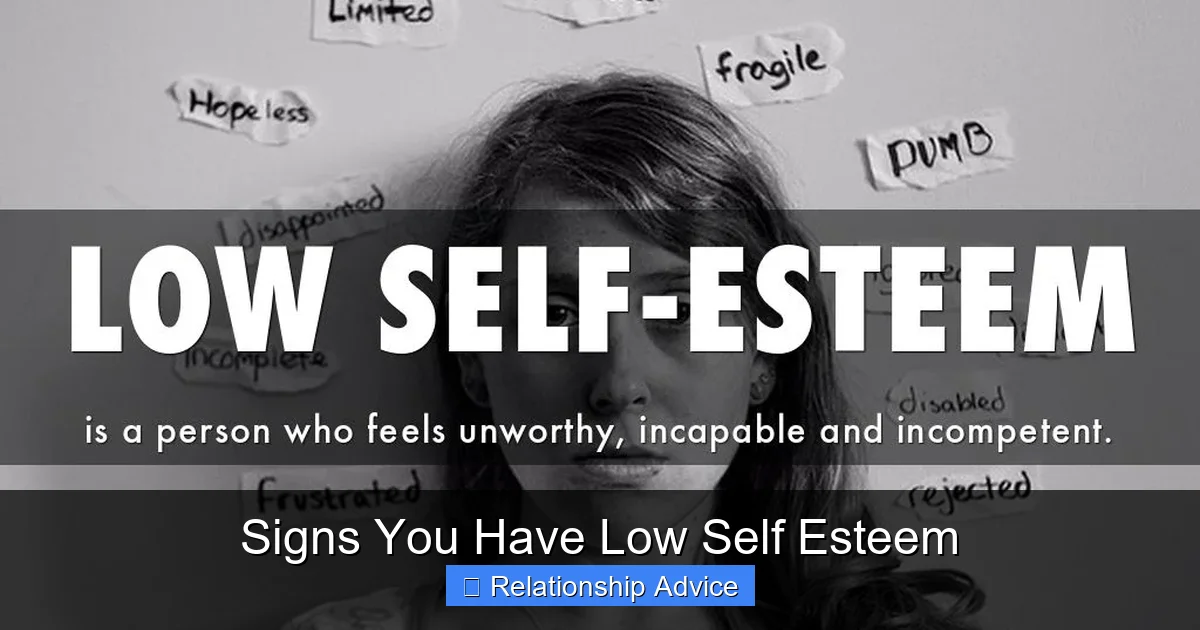
If your inner voice sounds more like a harsh coach than a supportive friend, low self esteem might be at play. You might focus only on what you did wrong, ignore your strengths, and beat yourself up over minor mistakes. This constant self-criticism can feel normal—after all, you’ve probably been doing it for years—but it’s not healthy.
Visual guide about Signs You Have Low Self Esteem
Image source: img.haikudeck.com
The Inner Critic
The inner critic is that voice in your head that says, “You should have known better,” or “You’re so lazy.” It often stems from past experiences—like being criticized as a child or feeling like you never quite measured up. Over time, this voice becomes automatic, shaping how you see yourself and your abilities.
Signs of Harsh Self-Talk
- Calling yourself names like “stupid,” “lazy,” or “worthless.”
- Focusing only on flaws and ignoring accomplishments.
- Feeling guilty for taking breaks or prioritizing your needs.
- Believing you’re to blame for things outside your control.
How to Soften the Inner Critic
- Practice self-compassion: When you make a mistake, talk to yourself like you would a good friend. Say, “It’s okay. Everyone slips up sometimes.”
- Challenge negative thoughts: Ask, “Is this thought true? Is it helpful?” Often, the answer is no.
- Use affirmations: Repeat kind, realistic statements like, “I am doing my best,” or “I am worthy of respect.”
You Struggle to Accept Compliments
Do you deflect compliments with phrases like “Oh, it was nothing,” or “Anyone could have done it”? If so, it might be a sign you have low self esteem. Accepting praise requires believing you deserve it—and if your self-worth is low, that can feel uncomfortable or even wrong.
Why Compliments Feel Uncomfortable
When you don’t feel worthy, positive feedback can trigger doubt. You might think, “They’re just being nice,” or “They don’t really mean it.” This disbelief protects you from the vulnerability of accepting kindness, but it also blocks genuine connection and joy.
Example Scenario
Your partner says, “You looked so beautiful tonight.” Instead of smiling and saying “Thank you,” you reply, “This old dress? I just threw it on.” You downplay the compliment, making it about the outfit—not you. This keeps you from fully receiving the love being offered.
How to Start Accepting Praise
- Say “Thank you” simply: Practice responding to compliments with just two words. No explanations or deflections needed.
- Pause before reacting: Take a breath and let the compliment sink in before your inner critic jumps in.
- Reflect later: At the end of the day, write down one compliment you received and how it made you feel. Over time, this builds positive self-association.
You Compare Yourself to Others Frequently
Comparison is a natural human tendency, but when it becomes constant, it’s a red flag for low self esteem. You might scroll through Instagram and feel worse about your life, or feel jealous when a friend gets a promotion. These comparisons aren’t just unhelpful—they’re often unfair, because you’re comparing your behind-the-scenes to someone else’s highlight reel.
The Social Media Trap
Social media amplifies comparison. You see curated photos, vacation updates, and career wins—but not the struggles, doubts, or hard work behind them. This skewed view makes it easy to feel like you’re falling behind, even when you’re doing just fine.
Signs You’re Over-Comparing
- Feeling envious of others’ success or appearance.
- Believing you’re “less than” because of someone else’s achievements.
- Changing your goals to match what others are doing.
- Feeling anxious or down after scrolling social media.
How to Break Free from Comparison
- Unfollow triggers: Mute or unfollow accounts that make you feel bad about yourself—even if they’re friends or family.
- Focus on your journey: Remind yourself that everyone’s path is different. Your worth isn’t determined by how you stack up against others.
- Practice gratitude: Each morning, write down three things you’re grateful for about your life. This shifts focus from lack to abundance.
You Have Difficulty Setting Boundaries
People with low self esteem often struggle to say “no.” You might take on extra work, lend money you can’t afford, or stay in draining relationships—all because you fear rejection or don’t want to disappoint others. Setting boundaries feels selfish, even when it’s necessary for your well-being.
Why Boundaries Feel Threatening
When your self-worth is tied to being liked or needed, saying “no” can feel like risking rejection. You might worry, “If I don’t help, they’ll stop liking me,” or “I’m not important enough to have needs.” This mindset leads to burnout and resentment.
Real-Life Example
A friend asks you to organize their birthday party, even though you’re already overwhelmed. You say yes, even though you’re exhausted. Later, you feel angry and used—but you didn’t speak up because you didn’t want to seem “difficult.”
How to Start Setting Healthy Boundaries
- Use “I” statements: Say, “I need some time to myself this weekend,” instead of “You’re always asking too much.”
- Practice saying no: Start small—decline an invitation you don’t want to attend. Notice how it feels (it gets easier!).
- Remember: boundaries are respectful: Setting limits isn’t selfish—it’s how you protect your energy and show up fully in relationships.
You Feel Unworthy of Love or Happiness
Perhaps the most painful sign you have low self esteem is believing you don’t deserve good things. You might stay in unhealthy relationships, avoid pursuing your dreams, or sabotage opportunities because deep down, you think, “I’m not worthy.” This belief can be so ingrained that it feels like truth—but it’s not.
The Roots of Unworthiness
Feelings of unworthiness often stem from childhood experiences—like being told you were “too much” or “not enough,” or growing up in an environment where love felt conditional. These messages get internalized, shaping your adult relationships and self-view.
How It Shows Up
- Staying with a partner who disrespects you because you think you can’t do better.
- Avoiding dating altogether because you believe no one could truly love you.
- Feeling guilty when you’re happy or successful.
- Downplaying your needs in relationships.
Steps Toward Self-Worth
- Challenge the belief: Ask, “What evidence do I have that I’m unworthy?” Often, there is none—just old stories.
- Seek therapy: A counselor can help you unpack past experiences and rebuild your sense of worth.
- Surround yourself with supportive people: Spend time with those who uplift you and reflect your value back to you.
How Low Self Esteem Affects Your Relationships
Low self esteem doesn’t just affect you—it impacts your relationships, too. When you don’t feel worthy, you might attract partners who treat you poorly, struggle to communicate your needs, or become overly dependent on others for validation. Over time, this can lead to loneliness, resentment, and emotional exhaustion.
Signs in Romantic Relationships
- Staying in a relationship that feels one-sided or unhealthy.
- Feeling jealous or insecure without reason.
- Needing constant reassurance from your partner.
- Avoiding conflict because you fear it will lead to rejection.
Signs in Friendships
- Always being the one to initiate plans or check in.
- Feeling like you’re “too much” or “not enough” for your friends.
- Avoiding deep conversations for fear of being judged.
- People-pleasing to keep friendships intact.
How to Improve Relationship Health
- Communicate openly: Share your feelings with trusted friends or partners. Say, “I’ve been feeling insecure lately, and I’d like to talk about it.”
- Seek balanced relationships: Look for connections where both people give and receive support.
- Work on self-love: The more you value yourself, the more you’ll attract and maintain healthy relationships.
How to Begin Healing and Building Self Esteem
Healing low self esteem isn’t about becoming perfect—it’s about becoming kinder to yourself. It takes time, patience, and consistent effort, but every small step counts. The goal isn’t to eliminate all self-doubt (that’s normal!), but to reduce its power over your life.
Daily Practices to Try
- Morning affirmations: Stand in front of the mirror and say, “I am enough,” or “I deserve love and respect.”
- Mindful self-check-ins: Pause during the day and ask, “How am I feeling about myself right now?” Notice without judgment.
- Celebrate small wins: Finished a task? Spoke up in a meeting? That’s worth acknowledging.
Long-Term Strategies
- Therapy or counseling: A professional can help you explore the roots of low self esteem and develop healthier thought patterns.
- Join a support group: Connecting with others who’ve faced similar struggles can be incredibly validating.
- Read self-help books: Titles like The Gifts of Imperfection by Brené Brown or Self-Compassion by Kristin Neff offer powerful insights.
Final Thoughts: You Are Worthy—Just As You Are
Recognizing the signs you have low self esteem is a brave first step. It means you’re ready to stop hiding, stop apologizing for your existence, and start building a life that reflects your true worth. This journey isn’t about becoming someone else—it’s about becoming more fully yourself.
Remember, self esteem isn’t built overnight. It grows through small, consistent acts of self-kindness, boundary-setting, and courage. You don’t have to be perfect. You just have to be willing to try. And when you do, you’ll find that love, respect, and happiness aren’t things you have to earn—they’re your birthright.
Frequently Asked Questions
Can low self esteem be cured?
Low self esteem can’t be “cured” like an illness, but it can be significantly improved with self-awareness, therapy, and consistent practice. Many people learn to build healthy self-worth over time.
Is low self esteem the same as being shy?
No. Shyness is a personality trait related to social anxiety, while low self esteem is a deeper belief about your worth. You can be outgoing but still struggle with self-worth.
Can social media cause low self esteem?
Yes, excessive social media use can contribute to low self esteem by promoting unrealistic comparisons and reducing face-to-face connection. Limiting use can help.
How do I help a friend with low self esteem?
Listen without judgment, offer consistent support, and encourage them to seek professional help if needed. Avoid giving unsolicited advice or trying to “fix” them.
Can low self esteem affect my career?
Absolutely. It can lead to avoiding promotions, struggling with confidence in meetings, or staying in jobs that don’t fulfill you. Building self esteem can open new opportunities.
Is it possible to have high self esteem and still feel insecure sometimes?
Yes. Even people with healthy self esteem experience doubt or insecurity at times. The difference is they don’t let those feelings define their worth.