

Recognizing the signs of a clingy girlfriend is the first step toward fostering a healthier, more balanced relationship. While affection and closeness are vital, excessive neediness can strain even the strongest partnerships. This guide helps you identify red flags, understand their roots, and take positive steps forward.
Key Takeaways
- Constant need for reassurance: A clingy girlfriend often seeks frequent validation, asking repeatedly if you still love her or care about her.
- Overcommunication and texting obsession: She may send dozens of messages daily, expecting immediate replies, even during work or personal time.
- Lack of personal space: She might resist spending time apart, feeling anxious or upset when you want alone time or time with friends.
- Jealousy over minor interactions: She may react strongly to innocent conversations you have with others, especially women, interpreting them as threats.
- Emotional dependency: Her mood and self-worth often depend heavily on your presence and approval, making her vulnerable to mood swings when you’re apart.
- Difficulty making decisions without you: She may struggle to choose what to wear, where to eat, or how to spend her day without your input.
- Understanding the root causes: Clinginess often stems from insecurity, past relationship trauma, or fear of abandonment—awareness can lead to empathy and solutions.
📑 Table of Contents
- Understanding Clinginess in Relationships
- Constant Need for Reassurance
- Overcommunication and Texting Obsession
- Lack of Personal Space and Alone Time
- Jealousy Over Minor Interactions
- Emotional Dependency and Mood Swings
- Difficulty Making Decisions Without You
- How to Address Clinginess with Care
- When Clinginess Becomes a Red Flag
- Building a Balanced, Healthy Relationship
Understanding Clinginess in Relationships
When you’re in a relationship, it’s natural to want to feel close, connected, and loved. A little affection, check-ins, and shared time are all signs of a healthy bond. But what happens when that closeness crosses into clinginess? How do you know when your girlfriend’s need for attention and reassurance is becoming too much?
Clinginess isn’t just about being loving—it’s about needing constant validation, fearing abandonment, and struggling to function independently. While it might seem sweet at first, over time, it can create tension, resentment, and emotional exhaustion for both partners. The key is recognizing the signs early and addressing them with care, empathy, and open communication.
It’s important to remember that clinginess isn’t inherently bad. In fact, it often comes from a place of deep emotional investment and fear of losing someone important. But when it starts interfering with your personal life, your mental health, or your ability to enjoy the relationship, it’s time to take a closer look. This article will help you identify the signs of a clingy girlfriend, understand why they happen, and explore practical ways to build a more balanced and fulfilling partnership.
Constant Need for Reassurance
Visual guide about Signs of a Clingy Girlfriend
Image source: bonobology.com
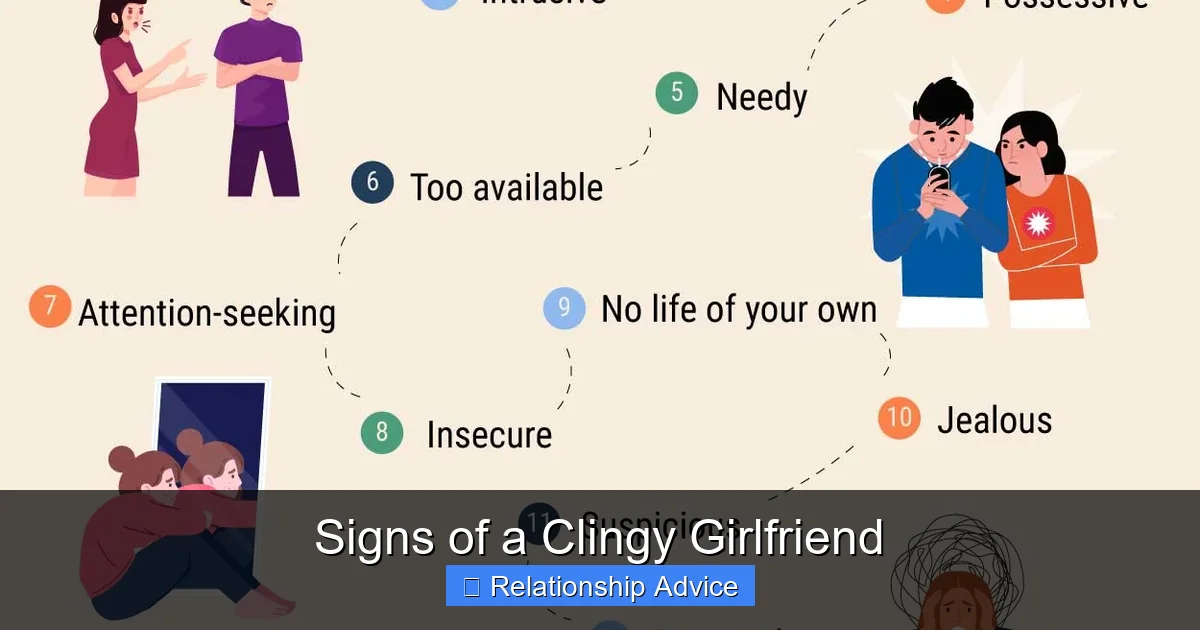
One of the most common signs of a clingy girlfriend is a persistent need for reassurance. She might ask you repeatedly if you still love her, if you’re happy in the relationship, or if you find her attractive. These questions might seem harmless at first, but when they happen multiple times a day—especially without any real reason—they can signal deeper insecurity.
For example, she might text you during your lunch break: “Do you still think I’m pretty?” or call you at work saying, “Are you mad at me? You’ve been quiet today.” Even if nothing has changed, she may interpret normal behavior—like being busy or tired—as a sign that you’re pulling away. This constant seeking of validation can become emotionally draining, especially if you’re trying to focus on your job, hobbies, or personal growth.
Why Reassurance Seeking Happens
This behavior often stems from low self-esteem or past experiences where love felt conditional or unreliable. Maybe she was in a previous relationship where her partner was emotionally distant or unfaithful. Now, she’s hyper-aware of any sign that you might be losing interest. Her brain is wired to look for threats, even when there aren’t any.
Another factor could be attachment style. People with an anxious attachment style tend to crave closeness and fear abandonment. They may interpret small changes in behavior—like not texting back right away—as a sign that the relationship is in danger. This triggers anxiety, which leads to more reassurance-seeking, creating a cycle that’s hard to break.
How to Respond with Compassion
Instead of getting frustrated, try to respond with empathy. Let her know you hear her concerns and that you care. Say things like, “I love you, and I’m not going anywhere,” or “I know you’re worried, but I’m still here for you.” Over time, consistent reassurance can help build her confidence.
But it’s also important to set boundaries. You can say, “I want to support you, but I need some space to focus on work right now. I’ll text you when I’m free.” This shows you care without enabling dependency.
Overcommunication and Texting Obsession
Visual guide about Signs of a Clingy Girlfriend
Image source: bonobology.com
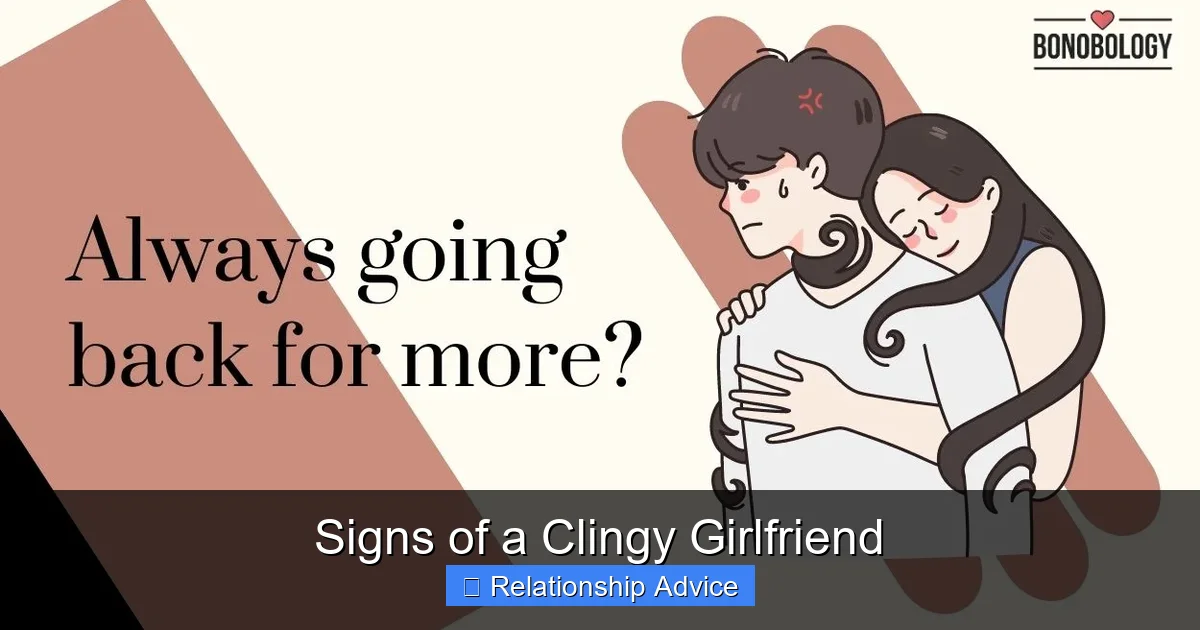
Another major sign of a clingy girlfriend is overcommunication—especially through texting. She might send you messages constantly throughout the day, expecting immediate responses. If you don’t reply within minutes, she may follow up with, “Did you get my text?” or “Why aren’t you answering?”
For instance, she might text you the moment you wake up, ask what you’re doing every hour, and send goodnight messages with multiple heart emojis. While it’s sweet to feel thought of, this level of communication can feel suffocating, especially if you’re at work, in a meeting, or simply trying to relax.
The Pressure of Instant Replies
The expectation of instant replies can create unnecessary stress. You might feel guilty for not responding right away, even if you’re driving, in a movie, or spending time with family. Over time, this can lead to resentment or burnout.
It’s also worth noting that overcommunication can blur the lines between connection and control. When someone needs to know your every move, it can feel less like love and more like surveillance. Healthy relationships allow for spontaneity and independence—both partners should feel free to live their lives without constant check-ins.
Setting Healthy Communication Boundaries
The solution isn’t to shut her out, but to establish clear, respectful boundaries. Have an honest conversation about your communication styles. Say something like, “I love talking to you, but I need some downtime during the day. Can we agree to check in a few times instead of constantly?”
You can also suggest alternative ways to stay connected, like sending a funny meme once in a while or planning a daily call at a specific time. This gives her the reassurance she craves without overwhelming you.
Lack of Personal Space and Alone Time
Visual guide about Signs of a Clingy Girlfriend
Image source: realestlove.com
Everyone needs a little alone time—whether it’s to recharge, pursue hobbies, or just enjoy some quiet. But a clingy girlfriend may resist this idea. She might feel anxious or upset when you want to spend time apart, even if it’s just for a few hours.
For example, if you say you’re going to the gym or meeting friends for dinner, she might respond with, “But I’ll miss you,” or “Can’t I come too?” She may even show up uninvited or insist on tagging along, even when you’ve made it clear you want some space.
The Fear of Being Left Out
This behavior often comes from a fear of being replaced or forgotten. She might worry that if you’re not together, you’ll start to drift apart or meet someone else. In her mind, staying close is the only way to keep the relationship strong.
But in reality, time apart can actually strengthen a relationship. It allows both partners to grow individually, bring new experiences to the table, and appreciate each other more when you’re together. Without space, relationships can become codependent, where one person’s happiness depends entirely on the other.
Encouraging Healthy Independence
Help her see that independence isn’t a threat—it’s a gift. Encourage her to pursue her own interests, spend time with friends, or try a new hobby. You might say, “I love hanging out with you, but I also think it’s great when we do our own things. It makes our time together even better.”
You can also model healthy behavior by taking time for yourself and showing that you’re still happy and fulfilled when you’re apart. Over time, she may start to feel more secure and less anxious about being alone.
Jealousy Over Minor Interactions
Jealousy is normal in relationships—everyone feels it sometimes. But a clingy girlfriend may take it to an extreme. She might react strongly to innocent interactions you have with others, especially women, interpreting them as threats even when there’s no reason to.
For example, if you mention a female coworker in conversation, she might ask, “Do you like her?” or “Why are you talking to her so much?” If you like a friend’s photo on social media, she might say, “You never like my photos like that.” These reactions can feel unfair and controlling, especially when there’s no real cause for concern.
The Roots of Excessive Jealousy
Excessive jealousy often comes from insecurity or past betrayal. If she’s been cheated on before, she may be hyper-vigilant, looking for any sign that history could repeat itself. She might also compare herself to others, feeling like she’s not “enough” to keep you interested.
Social media can amplify these feelings. Seeing you interact with others online—even in harmless ways—can trigger anxiety. She might scroll through your likes, comments, and messages, searching for clues that you’re losing interest.
Building Trust and Security
The best way to address jealousy is through open, honest communication. Reassure her that you’re committed and that your interactions with others are purely platonic. Avoid giving her reasons to doubt you—like flirting or keeping secrets—even if they seem small.
You can also encourage her to work on her self-confidence. Suggest activities that help her feel good about herself, like exercise, therapy, or spending time with supportive friends. When she feels secure in herself, she’ll be less likely to fear losing you.
Emotional Dependency and Mood Swings
A clingy girlfriend may become emotionally dependent on you, meaning her mood and self-worth are closely tied to your presence and approval. When you’re around, she’s happy and confident. When you’re not, she may become sad, anxious, or even angry.
For example, if you cancel plans last minute, she might spiral into a negative thought loop: “He doesn’t care about me,” or “I’m not important to him.” Her emotions can shift quickly based on your actions, even if those actions are completely normal.
The Cycle of Emotional Reliance
This dependency creates a cycle. She relies on you for emotional stability, which puts pressure on you to always be available and reassuring. But when you can’t meet those needs—because you’re human and have your own life—she feels abandoned, which increases her clinginess.
Over time, this can lead to emotional exhaustion for both of you. You may feel like you’re walking on eggshells, afraid to do anything that might upset her. And she may feel increasingly insecure, believing that she can’t be happy without you.
Promoting Emotional Independence
The goal isn’t to make her less loving—it’s to help her build her own emotional resilience. Encourage her to develop coping strategies for when you’re not around, like journaling, meditation, or talking to a friend.
You can also suggest therapy or counseling, especially if her clinginess is rooted in anxiety or past trauma. A professional can help her work through these issues in a safe, supportive environment.
Difficulty Making Decisions Without You
Another sign of a clingy girlfriend is difficulty making decisions independently. She may constantly ask for your opinion on everyday choices, like what to wear, what to eat, or how to spend her weekend.
For example, she might text you: “Should I wear the blue dress or the black one?” or “Do you think I should take that job offer?” While it’s nice to be involved in each other’s lives, relying on you for every decision can signal a lack of confidence or autonomy.
The Impact on Personal Growth
When someone depends too much on their partner for decision-making, it can stunt their personal growth. They may never learn to trust their own instincts or develop a strong sense of self. This can lead to frustration and resentment over time, especially if they feel like they’ve lost their identity in the relationship.
It can also put a lot of pressure on you. You might feel like you’re responsible for her happiness and choices, which is an unfair burden.
Encouraging Self-Trust
Help her build confidence by encouraging her to make small decisions on her own. Start with low-stakes choices, like picking a movie to watch or choosing a restaurant. Praise her when she makes a decision without asking for your input.
You can also remind her that it’s okay to make mistakes. Say, “You don’t have to be perfect. I trust your judgment.” Over time, she’ll start to feel more capable and independent.
How to Address Clinginess with Care
If you’ve noticed several of these signs in your girlfriend, it’s important to address them with kindness and patience. Clinginess isn’t a character flaw—it’s often a cry for help or a sign of deeper emotional needs.
Start with an Honest Conversation
Choose a calm, private moment to talk. Avoid blaming or criticizing. Instead, use “I” statements to express your feelings. For example: “I’ve noticed that you sometimes feel anxious when we’re apart, and I want to understand how I can support you better.”
Listen to her perspective without interrupting. She may open up about past experiences or fears that you weren’t aware of. This can deepen your connection and help you both feel more understood.
Set Boundaries with Love
Boundaries aren’t about pushing her away—they’re about creating a healthier dynamic. Be clear about your needs, but do it with compassion. Say, “I love spending time with you, but I also need some time to myself to recharge. That doesn’t mean I love you any less.”
Follow through consistently. If you say you’ll text her at 7 PM, do it. This builds trust and shows that you’re reliable, even when you’re not together.
Encourage Professional Support
If her clinginess is affecting her mental health or your relationship, suggest therapy. A counselor can help her explore the root causes of her behavior and develop healthier coping strategies. Couples therapy can also be helpful, allowing both of you to work on communication and emotional balance together.
When Clinginess Becomes a Red Flag
While most clinginess can be managed with communication and support, there are times when it crosses into unhealthy or even toxic territory. Watch for signs like:
– Controlling behavior (e.g., demanding access to your phone or social media)
– Isolation from friends and family
– Threats of self-harm if you spend time apart
– Extreme jealousy leading to accusations or arguments
These behaviors may indicate deeper issues like emotional abuse or severe anxiety. In these cases, it’s important to prioritize your safety and well-being. Seek support from a trusted friend, family member, or professional.
Building a Balanced, Healthy Relationship
The goal isn’t to eliminate closeness—it’s to create a relationship where both partners feel secure, respected, and free to be themselves. A healthy partnership includes love, trust, and independence.
Start by modeling the behavior you want to see. Take time for yourself, pursue your passions, and communicate openly. When she sees that you’re happy and fulfilled on your own, she may feel more secure in the relationship.
Celebrate her strengths and encourage her growth. When she feels confident and valued, she’ll be less likely to rely on you for constant validation.
Remember, love shouldn’t feel like a cage. It should feel like a safe place where both people can grow, explore, and thrive—together and apart.
Frequently Asked Questions
Is it normal for a girlfriend to be clingy?
Some level of clinginess is normal, especially in new relationships or when one partner feels insecure. However, if it interferes with daily life, causes stress, or leads to controlling behavior, it may be a sign of deeper issues that need attention.
Can a clingy girlfriend change?
Yes, with self-awareness, communication, and sometimes professional help, many people can overcome clingy tendencies. It often involves building self-confidence, addressing past trauma, and learning healthier relationship patterns.
How do I talk to my girlfriend about her clinginess without hurting her feelings?
Use gentle, empathetic language. Focus on your feelings and needs rather than blaming her. Say things like, “I care about you, but I need a little space sometimes,” and listen to her perspective with an open mind.
Should I break up with a clingy girlfriend?
Not necessarily. Clinginess doesn’t mean the relationship is doomed. But if it’s causing ongoing stress, resentment, or unhealthy dynamics, and efforts to improve it aren’t working, it may be time to reevaluate the relationship.
Can clinginess be a sign of love?
Clinginess can come from a place of deep love and fear of loss, but it’s not the healthiest way to express it. True love includes trust, respect, and the freedom to be independent.
What if I’m the one who’s clingy?
Self-awareness is the first step. Reflect on why you feel the need for constant closeness. Consider talking to a therapist or trusted friend. Work on building your self-esteem and finding fulfillment outside the relationship.