

It’s not always easy to tell if your boss has romantic feelings for you, but certain behaviors can give it away. From extra attention to personal conversations, recognizing these signs early helps you navigate the situation wisely—whether you’re interested or not.
Navigating workplace dynamics can be tricky—especially when emotions start to blur the lines between professional and personal. You’re doing your job well, getting along with your team, and suddenly you notice your boss acting… different. Maybe they’re complimenting your style a little too often. Or perhaps they’ve started inviting you to lunch “just to chat.” Your instincts are tingling: *Could my boss like me romantically?*
It’s a delicate situation. On one hand, workplace romance isn’t unheard of—and sometimes it leads to meaningful relationships. On the other, power imbalances, company policies, and potential fallout make it a minefield. The key is recognizing the signs early so you can respond thoughtfully, protect your career, and honor your own boundaries.
In this article, we’ll explore the most common signs your boss might have romantic feelings for you. We’ll break down behaviors that go beyond typical managerial attention, explain why context matters, and offer practical advice on how to handle the situation—whether you’re flattered, uncomfortable, or somewhere in between. Because while attraction is natural, professionalism and self-respect should always come first.
Key Takeaways
- Increased one-on-one time: If your boss suddenly schedules more private meetings or seeks you out for non-work chats, it could signal romantic interest.
- Personal compliments and physical touch: Compliments about your appearance or light, lingering touches may go beyond professional boundaries.
- Favoritism in assignments or promotions: Consistently giving you better projects or opportunities without clear justification can be a red flag.
- Emotional intimacy and vulnerability: Sharing personal struggles or life details not shared with others may indicate deeper feelings.
- Jealousy or protectiveness: Reacting strongly when you interact with colleagues or dating apps may reveal hidden emotions.
- Late-night or after-hours communication: Texts or calls outside work hours about non-urgent matters can blur professional lines.
- Body language cues: Prolonged eye contact, leaning in, or mirroring your movements are subtle but telling signs of attraction.
📑 Table of Contents
- 1. They Give You Undue Attention and Favoritism
- 2. Personal Compliments and Physical Boundaries Are Crossed
- 3. They Share Personal or Emotional Information
- 4. They Show Jealousy or Protectiveness
- 5. Their Body Language Reveals Attraction
- 6. They Create Opportunities for Private Interaction
- How to Respond: Protecting Yourself and Your Career
- Conclusion
1. They Give You Undue Attention and Favoritism
One of the clearest signs your boss likes you romantically is when you start receiving noticeably more attention than your coworkers. This isn’t just about being a high performer—it’s about patterns that feel personal, not professional.
Extra One-on-One Time
If your boss suddenly starts scheduling frequent private meetings—especially when there’s no urgent work reason—it could be a sign they’re seeking connection. These meetings might start with work talk but quickly shift to personal topics like weekend plans, hobbies, or family. For example, instead of a quick 15-minute check-in, you’re suddenly having hour-long lunches where they ask about your dating life or share stories about their divorce.
This kind of attention can feel flattering at first. But ask yourself: *Do they spend this much time with other team members?* If not, it may be more than just mentorship.
Unearned Opportunities and Promotions
Another red flag is favoritism in assignments or promotions. If you’re consistently handed high-profile projects, invited to exclusive meetings, or fast-tracked for advancement—while equally (or more) qualified peers are overlooked—it could signal romantic interest disguised as professional support.
For instance, imagine your coworker has more experience, but your boss insists you lead the new client presentation “because you have great energy.” That kind of vague justification, especially when repeated, should raise eyebrows. Romantic feelings can cloud judgment, leading bosses to overlook fairness in favor of spending time with someone they’re attracted to.
What to Watch For
- You’re invited to events or meetings others aren’t.
- Your boss defends your mistakes more than others’.
- They give you special perks, like flexible hours or remote work, without clear business reasons.
If you notice these patterns, take note—but don’t panic. Favoritism doesn’t always mean romance. Sometimes bosses simply connect with certain personalities. But when combined with other signs, it’s worth paying attention.
2. Personal Compliments and Physical Boundaries Are Crossed

Visual guide about Signs Boss Likes You Romantically
Image source: realestlove.com
Compliments at work are normal—up to a point. “Great job on the report” or “I love your presentation skills” are professional and appropriate. But when comments shift to your appearance, style, or body, the line starts to blur.
Appearance-Based Praise
If your boss starts saying things like, “That dress really suits you,” “You look tired—everything okay?” or “You’ve been working out?”—especially in private or repeated over time—it may indicate romantic interest. These comments focus on how you *look*, not what you *do*, which is a subtle but important distinction.
For example, imagine your boss says, “You always look so put together, even on Mondays,” during a one-on-one. While it might seem harmless, repeated personal remarks can make you feel objectified—especially when they come from someone in a position of power.
Unwanted Physical Contact
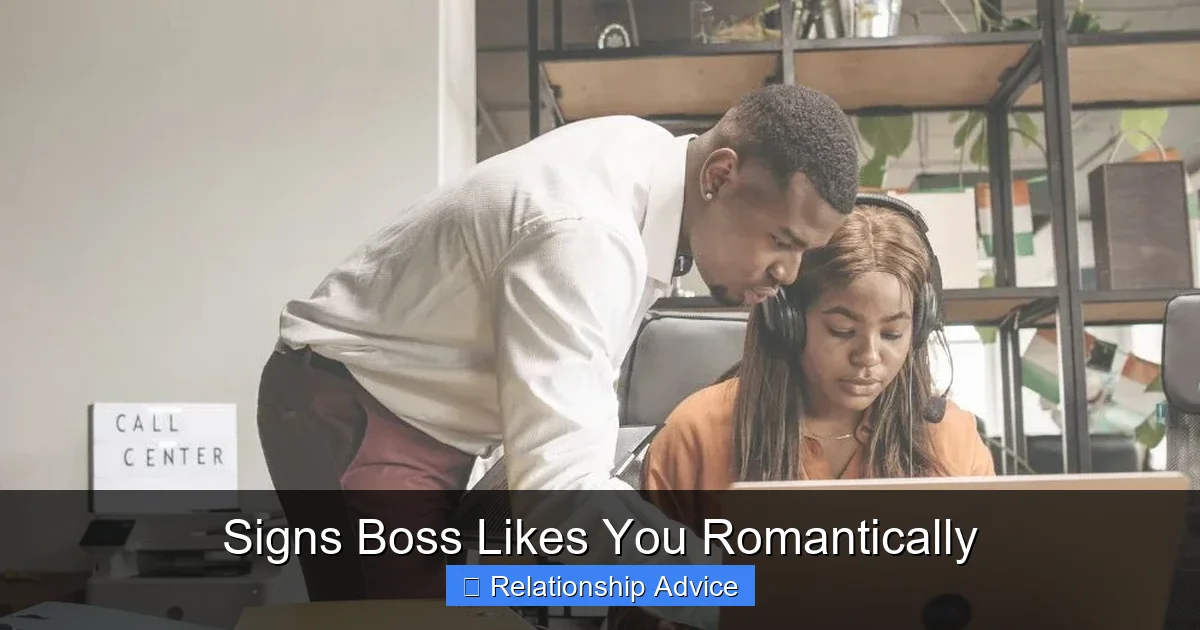
Physical touch is another major indicator. A quick handshake or pat on the back during a team celebration is normal. But lingering touches—like brushing your arm while talking, adjusting your collar, or “accidentally” touching your hand—can signal attraction.
Picture this: You’re walking down the office hallway, and your boss reaches out to gently move a strand of hair from your face “so you can see better.” That’s not professional. It’s intimate. And it crosses a boundary.
Even small gestures, like standing unusually close during conversations or leaning in too far, can make you feel uncomfortable. Remember: consent and comfort matter, regardless of intent.
How to Respond
If you receive personal compliments or experience unwanted touch:
- Stay calm and polite, but redirect the conversation to work topics.
- Use neutral body language—step back, cross your arms, or create physical distance.
- If it continues, consider addressing it directly: “I appreciate the compliment, but I prefer to keep our conversations work-focused.”
You don’t have to be rude, but you do have the right to set boundaries.
3. They Share Personal or Emotional Information
Visual guide about Signs Boss Likes You Romantically
Image source: realestlove.com
Bosses are usually careful about what they share. They maintain a professional image, avoid oversharing, and keep personal struggles private. So when a boss starts opening up to you—especially about relationships, loneliness, or emotional challenges—it’s a strong sign they see you as more than an employee.
Emotional Vulnerability
If your boss confides in you about their divorce, dating life, or feelings of isolation, they may be seeking emotional connection. For example, they might say, “I’ve been single for two years—it’s hard to meet people at my age,” or “My partner doesn’t understand the pressure I’m under.”
These disclosures aren’t just casual chats. They’re invitations to intimacy. And when shared with a subordinate, they can create an unhealthy power dynamic—where you feel responsible for their emotional well-being.
Late-Night or After-Hours Communication
Another sign is when your boss reaches out outside work hours—not about urgent projects, but personal topics. Texts like, “Can’t sleep—thinking about our conversation today,” or emails sent at 11 p.m. with subject lines like “Just wanted to say hi” are red flags.
These messages blur the line between professional and personal. They suggest your boss is thinking about you beyond work, and may be testing boundaries to see how you respond.
What This Means
When a boss shares personal details, they’re often seeking validation, comfort, or connection. But as an employee, you’re in a vulnerable position. You might feel obligated to respond kindly, even if you’re uncomfortable.
Ask yourself: *Would they share this with other team members?* If not, it’s likely personal—and potentially romantic.
4. They Show Jealousy or Protectiveness
Visual guide about Signs Boss Likes You Romantically
Image source: realestlove.com
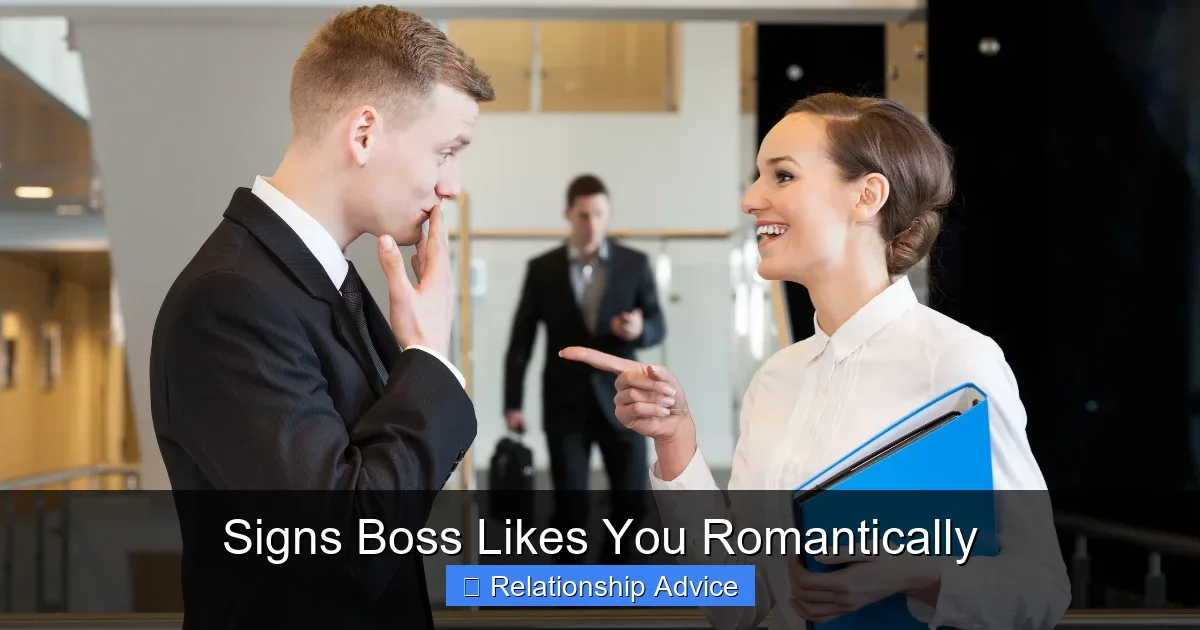
Jealousy is a powerful emotion—and when it shows up in the workplace, it’s often a sign of romantic interest. If your boss reacts strongly when you talk about dating, spend time with coworkers, or even mention a friend of the opposite sex, take note.
Reactions to Your Social Life
Imagine you mention during a meeting that you’re going on a date this weekend. Your boss’s face falls, and they quickly change the subject. Or maybe they ask pointed questions: “Who is he?” “How long have you been seeing him?” “Is it serious?”
These reactions go beyond curiosity. They suggest emotional investment—and possibly insecurity.
Interfering with Your Interactions
Another sign is when your boss interrupts or discourages your interactions with others. For example, they might:
- Assign you last-minute tasks when you’re about to leave for a team happy hour.
- Make sarcastic comments when you laugh with a male colleague.
- Ask you to avoid certain people or departments “for your own good.”
This behavior stems from possessiveness. Your boss may see you as someone they have a claim over—even if they haven’t expressed it directly.
How to Handle It
If you notice jealousy:
- Avoid oversharing about your personal life at work.
- Stay professional in all interactions—don’t flirt or encourage attention.
- If it escalates, consider speaking with HR or a trusted mentor.
Remember: You have the right to your privacy and social life—no matter who’s interested.
5. Their Body Language Reveals Attraction
Sometimes, what isn’t said speaks the loudest. Body language can reveal romantic interest even when words stay professional.
Prolonged Eye Contact
If your boss holds your gaze a little too long—especially during conversations—it may signal attraction. This isn’t the quick eye contact of a confident leader. It’s intense, lingering, and often accompanied by a soft smile.
For example, during a team meeting, you catch your boss staring at you while others speak. When you make eye contact, they don’t look away immediately. That’s a sign.
Mirroring and Leaning In
People naturally mirror the body language of those they’re attracted to. If your boss unconsciously copies your posture, gestures, or speech patterns, it’s a subconscious sign of connection.
Leaning in during conversations—especially in private settings—also indicates interest. It shows they want to be closer, both physically and emotionally.
Open and Relaxed Posture
When someone is attracted to you, they often adopt open body language: uncrossed arms, relaxed shoulders, facing you directly. If your boss only shows this around you—and remains more closed off with others—it’s worth noting.
What to Do
Body language is subtle, so don’t jump to conclusions. But if multiple cues appear together—eye contact, leaning in, mirroring—it’s likely more than coincidence.
Pay attention to how you feel. Do you feel flattered? Uncomfortable? Either way, stay aware of your own boundaries.
6. They Create Opportunities for Private Interaction
Romantic interest often leads people to seek alone time. If your boss is going out of their way to be alone with you—especially in settings that feel personal—it’s a strong sign.
After-Work Invitations
Invitations to dinner, drinks, or weekend events—especially one-on-one—are major red flags. Even if they frame it as “networking” or “mentorship,” the context matters.
For example: “I’d love to take you out for coffee and talk about your career goals.” Sounds professional—until it happens every week, always after hours, and always just the two of you.
Private Spaces and Closed Doors
If your boss frequently closes the door during meetings with you—even for casual chats—it may be an attempt to create intimacy. Closed doors suggest privacy, secrecy, and exclusivity.
Similarly, inviting you to their office for non-work reasons—like “just to catch up”—can be a way to build emotional connection.
What to Consider
Ask yourself:
- Are these invitations work-related?
- Would they extend the same offer to others?
- Do I feel comfortable saying no?
If the answer to any of these is “no,” it’s time to set boundaries.
How to Respond: Protecting Yourself and Your Career
Recognizing the signs is only half the battle. The real challenge is knowing how to respond—especially when power dynamics are involved.
If You’re Not Interested
The safest approach is to remain professional and polite, but firm.
- Decline personal invitations with a neutral excuse: “I appreciate the offer, but I prefer to keep work and personal life separate.”
- Redirect conversations back to work topics.
- Avoid one-on-one settings when possible—suggest group meetings instead.
- If behavior continues, document incidents and consider speaking with HR.
Remember: You are not obligated to reciprocate feelings—or even engage beyond professionalism.
If You’re Interested (But Cautious)
Workplace romance with a boss is risky. But if you’re genuinely interested, proceed with extreme caution.
- Check your company’s policy on supervisor-subordinate relationships.
- Consider transferring to a different team or department first.
- Be transparent—both with each other and, if required, with HR.
- Understand the potential consequences: gossip, favoritism claims, or even job loss.
Even if things start well, power imbalances can create problems down the line. Ask yourself: *Is this worth the risk?*
When to Seek Help
If your boss’s behavior makes you feel unsafe, harassed, or pressured, it’s time to take action.
- Keep a record of dates, times, and details of concerning interactions.
- Speak with HR or a trusted supervisor.
- Know your rights—many companies have strict policies against supervisor-subordinate relationships.
You deserve a workplace where you feel respected and safe.
Conclusion
Figuring out whether your boss likes you romantically is never simple. The signs—extra attention, personal compliments, emotional sharing, jealousy, body language, and private invitations—can be subtle, confusing, and hard to interpret. But when multiple signals appear together, it’s wise to pay attention.
Remember: attraction is natural, but professionalism is essential. Your career, reputation, and well-being matter more than any fleeting connection. Whether you’re flattered, uncomfortable, or unsure, trust your instincts. Set clear boundaries. And don’t be afraid to seek support when needed.
Workplace dynamics are complex, but you don’t have to navigate them alone. By staying aware, respectful, and true to yourself, you can protect your career—and your peace of mind.
Frequently Asked Questions
Can a boss date an employee?
Yes, but it depends on company policy and local laws. Many organizations prohibit supervisor-subordinate relationships due to power imbalances and potential conflicts of interest. Even if allowed, such relationships require transparency and often HR involvement.
What should I do if my boss flirts with me?
Stay calm and professional. Politely redirect the conversation to work topics. If flirting continues, consider setting a clear boundary or speaking with HR. Your comfort and safety are important.
Is it illegal for a boss to like an employee?
No, having feelings isn’t illegal. But acting on those feelings inappropriately—like making unwanted advances or showing favoritism—can cross into harassment or violate workplace policies.
How can I tell if my boss likes me or just values my work?
Look for patterns. If attention is consistent across team members and focused on performance, it’s likely professional. If it’s personal, frequent, and exclusive to you, it may be romantic.
Should I quit if my boss likes me?
Not necessarily. First, assess the situation. Set boundaries, document behavior, and seek support. Quitting should be a last resort—your career shouldn’t be derailed by someone else’s actions.
Can a workplace romance with a boss work out?
It’s possible, but risky. Power imbalances, office gossip, and policy violations can create challenges. If pursued, ensure transparency, equal treatment, and mutual respect—and be prepared for potential consequences.