
Deciding whether to text him first after a fight isn’t about who’s right—it’s about healing, respect, and emotional maturity. The choice depends on your feelings, the fight’s severity, and your relationship goals. With the right mindset, reaching out can rebuild trust and deepen your connection.
Key Takeaways
- It’s not about winning—it’s about reconnecting: Texting first isn’t a sign of weakness; it’s a brave step toward resolution and emotional maturity.
- Timing matters more than pride: Wait until emotions settle before sending a message—rushing in can reignite tension.
- Your emotional state comes first: Only reach out when you feel calm, clear-headed, and ready to communicate without blame.
- Context is key: Consider the nature of the fight—was it a misunderstanding, a recurring issue, or a dealbreaker?
- Boundaries are healthy: If the fight involved disrespect or abuse, prioritize your safety and self-worth over reconciliation.
- Use “I” statements: Frame your message around your feelings, not accusations, to encourage openness.
- Be prepared for any response: He might not reply right away—give him space and focus on your own peace.
📑 Table of Contents
- Should I Text Him First After a Fight?
- Understanding the Emotional Aftermath of a Fight
- When Is It Okay to Text Him First?
- When You Should Think Twice (or Wait)
- How to Text Him First: Tips for a Healthy Message
- The Bigger Picture: Building Healthier Conflict Habits
- Final Thoughts: It’s About Connection, Not Control
Should I Text Him First After a Fight?
Let’s be real—fights happen. Even in the healthiest relationships, disagreements are part of the journey. But what happens after the yelling stops, the silence sets in, and your phone feels heavier than usual? That’s when the real question hits: *Should I text him first after a fight?*
You’re not alone in wondering this. So many people—especially women—feel torn between wanting to fix things and not wanting to “give in.” There’s a fear that reaching out first means you’re admitting fault or losing power in the relationship. But here’s the truth: **initiating contact after a fight isn’t about who’s right or wrong—it’s about who’s willing to grow, listen, and move forward.**
This article will walk you through everything you need to know before hitting send. We’ll explore the emotional dynamics, timing, communication strategies, and when it might be better to step back. Whether you’re in a new relationship or have been together for years, the principles of healthy conflict resolution remain the same. And yes, sometimes that means being the one to break the silence.
Understanding the Emotional Aftermath of a Fight

Visual guide about Should I Text Him First After a Fight
Image source: walkingtowardslove.com
When a fight ends, it’s not just the words that linger—it’s the emotions. Anger, hurt, shame, regret, and even fear can swirl inside you, making it hard to think clearly. That’s why the first step in deciding whether to text him first is understanding what you’re feeling—and why.
Why Silence Feels So Heavy
After a conflict, silence can feel like a punishment. You might replay the argument in your head, wondering if you said too much, not enough, or the wrong thing. You might also worry that he’s angry, distant, or even reconsidering the relationship. This emotional weight can make your phone feel like a ticking time bomb.
But silence isn’t always a bad thing. Sometimes, it’s the body’s way of saying, “I need space to process.” Both you and your partner may need time to cool down, reflect, and gain perspective. Rushing to text in the heat of emotion can backfire—leading to more misunderstandings or defensive responses.
The Role of Pride and Fear
Let’s talk about pride. It’s natural to want to feel respected and valued, especially after a fight. You might think, *If he really cared, he’d reach out first.* And while that sentiment makes sense, it can also trap you in a cycle of waiting—and hoping—that may never come.
Fear plays a big role too. You might be afraid that texting first means you’re “giving in” or that he’ll see you as needy. But here’s a shift in perspective: **reaching out first isn’t about surrendering—it’s about taking responsibility for your part in the relationship.** It shows emotional maturity, self-awareness, and a willingness to repair what’s broken.
Emotional Readiness: The Real Deciding Factor
Before you even think about typing a message, ask yourself: *Am I emotionally ready to talk?* This isn’t about being “over it”—it’s about being in a space where you can communicate without lashing out, shutting down, or seeking revenge.
Signs you’re ready:
– You’ve had time to cool off (at least a few hours, sometimes a day or two).
– You can reflect on your role in the fight without blaming him entirely.
– You’re motivated by connection, not by guilt, obligation, or fear of being alone.
If you’re still fuming, crying, or feeling deeply hurt, it’s okay to wait. Healing takes time. And rushing into a conversation when you’re not ready can do more harm than good.
When Is It Okay to Text Him First?
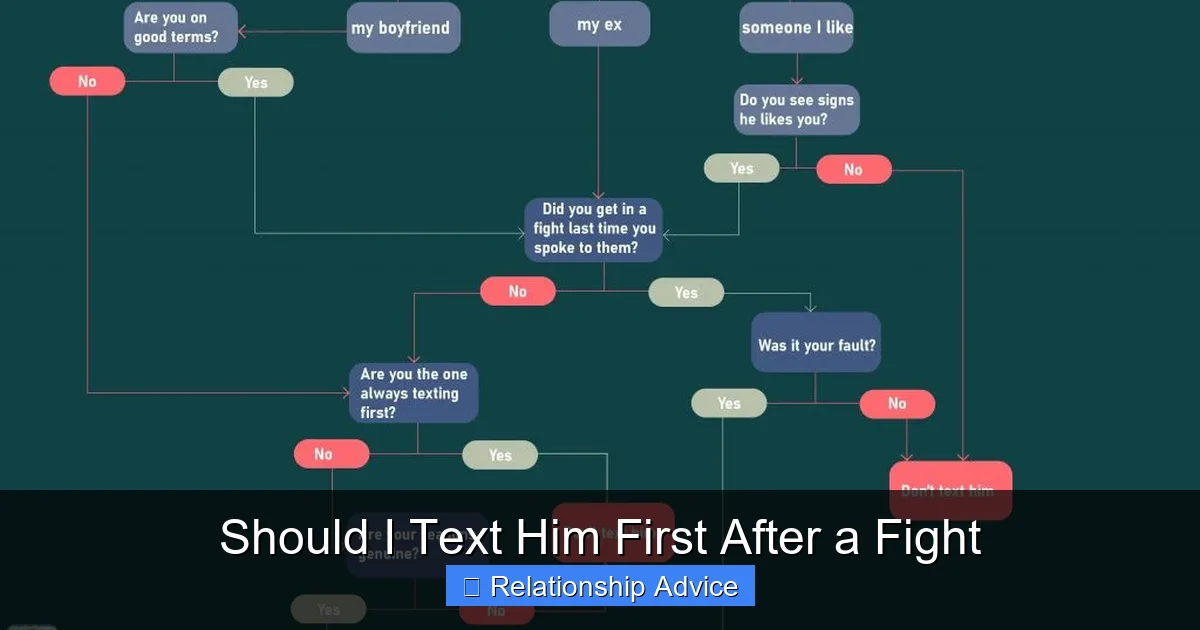
Visual guide about Should I Text Him First After a Fight
Image source: hetexted.com
Now that we’ve covered the emotional groundwork, let’s talk about timing and context. Not every fight is the same, and not every situation calls for the same response. Here’s how to know when it’s appropriate—and even beneficial—to text him first.
After a Misunderstanding or Miscommunication
Some fights aren’t really fights at all—they’re miscommunications. Maybe you both misinterpreted each other’s tone, or one of you was stressed and snapped unfairly. In these cases, the issue isn’t about values or boundaries—it’s about clarity.
If the fight stemmed from a simple misunderstanding, texting first can be a powerful way to reset the tone. A simple message like, *“Hey, I’ve been thinking about our talk yesterday. I think we both got a little heated. Can we chat when you’re free?”* opens the door without assigning blame.
This kind of outreach shows emotional intelligence. It says, *I care about us, and I want to make sure we’re on the same page.* And often, that’s all it takes to turn tension into understanding.
When You Realized You Were Partly (or Fully) in the Wrong
Let’s be honest—sometimes we’re the ones who messed up. Maybe you said something hurtful, overreacted, or ignored his feelings. In those moments, texting first isn’t just okay—it’s the right thing to do.
Taking accountability is one of the most attractive qualities in a partner. It shows humility, self-awareness, and respect. A message like, *“I’ve been thinking about what I said, and I realize I was out of line. I’m sorry. Can we talk?”* can go a long way in rebuilding trust.
And here’s the thing: apologizing doesn’t make you weak. It makes you human. And it gives him the chance to respond in kind—maybe even apologize too.
When the Fight Was Over Something Minor
Not every disagreement needs a week of silence. Sometimes, you fight over something small—like who forgot to take out the trash or what movie to watch. In these cases, holding onto anger feels disproportionate.
If the issue was trivial and you’re both usually quick to resolve things, texting first can prevent unnecessary distance. A lighthearted message like, *“Still mad about the movie debate? 😅 I miss talking to you,”* can break the ice and bring you back together.
These small gestures matter. They show that you value the relationship more than being “right.” And over time, they build a foundation of resilience and ease.
When You’re the More Emotionally Available Partner
In any relationship, one person is often more emotionally attuned or proactive about communication. If that’s you, it’s okay to take the lead sometimes—especially after a fight.
Being the one to reach out doesn’t mean you’re “doing all the work.” It means you’re invested. And that’s not a bad thing. In fact, it can inspire him to step up in other ways.
Think of it like this: relationships are a team sport. Sometimes one player takes the shot; other times, the other does. What matters is that you’re both playing for the same team.
When You Should Think Twice (or Wait)
Visual guide about Should I Text Him First After a Fight
Image source: hetexted.com
Of course, not every situation calls for you to text first. There are times when stepping back, reflecting, or even seeking support is the healthier choice. Here’s when you might want to pause before sending that message.
After a Fight Involving Disrespect or Abuse
If the fight crossed a line—whether it was verbal abuse, name-calling, threats, or physical aggression—your safety and well-being come first. In these cases, texting first can send the message that the behavior is acceptable or that you’re willing to tolerate it.
You deserve to be treated with respect, always. If he said or did something that made you feel unsafe, unheard, or devalued, it’s okay to take space. Reach out to a trusted friend, family member, or counselor. And consider whether this relationship is truly healthy for you.
Reconciliation is possible in some cases—but only with accountability, therapy, and real change. Don’t feel pressured to “fix” things on your own.
When He Has a Pattern of Avoiding Conflict
Some people shut down during fights. They disappear, go silent, or refuse to talk until you initiate. If this is a recurring pattern, texting first every time can create an unhealthy dynamic.
You might start to feel like you’re always the one chasing, apologizing, or fixing things. That’s not fair—and it’s not sustainable.
In these cases, it’s worth having a conversation (when things are calm) about how you both handle conflict. Say something like, *“I’ve noticed that after we fight, you tend to pull away. I understand you need space, but I also need to feel like we can talk things through. Can we find a better way?”*
If he’s unwilling to meet you halfway, that’s a red flag. Healthy relationships require effort from both sides.
When You’re Still Too Emotional
We’ve all been there—sitting with our phone, typing out a message full of anger or desperation, then deleting it because it doesn’t feel right. If you’re still crying, shaking, or feeling overwhelmed, it’s not the time to text.
Sending a message in that state can lead to regret. You might say things you don’t mean, or come across as aggressive or needy. And that can make the situation worse.
Give yourself time. Take a walk, journal your thoughts, or talk to a friend. When you feel calmer, you’ll be able to communicate with clarity and care.
When the Fight Revealed a Deeper Issue
Sometimes, a fight isn’t really about the surface issue—it’s about something deeper. Maybe it’s about trust, commitment, or life goals. If the argument opened up a bigger conversation that needs real attention, a simple text might not be enough.
In these cases, it’s okay to take time to reflect. Ask yourself: *What did this fight really reveal?* And then decide whether you want to address it together—or whether you need to reevaluate the relationship.
You don’t have to have all the answers right away. But you do deserve clarity and honesty.
How to Text Him First: Tips for a Healthy Message
If you’ve decided to reach out, the way you text matters just as much as the decision itself. A thoughtful, respectful message can open the door to healing. A poorly worded one can shut it.
Here’s how to craft a message that invites connection, not conflict.
Use “I” Statements, Not “You” Accusations
Instead of saying, *“You never listen to me,”* try, *“I felt unheard when we talked yesterday.”* This small shift changes everything.
“I” statements focus on your feelings, not his faults. They reduce defensiveness and make it easier for him to listen. They also show emotional maturity—and that you’re not trying to blame or shame.
Example:
– ❌ “You always ignore me when you’re stressed.”
– ✅ “I’ve noticed that when you’re stressed, you pull away. I miss feeling close to you.”
Keep It Simple and Sincere
You don’t need a long, dramatic message. In fact, shorter is often better. A few sincere sentences can be more powerful than a paragraph of explanations.
Try something like:
– *“Hey, I’ve been thinking about our fight. I miss you and I’d like to talk when you’re ready.”*
– *“I’m sorry for how things went down. Can we chat?”*
– *“I don’t want to stay mad. Are you open to talking?”*
These messages are clear, kind, and open-ended. They invite conversation without demanding it.
Acknowledge Your Part (If Applicable)
If you played a role in the fight—even a small one—acknowledging it shows humility and builds trust.
You don’t have to take full blame. Just say something like:
– *“I realize I could have handled that better.”*
– *“I’m sorry I raised my voice. That wasn’t fair.”*
– *“I see now that I misunderstood what you meant.”*
This doesn’t mean you’re admitting he was right. It means you’re willing to grow—and that’s attractive.
Give Him Space to Respond
After you send the message, let it go. Don’t stare at your phone waiting for a reply. He might need time to process, especially if the fight was intense.
If he doesn’t respond right away, that’s okay. You’ve done your part. Now it’s up to him.
And if he doesn’t respond at all? That’s information too. It might mean he’s not ready—or not willing—to work things out. And that’s not a reflection of your worth.
Be Prepared for Any Outcome
Texting first is brave, but it doesn’t guarantee reconciliation. He might reply with anger, indifference, or silence. He might apologize. He might say he needs more time.
Whatever happens, remember: **you chose to act from a place of care and courage.** That’s something to be proud of—regardless of the outcome.
And if the relationship doesn’t move forward? That’s okay too. You’ve learned something about yourself, your boundaries, and what you deserve.
The Bigger Picture: Building Healthier Conflict Habits
Texting first after a fight is just one piece of the puzzle. To build a stronger, more resilient relationship, it’s important to think about how you both handle conflict over time.
Normalize Repair, Not Perfection
No relationship is perfect. But healthy relationships have a rhythm: conflict, repair, connection. The goal isn’t to avoid fights—it’s to recover from them in a way that brings you closer.
When you text first, you’re participating in that repair process. You’re saying, *“I care enough to try.”* And that’s powerful.
Talk About How You Fight
When things are calm, have a conversation about how you both handle disagreements. Ask:
– *“How do you usually process after a fight?”*
– *“What helps you feel safe during an argument?”*
– *“What do you need from me when we’re upset?”*
This kind of meta-conversation builds empathy and prevents future misunderstandings.
Practice Active Listening
When you do talk after a fight, focus on listening—not just waiting to respond. Ask questions like:
– *“Can you help me understand how you were feeling?”*
– *“What did I say that hurt you?”*
– *“How can I do better next time?”*
Listening shows respect and deepens connection.
Know When to Seek Help
If fights are frequent, intense, or unresolved, consider couples counseling. A therapist can help you both communicate more effectively and break unhealthy patterns.
There’s no shame in asking for help. In fact, it’s one of the bravest things you can do for your relationship.
Final Thoughts: It’s About Connection, Not Control
So, should you text him first after a fight? The answer isn’t black and white. It depends on your emotions, the situation, and your relationship goals.
But here’s what’s clear: **choosing to reach out first isn’t about losing power—it’s about claiming your role as an active, caring partner.** It’s about prioritizing connection over pride, growth over being right.
And sometimes, that one text can be the start of something beautiful—a deeper understanding, a stronger bond, a relationship that’s not afraid of conflict because it knows how to heal.
So take a breath. Check in with yourself. And if your heart says it’s time, go ahead and send that message. You’ve got this.
Frequently Asked Questions
Is it weak to text first after a fight?
No, it’s not weak—it’s emotionally mature. Texting first shows courage, self-awareness, and a commitment to the relationship. It’s about prioritizing connection over ego.
How long should I wait before texting after a fight?
Wait until you’re calm and clear-headed—usually a few hours to a day. Rushing in while still emotional can lead to more conflict. Give yourself time to process.
What if he doesn’t respond when I text first?
That’s okay. He might need more time or space. You’ve done your part by reaching out. Focus on your own peace and don’t take silence personally.
Should I apologize even if I didn’t do anything wrong?
You don’t need to apologize for being right, but you can acknowledge the hurt. Say something like, “I’m sorry you felt that way,” to show empathy without admitting fault.
Is it unhealthy if I’m always the one texting first?
It can be, if it creates an imbalance. Healthy relationships require effort from both sides. If he never initiates, it’s worth discussing how you both handle conflict.
What if the fight was about something serious, like trust or betrayal?
In serious cases, a simple text may not be enough. Consider having a face-to-face conversation or seeking couples counseling to address deeper issues with support.