
It’s painful to suspect your partner might be emotionally drifting toward someone else. While not every change in behavior means betrayal, certain patterns—like secrecy, emotional distance, or sudden defensiveness—can signal deeper issues. This guide breaks down the real red flags hes developing feelings for someone else so you can respond with clarity, not confusion.
Key Takeaways
- Emotional withdrawal is a major warning sign: If your partner stops sharing thoughts, feelings, or daily details, they may be redirecting emotional energy elsewhere.
- Increased secrecy around devices and social media: Sudden password changes, hiding screens, or deleting messages can indicate hidden connections.
- Unexplained absences or schedule changes: Frequent “work late” excuses or vague plans may mask time spent with someone new.
- Comparisons to others—especially negatively about you: Saying things like “My coworker actually listens” can be subtle digs that reveal shifting affections.
- Loss of intimacy and physical connection: A noticeable drop in affection, sex, or eye contact often reflects emotional detachment.
- Defensiveness when questioned: Overreacting to innocent questions suggests guilt or fear of being caught.
- Trust your intuition—but verify with evidence: Gut feelings are powerful, but confirm suspicions through consistent patterns, not single incidents.
📑 Table of Contents
- Introduction: When Love Starts to Fade—or Shift
- Emotional Distance: The First Major Red Flag
- Behavioral Changes: Actions That Speak Louder Than Words
- Communication Breakdown: When Conversations Start to Fail
- Intimacy and Affection: The Physical Signs of Emotional Drift
- Trust Your Gut—But Don’t Jump to Conclusions
- Conclusion: What to Do If You See the Red Flags
Introduction: When Love Starts to Fade—or Shift
You know that quiet moment when something feels “off” in your relationship—even if you can’t quite put your finger on it? Maybe your partner used to text you good morning without fail, but now their replies are delayed or nonexistent. Or perhaps they’ve started canceling date nights with flimsy excuses, only to be mysteriously unavailable later that same evening. These aren’t just minor annoyances. They’re potential signs that your partner’s heart might be wandering.
It’s one of the most gut-wrenching experiences in any relationship: suspecting that the person you love is developing feelings for someone else. You might feel confused, anxious, or even ashamed for doubting them—but those feelings are valid. Emotional infidelity doesn’t always involve physical cheating. Sometimes, it starts with secret texts, emotional intimacy with another person, or a gradual withdrawal from the connection you once shared. And while not every shift in behavior means your partner is falling for someone new, certain patterns are hard to ignore.
This article will help you identify the real red flags hes developing feelings for someone else—without jumping to conclusions or ignoring your instincts. We’ll explore emotional, behavioral, and communication cues that often precede romantic detachment. More importantly, we’ll give you practical steps to address what’s happening, whether that means having an honest conversation, setting boundaries, or preparing for a difficult decision. Because knowing the signs isn’t about spying or controlling—it’s about protecting your emotional well-being and making informed choices about your future.
Emotional Distance: The First Major Red Flag
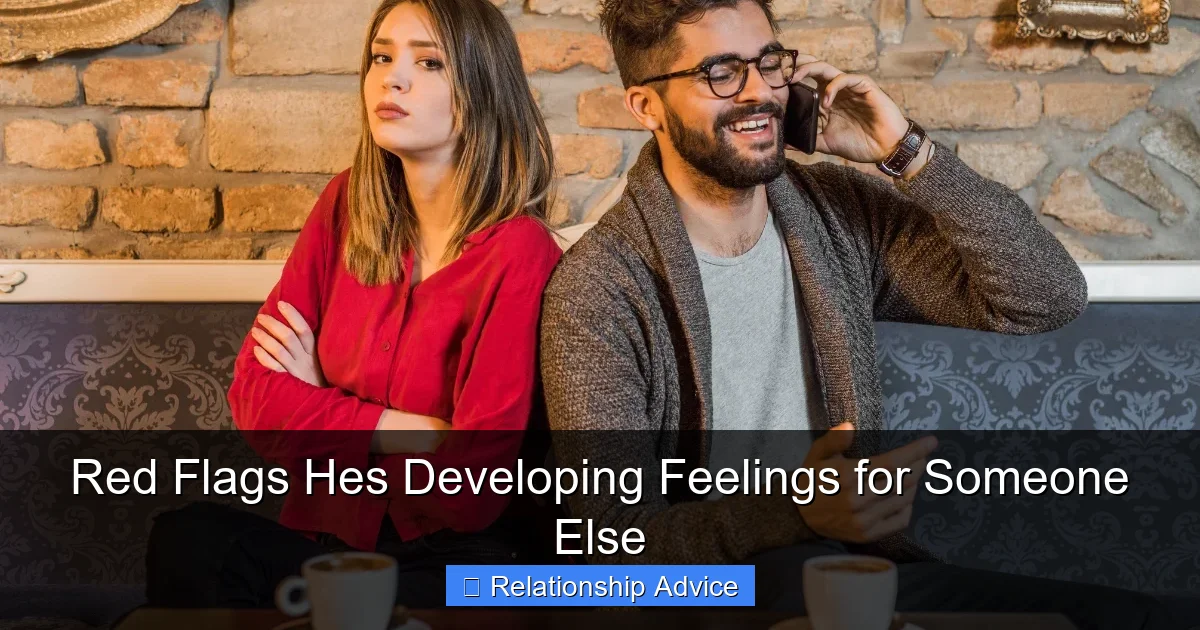
Visual guide about Red Flags Hes Developing Feelings for Someone Else
Image source: realestlove.com
One of the earliest and most telling signs that your partner may be developing feelings for someone else is emotional withdrawal. Relationships thrive on emotional intimacy—the kind of deep connection where you share your fears, dreams, frustrations, and joys without hesitation. When that starts to fade, it’s often because your partner is redirecting that emotional energy elsewhere.
They Stop Sharing the Little Things
Remember how your partner used to tell you about their day—the funny comment a coworker made, the frustrating traffic jam, the delicious lunch they tried? Those small, everyday details are the glue of emotional closeness. But if they’ve suddenly stopped opening up, or give short, vague answers like “It was fine” or “Nothing much,” it could mean they’re sharing those moments with someone else instead.
For example, Sarah noticed her boyfriend, Mark, used to text her throughout the day. Lately, though, his messages stopped. When she asked how his meeting went, he’d reply, “Okay,” and change the subject. Meanwhile, she saw him laughing loudly on a phone call during dinner—something he never did before. That shift wasn’t just about being busy. It was about where his emotional attention was going.
They Seem Distant or Preoccupied
Another sign is when your partner seems physically present but emotionally absent. They might sit next to you on the couch but stare at their phone, lost in thought. Or they might seem irritable or impatient when you try to talk. This isn’t just stress from work—it’s a sign their mind is elsewhere.
Pay attention to body language too. Do they avoid eye contact? Do they turn away when you reach for their hand? These subtle cues often reveal more than words ever could. Emotional distance doesn’t happen overnight. It builds gradually, often as your partner begins forming a deeper bond with someone outside the relationship.
They Compare You Unfavorably to Others
A particularly painful red flag is when your partner starts comparing you—directly or indirectly—to other people. They might say things like, “My friend’s partner always plans fun dates,” or “Jen really knows how to listen.” These comments may seem innocent, but they often reflect a growing admiration for someone else’s qualities—qualities they wish you had.
This isn’t about healthy feedback. It’s about using comparisons to justify their emotional drift. And when those comparisons become frequent, it’s a strong indicator that their heart is no longer fully invested in you.
Behavioral Changes: Actions That Speak Louder Than Words
Visual guide about Red Flags Hes Developing Feelings for Someone Else
Image source: realestlove.com
While emotional distance is hard to ignore, behavioral changes are often even more obvious. These are the tangible actions—or lack thereof—that can’t be easily explained away. If your partner is developing feelings for someone else, their behavior will likely shift in noticeable ways.
Increased Secrecy Around Devices and Social Media
One of the most common red flags hes developing feelings for someone else is sudden secrecy around phones, laptops, or social media. If your partner used to leave their phone unlocked on the table but now keeps it face-down or rushes to close tabs when you walk by, take note.
They might also start using new apps—like encrypted messaging platforms—or delete text histories regularly. Some people even create secret social media accounts or follow new people without telling you. While privacy is healthy in a relationship, extreme secrecy is not. It often signals guilt or fear of being discovered.
For instance, James noticed his wife, Lisa, started taking her phone into the bathroom—something she never did before. When he asked why, she snapped, “I just need some privacy!” Her defensiveness, combined with her sudden habit of logging out of her email every time he entered the room, raised serious concerns.
Unexplained Absences or Schedule Changes
Another behavioral red flag is when your partner starts disappearing without clear explanations. They might say they’re “working late” more often, or claim they’re “running errands” for hours at a time. But when you try to verify—like calling the office or checking their location—their story doesn’t add up.
Be wary of vague plans like “hanging out with friends” without naming who or where. If they’re suddenly unavailable on weekends they used to spend with you, or if they cancel plans last minute with weak excuses, it could mean they’re spending time with someone they’re developing feelings for.
Changes in Routine or Appearance
People often change their habits when they’re trying to impress someone new. Your partner might start working out more, dressing differently, or wearing cologne they never used before. While self-improvement is great, sudden changes—especially if they coincide with other red flags—can be suspicious.
For example, Maria’s husband, Tom, began hitting the gym every morning and started wearing nicer clothes to work. When she asked about it, he said, “Just trying to feel better.” But she later found out he’d been having lunch weekly with a female colleague—someone he’d never mentioned before.
These changes aren’t proof of cheating, but they’re worth paying attention to—especially when combined with emotional distance or secrecy.
Communication Breakdown: When Conversations Start to Fail
Visual guide about Red Flags Hes Developing Feelings for Someone Else
Image source: realestlove.com
Healthy relationships depend on open, honest communication. When that starts to break down, it’s often a sign that your partner is emotionally disengaging—possibly because they’re investing their energy elsewhere.
They Avoid Deep or Meaningful Conversations
If your partner used to talk about the future, your relationship, or personal struggles but now shuts down or changes the subject, it’s a red flag. They might say things like, “Let’s not talk about that right now,” or “I don’t want to fight.” But avoiding important topics isn’t conflict avoidance—it’s emotional withdrawal.
For example, when Alex tried to discuss their anniversary plans, his girlfriend, Chloe, replied, “Can we talk about this later? I’m tired.” Later never came. Over time, their conversations became surface-level—weather, work, TV shows—but nothing that required vulnerability or connection.
They Become Defensive or Hostile When Questioned
Another communication red flag is defensiveness. If you gently ask, “Have you been spending a lot of time with Sarah lately?” and your partner reacts with anger, accusations, or guilt-tripping (“Why don’t you trust me?”), it could mean they’re hiding something.
Defensiveness often stems from guilt. When someone is emotionally involved with another person, even innocent questions can feel like accusations. Their overreaction is a way to shut down the conversation before it gets too close to the truth.
They Stop Initiating Contact
In healthy relationships, both partners make an effort to stay connected. But if your partner stops texting first, rarely calls, or only reaches out when they need something, it’s a sign they’re no longer prioritizing you.
Think about it: when you care about someone, you want to share your day, check in, or just say hi. If that effort disappears, it’s likely because their attention—and affection—is going somewhere else.
Intimacy and Affection: The Physical Signs of Emotional Drift
Physical intimacy is often the first thing to suffer when emotional intimacy fades. If your partner is developing feelings for someone else, you’ll likely notice a drop in affection, sexual interest, or physical closeness.
Decreased Physical Affection
Do they still hold your hand? Give you hugs? Kiss you goodbye? If these small gestures of affection have disappeared, it’s a strong indicator that their emotional connection to you is weakening.
For example, Rachel noticed her husband, David, stopped kissing her goodnight. When she asked why, he said, “I’m just not in the mood.” But weeks passed, and the affection never returned. Meanwhile, she saw him smiling and laughing with a female friend at a party—something he hadn’t done with her in months.
Loss of Sexual Intimacy
A sudden decline in sex or sexual interest is another major red flag. It doesn’t always mean your partner is cheating—stress, health issues, or relationship problems can also affect libido. But when combined with emotional distance or secrecy, it’s worth investigating.
Some people withdraw sexually because they feel guilty about their growing feelings for someone else. Others may be emotionally satisfied elsewhere and no longer crave intimacy with you.
Changes in Eye Contact and Body Language
Nonverbal cues are powerful. If your partner avoids eye contact, turns their body away from you, or seems uncomfortable during physical contact, it’s a sign they’re emotionally detached.
For instance, when you sit close on the couch, do they shift away? When you look at them, do they look down or change the subject? These subtle behaviors often reveal more than words ever could.
Trust Your Gut—But Don’t Jump to Conclusions
One of the hardest parts of suspecting your partner is developing feelings for someone else is knowing whether your fears are justified. You might worry you’re being paranoid or insecure. But your intuition is often right—especially when multiple red flags appear together.
Why Gut Feelings Matter
Your subconscious picks up on tiny cues—tone of voice, facial expressions, timing of responses—that your conscious mind might miss. If something feels “off,” it’s usually because your brain has noticed a pattern that doesn’t add up.
That said, don’t let fear drive your actions. Avoid snooping through their phone or accusing them without evidence. Instead, observe patterns over time. Are they consistently distant? Secretive? Defensive? If so, it’s time to have a conversation.
How to Respond Without Escalating Conflict
When you’re ready to talk, approach the conversation with curiosity, not accusation. Use “I” statements: “I’ve been feeling distant lately, and I’m worried something’s changed,” instead of “You’re always on your phone—who are you talking to?”
Give them space to respond honestly. If they’re developing feelings for someone else, they may not admit it right away. But their reaction—whether defensive, dismissive, or open—will tell you a lot.
When to Seek Support
If you’re struggling to cope, consider talking to a therapist or trusted friend. You don’t have to go through this alone. And if your partner refuses to communicate or continues to act suspiciously, it may be time to reevaluate the relationship.
Remember: you deserve honesty, respect, and emotional safety. Whether your partner is developing feelings for someone else or just going through a rough patch, you have the right to know where you stand.
Conclusion: What to Do If You See the Red Flags
Seeing the red flags hes developing feelings for someone else is painful—but it’s also an opportunity for clarity. You can’t control your partner’s feelings, but you can control how you respond.
Start by gathering your thoughts. Write down the behaviors that concern you. Look for patterns, not isolated incidents. Then, have an honest, calm conversation. Ask open-ended questions and listen to their response.
If they’re willing to work on the relationship, consider couples counseling. If they’re defensive, secretive, or dismissive, it may be a sign the connection is beyond repair.
Above all, prioritize your well-being. Whether you stay or leave, make decisions from a place of strength—not fear. Because love shouldn’t leave you questioning your worth or doubting your reality.
Frequently Asked Questions
How can I tell if my partner is emotionally cheating?
Emotional cheating often involves forming a deep, intimate bond with someone outside the relationship—sharing secrets, seeking emotional support, or spending excessive time together. Look for signs like secrecy, emotional withdrawal, or comparing you unfavorably to others.
Is it normal for my partner to have close friends of the opposite sex?
Yes, it’s normal—as long as boundaries are respected. Problems arise when the friendship becomes emotionally intimate, secretive, or replaces emotional connection with you. Trust and communication are key.
Should I check my partner’s phone if I suspect they’re developing feelings for someone else?
While it’s tempting, snooping can damage trust and escalate conflict. Instead, focus on open communication. If you’re truly concerned, consider couples counseling to address the underlying issues.
Can a relationship recover if one partner develops feelings for someone else?
Yes, but it requires honesty, effort, and professional support. Both partners must be willing to rebuild trust and address the reasons for the emotional drift. Recovery is possible—but not guaranteed.
What if my partner denies everything when I bring up my concerns?
Denial doesn’t always mean innocence. Pay attention to their behavior, not just their words. If red flags persist, consider seeking individual therapy to help you process your feelings and decide your next steps.
How do I protect my emotional health while dealing with this?
Set boundaries, lean on supportive friends or a therapist, and avoid obsessing over every detail. Focus on what you can control—your reactions, self-care, and decisions about the relationship.