

Love isn’t just a feeling—it’s a daily practice of appreciation, presence, and intention. This article explores the real, tangible reasons why saying “I love you” matters and how to express those reasons in ways that build trust, intimacy, and lasting connection.
Key Takeaways
- Love grows through consistent actions: Small, thoughtful gestures—like making coffee or listening without judgment—build emotional safety over time.
- Verbal affirmations deepen intimacy: Saying “I love you because…” helps your partner feel seen, valued, and secure in the relationship.
- Shared values strengthen bonds: Couples who align on core beliefs—like honesty, family, or growth—experience greater long-term satisfaction.
- Vulnerability fosters closeness: Sharing fears, dreams, and imperfections creates deeper emotional connection than perfection ever could.
- Appreciation prevents complacency: Regularly acknowledging what you love about your partner keeps the relationship vibrant and prevents taking each other for granted.
- Love is both a choice and a feeling: While chemistry fades, choosing to show up daily sustains love through life’s ups and downs.
- Personal growth enhances partnership: When both partners evolve individually, they bring fresh energy and perspective into the relationship.
📑 Table of Contents
- Why Saying “I Love You” Matters More Than You Think
- The Science Behind Why We Need to Hear “I Love You”
- Reasons Why I Love You: Beyond the Obvious
- How to Discover Your Own “Reasons Why I Love You”
- Expressing Love in Ways That Last
- When Love Feels Hard: Reconnecting Through Reasons
- The Ripple Effect of Saying “I Love You”
- Final Thoughts: Love Is a Practice, Not a Prize
Why Saying “I Love You” Matters More Than You Think
Love is one of those things we all crave but rarely talk about clearly. We assume our partners know we care—after all, we live together, pay bills, and share Netflix passwords. But here’s the truth: assumptions are the silent killers of intimacy. Without intentional communication, even the strongest relationships can drift into autopilot, where love feels more like habit than passion.
That’s why saying “I love you” isn’t just a sweet phrase—it’s a lifeline. It’s not just about the words themselves, but the reasons behind them. When you say, “I love you because you always make me laugh when I’m stressed,” you’re doing more than expressing affection. You’re validating your partner’s impact on your life. You’re reminding them they matter. And in a world that often feels chaotic and impersonal, that reminder is powerful.
The Science Behind Why We Need to Hear “I Love You”

Visual guide about Reasons Why I Love You
Image source: cdn.quotesgram.com
You might think love is purely emotional, but neuroscience tells a different story. When someone hears “I love you,” their brain releases a cocktail of feel-good chemicals—oxytocin (the bonding hormone), dopamine (the reward chemical), and serotonin (the mood stabilizer). These aren’t just fleeting sensations; they create a biological imprint of safety and connection.
Studies show that couples who regularly express love verbally report higher relationship satisfaction and lower stress levels. Why? Because hearing “I love you” activates the brain’s attachment system, reinforcing the sense that you’re not alone. It’s like a psychological anchor—especially during tough times.
But here’s the catch: generic “I love yous” lose power over time. Your brain craves novelty and specificity. That’s why saying “I love you because you remembered my coffee order today” hits differently than a rote “love you too” at the end of a text. The first one includes context, effort, and attention—the very ingredients of deep emotional intimacy.
How Your Brain Responds to Specific Affirmations
When you give a reason with your “I love you,” you’re engaging your partner’s prefrontal cortex—the part of the brain responsible for reasoning and emotional regulation. This isn’t just feel-good fluff; it’s cognitive reinforcement. Your partner doesn’t just feel loved—they *understand* why they’re loved.
For example, imagine your partner comes home stressed from work. You say, “I love you because you always handle tough days with such grace.” In that moment, they’re not just hearing praise—they’re internalizing a positive identity. They’re thinking, “I am strong. I am capable. I am loved for who I am.” That kind of affirmation builds resilience, both individually and as a couple.
Reasons Why I Love You: Beyond the Obvious
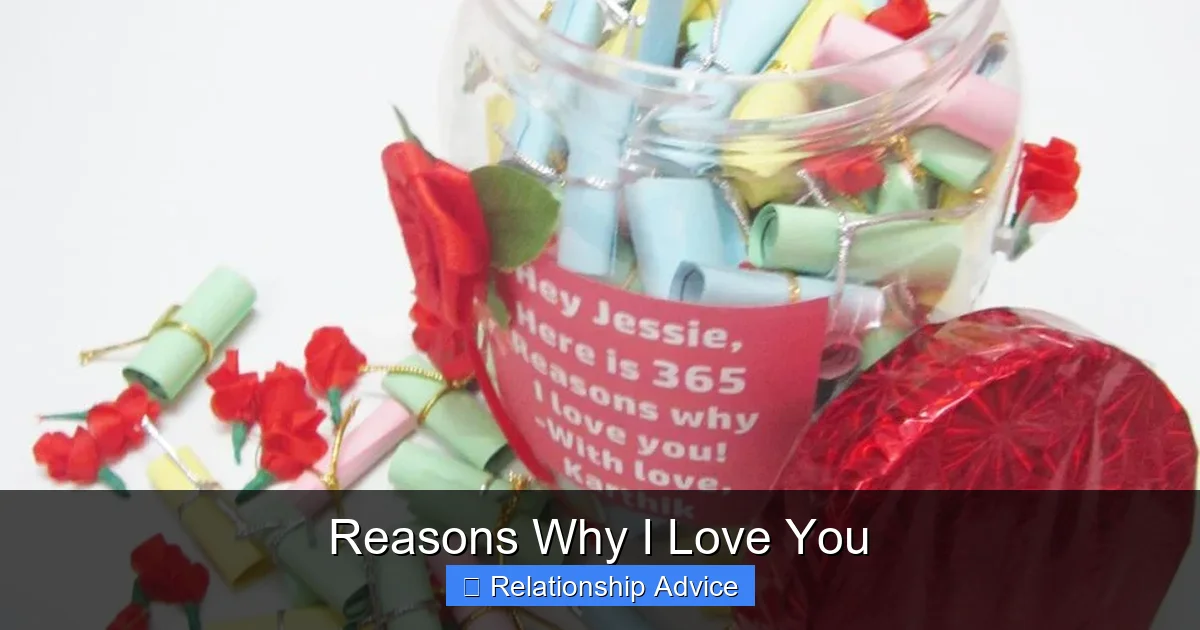
Visual guide about Reasons Why I Love You
Image source: authorlove.com
Most of us default to clichés when expressing love: “You’re beautiful,” “You’re amazing,” “I can’t live without you.” While these aren’t wrong, they’re often vague and don’t reflect the real, everyday magic of a relationship. The most powerful reasons why I love you are the ones that are personal, specific, and rooted in shared experience.
Think about the little things—the inside jokes, the way they hum off-key in the shower, how they always know when you need silence versus conversation. These aren’t grand gestures. They’re the quiet moments that make life feel rich and meaningful. And when you name them, you elevate them from unnoticed habits to cherished rituals.
The Power of the “Because” Statement
Try this simple shift: instead of saying “I love you,” say “I love you because…” and finish the sentence with something real.
– “I love you because you always make me feel heard, even when you’re tired.”
– “I love you because you remember how I take my tea—no sugar, splash of oat milk.”
– “I love you because you’re the first person I want to tell good news to.”
These statements do more than express love—they document your relationship. They become part of your shared story. And over time, they build a reservoir of positive memories that can carry you through conflict, distance, or doubt.
Love in the Mundane: Finding Joy in Daily Life
Romance isn’t just candlelit dinners and surprise vacations. Real love lives in the mundane—the grocery runs, the laundry folding, the late-night talks about nothing and everything. These are the moments that define a relationship.
One couple I know celebrates “Tuesday Tacos”—a weekly ritual where they cook together, play old records, and talk about their week. It’s not fancy, but it’s sacred to them. When one partner says, “I love you because Tuesday Tacos feel like home,” they’re not just talking about food. They’re honoring consistency, partnership, and the comfort of routine.
Another example: a husband once told his wife, “I love you because you still laugh at my terrible jokes, even after ten years.” That simple statement acknowledged her patience, her sense of humor, and the enduring playfulness in their marriage. It wasn’t about grand romance—it was about the joy of being known and still being loved.
How to Discover Your Own “Reasons Why I Love You”
Visual guide about Reasons Why I Love You
Image source: fromtherookery.com
If you’re struggling to articulate why you love your partner, you’re not alone. Many of us assume love is self-evident, but clarity comes from reflection. Here’s how to dig deeper and uncover the real reasons that make your relationship unique.
Start with Observation
Pay attention to the moments when you feel most connected. What was your partner doing? How did they make you feel? Was it their kindness? Their humor? Their quiet strength?
For instance, maybe you noticed how your partner stayed up late to help you prepare for a big presentation. Or how they always check in when you’re traveling alone. These aren’t accidents—they’re choices. And choices reveal character.
Try keeping a “love journal” for a week. Each day, write down one thing your partner did that made you feel loved. At the end of the week, look for patterns. You might discover that you value reliability, emotional availability, or playful spontaneity more than you realized.
Ask Yourself: What Would I Miss Most?
Imagine your partner was gone for a month. What would you miss? Not the big things—the little ones. The sound of their voice in the morning. The way they steal the blanket. The way they always know how to calm you down.
These are your “reasons why I love you” in raw form. They’re the things that make your life feel fuller, safer, and more joyful. When you name them, you turn abstract feelings into concrete appreciation.
Talk About It Together
One of the most intimate things you can do is ask your partner, “What do you love about me?” and then share your own list. This isn’t about fishing for compliments—it’s about mutual understanding.
You might be surprised by what they say. Maybe they love how you remember birthdays. Or how you’re always the first to apologize after a fight. These insights can deepen your appreciation for each other and strengthen your emotional bond.
Expressing Love in Ways That Last
Words are powerful, but love is also shown through action. The best relationships blend verbal affirmation with consistent behavior. Here’s how to make your “reasons why I love you” part of your daily life.
Create Love Rituals
Rituals are repeated actions that carry emotional weight. They don’t have to be elaborate—just meaningful.
– A morning hug that lasts ten seconds (science says this boosts oxytocin).
– A weekly “no phones” dinner where you talk about your highs and lows.
– A bedtime routine where you each share one thing you’re grateful for about the other.
These rituals become anchors in your relationship. They signal: “You are important. This matters.”
Use Love Languages—But Go Deeper
You’ve probably heard of the five love languages: words of affirmation, quality time, physical touch, acts of service, and receiving gifts. While helpful, they’re just a starting point.
The real magic happens when you combine them. For example, if your partner values acts of service, don’t just do the dishes—say, “I love you because I know how much you hate doing dishes, so I wanted to give you a break tonight.” Now you’ve merged action with affirmation.
Or if they value quality time, plan a walk and say, “I love you because I love how we can talk about anything when we’re outside together.” You’re not just spending time—you’re honoring the connection that time creates.
Be Present—Even When It’s Hard
Love isn’t always easy. There will be days when you’re tired, frustrated, or distracted. But presence—real, mindful presence—is one of the deepest forms of love.
Put your phone down. Make eye contact. Listen like you mean it. When your partner speaks, don’t just wait for your turn to talk—really hear them.
One couple I know made a rule: no screens during their 7 p.m. check-in. For 15 minutes, they sit together and talk about their day. No distractions. No multitasking. Just presence. And every night, one of them says, “I love you because I feel so seen when we do this.”
That’s the power of showing up—not perfectly, but consistently.
When Love Feels Hard: Reconnecting Through Reasons
Even the strongest relationships hit rough patches. Stress, miscommunication, or life changes can create distance. But remembering your “reasons why I love you” can be a lifeline during tough times.
Use “I Love You Because” During Conflict
Arguments are inevitable, but they don’t have to destroy connection. When tensions rise, try saying, “I’m upset right now, but I love you because you always try to understand me, even when we disagree.”
This doesn’t dismiss your feelings—it affirms your relationship. It reminds both of you that the bond is stronger than the conflict.
Revisit Your Love Story
When things feel stale, go back to the beginning. What made you fall in love? What moments still make your heart skip?
Look at old photos. Reread early texts. Remind each other of the journey you’ve shared. This isn’t nostalgia for the past—it’s fuel for the present.
One couple I know keeps a “love box” filled with notes, ticket stubs, and small mementos from their relationship. On hard days, they open it together and read the reasons they fell in love. It’s a tangible reminder that their bond is built on real, enduring love.
The Ripple Effect of Saying “I Love You”
When you express love with intention, it doesn’t just affect your partner—it transforms your entire relationship dynamic.
You become more observant. More grateful. More willing to give. And your partner, in turn, feels safer, more confident, and more likely to reciprocate.
This creates a positive feedback loop: the more you express love, the more love you receive. The more you feel loved, the more you want to give.
And that’s how ordinary moments become extraordinary. That’s how love becomes not just a feeling, but a way of life.
Final Thoughts: Love Is a Practice, Not a Prize
We often treat love like a destination—something we achieve when we find “the one.” But real love is a daily practice. It’s choosing to see the good, even when it’s hard. It’s saying “I love you” not because you have to, but because you mean it—and because you can name exactly why.
So the next time you say “I love you,” try adding a reason. Not because it’s required, but because your partner deserves to know what they mean to you. Because love, at its best, isn’t just felt—it’s understood.
And in a world that often feels disconnected, that understanding is the most radical act of love there is.
Frequently Asked Questions
Why do I need to say “I love you” if my partner already knows?
Even if your partner knows you love them, hearing it reinforces emotional security. The brain craves repetition and specificity—generic affirmations lose power over time, but personalized reasons keep love feeling fresh and real.
What if I can’t think of specific reasons to love my partner?
Start small. Observe daily interactions—how they treat others, handle stress, or show kindness. Keep a journal for a week, noting moments that made you feel connected. Patterns will emerge, revealing your true “reasons why I love you.”
Is it okay to say “I love you” during an argument?
Yes—if done with care. Pair it with honesty: “I’m upset, but I love you because I know we can work through this.” This affirms the relationship without dismissing your feelings, helping de-escalate tension.
How often should I express love with reasons?
There’s no magic number, but consistency matters. Aim to share a specific reason at least once a week. Over time, these moments build a reservoir of positive memories that strengthen your bond.
What if my partner doesn’t respond well to verbal affirmations?
Combine words with actions. If they value acts of service, say, “I love you because I wanted to make your morning easier,” while making their coffee. Match your expression to their love language for maximum impact.
Can saying “I love you” too much make it lose meaning?
Only if it’s robotic or generic. When paired with genuine reasons, frequent expressions of love deepen connection. The key is sincerity—say it because you mean it, not because it’s routine.