
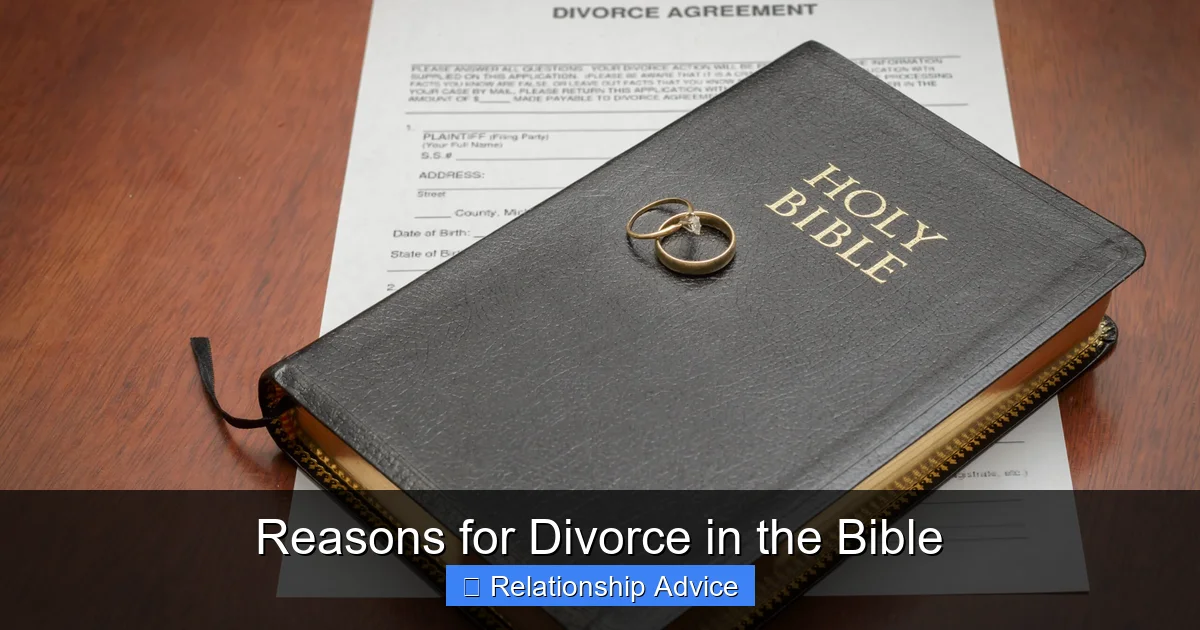
The Bible addresses divorce with clarity and compassion, outlining specific reasons like adultery, abandonment, and abuse. While marriage is sacred, scripture acknowledges human brokenness and provides guidance for difficult decisions.
Key Takeaways
- Adultery is a primary biblical reason for divorce: Jesus explicitly mentions unfaithfulness as grounds for divorce in Matthew 19:9.
- Abandonment by an unbelieving spouse is permitted: Paul teaches that a believing partner may be released if an unbeliever leaves (1 Corinthians 7:15).
- Abuse and neglect may justify separation: While not directly named, principles of safety and dignity support leaving harmful situations.
- Marriage is intended to be lifelong: The Bible upholds marriage as a sacred covenant, making divorce a last resort.
- Reconciliation is always encouraged: Scripture promotes forgiveness and restoration whenever possible.
- Cultural context matters: Ancient laws addressed specific societal issues, but core principles remain relevant today.
- Seek wise counsel before deciding: Spiritual leaders and mentors can provide guidance during marital crises.
📑 Table of Contents
- Understanding Divorce in the Bible: A Compassionate Look
- The Biblical View of Marriage and Divorce
- Adultery: The Most Clear-Cut Biblical Reason for Divorce
- Abandonment by an Unbelieving Spouse
- Abuse and Neglect: When Safety Comes First
- Other Considerations and Cultural Context
- Moving Forward with Hope
Understanding Divorce in the Bible: A Compassionate Look
When it comes to marriage, the Bible paints a beautiful picture—two people becoming one flesh, united in love, commitment, and purpose. Genesis 2:24 sets the tone: “Therefore a man shall leave his father and his mother and hold fast to his wife, and they shall become one flesh.” This ideal reflects God’s design for lifelong partnership. But let’s be honest—real life isn’t always ideal. Marriages face challenges, and sometimes, despite best efforts, they break down.
So where does the Bible stand on divorce? It’s a topic that stirs strong emotions, confusion, and even guilt. Many people wonder: Is divorce ever allowed? What does Scripture really say? The good news is that the Bible doesn’t ignore the reality of broken relationships. Instead, it offers guidance rooted in truth, mercy, and wisdom. While marriage is sacred, the Bible also recognizes human weakness, sin, and suffering. It doesn’t demand people stay in harmful or hopeless situations. Instead, it provides clear reasons when divorce may be permissible—and even necessary.
In this article, we’ll explore the biblical reasons for divorce, not to encourage separation, but to bring clarity and peace to those facing difficult decisions. Whether you’re navigating marital struggles, supporting a friend, or simply seeking understanding, this guide will help you see what Scripture says—with compassion and practical insight.
The Biblical View of Marriage and Divorce
Visual guide about Reasons for Divorce in the Bible
Image source: wp-media.patheos.com
To understand the Bible’s stance on divorce, we first need to grasp its view of marriage. From the very beginning, marriage is portrayed as a divine institution. God created Eve as a “helper suitable” for Adam (Genesis 2:18), not as an afterthought, but as a partner. Their union was more than a social contract—it was a reflection of God’s relational nature. Marriage, in God’s eyes, is meant to be a lifelong covenant, a picture of Christ’s love for the church (Ephesians 5:31-32).
Because of this high view, divorce was not part of God’s original plan. In fact, when God gave the Law to Moses, divorce was already happening—so He regulated it, not because He approved, but because He was dealing with a fallen world. Deuteronomy 24:1-4 describes a situation where a man could divorce his wife if he found “something indecent” about her. This law was meant to limit abuse and protect women from being discarded without cause, not to promote divorce.
Jesus later clarified this passage. In Matthew 19, the Pharisees asked Him if it was lawful for a man to divorce his wife “for any and every reason.” Jesus responded by pointing back to Genesis, saying, “Moses permitted you to divorce your wives because your hearts were hard. But it was not this way from the beginning” (Matthew 19:8). He emphasized that God’s intention was for marriage to be permanent.
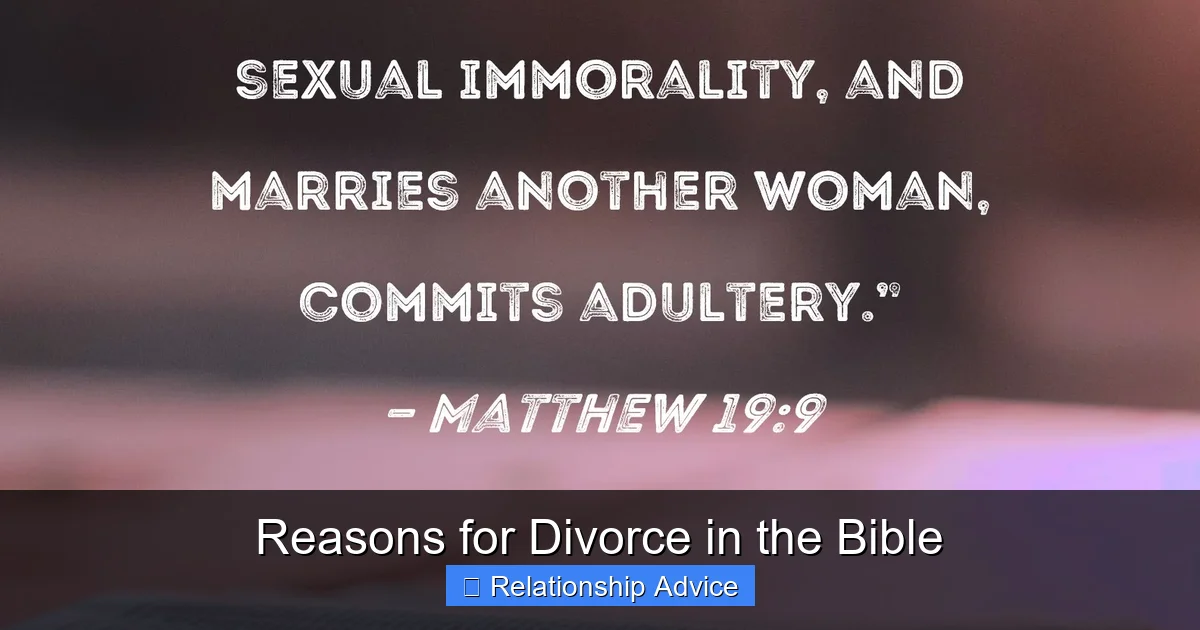
Yet, Jesus didn’t leave people in despair. He acknowledged that while divorce wasn’t ideal, it was sometimes necessary. His words in Matthew 19:9 provide a key biblical reason for divorce: “I tell you that anyone who divorces his wife, except for sexual immorality, and marries another woman commits adultery.” This exception clause shows that Scripture allows for divorce in cases of serious marital betrayal.
So while the Bible upholds marriage as sacred, it also recognizes that sin and brokenness can destroy a relationship. The goal is always reconciliation, but when that’s not possible, the Bible offers grace and direction.
Marriage as a Covenant, Not Just a Contract
One of the most important things to understand is that biblical marriage is a covenant, not a contract. A contract is based on conditions—if you do this, I’ll do that. A covenant is a promise, sealed by commitment and loyalty, even when circumstances change. God’s covenant with His people is a perfect example—He remains faithful even when we fail (Lamentations 3:22-23).
This covenant view means that marriage isn’t just about personal happiness or convenience. It’s about faithfulness, sacrifice, and enduring love. That’s why divorce is such a serious matter—it breaks a sacred promise. But it also means that when a marriage is truly broken, the Bible doesn’t demand people stay in a situation that causes ongoing harm.
Grace in the Midst of Hardship
Let’s be real—marriage is hard. Even the best relationships face trials: financial stress, communication breakdowns, parenting challenges, and personal struggles. The Bible doesn’t promise an easy journey. But it does promise grace. God doesn’t expect perfection; He expects honesty, effort, and a willingness to seek Him.
For those considering divorce, it’s important to remember that God is not angry with you. He understands your pain. He walked through suffering Himself. And He offers wisdom, healing, and hope—even in the midst of brokenness.
Adultery: The Most Clear-Cut Biblical Reason for Divorce
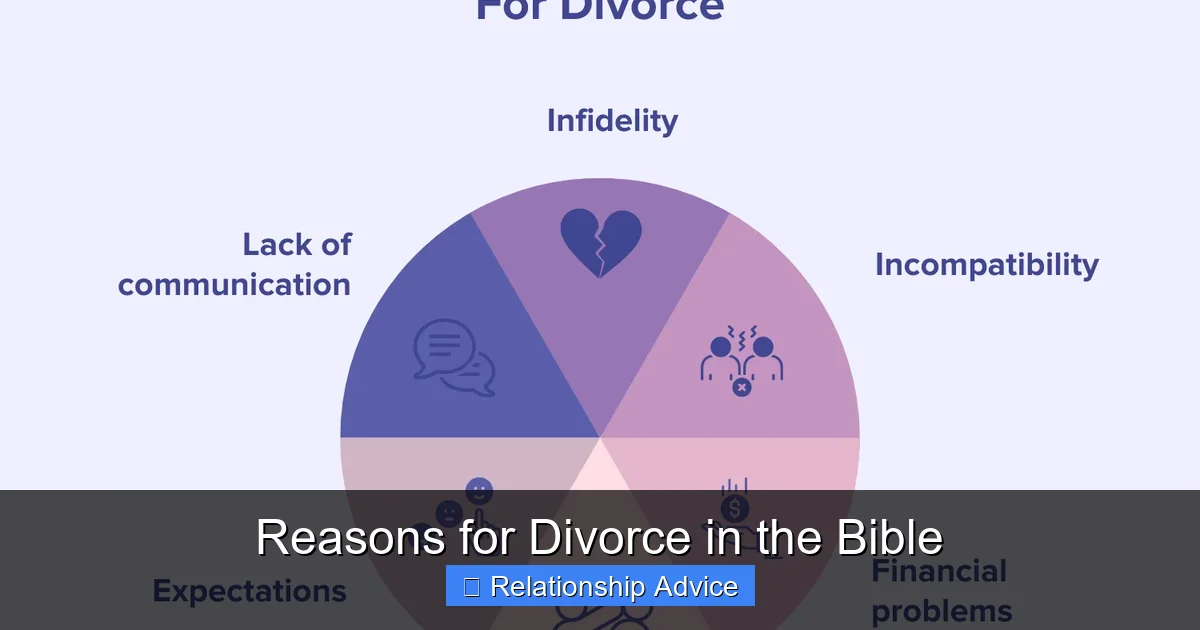
Visual guide about Reasons for Divorce in the Bible
Image source: ylaw.ca
When people ask about biblical reasons for divorce, adultery is usually the first thing that comes to mind—and for good reason. Jesus directly addresses it in Matthew 19:9, saying divorce is permitted “except for sexual immorality.” The Greek word used here is *porneia*, which refers to various forms of sexual sin, including adultery, incest, and prostitution.
Adultery is a profound betrayal. It breaks the trust that marriage is built on. It’s not just a physical act—it’s an emotional and spiritual violation. When one partner is unfaithful, the foundation of the relationship is shaken. The Bible takes this seriously. In Proverbs 6:32, it says, “But a man who commits adultery has no sense; he who does so destroys himself.”
So what does this mean for couples today? If your spouse has been unfaithful, you’re not alone. Many marriages have faced this pain. And while forgiveness is always possible, reconciliation isn’t always wise or safe. The Bible doesn’t require you to stay in a marriage where trust has been shattered and there’s no genuine repentance.
Rebuilding After Infidelity
That said, some couples do recover from adultery. It’s not easy—it takes time, honesty, counseling, and a deep commitment to change. If both partners are willing to work on the relationship, healing is possible. But it’s also okay to choose divorce. You don’t have to stay in a relationship that causes ongoing pain or danger.
If you’re considering divorce due to adultery, seek support. Talk to a pastor, counselor, or trusted friend. Pray for wisdom. And remember—your worth isn’t defined by your spouse’s actions. You are loved, valued, and worthy of a healthy relationship.
Practical Steps After Discovery
– **Take time to process your emotions.** Shock, anger, and grief are normal.
– **Avoid making hasty decisions.** Divorce is a big step—give yourself space to think.
– **Seek professional counseling.** A Christian counselor can help you navigate the pain.
– **Set boundaries.** You may need space from your spouse during this time.
– **Pray for discernment.** Ask God for clarity and peace.
Adultery doesn’t automatically mean divorce—but it is a valid biblical reason to consider it.
Abandonment by an Unbelieving Spouse
Visual guide about Reasons for Divorce in the Bible
Image source: biblehub.com
Another biblical reason for divorce is abandonment, especially when it involves a believing spouse and an unbelieving one. This is addressed in 1 Corinthians 7:15, where Paul writes: “But if the unbeliever leaves, let it be so. The brother or the sister is not bound in such circumstances; God has called us to live in peace.”
This passage is often misunderstood. Some think it means Christians can divorce anytime their spouse leaves. But the context is important. Paul is talking about mixed-faith marriages—where one partner is a believer and the other is not. In such cases, the unbelieving spouse may reject the marriage because of their lack of faith. They may refuse to live together, or even oppose the Christian’s beliefs.
When this happens, Paul says the believing spouse is “not bound.” This means they are not required to stay in the marriage if the other person has chosen to leave. The goal is peace, not forced coexistence.
What Counts as Abandonment?
Abandonment isn’t just physical separation. It can also be emotional or spiritual. For example:
– A spouse who refuses to live with you without valid reason.
– Someone who leaves and cuts off all contact.
– A partner who rejects your faith and creates ongoing conflict.
If your unbelieving spouse has left and shows no intention of returning, you may be free to pursue divorce. But again, seek wise counsel. Talk to a pastor or mentor who can help you interpret your situation in light of Scripture.
Living in Peace
Paul’s emphasis on peace is key. God doesn’t want you to live in constant conflict or anxiety. If your marriage is causing ongoing distress and there’s no hope of reconciliation, it may be time to consider separation or divorce. This isn’t a failure—it’s a step toward healing.
Remember, God’s desire is for you to live in peace, not in a prison of pain.
Abuse and Neglect: When Safety Comes First
The Bible doesn’t use the word “abuse,” but it clearly condemns violence, oppression, and cruelty. Principles throughout Scripture support the idea that people should not remain in dangerous or harmful situations.
For example, Exodus 21:20-21 addresses physical harm: “If a man beats his male or female slave with a rod and the slave dies as a result, the owner must be punished.” While this passage is about slavery, it shows that causing serious harm is a serious matter.
In the New Testament, Peter instructs husbands to treat their wives with respect, “so that nothing will hinder your prayers” (1 Peter 3:7). This implies that mistreatment disrupts one’s relationship with God.
Emotional, verbal, and physical abuse are never acceptable. If you’re in an abusive marriage, your safety comes first. The Bible doesn’t require you to endure ongoing harm. In fact, Proverbs 22:3 says, “The prudent see danger and take refuge, but the simple keep going and pay the penalty.”
Recognizing Abuse
Abuse isn’t always physical. It can include:
– Constant criticism or humiliation
– Controlling behavior (money, friends, activities)
– Threats or intimidation
– Isolation from family and friends
– Sexual coercion
If you’re experiencing any of these, you’re not alone. And you’re not overreacting. Abuse is a serious issue that can destroy a person’s sense of worth and safety.
Steps to Take
– **Reach out for help.** Contact a domestic violence hotline or counselor.
– **Create a safety plan.** Know where you can go in an emergency.
– **Involve trusted people.** Don’t suffer in silence.
– **Consider legal protection.** Restraining orders may be necessary.
– **Pray for strength and wisdom.** God sees your pain and will guide you.
The Bible values human dignity and safety. If your marriage is unsafe, it’s not a sin to leave.
Other Considerations and Cultural Context
It’s important to remember that the Bible was written in a different cultural context. Ancient laws addressed specific issues in Israelite society. For example, Deuteronomy 24 allowed divorce certificates to protect women from being discarded without support. This was progressive for its time.
But we shouldn’t apply every Old Testament law directly today. Instead, we look for timeless principles—like justice, mercy, and love.
Jesus elevated the standard by focusing on the heart. He said anger is like murder, and lust is like adultery (Matthew 5:21-28). This means divorce isn’t just about actions—it’s about motives. Are you seeking divorce for selfish reasons, or to protect yourself from harm?
When Divorce Might Not Be the Answer
Not every marital struggle requires divorce. Many issues—communication problems, financial stress, parenting disagreements—can be resolved with effort, counseling, and prayer. The Bible encourages perseverance: “Love is patient, love is kind” (1 Corinthians 13:4).
Before deciding on divorce, ask:
– Have we tried counseling?
– Is there genuine repentance and effort to change?
– Are we both committed to the marriage?
If the answer is yes, and the relationship is still broken, then divorce may be a valid option.
The Role of the Church
The church should be a place of support, not judgment. Too often, people feel shamed for considering divorce. But Jesus welcomed the hurting. He ate with sinners, healed the broken, and offered grace without conditions.
If you’re facing divorce, find a church that offers compassion, not condemnation. Seek leaders who will walk with you, not lecture you.
Moving Forward with Hope
Divorce is never the end of your story. God is in the business of redemption. He can heal your heart, restore your hope, and lead you into a new chapter.
If you’ve divorced for biblical reasons, you can move forward with peace, knowing you made a wise and godly decision. If you’re still in the process, take it one day at a time. Pray. Seek support. Trust God.
And if reconciliation is possible, pursue it with humility and grace. But if it’s not, remember—God’s love for you never changes. He is with you, even in the hardest moments.
Marriage is a gift, but it’s not the only path to a meaningful life. You are still valuable. You are still loved. And you are not alone.
Frequently Asked Questions
Does the Bible allow divorce for any reason?
No, the Bible does not allow divorce for just any reason. It permits divorce in specific cases, such as adultery or abandonment by an unbelieving spouse, but emphasizes that marriage is intended to be lifelong.
Can Christians remarry after divorce?
The Bible doesn’t give a single answer for all cases, but it allows for remarriage in certain situations, especially when divorce occurred for biblical reasons like adultery or abandonment. Many Christians believe remarriage is possible with God’s grace.
What if my spouse cheated but wants to reconcile?
Reconciliation is possible, but it requires genuine repentance, counseling, and time. Forgiveness doesn’t mean ignoring the pain, but it can lead to healing if both partners are committed to change.
Is emotional abuse a biblical reason for divorce?
While the Bible doesn’t use the term “emotional abuse,” it condemns cruelty and oppression. If your marriage is unsafe or deeply harmful, leaving may be the wisest and most godly choice.
What should I do if I’m considering divorce?
Pray, seek wise counsel from a pastor or counselor, and evaluate your situation honestly. Consider whether reconciliation is possible, but also prioritize your safety and well-being.
Does God forgive people who divorce?
Yes, God offers forgiveness to all who repent and turn to Him. Divorce doesn’t disqualify you from God’s love or grace. He is merciful and understands human weakness.