
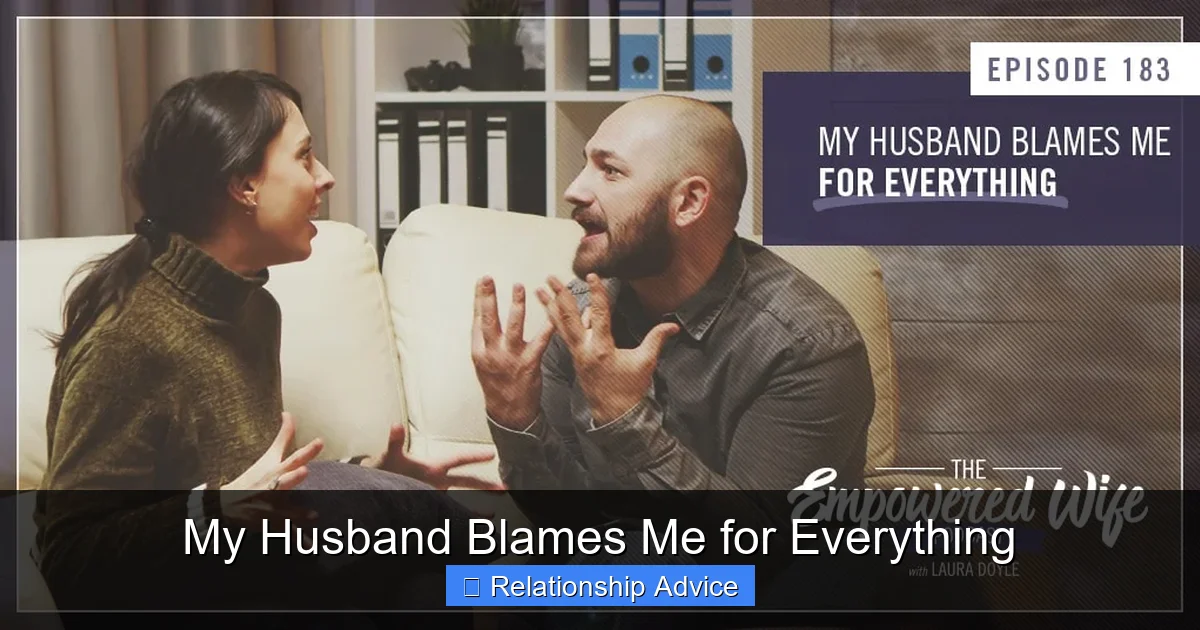
If your husband blames you for everything, it’s not just frustrating—it can erode your self-esteem and damage your relationship. This pattern often stems from deeper issues like poor communication, unresolved resentment, or unmet emotional needs. The good news? With awareness, empathy, and action, you can break the cycle and create a healthier, more balanced partnership.
Key Takeaways
- Blame is often a symptom, not the problem: When your husband blames you for everything, it’s usually a sign of underlying stress, insecurity, or poor emotional regulation—not necessarily your fault.
- Communication breakdown fuels blame: Misunderstandings, unspoken expectations, and defensive reactions make it easy for blame to spiral out of control.
- You deserve respect, even during conflict: Healthy relationships allow for disagreement without personal attacks or constant fault-finding.
- Setting boundaries is essential: Calmly stating what behavior you won’t tolerate protects your mental health and encourages accountability.
- Change starts with one person: You can’t control his actions, but you can shift your responses, model healthy behavior, and seek support.
- Professional help can make a big difference: Couples therapy offers tools to rebuild trust, improve communication, and stop the blame game for good.
- Self-care isn’t selfish—it’s necessary: Prioritizing your emotional well-being helps you respond thoughtfully instead of reacting from hurt or anger.
📑 Table of Contents
- My Husband Blames Me for Everything—Why Does This Happen?
- How Blame Affects Your Emotional and Mental Health
- Why Your Husband Might Be Blaming You (And What to Do About It)
- How to Respond When Your Husband Blames You
- When to Seek Professional Help
- Rebuilding Trust and Creating a Healthier Dynamic
- Final Thoughts: You Are Not to Blame
My Husband Blames Me for Everything—Why Does This Happen?
It starts small. Maybe he says you forgot to pick up the dry cleaning—again. Then it escalates: “You never listen,” or “If you had just planned better, we wouldn’t be late.” Before you know it, every disagreement, missed deadline, or stressful day at work somehow becomes your fault. You walk on eggshells, second-guess your decisions, and wonder, “Am I really this flawed?”
If this sounds familiar, you’re not alone. Many partners—especially women—find themselves trapped in a cycle where their spouse consistently shifts responsibility onto them. It’s exhausting, demoralizing, and can leave you feeling isolated and unheard. But here’s the truth: constant blame rarely reflects reality. Instead, it’s often a red flag pointing to deeper relational or emotional issues.
Blame in marriage isn’t just about who did what wrong. It’s about how we process frustration, manage stress, and express vulnerability. When someone says, “My husband blames me for everything,” they’re usually describing a pattern—not a single incident. This pattern can stem from childhood experiences, personality traits, unmet needs, or even mental health challenges. Understanding the root causes is the first step toward breaking free.
The Psychology Behind Blame in Relationships
Blame is a defense mechanism. When people feel out of control, insecure, or overwhelmed, they often externalize their discomfort by pointing fingers. In marriage, this can become a toxic habit. Your husband may not even realize he’s doing it—especially if blame was normalized in his family growing up.
For example, imagine a man who was raised in a household where his father always criticized his mother for “not managing the household properly.” As an adult, he might unconsciously replicate that dynamic, expecting you to be perfect and blaming you when things go wrong. Or perhaps he struggles with anxiety and uses blame as a way to regain a sense of control: “If she’d just do X, then Y wouldn’t happen.”
Another common factor is emotional immaturity. Some people haven’t learned how to take accountability for their feelings or actions. Instead of saying, “I’m stressed about work,” they say, “You’re making me late because you didn’t pack the kids’ lunches.” This deflection protects their ego but damages the relationship.
It’s also worth noting that blame often increases during life transitions—having a baby, changing jobs, financial stress, or aging parents. These pressures can amplify existing communication issues and make it easier for resentment to build.
Signs You’re in a Blame-Filled Relationship
How do you know if your husband’s criticism has crossed the line into unhealthy blame? Look for these common signs:
- Everything is your fault: From burnt toast to a missed flight, he finds a way to connect it back to something you did—or didn’t do.
- No accountability on his part: He rarely admits mistakes or apologizes. When confronted, he deflects or turns the blame back on you.
- You feel constantly criticized: Even small choices—what to wear, what to cook, how to spend free time—are met with judgment.
- You walk on eggshells: You avoid bringing up concerns or making decisions because you fear his reaction.
- Your self-esteem is suffering: You start doubting your memory, judgment, or worth as a partner and person.
- Conflict never resolves: Arguments go in circles, with no progress or mutual understanding.
If several of these resonate, it’s time to take action—not to “fix” him, but to protect yourself and improve the relationship dynamic.
How Blame Affects Your Emotional and Mental Health
Visual guide about My Husband Blames Me for Everything
Image source: realestlove.com
Living with a partner who blames you for everything isn’t just frustrating—it can take a serious toll on your mental health. Over time, constant criticism and fault-finding can lead to anxiety, depression, and even symptoms of complex PTSD.
When you’re repeatedly told you’re the problem, your brain starts to believe it. This is called gaslighting—a form of psychological manipulation where someone makes you question your reality. For instance, if your husband says, “You’re always so forgetful,” every time you misplace your keys, you might start doubting your memory, even if you’re generally organized.
This erosion of self-trust is dangerous. It can make you hesitant to speak up, set boundaries, or even trust your own instincts. You might start apologizing for things that aren’t your fault or avoiding decisions altogether.
Additionally, the stress of walking on eggshells can lead to physical symptoms: trouble sleeping, headaches, digestive issues, and a weakened immune system. Chronic stress from relational conflict is linked to long-term health problems, including heart disease and high blood pressure.
Emotionally, you may feel isolated, resentful, or emotionally drained. You might withdraw from friends and family, thinking, “No one understands what I’m going through.” Or you might stay in the relationship out of fear—fear of being alone, fear of confrontation, or fear that you’ll never find love again.
But here’s the empowering truth: you are not responsible for his behavior. You are responsible for how you respond to it—and for taking steps to protect your well-being.
Why Your Husband Might Be Blaming You (And What to Do About It)
Visual guide about My Husband Blames Me for Everything
Image source: realestlove.com
Understanding why your husband blames you is crucial—not to excuse his behavior, but to respond with clarity and compassion. Here are some common reasons behind the blame, along with practical ways to address them.
1. He’s Stressed or Overwhelmed
Sometimes, blame is a misplaced outlet for stress. If your husband is dealing with work pressure, health issues, or financial worries, he may take it out on you—even if you’re not the source of the problem.
For example, he comes home late from a tough day at the office and snaps, “Why isn’t dinner ready?” when you’ve been caring for a sick child all day. His frustration isn’t really about dinner—it’s about feeling out of control.
What you can do: Instead of defending yourself immediately, try acknowledging his stress. Say, “You seem really overwhelmed tonight. Want to talk about it?” This shifts the focus from blame to connection. Over time, encourage him to find healthier outlets—exercise, journaling, or talking to a friend.
2. He Has Unmet Emotional Needs
Many people blame their partners because they feel unseen, unheard, or unappreciated. If your husband feels lonely or neglected, he might express it through criticism instead of vulnerability.
For instance, he might say, “You never spend time with me,” instead of, “I miss connecting with you.” The blame masks a deeper need for intimacy.
What you can do: Create space for honest conversations about emotional needs. Ask, “What do you need from me right now to feel supported?” and share your own needs too. Small gestures—like a daily check-in or a weekend walk together—can rebuild emotional closeness.
3. He Lacks Emotional Intelligence
Some people simply don’t know how to express difficult emotions in healthy ways. They may not have learned to identify feelings like sadness, fear, or disappointment—so they default to anger and blame.
This doesn’t mean he’s a bad person. It means he needs tools to communicate better.
What you can do: Model emotional honesty. Say things like, “I feel hurt when you say I’m irresponsible, because I work hard to manage our home.” Use “I” statements to express your feelings without attacking him. Over time, this can encourage him to do the same.
4. There’s a Power Imbalance
In some relationships, one partner uses blame to maintain control. This can be subtle—like constantly questioning your decisions—or overt, like yelling or name-calling.
If your husband dismisses your opinions, interrupts you, or makes you feel small, it may be a sign of emotional abuse.
What you can do: Set firm boundaries. Say, “I won’t accept being spoken to that way. If you want to discuss this, we can do it calmly.” If the behavior continues, consider seeking support from a therapist or domestic violence hotline.
5. He’s Avoiding His Own Issues
Sometimes, blame is a way to avoid facing personal problems—like addiction, depression, or unresolved trauma. By focusing on your “mistakes,” he doesn’t have to confront his own struggles.
What you can do: Gently encourage him to seek help. Say, “I care about you, and I’ve noticed you’ve been really stressed lately. Have you thought about talking to someone?” Offer to help find a therapist or support group.
Remember: you can’t force someone to change. But you can create an environment where change is possible.
How to Respond When Your Husband Blames You
Visual guide about My Husband Blames Me for Everything
Image source: realestlove.com
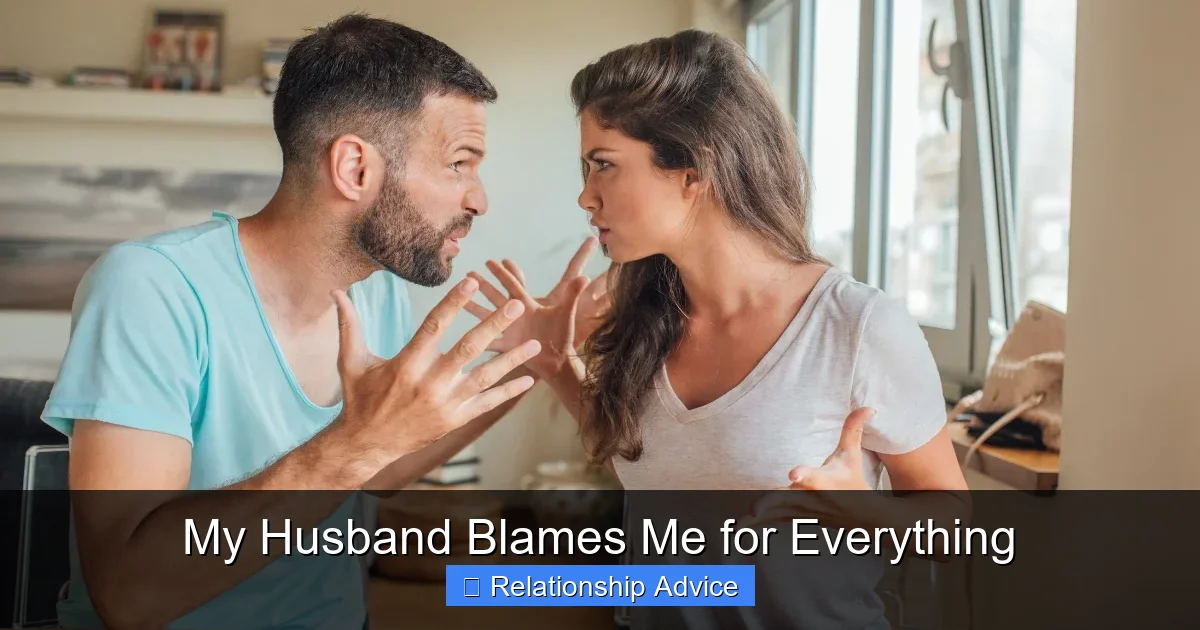
When your husband blames you, your first instinct might be to defend yourself, cry, or shut down. While those reactions are understandable, they often don’t lead to resolution. Here’s how to respond in a way that protects your dignity and promotes healthier communication.
Stay Calm and Grounded
When someone attacks you, your body’s fight-or-flight response kicks in. Your heart races, your mind spins, and you might say things you regret.
Instead, take a breath. Pause. Say, “I need a moment to process this. Let’s talk in 10 minutes.” This gives you space to respond thoughtfully, not react emotionally.
Use “I” Statements
Instead of saying, “You’re always blaming me!” try, “I feel hurt when I’m blamed for things that aren’t entirely my responsibility.” This shifts the focus from accusation to your feelings.
For example:
Him: “You never help with the kids!”
You: “I feel overwhelmed when I’m expected to do everything alone. I’d appreciate it if we could share the responsibilities more evenly.”
This approach reduces defensiveness and opens the door for dialogue.
Ask Clarifying Questions
Sometimes, blame comes from misunderstandings. Ask, “What specifically made you feel that way?” or “Can you help me understand what you needed in that moment?”
This shows you’re willing to listen—without agreeing to unfair blame.
Set Clear Boundaries
If your husband blames you in a way that’s disrespectful or abusive, it’s okay to say, “I won’t accept being spoken to like that. If you want to discuss this, we can do it respectfully.”
Boundaries aren’t about control—they’re about self-respect. And they teach others how to treat you.
Focus on Solutions, Not Fault
Instead of getting stuck in “who did what,” shift the conversation to problem-solving. Say, “I see this is frustrating for both of us. How can we handle this differently next time?”
For example, if he blames you for forgetting an appointment, suggest using a shared calendar or setting reminders together.
When to Seek Professional Help
If the blame continues despite your efforts, it may be time to bring in a professional. Couples therapy can be incredibly effective in breaking destructive patterns and rebuilding trust.
A trained therapist can help you both:
- Identify unhealthy communication habits
- Learn to express emotions without blame
- Develop empathy and active listening skills
- Address underlying issues like trauma or mental health
- Create a shared vision for your relationship
Therapy isn’t a sign of failure—it’s a sign of commitment. Just like you’d see a doctor for a physical injury, you seek a therapist for emotional healing.
If your husband refuses to attend, consider individual therapy for yourself. A therapist can help you process your feelings, set boundaries, and decide what kind of relationship you want moving forward.
Rebuilding Trust and Creating a Healthier Dynamic
Healing from a blame-heavy relationship takes time. But with patience and effort, you can create a partnership based on mutual respect, empathy, and accountability.
Start small. Celebrate moments when your husband takes responsibility or communicates kindly. Acknowledge your own progress, too—like when you set a boundary or responded calmly during conflict.
Focus on building positive interactions. Plan regular date nights, express appreciation daily, and create rituals that strengthen your bond—like a weekly check-in or a shared hobby.
Remember: a healthy relationship isn’t about perfection. It’s about two people who are willing to grow, listen, and support each other—even when it’s hard.
And if, despite your best efforts, the blame continues? That’s not a reflection of your worth. It’s a sign that the relationship may not be serving you. You deserve to be with someone who sees you, values you, and takes responsibility for their own actions.
Final Thoughts: You Are Not to Blame
If your husband blames you for everything, it’s natural to wonder, “What’s wrong with me?” But the truth is, no one deserves to be constantly criticized or made to feel inadequate. You are not the problem—his behavior is.
This journey isn’t about changing who you are. It’s about reclaiming your power, setting boundaries, and choosing a relationship that honors your worth.
You have the right to be heard, respected, and loved—not blamed. And with the right tools and support, you can create a marriage that feels safe, balanced, and full of mutual care.
Take it one day at a time. Be kind to yourself. And remember: you’re not alone.
Frequently Asked Questions
Is it normal for husbands to blame their wives?
No, it’s not healthy or normal for any partner to consistently blame the other. While disagreements happen in every marriage, constant blame is a sign of poor communication or deeper emotional issues that need attention.
What should I do if my husband refuses to change?
Focus on what you can control—your responses, boundaries, and self-care. Consider individual therapy to gain clarity and strength. If the relationship remains toxic, it may be time to reevaluate whether it’s truly meeting your needs.
Can a relationship recover from constant blame?
Yes, with effort, empathy, and often professional help, many couples rebuild healthier dynamics. The key is both partners being willing to reflect, communicate, and take responsibility for their actions.
How do I stop feeling guilty when my husband blames me?
Remind yourself that blame is often about the blamer’s insecurities, not your flaws. Practice self-compassion, journal your thoughts, and talk to a trusted friend or therapist to gain perspective.
Should I confront my husband about his blaming behavior?
Yes—but do it calmly and respectfully. Use “I” statements, choose a neutral time, and focus on how the behavior affects you. Avoid accusations; instead, invite dialogue and change.
When is it time to leave a relationship filled with blame?
If the blame is part of a pattern of emotional abuse, your mental health is suffering, and your partner refuses to change or seek help, it may be time to consider leaving. Your safety and well-being come first.