
Taking a relationship slow allows you to build a strong emotional foundation, avoid common pitfalls, and truly get to know your partner. By focusing on communication, setting boundaries, and enjoying the journey, you create space for deeper connection and lasting love.
Key Takeaways
- Prioritize emotional intimacy over physical intimacy: Building trust and understanding takes time and should come before rushing into physical closeness.
- Communicate openly about your pace: Honest conversations about expectations help align both partners and prevent misunderstandings.
- Set healthy boundaries early: Clear limits around time, space, and commitments protect your individuality and strengthen mutual respect.
- Enjoy solo time and maintain independence: Keeping your own hobbies, friends, and goals ensures a balanced, sustainable relationship.
- Avoid labeling the relationship too soon: Let things unfold naturally instead of forcing titles or timelines that may create pressure.
- Watch for red flags without overanalyzing: Pay attention to consistency and effort, but don’t let fear of imperfection stop you from connecting.
- Celebrate small milestones: Acknowledging progress—like a great conversation or shared laugh—builds positive momentum.
📑 Table of Contents
- Why Taking a Relationship Slow Matters
- Understanding the Benefits of a Slow Relationship
- How to Communicate Your Desire to Take Things Slow
- Setting Healthy Boundaries Without Pushing Them Away
- Maintaining Your Independence While Building Connection
- Avoiding Common Pitfalls When Slowing Down
- Celebrating the Journey, Not Just the Destination
- When to Reassess Your Pace
- Conclusion: Slow Is Not Weak—It’s Wise
Why Taking a Relationship Slow Matters
Starting a new relationship is exciting. The butterflies, the late-night texts, the way your heart skips a beat when they call—it’s easy to get swept up in the moment. But while passion and chemistry are important, they’re not enough to sustain a healthy, long-term partnership. That’s why learning how to take a relationship slow is one of the smartest moves you can make.
Rushing into commitment—whether it’s moving in together after two months, saying “I love you” too soon, or merging social circles before you’ve even had a real argument—can lead to misunderstandings, unmet expectations, and emotional burnout. When you move too fast, you risk confusing intensity for intimacy. You might mistake infatuation for compatibility. And worst of all, you could overlook red flags because everything feels so good in the honeymoon phase.
Taking things slow doesn’t mean you’re hesitant or afraid of love. In fact, it’s quite the opposite. It shows self-awareness, emotional maturity, and respect—for yourself and your partner. It gives you both the space to truly see each other, not just the version you want to see. Slowing down allows you to build a foundation of trust, communication, and mutual understanding. And that foundation? It’s what keeps relationships strong through life’s ups and downs.
Think of it like building a house. You wouldn’t pour the foundation, frame the walls, and add the roof all in one weekend. You take your time, make sure each step is solid, and adjust as needed. Relationships work the same way. The slower you build, the more likely your connection will stand the test of time.
Understanding the Benefits of a Slow Relationship
Visual guide about How to Take a Relationship Slow
Image source: blogdollz.com
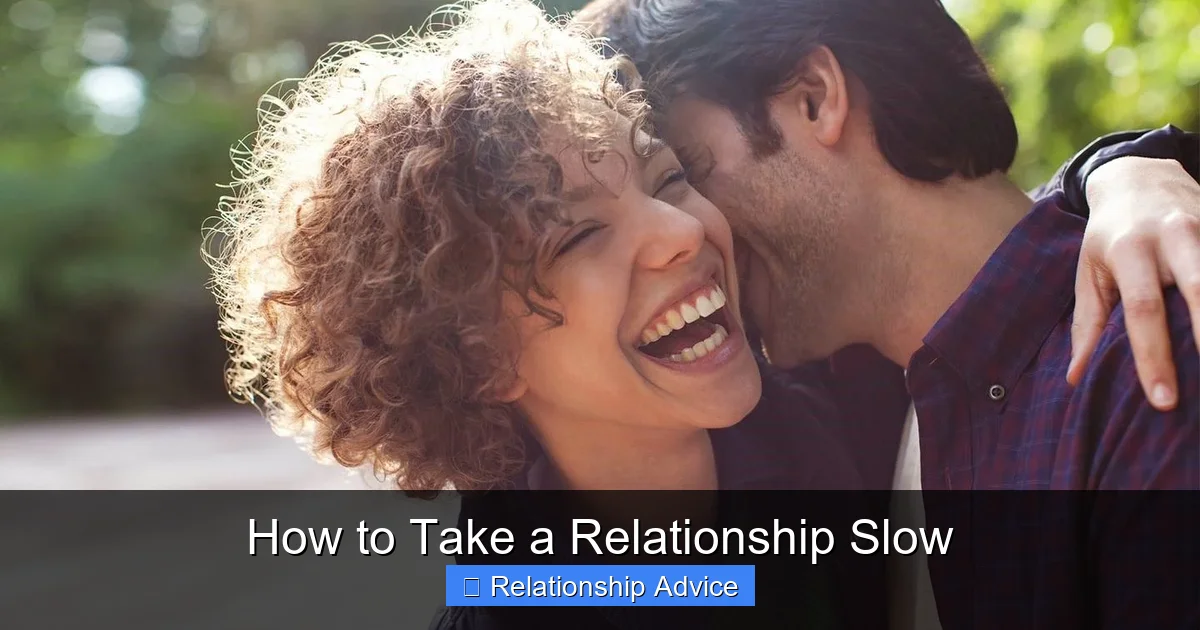
So what exactly do you gain by taking a relationship slow? A lot more than you might think. When you resist the urge to fast-forward through the early stages, you open the door to deeper, more meaningful connection.
One of the biggest benefits is emotional intimacy. This isn’t just about sharing secrets or crying together (though that’s part of it). Emotional intimacy is about feeling safe enough to be vulnerable, to admit your fears, to laugh at your quirks, and to support each other without judgment. It grows over time, through consistent, meaningful interactions. Rushing can short-circuit this process, leaving you feeling close on the surface but disconnected underneath.
Another advantage is better communication. When you’re not caught up in the whirlwind of new romance, you have the mental space to really listen. You can ask thoughtful questions, reflect on your partner’s responses, and share your own thoughts honestly. You’re more likely to notice patterns in how they handle stress, conflict, or disappointment—key insights that help you understand their character.
Taking it slow also helps you maintain your sense of self. It’s easy to lose yourself in a new relationship, especially if you’re eager to please or afraid of being alone. But when you pace things, you protect your independence. You keep doing the things you love, spending time with your friends, and pursuing your goals. This not only keeps you grounded but also makes you a more interesting, fulfilled partner.
And let’s not forget about red flags. When things move quickly, it’s easy to overlook inconsistencies or warning signs. Maybe they cancel plans last minute but always have a good excuse. Or they’re overly affectionate one day and distant the next. Slowing down gives you time to observe behavior over time, not just in the glow of infatuation. You’re more likely to notice if someone’s actions don’t match their words—or if they’re not willing to meet you halfway.
Finally, a slow relationship often leads to greater long-term satisfaction. Studies have shown that couples who take time to build emotional intimacy before physical intimacy report higher relationship quality and lower divorce rates. They’re more likely to stay together because they’ve built a real connection, not just a spark.
How to Communicate Your Desire to Take Things Slow

Visual guide about How to Take a Relationship Slow
Image source: realestlove.com
One of the most important steps in taking a relationship slow is talking about it. But let’s be honest—bringing up pace can feel awkward. You might worry your partner will think you’re not interested, or that you’re playing hard to get. The truth? If they care about you, they’ll appreciate your honesty.
The key is to frame the conversation in a positive, collaborative way. Instead of saying, “I don’t want to move too fast,” try, “I really enjoy getting to know you, and I’d love to take our time so we can build something really strong.” This shifts the focus from hesitation to intention.
Choose a relaxed moment to talk—maybe over coffee or during a quiet walk. Avoid bringing it up during a heated moment or right after a date when emotions are high. You want both of you to feel calm and open.
Be specific about what “slow” means to you. Does it mean not defining the relationship after three dates? Waiting a few months before meeting each other’s families? Taking a break from constant texting? Sharing your boundaries helps your partner understand your perspective and shows that you’re not just being vague or noncommittal.
It’s also okay to admit that you’re nervous. Saying something like, “I really like you, and that’s why I want to be careful—I don’t want to rush something that could be amazing” can be incredibly powerful. Vulnerability builds trust.
And remember: your partner might have a different pace in mind. That’s okay. The goal isn’t to force them to slow down, but to find a middle ground that works for both of you. If they’re resistant or dismissive, that’s a sign to pay attention. A healthy partner will respect your needs, even if they don’t fully share them.
What to Say When You Want to Slow Down
Sometimes, despite your best efforts, things start to speed up. Maybe you’re texting all day, or they’re suggesting weekend trips after just two weeks. When that happens, it’s important to gently pump the brakes.
You might say, “I’ve been thinking—I really value our connection, and I want to make sure we’re both comfortable with how things are moving. Would you be open to slowing things down a bit so we can enjoy getting to know each other without pressure?”
Or, if you’re feeling overwhelmed: “I’ve noticed we’ve been talking a lot lately, and while I love our conversations, I also want to make sure I have time to recharge. Would it be okay if we checked in once a day instead of constantly?”
The goal is to be kind but clear. You’re not rejecting them—you’re protecting the quality of your connection.
Setting Healthy Boundaries Without Pushing Them Away
Visual guide about How to Take a Relationship Slow
Image source: cdn2.momjunction.com
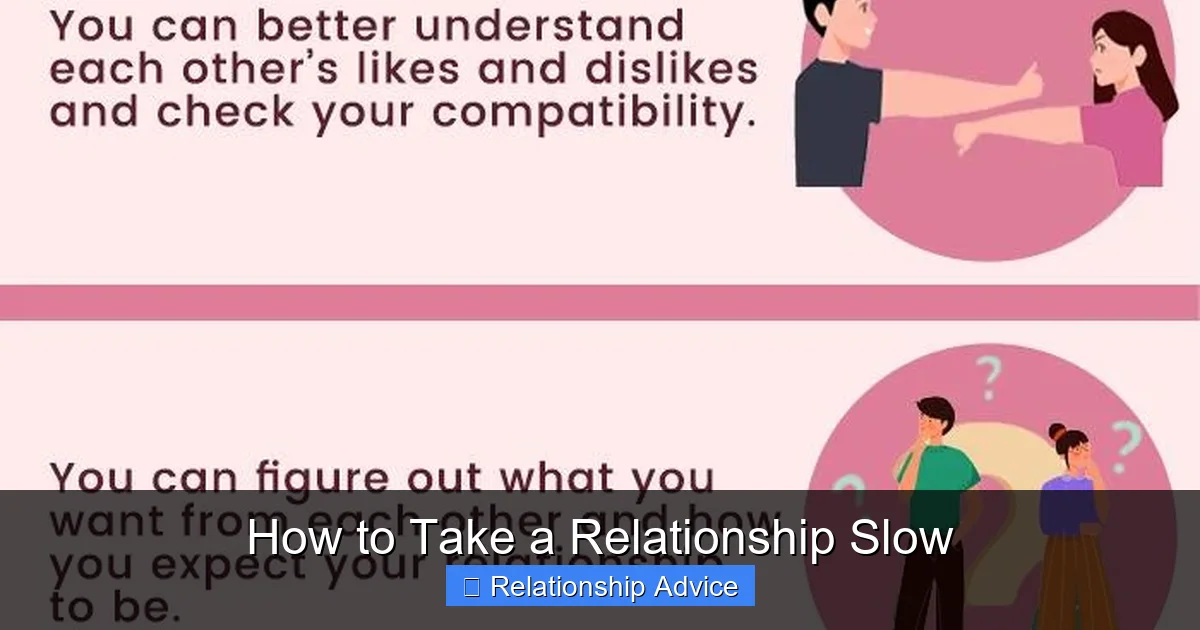
Boundaries are essential in any relationship, but they’re especially important when you’re trying to take things slow. They help you maintain your identity, protect your energy, and create a sense of safety.
Start with time boundaries. It’s okay to say no to plans sometimes. You don’t have to say yes to every date, every phone call, or every invitation. In fact, saying no occasionally shows that you have a life outside the relationship—and that you value your time.
For example, if they ask you out three nights in a row, it’s perfectly reasonable to say, “I’d love to, but I have a friend’s birthday on Thursday. How about Friday instead?” This sets a gentle boundary while still showing interest.
You can also set emotional boundaries. Maybe you’re not ready to share deeply personal stories or talk about past relationships. That’s okay. You can say, “I’m still getting comfortable opening up, but I’m really enjoying our conversations.” This gives your partner insight without pressure.
Physical boundaries are just as important. If you’re not ready for kissing, sleeping over, or saying “I love you,” say so. You don’t owe anyone physical intimacy, no matter how much they like you. A respectful partner will understand and appreciate your honesty.
How to Handle Pushback on Boundaries
Sometimes, your partner might not respond well to your boundaries. They might say things like, “If you really liked me, you’d want to spend more time together” or “Don’t you trust me yet?”
When this happens, stay calm and reiterate your intention. Say, “I really like you, and that’s why I want to be thoughtful about how we move forward. My boundaries aren’t about you—they’re about making sure we build something healthy.”
If they continue to pressure you or make you feel guilty, that’s a red flag. Healthy relationships are built on mutual respect, not manipulation.
Maintaining Your Independence While Building Connection
One of the biggest mistakes people make in new relationships is losing themselves. They cancel plans with friends, stop going to the gym, or abandon hobbies to make more time for their partner. While it’s natural to want to prioritize someone you’re excited about, doing so too soon can backfire.
Maintaining your independence is crucial when taking a relationship slow. It keeps you grounded, prevents codependency, and ensures that your happiness doesn’t rely entirely on one person.
Keep doing the things that make you, you. Go to your book club, take that weekend hiking trip, or spend Sunday morning painting. These activities not only recharge you but also give you stories and experiences to share with your partner.
It’s also important to keep your own support system. Stay close to your friends and family. They offer perspective, laughter, and emotional support—things that are essential, especially in the early stages of a relationship.
And don’t be afraid to spend time alone. Solitude isn’t loneliness. It’s an opportunity to reflect, recharge, and reconnect with yourself. When you’re comfortable being alone, you’re less likely to seek validation from your partner, which leads to healthier dynamics.
Balancing Together Time and Alone Time
Finding the right balance takes practice. A good rule of thumb is to aim for quality over quantity. It’s better to have one meaningful date a week than three rushed ones where you’re both distracted.
You might plan a weekly “us” night—like cooking dinner together or watching a movie—while keeping other nights open for personal time. This creates structure without rigidity.
And remember: it’s okay to miss each other. In fact, a little space can make your time together even more special.
Avoiding Common Pitfalls When Slowing Down
Even with the best intentions, it’s easy to fall into traps when trying to take a relationship slow. One common mistake is overanalyzing every interaction. You might spend hours dissecting a text message or wondering why they didn’t call back right away.
While it’s natural to be curious, overthinking can create unnecessary anxiety. Instead, focus on how you feel overall. Are you enjoying your time together? Do you feel respected and heard? Those are better indicators of compatibility than minor details.
Another pitfall is comparing your relationship to others. Maybe your friend is already engaged after six months, or your sibling moved in with their partner after three. But every relationship is different. What works for someone else might not work for you—and that’s okay.
You might also worry that slowing down means you’re not “into” your partner. But true interest isn’t measured by speed. It’s measured by consistency, effort, and emotional presence.
Finally, don’t use “taking it slow” as an excuse to avoid commitment altogether. If you’re genuinely interested, you’ll still make progress—just at a thoughtful pace. The goal isn’t to delay forever, but to build something real.
Celebrating the Journey, Not Just the Destination
Taking a relationship slow isn’t about withholding love or avoiding labels. It’s about savoring the process. It’s about enjoying the little moments—the inside jokes, the shared silences, the way they laugh at your terrible puns.
Celebrate small milestones. Maybe it’s the first time you talk about your dreams, or the first time they remember your favorite coffee order. These moments build emotional currency, creating a reservoir of positive experiences you can draw from during tough times.
You might even create your own traditions. A monthly “no phones” dinner. A shared playlist that grows over time. A journal where you both write notes to each other. These rituals deepen your connection without rushing it.
And don’t forget to appreciate yourself. Taking a relationship slow takes courage. It means resisting societal pressure, trusting your instincts, and prioritizing long-term happiness over short-term excitement. That’s something to be proud of.
When to Reassess Your Pace
Even the best-laid plans need flexibility. As you get to know your partner, you might realize that your initial pace no longer fits. Maybe you’ve built so much trust and comfort that you’re ready to take the next step. Or maybe you’ve noticed incompatibilities that make you want to slow down even more.
Regular check-ins can help. Every few weeks, ask yourself: How do I feel about our pace? Am I comfortable? Am I growing? Is my partner meeting me halfway?
You can also talk to your partner. Say, “I’ve been thinking about how we’ve been moving, and I’d love to hear how you’re feeling. Are we on the same page?”
The goal isn’t to stick to a rigid timeline, but to stay attuned to your needs and your partner’s. A healthy relationship evolves—and so should your approach.
Conclusion: Slow Is Not Weak—It’s Wise
Taking a relationship slow isn’t a sign of fear or indecision. It’s a sign of strength, self-respect, and emotional intelligence. It’s about choosing depth over drama, connection over convenience, and long-term love over fleeting passion.
By prioritizing communication, setting boundaries, and maintaining your independence, you create the conditions for a truly meaningful partnership. You give yourself the gift of time—to see clearly, to feel deeply, and to build something that lasts.
So the next time you feel the urge to rush, take a breath. Ask yourself what you really want. And remember: the best relationships aren’t built in a sprint. They’re built one thoughtful step at a time.
Frequently Asked Questions
Is it okay to take a relationship slow if my partner wants to move faster?
Yes, it’s completely okay—and healthy—to take a relationship slow even if your partner wants to move faster. Open, honest communication is key. Share your reasons calmly and listen to their perspective to find a balanced pace that respects both of your needs.
How do I know if I’m taking things too slow?
You’re likely not taking things too slow if you’re still enjoying the connection, feeling respected, and seeing gradual progress. If your partner seems consistently frustrated or disengaged, it may be worth discussing whether your paces align.
Can a relationship survive if one person wants to slow down and the other doesn’t?
It depends on mutual respect and compromise. If both partners are willing to communicate and adjust, they can find a middle ground. However, if one person consistently dismisses the other’s boundaries, it may signal deeper incompatibility.
Should I avoid labels like “boyfriend” or “girlfriend” when taking it slow?
Not necessarily. Labels can provide clarity, but they shouldn’t be rushed. Let the title emerge naturally when both of you feel ready. The focus should be on the quality of your connection, not the name you give it.
How long should I wait before becoming exclusive?
There’s no set timeline—focus on emotional readiness instead. Ask yourself if you trust your partner, share core values, and feel comfortable committing. For many, this happens after 2–4 months of consistent, meaningful interaction.
What if I’m afraid of getting hurt by taking things slow?
It’s natural to feel vulnerable, but taking things slow actually reduces the risk of heartbreak by helping you build trust gradually. Focus on self-care and remind yourself that protecting your heart is a sign of strength, not fear.