
Rejection is inevitable, but how you respond defines your resilience. By reframing rejection as feedback, practicing self-compassion, and focusing on growth, you can turn setbacks into stepping stones. Graceful recovery isn’t about avoiding pain—it’s about moving forward with confidence and clarity.
Key Takeaways
- Acknowledge your feelings: Allow yourself to process emotions without judgment.
- Reframe rejection: See it as redirection, not a reflection of your worth.
- Learn from feedback: Use constructive criticism to grow and improve.
- Maintain perspective: One “no” doesn’t define your entire journey.
- Keep moving forward: Take actionable steps toward your next opportunity.
- Practice self-compassion: Treat yourself with kindness during setbacks.
📑 Table of Contents
- How to Recover from Rejection Gracefully
- Understand That Rejection Is Not Personal
- Allow Yourself to Feel the Emotions
- Reframe the Experience with Self-Compassion
- Rebuild Your Confidence Step by Step
- Know When to Let Go and When to Try Again
- Use Rejection as a Catalyst for Growth
- Final Thoughts: Grace Is in the Response
How to Recover from Rejection Gracefully
Rejection stings. Whether it’s a job you really wanted, a date who didn’t call back, or a friend who canceled plans last minute, being turned down can leave you feeling small, embarrassed, or even questioning your worth. I’ve been there—more times than I’d like to admit. There was that time I poured my heart into a proposal for a dream project, only to hear a polite “thanks, but no thanks.” Or when someone I really liked gently let me know they weren’t interested. In those moments, it’s easy to spiral: What’s wrong with me? Why wasn’t I good enough?
But here’s the truth: rejection is not a reflection of your value. It’s a part of life—especially in relationships, careers, and personal growth. The good news? You can recover from rejection gracefully. Not by pretending it didn’t hurt, but by handling it with self-compassion, perspective, and resilience. This isn’t about bouncing back instantly or pretending to be unaffected. It’s about learning how to move forward without letting rejection define you. In this post, I’ll walk you through practical, empathetic steps to help you recover from rejection with grace—so you come out stronger, wiser, and more confident on the other side.
Understand That Rejection Is Not Personal
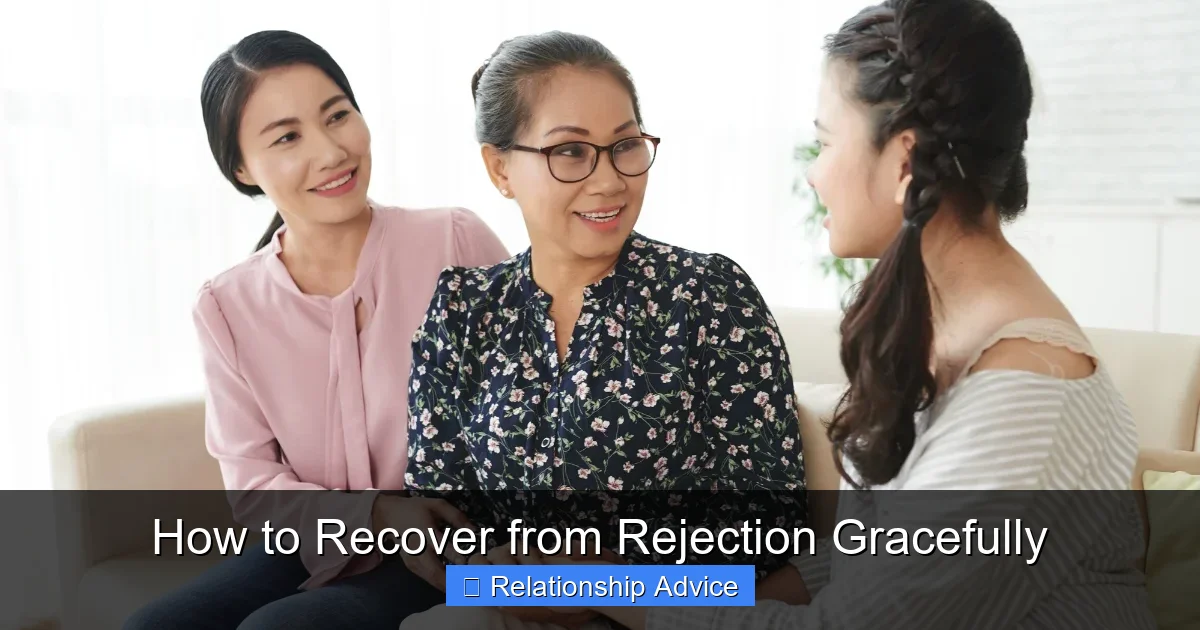
One of the biggest hurdles in recovering from rejection is the belief that it’s about you. That somehow, the person who said no saw something flawed in your character, your appearance, or your abilities. But more often than not, rejection has little to do with who you are as a person. It’s about fit, timing, preferences, or circumstances—none of which are within your full control.
Visual guide about How to Recover from Rejection Gracefully
Image source: realestlove.com
Rejection Is About Compatibility, Not Worth
Think of it like this: if you’re shopping for shoes and a pair doesn’t fit, does that mean your feet are wrong? Of course not. The shoes just weren’t right for you. The same logic applies to relationships, jobs, or opportunities. Just because someone didn’t choose you doesn’t mean you’re unworthy. It means you weren’t the right match for them at that moment.
For example, imagine you ask someone out on a date, and they say no. Maybe they’re not ready to date. Maybe they’re focusing on their career. Maybe they’re already seeing someone. None of these reasons have anything to do with your charm, kindness, or attractiveness. They’re about their life, not yours.
Timing Plays a Bigger Role Than You Think
Timing is everything. I once applied for a job I was perfect for—only to find out later the company had already filled the role internally. My qualifications were strong, but the timing was off. Similarly, in dating, two people might be great for each other, but if one is healing from a breakup or dealing with family stress, they might not be emotionally available—even if they like you.
Recognizing that timing influences rejection helps take the sting out of it. It’s not that you failed; it’s that the moment wasn’t right. And that’s okay. The right opportunity—or person—will come along when the timing aligns.
Everyone Faces Rejection—Even the “Successful” Ones
It’s easy to look at people who seem to have it all and assume they’ve never been rejected. But the truth is, everyone faces rejection—even the most confident, accomplished people. J.K. Rowling was rejected by 12 publishers before Harry Potter was accepted. Oprah was told she wasn’t fit for TV early in her career. And in dating, even the most charismatic people get turned down.
Knowing this doesn’t minimize your pain, but it does put it in perspective. Rejection is a universal experience. It doesn’t mean you’re behind or broken. It means you’re human.
Allow Yourself to Feel the Emotions
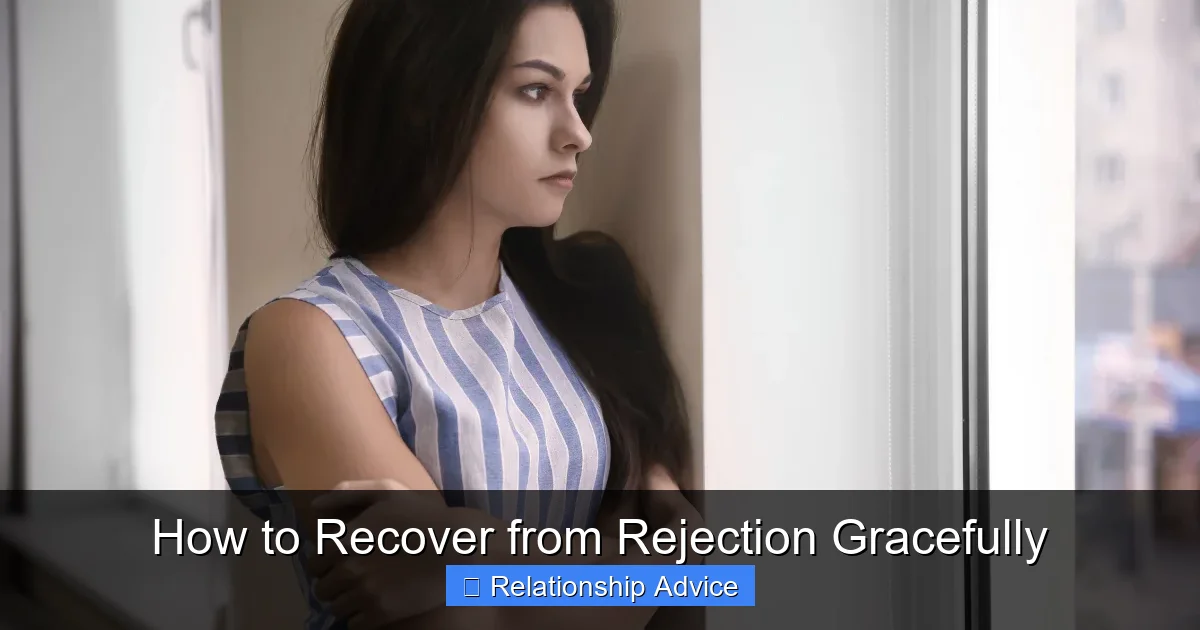
When rejection hits, your first instinct might be to shut down, pretend it doesn’t matter, or immediately distract yourself. But avoiding your emotions only prolongs the healing process. To recover gracefully, you need to feel—and process—what you’re going through.
Visual guide about How to Recover from Rejection Gracefully
Image source: realestlove.com
It’s Okay to Be Sad, Angry, or Disappointed
Rejection triggers real emotional responses. You might feel sadness, frustration, embarrassment, or even anger. These feelings are valid. Trying to suppress them can lead to resentment or low self-esteem over time. Instead, give yourself permission to feel.
For instance, after a breakup, I once spent an entire evening journaling about how unfair it felt. I cried, I vented, I even wrote a letter I never sent. It wasn’t pretty, but it helped me release the emotions I’d been bottling up. By acknowledging my pain, I was able to start moving forward.
Use Healthy Outlets to Process Your Feelings
How you express your emotions matters. Instead of lashing out, isolating yourself, or numbing the pain with unhealthy habits, try these constructive outlets:
- Talk to a trusted friend: Sometimes just saying the words out loud helps. Choose someone who listens without judgment.
- Write it down: Journaling can help you untangle your thoughts and gain clarity. Write about what happened, how it made you feel, and what you learned.
- Move your body: Exercise releases endorphins, which can improve your mood. A walk, a dance session, or a workout can help you process emotions physically.
- Create something: Channel your feelings into art, music, or writing. Creativity can be incredibly therapeutic.
Set a Time Limit for Grieving
While it’s important to feel your emotions, don’t let them consume you indefinitely. Give yourself a set period—say, 24 to 48 hours—to fully experience the disappointment. During this time, allow yourself to be sad, reflect, and even cry if needed. But once that window closes, gently shift your focus toward healing and forward movement.
This isn’t about rushing the process. It’s about setting boundaries so you don’t get stuck in a cycle of rumination. You’re honoring your feelings while also protecting your mental well-being.
Reframe the Experience with Self-Compassion
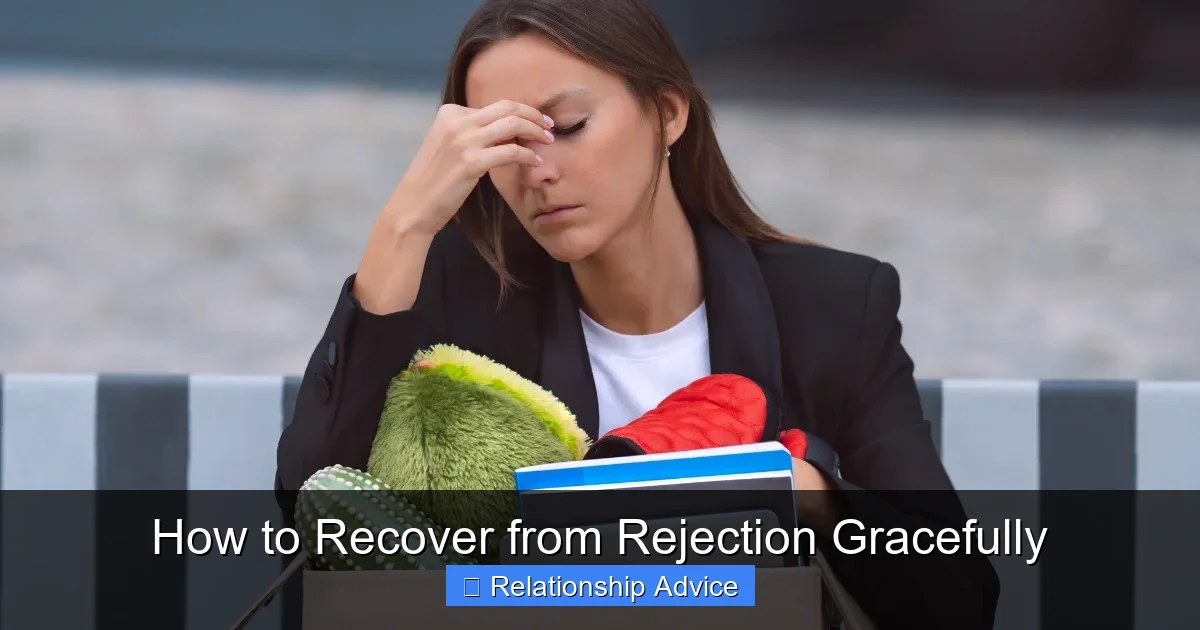
After the initial wave of emotion passes, the next step is to reframe the rejection. Instead of seeing it as a failure, try to view it as feedback—or even a redirection. This shift in perspective is where true grace begins.
Visual guide about How to Recover from Rejection Gracefully
Image source: realestlove.com
Ask Yourself: What Can I Learn?
Rejection often holds valuable lessons, even if they’re hard to see in the moment. Ask yourself honest, non-judgmental questions:
- Was there something I could have communicated more clearly?
- Did I overlook any red flags?
- What would I do differently next time?
- What strengths did I demonstrate, even if the outcome wasn’t what I wanted?
For example, after a job rejection, I once realized I hadn’t prepared enough for the behavioral interview questions. Instead of beating myself up, I used that insight to improve my interview skills. The rejection became a stepping stone, not a stumbling block.
Practice Self-Compassion, Not Self-Criticism
It’s easy to fall into the trap of self-blame: “I’m not smart enough,” “I’m not attractive enough,” “I always mess things up.” But these thoughts only deepen the pain. Instead, treat yourself like you would a close friend.
Imagine your best friend came to you after a rejection. What would you say? Probably something kind and encouraging: “That really sucks, but you’re amazing. This doesn’t define you.” Now, say that to yourself.
Self-compassion means acknowledging your pain without judgment. It’s saying, “This hurts, and that’s okay. I’m doing my best, and that’s enough.”
Focus on What You Can Control
Rejection often leaves us feeling powerless. But you do have control over your response. You can’t control whether someone says yes or no, but you can control how you react, what you learn, and how you move forward.
Shift your focus from what went wrong to what you can do next. Maybe it’s updating your resume, working on a new skill, or putting yourself out there again. Taking small, proactive steps rebuilds your sense of agency and confidence.
Rebuild Your Confidence Step by Step
Rejection can chip away at your self-esteem, especially if it happens repeatedly. But confidence isn’t something you either have or don’t have—it’s something you build, one experience at a time. Here’s how to rebuild it gracefully.
Celebrate Your Courage
Simply putting yourself out there takes courage. Whether you asked someone out, applied for a job, or shared your creative work, you took a risk. That’s worth celebrating—even if the outcome wasn’t what you hoped for.
I remember once sending a vulnerable message to someone I liked, only to get a polite decline. At first, I felt embarrassed. But then I reminded myself: “I was brave enough to be honest. That matters.” Acknowledging your courage helps balance the narrative.
Focus on Your Strengths
When rejection hits, it’s easy to fixate on perceived flaws. Instead, make a list of your strengths—qualities that have nothing to do with the rejection. Are you kind? Resilient? Creative? Hardworking? Write them down and revisit them when self-doubt creeps in.
You might also ask people who know and care about you what they admire about you. Their perspective can be a powerful reminder of your worth.
Take Small, Confident Actions
Confidence grows through action. Start with small, manageable steps that align with your goals. If you’re recovering from a romantic rejection, maybe it’s going to a social event or joining a new group. If it’s a career rejection, perhaps it’s networking or taking an online course.
Each small win builds momentum. Over time, these actions reinforce the belief that you are capable, worthy, and resilient.
Know When to Let Go and When to Try Again
One of the trickiest parts of recovering from rejection is deciding what to do next. Should you move on? Or should you try again? There’s no one-size-fits-all answer, but here are some guidelines to help you decide.
Assess the Situation Honestly
Ask yourself:
- Is this person or opportunity truly right for me, or am I holding on out of fear of being alone or missing out?
- Have I received consistent feedback that suggests I need to improve in a specific area?
- Am I trying again for the right reasons—or just to prove something?
For example, if someone has clearly stated they’re not interested, continuing to pursue them is not graceful—it’s disrespectful. But if you’re applying for jobs and getting feedback that your resume needs work, that’s a sign to improve and try again.
Let Go with Dignity
Sometimes, the most graceful thing you can do is let go. This doesn’t mean you didn’t care. It means you respect the other person’s choice—and your own well-being.
Letting go might look like:
- Unfollowing someone on social media to avoid constant reminders
- Declining to reapply for a job that’s no longer a good fit
- Saying, “I understand. I wish you all the best,” and meaning it
Letting go frees up emotional space for new opportunities and relationships that are a better match.
Try Again—When It Makes Sense
On the other hand, sometimes trying again is the right move. If you’ve learned from the experience, improved your approach, and the opportunity still aligns with your values, go for it—with grace and confidence.
For instance, after a failed job interview, I once asked for feedback, worked on my presentation skills, and reapplied six months later. This time, I got the job. The rejection wasn’t the end—it was part of the journey.
Use Rejection as a Catalyst for Growth
The most graceful way to recover from rejection is to let it fuel your growth. Instead of seeing it as a setback, view it as a redirection toward something better.
Track Your Progress Over Time
Keep a simple journal or note on your phone where you record rejections and what you learned from them. Over time, you’ll see patterns—and progress. You might notice that you’re handling rejection with more ease, or that you’re taking bigger risks.
Here’s a simple table to help you reflect:
| Rejection | Initial Reaction | What I Learned | How I Grew |
|---|---|---|---|
| Job application declined | Felt inadequate | Need to improve interview skills | Took a public speaking course |
| Date said no | Felt unattractive | Timing wasn’t right | Focused on self-care and hobbies |
| Friend canceled plans | Felt unimportant | They were overwhelmed | Learned to set boundaries |
This kind of reflection turns pain into progress.
Stay Open to New Possibilities
Rejection often closes one door—but it can open another. When I didn’t get that dream job, I ended up freelancing, which led to unexpected opportunities and a more flexible lifestyle. When a relationship ended, I had space to focus on personal goals I’d neglected.
Stay open. Say yes to new experiences. You never know where they might lead.
Final Thoughts: Grace Is in the Response
Recovering from rejection gracefully doesn’t mean you don’t feel the hurt. It means you don’t let the hurt define you. It means you feel your emotions, learn from the experience, and move forward with kindness—toward yourself and others.
Grace is in how you treat yourself after a “no.” It’s in the way you speak to yourself, the actions you take, and the perspective you choose. It’s in knowing that rejection is not the end of your story—it’s just a chapter.
So the next time rejection comes your way, remember: you are not less because someone said no. You are not broken. You are human—and you are capable of resilience, growth, and grace. Keep going. The right opportunities, relationships, and moments are still ahead. And when they come, you’ll be ready—not in spite of the rejections, but because of how you handled them.
Frequently Asked Questions
How can I recover from rejection gracefully without losing self-confidence?
Recovering from rejection gracefully starts with acknowledging your feelings without judgment. Remind yourself that rejection is a normal part of life and doesn’t define your worth or abilities.
What are some practical steps to bounce back after being rejected?
Focus on self-care, reflect on the experience for growth, and take small, positive actions to rebuild momentum. Surrounding yourself with supportive people can also help you regain perspective and confidence.
How do I stop overthinking after a rejection?
Limit rumination by redirecting your thoughts to productive activities or mindfulness practices. Accept that rejection often has more to do with fit or timing than personal failure.
Can rejection actually be beneficial in the long run?
Yes, rejection can lead to valuable lessons, increased resilience, and better opportunities down the line. Many successful people credit their growth to overcoming repeated rejections.
How do I respond gracefully when someone rejects my idea or proposal?
Thank them for their time and feedback, and express openness to future collaboration. Maintaining professionalism and positivity helps preserve relationships and your reputation.
What’s the best way to recover from romantic rejection?
Allow yourself to grieve the loss, but avoid blaming yourself or the other person. Focus on self-love and personal growth to heal and prepare for healthier connections in the future.