
Dealing with a passive aggressive spouse can feel like walking on emotional eggshells—frustrating, confusing, and exhausting. But with patience, clear communication, and emotional awareness, you can break the cycle and foster a healthier, more honest relationship.
Key Takeaways
- Recognize the signs: Passive aggressive behavior includes sarcasm, silent treatment, backhanded compliments, and indirect resistance. Spotting these patterns is the first step toward change.
- Stay calm and avoid escalation: Reacting emotionally often fuels the cycle. Responding with calmness and clarity helps de-escalate tension.
- Use “I” statements: Instead of blaming, express how their behavior affects you. For example, “I feel hurt when you say things sarcastically” is more effective than “You’re always so mean.”
- Set clear boundaries: Define what behavior is unacceptable and what you need to feel respected. Consistency is key.
- Encourage open communication: Create safe spaces for honest dialogue. Ask open-ended questions and listen without judgment.
- Seek professional help if needed: A couples therapist can guide you both through underlying issues and teach healthier communication skills.
- Practice empathy and self-care: Understand their possible insecurities while protecting your own mental health. You can’t pour from an empty cup.
📑 Table of Contents
- Understanding Passive Aggressive Behavior in Marriage
- Why Passive Aggression Hurts Your Relationship
- How to Respond Without Escalating the Conflict
- Encouraging Open and Honest Communication
- When to Seek Professional Help
- Practicing Empathy and Self-Care
- Building a Healthier Relationship Moving Forward
- Conclusion
Understanding Passive Aggressive Behavior in Marriage
Marriage is meant to be a partnership built on trust, love, and open communication. But when one partner uses passive aggressive tactics, it can feel like you’re in a relationship with a ghost—present, but emotionally distant and hard to reach. You might find yourself constantly guessing what your spouse really means, decoding sarcasm, or feeling guilty for things you didn’t do.
Passive aggression isn’t about being “nice” or “avoiding conflict.” It’s a way of expressing anger, resentment, or frustration indirectly—often because the person doesn’t feel safe or skilled enough to speak up directly. Instead of saying, “I’m upset you didn’t help with the kids,” they might sigh loudly, “forget” to do a task, or make a snide comment like, “Oh, I guess I’m the only one who cares around here.”
This behavior can stem from past experiences, fear of confrontation, low self-esteem, or even learned patterns from childhood. It’s not about you—it’s about their internal struggle to express emotions in a healthy way. But that doesn’t mean you have to tolerate it. Recognizing the root cause is the first step toward healing.
Common Signs of a Passive Aggressive Spouse
If you’re wondering whether your spouse is passive aggressive, here are some telltale signs to watch for:
- Sarcasm and backhanded compliments: “Wow, you finally cleaned the kitchen—guess miracles do happen.”
- Silent treatment: They shut down, give you the cold shoulder, or refuse to engage in conversation after a disagreement.
- Procrastination and intentional inefficiency: They “forget” to do chores, show up late, or do tasks poorly on purpose.
- Subtle sabotage: They might “accidentally” break something you care about or undermine your plans in small ways.
- Vague or indirect communication: Instead of saying what they want, they drop hints, make jokes, or change the subject.
- Playing the victim: They act hurt or misunderstood, even when they’re the ones causing conflict.
These behaviors are often confusing because they’re not overtly hostile. But over time, they erode trust, create resentment, and make you feel like you’re walking on eggshells. You might start second-guessing yourself, wondering if you’re overreacting or being too sensitive.
But you’re not. Passive aggression is real, and it’s damaging—even if it’s subtle.
Why Passive Aggression Hurts Your Relationship
Visual guide about How to Deal with Passive Aggressive Spouse
Image source: healthresearchfunding.org
At first glance, passive aggressive behavior might seem harmless. After all, your spouse isn’t yelling or throwing things. But the emotional toll is real and cumulative. It’s like a slow leak in a tire—you might not notice it at first, but eventually, you’re stranded.
When your partner communicates indirectly, it creates confusion and mistrust. You never know where you stand. Are they angry? Are they joking? Are they upset with you? This uncertainty breeds anxiety and can make you hyper-vigilant, constantly scanning their tone, facial expressions, and body language for clues.
Over time, this dynamic can lead to emotional disconnection. You stop sharing your true feelings because you fear triggering a sarcastic remark or the silent treatment. Conversations become surface-level, and intimacy fades. You might start avoiding certain topics altogether, which only deepens the divide.
Moreover, passive aggression often masks deeper issues—unresolved anger, unmet needs, or feelings of powerlessness. When these aren’t addressed, they fester and can lead to bigger conflicts down the road. For example, a spouse who feels unappreciated might start “forgetting” to do household chores as a way to protest, but this only creates more resentment and imbalance.
The Emotional Impact on You
Living with a passive aggressive spouse can take a serious toll on your mental and emotional well-being. You might feel:
- Constantly criticized: Even when they don’t say it outright, their tone and actions make you feel like you’re never good enough.
- Guilty: You start blaming yourself for their moods or behavior, wondering what you did wrong.
- Exhausted: The emotional labor of decoding their messages and managing their reactions is draining.
- Lonely: Even when you’re together, you feel emotionally isolated because true connection is missing.
- Anxious: You dread interactions, especially when you know a disagreement might trigger their passive aggression.
It’s important to acknowledge these feelings. You’re not being dramatic or oversensitive. Your emotions are valid. And you deserve a relationship where you feel seen, heard, and respected.
How to Respond Without Escalating the Conflict
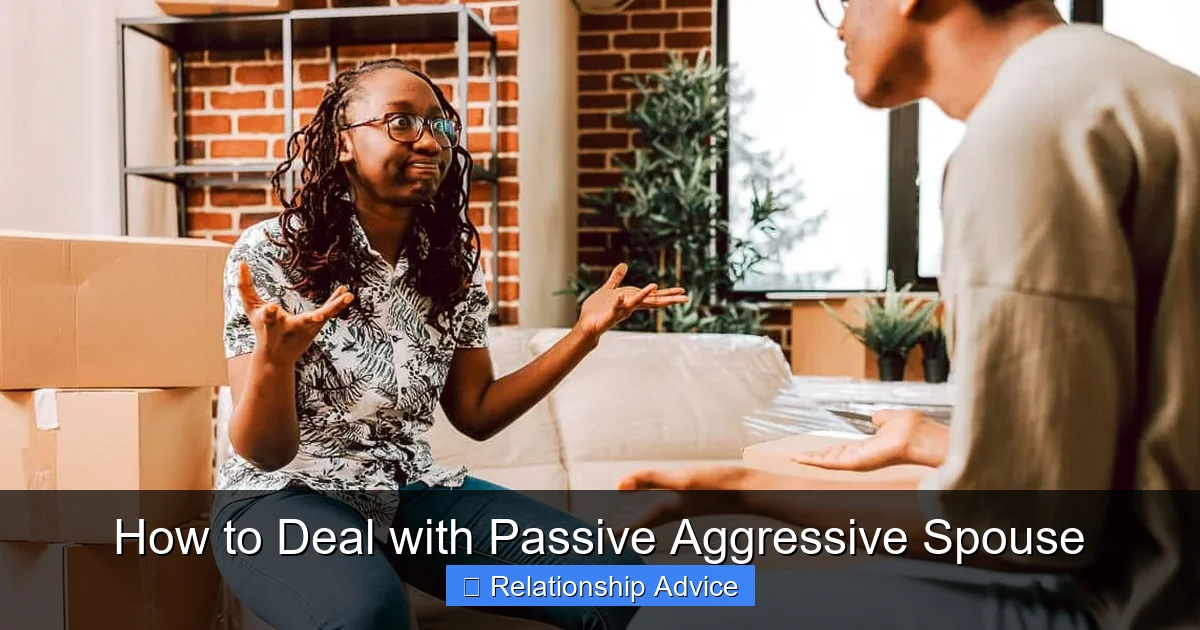
Visual guide about How to Deal with Passive Aggressive Spouse
Image source: hellodivorce.com
When your spouse uses passive aggressive behavior, your first instinct might be to react—defend yourself, get angry, or shut down too. But these reactions often make things worse. Instead, the goal is to respond in a way that de-escalates tension and opens the door to honest communication.
Stay Calm and Grounded
The most powerful tool you have is emotional regulation. When your spouse makes a sarcastic comment or gives you the silent treatment, take a breath. Pause. Don’t react immediately. Ask yourself: “What do I really want here? Do I want to win an argument, or do I want to understand and be understood?”
Staying calm doesn’t mean you’re weak or accepting bad behavior. It means you’re choosing to respond thoughtfully, not react emotionally. This gives you the upper hand and models the kind of behavior you’d like to see.
Use “I” Statements Instead of Accusations
One of the biggest mistakes people make is blaming their partner. “You always ignore me!” or “You’re so passive aggressive!” These statements put the other person on the defensive and shut down communication.
Instead, use “I” statements to express how you feel without attacking. For example:
- Instead of: “You never help with the dishes!”
- Say: “I feel overwhelmed when I have to do all the dishes alone. I’d appreciate it if we could split the chores more evenly.”
This approach focuses on your experience, not their character. It’s harder to argue with someone’s feelings than with a label like “passive aggressive.”
Acknowledge Their Feelings—Without Excusing the Behavior
Sometimes, passive aggression is a cry for help. Your spouse might be feeling unheard, unappreciated, or powerless. Instead of dismissing their behavior, try to understand what’s underneath it.
For example, if they say, “I guess I’m just the only one who cares about this house,” you might respond:
“I hear that you’re feeling frustrated. I want us both to feel like we’re contributing. Can we talk about how we can share the responsibilities better?”
This shows empathy without condoning the sarcasm. It opens the door for a real conversation.
Set Clear Boundaries
Boundaries aren’t about control—they’re about self-respect. You have the right to be treated with kindness and honesty. If your spouse uses sarcasm, silent treatment, or backhanded comments, let them know how it affects you.
For example:
“When you make sarcastic comments, I feel disrespected. I’d prefer it if we could talk about things directly, even if it’s hard.”
Be specific and consistent. If they continue the behavior, calmly restate your boundary: “I’ve asked before—I need us to communicate without sarcasm. I’m going to take a break from this conversation until we can talk respectfully.”
Boundaries aren’t punishments. They’re invitations to healthier interaction.
Encouraging Open and Honest Communication
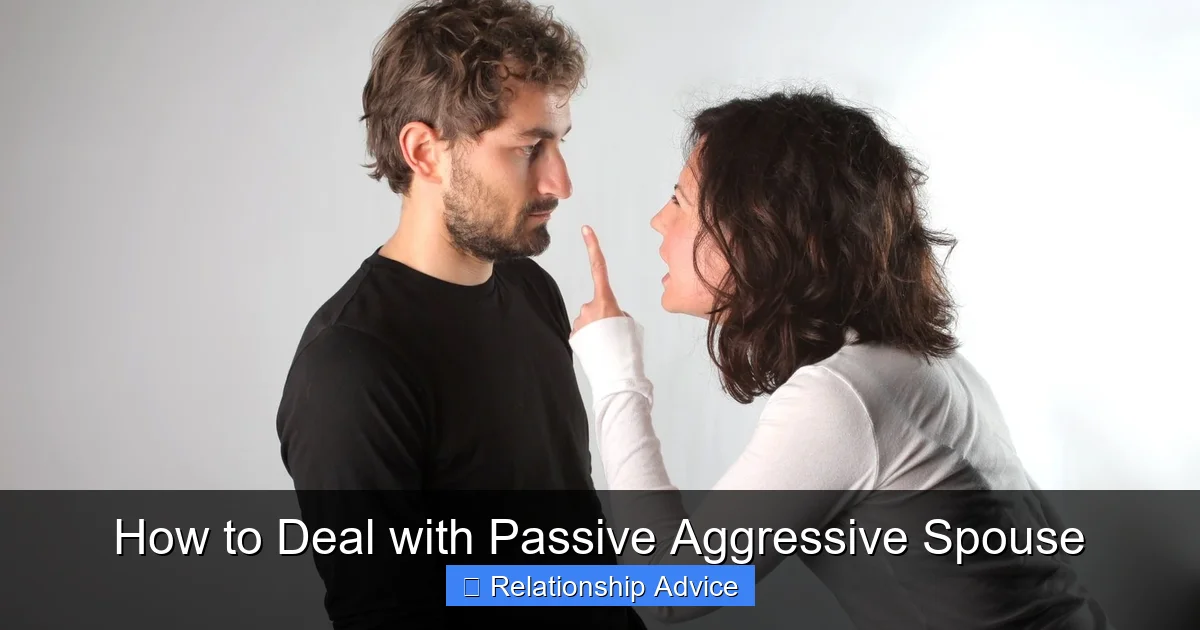
Visual guide about How to Deal with Passive Aggressive Spouse
Image source: mindwaft.com
Breaking the cycle of passive aggression requires a shift in how you both communicate. It’s not about winning arguments—it’s about building understanding and connection.
Create Safe Spaces for Dialogue
Your spouse may use passive aggression because they don’t feel safe expressing their true feelings. They might fear rejection, judgment, or conflict. To change this, you need to create an environment where honesty is welcomed—not punished.
Start by choosing the right time and place. Don’t bring up heavy topics during an argument or when one of you is stressed. Instead, say: “I’d like to talk about something that’s been on my mind. Is now a good time?”
Use open-ended questions to encourage sharing:
“How are you feeling about our relationship lately?”
“Is there something I’ve done that’s been bothering you?”
Listen without interrupting or defending yourself. Let them speak. Then reflect back what you heard: “So it sounds like you’ve been feeling overwhelmed with work and like I haven’t been supportive. Is that right?”
This shows you’re listening—not just waiting to respond.
Practice Active Listening
Active listening means fully focusing on what your spouse is saying, not just waiting for your turn to talk. It involves:
- Making eye contact
- Nodding or using small verbal cues (“I see,” “Go on”)
- Paraphrasing what they said
- Asking clarifying questions
For example:
Spouse: “I just feel like no one listens to me around here.”
You: “It sounds like you’re feeling unheard. Like your opinions don’t matter. Is that how it feels?”
This validates their experience and encourages deeper sharing.
Address the Underlying Issues
Passive aggression is often a symptom of something deeper—unmet emotional needs, unresolved trauma, or poor communication skills. Instead of focusing only on the behavior, explore what’s driving it.
Ask:
“What’s making it hard for you to say what you really mean?”
“Is there something I’ve done that’s made you feel unsafe to speak up?”
You might discover that your spouse feels ignored, criticized, or powerless. Once you understand the root cause, you can work together to address it.
When to Seek Professional Help
Sometimes, despite your best efforts, passive aggressive behavior persists. That’s okay. It doesn’t mean you’ve failed—it means the issue may be too deep for you to resolve on your own.
Couples therapy can be a powerful tool. A trained therapist can:
- Help you both identify unhealthy patterns
- Teach effective communication skills
- Uncover underlying emotional wounds
- Provide a neutral space for honest dialogue
Therapy isn’t a sign of failure. It’s a sign of commitment—to your relationship and to each other.
Signs It’s Time to See a Therapist
Consider professional help if:
- You’ve tried talking, but the behavior continues
- You feel emotionally drained or resentful
- Communication has completely broken down
- You’re considering separation or divorce
- Your spouse refuses to acknowledge the problem
A therapist can help you both take responsibility, rebuild trust, and create a healthier dynamic.
Practicing Empathy and Self-Care
Dealing with a passive aggressive spouse is emotionally taxing. While it’s important to be understanding, you also need to protect your own well-being.
Understand, But Don’t Enable
Empathy means trying to see things from your spouse’s perspective. Maybe they grew up in a home where emotions weren’t expressed openly. Maybe they’re afraid of conflict. Understanding their background can help you respond with compassion.
But empathy doesn’t mean tolerating abuse. You can care about someone and still set boundaries. You can want to help them heal while refusing to be their emotional punching bag.
Prioritize Your Mental Health
You can’t pour from an empty cup. Make time for activities that recharge you—exercise, hobbies, time with friends, or quiet reflection. Consider talking to a therapist yourself, even if your spouse isn’t ready to join.
Journaling can also help. Write down your feelings, track patterns, and reflect on what’s working—and what’s not.
Focus on What You Can Control
You can’t force your spouse to change. But you can control how you respond, what boundaries you set, and how you care for yourself. Focus on your actions, not theirs.
And remember: change takes time. Be patient with yourself and with your spouse. Small steps forward are still progress.
Building a Healthier Relationship Moving Forward
Healing from passive aggression isn’t about fixing one person—it’s about transforming the relationship. It requires effort, patience, and mutual commitment.
Start by celebrating small wins. Did your spouse express a concern directly instead of sarcastically? Did you stay calm during a tense moment? Acknowledge these moments. They’re signs of growth.
Keep the lines of communication open. Check in regularly: “How are we doing? Is there anything we need to talk about?” Make it a habit to share feelings, not just facts.
And most importantly, keep showing up. Love isn’t just a feeling—it’s a choice. Choose kindness. Choose honesty. Choose connection.
Conclusion
Dealing with a passive aggressive spouse is one of the most challenging relationship dynamics you can face. It’s confusing, hurtful, and exhausting. But it’s not hopeless.
By recognizing the signs, responding with calm and clarity, and fostering open communication, you can break the cycle and build a stronger, more honest relationship. It won’t happen overnight. There will be setbacks. But every step you take toward understanding and connection matters.
Remember: you deserve to be heard. You deserve to be respected. And you deserve a partner who communicates with honesty and kindness.
If you’re feeling stuck, don’t hesitate to seek help. You don’t have to do this alone. With patience, empathy, and the right tools, you and your spouse can create a marriage that’s not just functional—but truly fulfilling.
Frequently Asked Questions
What is passive aggressive behavior in a spouse?
Passive aggressive behavior includes indirect expressions of anger or resentment, such as sarcasm, silent treatment, procrastination, or backhanded compliments. It’s a way of resisting or expressing frustration without direct communication.
How can I tell if my spouse is being passive aggressive?
Look for patterns like giving the silent treatment, making sarcastic remarks, “forgetting” to do tasks, or acting hurt when confronted. These behaviors often mask underlying anger or unmet needs.
Should I confront my spouse about their passive aggression?
Yes, but do it calmly and without blame. Use “I” statements to express how their behavior affects you, and invite a conversation about healthier communication.
Can passive aggressive behavior change?
Yes, with awareness, effort, and sometimes professional help. Change is possible when both partners are willing to work on communication and emotional honesty.
Is it my fault my spouse is passive aggressive?
No. While relationship dynamics can contribute, passive aggression stems from the individual’s emotional patterns and coping mechanisms. You’re not responsible for their behavior.
When should we see a couples therapist?
Consider therapy if the behavior continues despite your efforts, if communication has broken down, or if you feel emotionally drained or resentful. A therapist can help both of you heal and grow.