
Dealing with an insecure man requires emotional intelligence, clear communication, and consistent reassurance. While insecurity is common, it can strain relationships if unaddressed. With compassion and healthy boundaries, you can foster trust and help your partner grow in confidence.
Key Takeaways
- Understand the root of insecurity: Insecurity often stems from past experiences, fear of abandonment, or low self-esteem, not your actions.
- Practice active listening: Let him express his fears without judgment. Feeling heard reduces emotional tension.
- Offer reassurance without enabling dependency: Validate his feelings, but avoid constantly proving your loyalty.
- Set healthy boundaries: Protect your emotional well-being by defining what behavior is acceptable.
- Encourage personal growth: Support his self-confidence through small wins and positive reinforcement.
- Avoid comparisons: Never compare him to others—this deepens insecurity and erodes trust.
- Seek professional help if needed: A therapist can help both of you navigate deeper emotional patterns.
📑 Table of Contents
Understanding Insecurity in Men: Why It Happens
Insecurity isn’t a sign of weakness—it’s a human experience. And when it shows up in a romantic relationship, it can feel confusing, frustrating, or even exhausting. You might wonder: *Why does he always ask if I’m mad at him? Why does he get upset when I talk to other men? Why does he need constant validation?* These behaviors aren’t about you. They’re about him.
Insecure men often carry emotional baggage from childhood, past relationships, or personal failures. Maybe he grew up in a household where love felt conditional. Perhaps he was bullied, rejected, or made to feel inadequate. These experiences shape how he sees himself—and how he interprets your actions. Even small things, like you being late or not texting back right away, can trigger deep-seated fears of abandonment or unworthiness.
It’s also important to recognize that societal expectations play a role. Men are often taught to be strong, stoic, and self-reliant. Admitting vulnerability feels dangerous. So instead of saying, “I’m scared you’ll leave me,” he might act out—becoming jealous, controlling, or withdrawn. His insecurity isn’t an excuse for bad behavior, but understanding its roots helps you respond with empathy instead of frustration.
Common Signs of an Insecure Man
You don’t need a psychology degree to spot insecurity. It often shows up in subtle—and not-so-subtle—ways. Here are some common signs to watch for:
- Excessive jealousy: He gets upset when you spend time with friends, especially male friends, or when you receive compliments from others.
- Need for constant reassurance: He frequently asks, “Do you still love me?” or “Are you sure you’re not mad at me?”
- Overanalyzing your words: He reads hidden meanings into casual comments or interprets silence as rejection.
- Defensiveness: He reacts strongly to feedback, even when it’s constructive, because he feels criticized.
- Control tendencies: He tries to manage your schedule, who you talk to, or what you wear—often under the guise of “caring.”
- Emotional withdrawal: When feeling insecure, he shuts down instead of talking about his feelings.
These behaviors aren’t always obvious at first. In the early stages of a relationship, insecurity might look like intense devotion or romantic gestures. But over time, the pattern becomes clearer. The good news? With patience and the right approach, you can help create a safer emotional space for both of you.
How to Communicate with an Insecure Man
Visual guide about How to Deal with an Insecure Man
Image source: whattogetmy.com
Communication is the foundation of any healthy relationship—especially when one partner struggles with insecurity. But talking to an insecure man requires more than just honesty. It requires emotional intelligence, timing, and a gentle approach.
Start by creating a safe environment for conversation. Choose a calm moment when neither of you is stressed or distracted. Say something like, “I’d love to talk about how we’re both feeling. I care about you and want us to understand each other better.” This sets a tone of care, not confrontation.
When he shares his fears, resist the urge to immediately fix them. Instead, listen. Really listen. Put your phone down, make eye contact, and let him speak without interrupting. Use phrases like, “That sounds really hard,” or “I can see why you’d feel that way.” Validation doesn’t mean agreeing with every thought—it means acknowledging his emotions as real.
Avoid These Communication Traps
Even with the best intentions, certain communication styles can backfire. Here’s what to avoid:
- Minimizing his feelings: Saying things like “You’re overreacting” or “It’s not a big deal” shuts down the conversation and makes him feel unheard.
- Using sarcasm or jokes: Humor can ease tension, but sarcasm often feels like dismissal to someone who’s already on edge.
- Bringing up past mistakes: Bringing up old arguments during a vulnerable moment only increases defensiveness.
- Comparing him to others: Saying “My last boyfriend never acted like this” is a direct blow to his self-esteem.
Instead, focus on “I” statements. For example: “I feel worried when you don’t text back because I start thinking something’s wrong.” This keeps the focus on your experience, not his flaws.
How to Reassure Without Enabling
Reassurance is important—but it’s a delicate balance. You want to comfort him without creating a dependency where he needs constant validation to feel secure.
One effective strategy is to be consistent. If you say you’ll call at 7 p.m., call at 7 p.m. Reliability builds trust over time. Small, predictable actions—like sending a good morning text or checking in during a busy day—can go a long way.
But don’t overdo it. If he asks, “Do you still love me?” five times a day, responding each time can become exhausting. Instead, gently redirect: “I do love you. I’ve told you that before. Let’s talk about what’s making you feel unsure today.” This acknowledges his need while encouraging him to explore the root of his anxiety.
You can also reinforce his confidence in other ways. Compliment his strengths—his sense of humor, his work ethic, his kindness. But make sure the compliments feel genuine, not like a transaction. Saying “You’re so smart” after he fixes the sink is better than “You’re perfect” just to calm him down.
Setting Healthy Boundaries
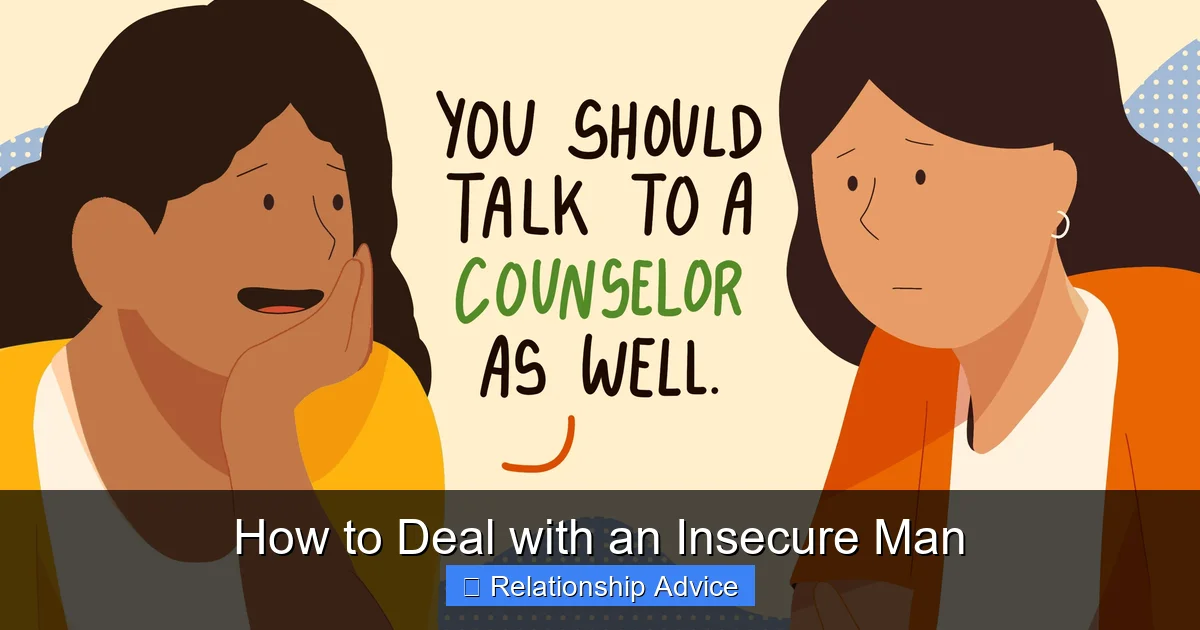
Visual guide about How to Deal with an Insecure Man
Image source: wikihow.com
Loving someone doesn’t mean sacrificing your own well-being. In fact, setting boundaries is one of the most loving things you can do—for both of you.
Boundaries aren’t walls. They’re guidelines that protect your emotional health and define what you will and won’t tolerate. For example, you might say, “I’m happy to talk about your concerns, but I won’t allow yelling or name-calling.” Or, “I need time with my friends without you questioning my loyalty.”
When setting boundaries, be clear, calm, and consistent. Use simple language: “I need space when I’m stressed. That doesn’t mean I don’t care about you.” Then follow through. If he crosses a boundary, gently remind him: “We agreed that you wouldn’t check my phone. I’m asking you to respect that.”
What to Do When He Reacts Poorly
It’s normal for an insecure man to push back when you set boundaries. He might feel threatened, thinking you’re pulling away. He could get angry, withdraw, or accuse you of not caring.
Stay calm. Reaffirm your love, but hold your ground. Say something like, “I love you, and that’s why I need us to have healthy limits. This isn’t about pushing you away—it’s about building a stronger relationship.”
If he continues to disrespect your boundaries, it’s time to evaluate the relationship. You can’t force someone to change. But you can decide what you’re willing to accept.
Examples of Healthy Boundaries
- Emotional boundaries: “I’m not comfortable discussing my past relationships. Let’s focus on us.”
- Time boundaries: “I need one evening a week to spend with my sister. I’ll see you after.”
- Digital boundaries: “I won’t share my passwords. Trust is important to me.”
- Social boundaries: “I’d like to go out with my friends this weekend. I hope you’ll support that.”
Remember: boundaries aren’t punishments. They’re acts of self-respect—and they help create a healthier dynamic for both partners.
Encouraging His Self-Confidence
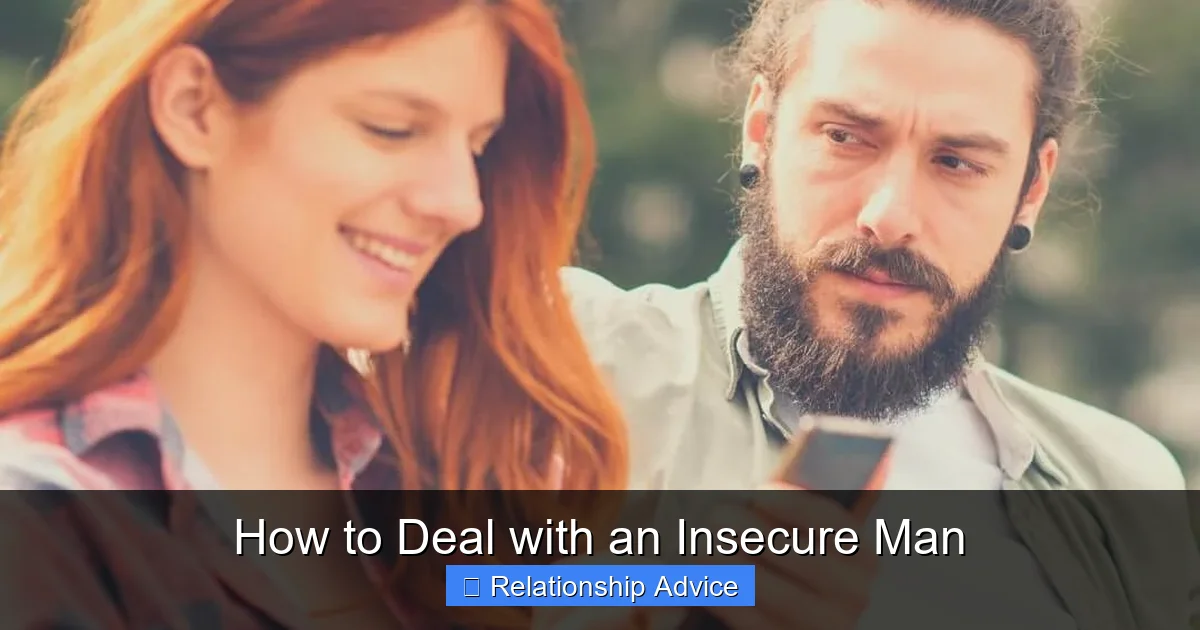
Visual guide about How to Deal with an Insecure Man
Image source: happierhuman.com
Insecurity thrives in the dark. The more confident he feels, the less power his fears will have. But you can’t *give* him confidence—you can only support him in building it himself.
Start by noticing and celebrating his strengths. Did he finish a big project at work? Say, “I’m so proud of you. You worked so hard on that.” Did he stand up for a friend? “That took real courage. I admire that about you.”
Encourage him to pursue hobbies, goals, or activities that make him feel capable. Maybe he’s always wanted to learn guitar, run a 5K, or take a cooking class. Support him in taking that first step. Your belief in him can be a powerful motivator.
Avoid Over-Praising
While encouragement is important, over-praising can feel insincere or even infantilizing. Saying “You’re the best at everything!” every time he does something small can backfire. It sets unrealistic expectations and makes him dependent on external validation.
Instead, be specific and authentic. “I loved how you handled that conversation with your boss. You stayed calm and clear.” This kind of praise reinforces real competence, not just ego.
Help Him Challenge Negative Thoughts
Insecure men often have a harsh inner critic. They might think, “I’m not good enough,” or “She’ll leave me eventually.” You can gently help him question these thoughts.
Ask: “What evidence do you have that I’ll leave you?” or “Has there ever been a time when I proved I was loyal?” This encourages him to look at facts, not fears.
You can also suggest journaling or mindfulness practices. Writing down negative thoughts and reframing them can be surprisingly effective. Or try a simple exercise: every night, write down three things he did well that day.
When to Seek Professional Help
Sometimes, insecurity runs deeper than what one partner can manage alone. If his behavior is affecting your mental health, causing constant conflict, or leading to controlling or abusive patterns, it’s time to consider professional support.
Therapy isn’t a last resort—it’s a tool for growth. A couples therapist can help you both communicate more effectively and uncover underlying issues. Individual therapy can help him work through past trauma, build self-esteem, and develop healthier coping mechanisms.
You don’t have to wait for a crisis to seek help. Many couples go to therapy as a proactive step—like going to the gym for your relationship. It’s a sign of strength, not failure.
How to Suggest Therapy
Bringing up therapy can be tricky. He might feel defensive or ashamed. Approach it gently: “I’ve been thinking about how we can grow closer. I’ve heard therapy can help couples understand each other better. Would you be open to trying it together?”
If he’s resistant, start with individual therapy for yourself. A therapist can help you navigate the relationship and give you tools to support him—even if he’s not ready to join yet.
Signs Therapy Might Be Needed
- He becomes angry or withdrawn when you set boundaries.
- He accuses you of cheating without evidence.
- He isolates you from friends or family.
- You feel anxious, drained, or constantly walking on eggshells.
- He refuses to take responsibility for his actions.
Your safety and well-being come first. If the relationship feels unsafe or emotionally abusive, seek support immediately. You deserve a partnership built on trust, not fear.
Building a Secure Relationship Together
Dealing with an insecure man isn’t about fixing him—it’s about building a relationship where both of you feel safe, valued, and free to be yourselves.
Start by modeling secure behavior. Be reliable, honest, and emotionally available. When you show up consistently, you give him a template for what a healthy relationship looks like.
Practice gratitude. Regularly express appreciation for each other. Say “thank you” for small things—making coffee, doing the dishes, listening when you’re stressed. Gratitude reinforces connection and reduces fear of abandonment.
Create rituals of connection. Maybe it’s a weekly date night, a morning walk, or a nightly check-in. These routines build trust and intimacy over time.
And remember: progress isn’t linear. There will be good days and hard days. Some weeks he’ll seem more confident; other weeks, old fears will resurface. That’s normal. What matters is that you’re both committed to growth.
Celebrate Small Wins
Did he share a fear without getting defensive? Celebrate that. Did he trust you to go out with friends without questioning you? Acknowledge it. Small steps build momentum.
You might say, “I really appreciated how you told me you were feeling nervous today. That took courage, and I’m glad we could talk about it.” Positive reinforcement encourages more of the behavior you want to see.
Keep Your Own Life Full
It’s easy to get so focused on helping your partner that you neglect your own needs. But a healthy relationship requires two whole people.
Maintain your friendships, hobbies, and personal goals. When you’re fulfilled outside the relationship, you bring more energy and positivity into it. Plus, it sets a great example—showing him that it’s possible to be loved and still have independence.
Final Thoughts: Love with Compassion, Not Control
Dealing with an insecure man is challenging, but it’s not impossible. With empathy, clear communication, and healthy boundaries, you can create a relationship where both of you feel secure and supported.
Remember: you can’t heal his wounds for him. But you can walk beside him with kindness, patience, and honesty. You can be a source of stability in his life—without losing yourself in the process.
And if at any point the relationship becomes toxic or one-sided, it’s okay to step back. Love should uplift you, not drain you. You deserve a partner who trusts you, respects you, and grows with you.
Insecurity doesn’t have to define your relationship. With time, effort, and the right tools, you can build something stronger—one honest conversation, one small act of trust, one moment of courage at a time.
Frequently Asked Questions
How do I know if my boyfriend is insecure or just cautious?
Insecurity often shows up as excessive jealousy, constant need for reassurance, or overreacting to small issues. Cautiousness, on the other hand, is about thoughtful decision-making and healthy boundaries. If his behavior stems from fear rather than logic, it’s likely insecurity.
Can an insecure man change?
Yes, with self-awareness, effort, and support, many insecure men grow in confidence. Therapy, personal development, and a secure relationship can all contribute to positive change. But change must come from him—you can’t force it.
Should I reassure him every time he feels insecure?
Reassurance is helpful, but constant validation can create dependency. Instead, offer comfort while encouraging him to explore the root of his fears. Help him build internal confidence, not just rely on your words.
What if his insecurity turns into controlling behavior?
Controlling behavior—like monitoring your phone, isolating you from friends, or making demands—is a red flag. Set clear boundaries and seek support. If he refuses to change, consider whether the relationship is healthy for you.
Can I fix his insecurity by loving him more?
Love is powerful, but it can’t heal deep emotional wounds alone. While your support matters, true change requires self-work, often with professional help. You can’t love someone into security—they have to build it themselves.
Is it selfish to set boundaries with an insecure partner?
No. Setting boundaries is an act of self-care and respect. Healthy relationships require mutual understanding and limits. Boundaries protect your well-being and actually help create a safer, more trusting dynamic for both of you.