
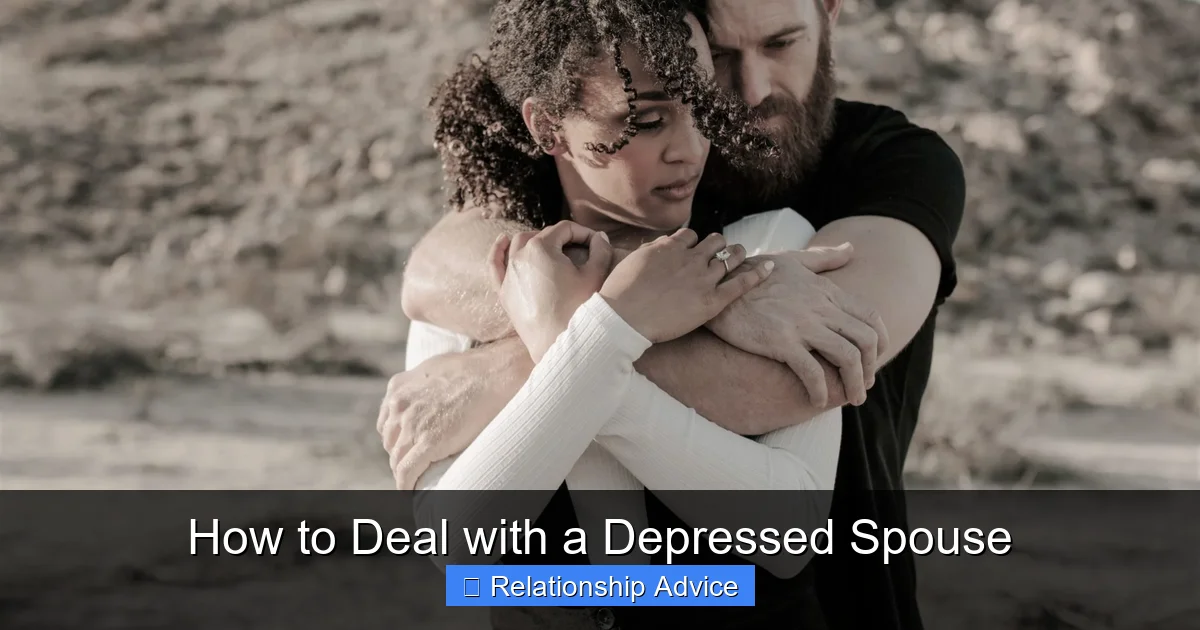
Dealing with a depressed spouse requires empathy, patience, and proactive support—not fixing, but walking alongside them. This guide offers real-world tips to strengthen your relationship, encourage treatment, and maintain your own mental health during this challenging time.
Key Takeaways
- Depression is an illness, not a choice: Your spouse isn’t lazy or unmotivated—they’re struggling with a medical condition that affects mood, energy, and motivation.
- Listen without trying to “fix” it: Often, your partner needs validation more than solutions. Saying “I’m here for you” matters more than advice.
- Encourage professional help gently: Therapy and medication are effective treatments. Offer to help find a therapist or attend appointments if they’re open to it.
- Set healthy boundaries: Supporting your spouse doesn’t mean sacrificing your own mental health. Self-care isn’t selfish—it’s essential.
- Small gestures make a big difference: A warm meal, a quiet walk, or simply sitting together can show love when words fall short.
- Educate yourself about depression: Understanding symptoms and treatment options helps you respond with compassion instead of frustration.
- Seek support for yourself: Joining a support group or talking to a counselor can help you process your emotions and avoid burnout.
📑 Table of Contents
- Understanding Depression in a Partner
- How to Communicate with a Depressed Spouse
- Encouraging Professional Help Without Pressure
- Practical Ways to Support Your Spouse Daily
- Taking Care of Yourself as a Support Partner
- Rebuilding Intimacy and Connection Over Time
- When to Consider Couples Therapy
- Long-Term Outlook and Hope
Understanding Depression in a Partner
When your spouse is depressed, it’s easy to feel confused, helpless, or even resentful. You might wonder, “Why can’t they just snap out of it?” or “What did I do wrong?” But here’s the truth: depression isn’t a sign of weakness, a personality flaw, or something your partner can simply “get over.” It’s a real, treatable medical condition—just like diabetes or high blood pressure—that affects the brain’s chemistry and function.
Depression doesn’t always look like constant sadness. For some, it shows up as irritability, withdrawal, or a lack of interest in things they once loved. Your spouse might sleep too much or too little, struggle to concentrate, or feel overwhelming guilt over small things. These aren’t choices—they’re symptoms. And while it’s natural to want to cheer them up or motivate them, pushing too hard can backfire. Instead, your role is to be a steady, compassionate presence.
Understanding depression starts with education. Learn about the common signs: persistent low mood, fatigue, changes in appetite, feelings of worthlessness, and thoughts of death or suicide. Knowing what to look for helps you respond with empathy rather than frustration. It also helps you recognize when professional help is needed. Remember, you’re not responsible for curing your spouse—but you can be a powerful source of support on their healing journey.
Common Misconceptions About Depression
Many people believe depression is just “feeling sad” or a phase that will pass. But clinical depression lasts for weeks, months, or even years without treatment. Another myth is that depressed people are just seeking attention. In reality, many hide their pain out of shame or fear of burdening others.
Some spouses assume their partner is depressed because of something they did—like not being supportive enough or working too much. While relationship stress can contribute, depression often stems from a mix of genetics, brain chemistry, trauma, and life events. Blaming yourself or your partner only adds to the emotional burden.
How Depression Affects Relationships
Depression can strain even the strongest marriages. Your spouse might pull away emotionally, stop initiating intimacy, or seem indifferent to plans you make. You might feel lonely, unappreciated, or like you’re walking on eggshells. Over time, this can lead to resentment or emotional distance.
But it’s important to remember: your spouse isn’t rejecting you. They’re struggling to cope with an internal battle. Their withdrawal isn’t personal—it’s a symptom. By recognizing this, you can respond with patience instead of taking things to heart.
How to Communicate with a Depressed Spouse
Communication is the backbone of any healthy relationship, but it becomes even more critical—and more challenging—when one partner is depressed. Your spouse may not have the energy to talk, or they might feel too ashamed to share their feelings. That’s why how you communicate matters just as much as what you say.
Start by creating a safe space. Let your partner know you’re there to listen, not to judge or fix. Use open-ended questions like, “How are you feeling today?” or “Is there anything on your mind you’d like to talk about?” Avoid phrases like “You should cheer up” or “Just think positive”—these minimize their experience and can make them feel worse.
Instead, validate their feelings. Say things like, “That sounds really hard,” or “I can see why you’d feel that way.” Validation doesn’t mean you agree with every thought—it means you acknowledge their pain as real and understandable.
What to Say (and What Not to Say)
Words have power. A well-timed, kind sentence can offer comfort. A careless remark can deepen isolation.
Do say:
– “I’m here for you, no matter what.”
– “You’re not alone in this.”
– “It’s okay to not be okay.”
– “I love you, and I’m proud of you for getting through today.”
Don’t say:
– “Just snap out of it.”
– “Other people have it worse.”
– “You’re being lazy.”
– “Why can’t you just be happy?”
These phrases, even if said with good intentions, can make your spouse feel misunderstood or guilty for their condition.
Active Listening Techniques
Active listening means giving your full attention—putting away your phone, making eye contact, and reflecting back what you hear. For example, if your spouse says, “I feel like a failure,” you might respond, “It sounds like you’re really hard on yourself right now.” This shows you’re listening and helps them feel heard.
Avoid interrupting or jumping in with solutions. Often, people with depression just need to be heard, not fixed. If they do ask for advice, offer it gently: “Would you like my thoughts, or do you just need me to listen?”
Encouraging Professional Help Without Pressure

Visual guide about How to Deal with a Depressed Spouse
Image source: brookdalerecovery.com
One of the most important things you can do for your depressed spouse is to encourage professional treatment—but it must be done with care. Pushing too hard can feel like criticism, while doing nothing may leave them feeling abandoned. The key is to be supportive, not forceful.
Start by normalizing therapy and medication. You might say, “Lots of people see therapists—it’s like going to a doctor for your mind.” Share stories (if appropriate) of others who’ve benefited from treatment. Avoid framing it as a last resort or something only “crazy” people do.
If your spouse is hesitant, ask open questions: “What worries you about seeing a therapist?” or “What would make it easier for you to try?” Listen to their concerns without judgment. Maybe they’re afraid of stigma, worried about cost, or unsure where to start.
How to Help Them Find a Therapist
Offer to help research therapists together. Look for licensed professionals who specialize in depression—such as clinical psychologists, licensed counselors, or psychiatrists. Use trusted directories like Psychology Today or ask your primary care doctor for referrals.
If cost is a barrier, explore options like sliding scale fees, community health centers, or online therapy platforms that offer lower rates. Some employers also offer Employee Assistance Programs (EAPs) that include free counseling sessions.
Supporting Medication Use
If a doctor recommends medication, support your spouse in following the treatment plan. Antidepressants can take 4–6 weeks to work, and side effects are common at first. Encourage them to stay in touch with their doctor and report any concerns.
Avoid pressuring them to “just take a pill and feel better.” Medication helps, but it’s not a magic fix. It works best alongside therapy, lifestyle changes, and social support.
When to Seek Immediate Help
If your spouse talks about suicide, self-harm, or feeling hopeless, take it seriously. Ask directly: “Are you thinking about hurting yourself?” This won’t put the idea in their head—it shows you care and opens the door to help.
If they’re in immediate danger, call a crisis hotline (like 988 in the U.S.), go to the emergency room, or contact their mental health provider. Your safety and theirs come first.
Practical Ways to Support Your Spouse Daily
Visual guide about How to Deal with a Depressed Spouse
Image source: pbcdn1.podbean.com
Beyond therapy and medication, your daily actions can make a meaningful difference. Depression often robs people of motivation, so small, consistent gestures can help them feel cared for and less alone.
Start with routine. Depression can disrupt sleep, eating, and hygiene. Gently encourage healthy habits—without nagging. For example, say, “I’m making soup tonight—would you like some?” instead of “You need to eat.” Offer to join them for a short walk or help them get dressed if they’re struggling.
Simple Acts of Kindness
You don’t need grand gestures. A warm cup of tea, a note left on the pillow, or folding their laundry can speak volumes. These acts say, “I see you, and I care,” even when words fail.
Try creating a “care package” with their favorite snacks, a cozy blanket, and a playlist of uplifting songs. Leave it on their nightstand with a note: “Just because you matter.”
Encouraging Small Wins
Celebrate tiny victories. Getting out of bed, showering, or making a phone call might feel monumental to someone with depression. Acknowledge these efforts: “I noticed you got dressed today—that took courage. I’m proud of you.”
Avoid comparing their progress to others. Healing isn’t linear. Some days will be better than others—and that’s okay.
Maintaining Connection
Depression can make people withdraw, but staying connected is vital. Invite your spouse to low-pressure activities—watch a movie together, sit in the backyard, or play a board game. Don’t force participation, but let them know you’re available.
Physical touch, like holding hands or a gentle hug, can also provide comfort—unless your spouse isn’t open to it. Always respect their boundaries.
Taking Care of Yourself as a Support Partner
Supporting a depressed spouse is emotionally demanding. It’s easy to pour all your energy into helping them and forget your own needs. But you can’t pour from an empty cup. Self-care isn’t selfish—it’s essential for your well-being and your ability to be there for your partner.
Start by acknowledging your own emotions. It’s normal to feel sad, frustrated, or even angry. You might grieve the relationship you once had or worry about the future. These feelings are valid. Talk to a trusted friend, journal, or see a therapist to process them.
Setting Healthy Boundaries
Boundaries protect your mental health. You can’t fix your spouse’s depression, and you shouldn’t feel responsible for their happiness. It’s okay to say, “I need some time to recharge,” or “I can listen for 20 minutes, but then I need a break.”
Avoid enabling behaviors, like doing everything for them out of pity. While it’s kind to help, over-functioning can prevent them from building coping skills. Encourage independence where possible.
Finding Your Own Support System
You don’t have to go through this alone. Join a support group for partners of people with depression—online or in person. Organizations like NAMI (National Alliance on Mental Illness) offer free resources and communities.
Talking to others who understand can reduce isolation and provide practical advice. You might also consider couples counseling to strengthen your relationship and improve communication.
Recognizing Signs of Caregiver Burnout
Burnout can sneak up on you. Watch for signs like chronic fatigue, irritability, sleep problems, or feeling detached from your partner. If you’re constantly stressed or resentful, it’s time to reassess your self-care routine.
Take breaks. Schedule time for hobbies, exercise, or simply relaxing. Even 15 minutes a day can make a difference.
Rebuilding Intimacy and Connection Over Time
Depression often affects intimacy—both emotional and physical. Your spouse might lose interest in sex, feel too tired, or worry about being a “burden.” This can leave you feeling rejected or disconnected. But intimacy can be rebuilt, step by step.
Start with emotional closeness. Share your own feelings, dreams, and fears. Let your partner know you’re still attracted to them and value your relationship. Avoid pressuring them for sex. Instead, focus on affection—holding hands, cuddling, or saying “I love you.”
Talking About Intimacy Openly
Have gentle, honest conversations about intimacy. Say, “I miss being close to you. How are you feeling about that?” Listen without judgment. They might feel guilty, ashamed, or simply not ready.
Reassure them that your love isn’t conditional on sex. Focus on connection, not performance.
Creating New Rituals
Build new routines that foster closeness. Cook a meal together, take a bath, or write letters to each other. These shared experiences can reignite emotional bonds.
Be patient. Healing takes time. Celebrate progress, no matter how small.
When to Consider Couples Therapy
If depression is causing ongoing conflict, communication breakdowns, or emotional distance, couples therapy can be a game-changer. A trained therapist can help you both navigate the challenges, improve communication, and rebuild trust.
Therapy isn’t a sign of failure—it’s a proactive step toward a stronger relationship. Look for a therapist experienced in depression and relationship dynamics. Many offer virtual sessions for convenience.
What to Expect in Couples Therapy
In sessions, you’ll learn tools to communicate more effectively, manage stress, and support each other. The therapist may assign homework, like practicing active listening or scheduling weekly check-ins.
Be open and honest. Therapy works best when both partners are willing to reflect and grow.
Long-Term Outlook and Hope
Depression is treatable, and many people recover fully or learn to manage it effectively. With the right support, your spouse can regain their energy, joy, and sense of self. But recovery isn’t always quick or linear. There may be setbacks, but each step forward counts.
Focus on progress, not perfection. Celebrate small improvements and remind your spouse—and yourself—that healing is possible.
Remember, you’re not alone. Millions of couples face this challenge, and many come out stronger on the other side. By showing up with love, patience, and resilience, you’re giving your relationship the best chance to thrive.
Frequently Asked Questions
Can I fix my depressed spouse?
No, you can’t “fix” depression—it’s a medical condition that requires professional treatment. Your role is to support, not cure. Offer love and encouragement, but encourage them to seek help from a therapist or doctor.
How do I avoid enabling my spouse?
Support doesn’t mean doing everything for them. Encourage small steps toward independence, like getting dressed or making a phone call. Set boundaries to protect your own well-being while still being compassionate.
What if my spouse refuses help?
Stay calm and empathetic. Share your concerns without blame, and offer to help them explore options. If they’re in danger, contact a mental health professional or crisis service immediately.
Is it normal to feel resentful?
Yes. Supporting a depressed partner can be exhausting and emotionally draining. Feeling frustrated or sad is normal. Talk to a therapist or support group to process these emotions healthily.
How long does depression last?
It varies. Some people recover in weeks with treatment; others manage it long-term. With therapy, medication, and support, most people see significant improvement over time.
Should I suggest couples therapy?
Yes, if depression is affecting your relationship. Couples therapy can improve communication, rebuild trust, and help both partners feel supported. Approach the suggestion gently and frame it as a way to strengthen your bond.