
Recognizing the early signs of a controlling man can save you from emotional harm and loss of autonomy. These behaviors often start subtly—masked as concern or love—but escalate over time. This guide helps you identify warning signs early so you can make empowered choices about your relationship.
Key Takeaways
- Isolation from friends and family: A controlling partner may gradually distance you from your support network, making you more dependent on them.
- Excessive jealousy and possessiveness: Disguised as affection, this behavior often manifests as monitoring your whereabouts or questioning your friendships.
- Constant criticism and belittling: Subtle put-downs about your appearance, choices, or intelligence erode your self-esteem over time.
- Control over finances and decisions: Taking charge of money, daily plans, or major life choices without your input is a major red flag.
- Emotional manipulation and guilt-tripping: Using phrases like “If you loved me, you’d…” to pressure you into compliance.
- Unrealistic expectations and perfectionism: Demanding you meet impossible standards while dismissing your efforts.
- Gaslighting and denial of reality: Making you doubt your memory, feelings, or perception of events to maintain control.
📑 Table of Contents
- Introduction: Why Recognizing Control Early Matters
- What Is a Controlling Man—And Why Does It Start Early?
- Early Sign #1: Isolation from Friends and Family
- Early Sign #2: Excessive Jealousy and Possessiveness
- Early Sign #3: Constant Criticism and Belittling
- Early Sign #4: Control Over Finances and Daily Decisions
- Early Sign #5: Emotional Manipulation and Guilt-Tripping
- Early Sign #6: Gaslighting and Denial of Reality
- Conclusion: Trust Your Gut and Take Action
Introduction: Why Recognizing Control Early Matters
When you’re falling in love, it’s easy to overlook small red flags. A partner who texts constantly might seem caring. One who insists on planning your weekends could appear thoughtful. But what if these behaviors aren’t signs of devotion—but early signs of a controlling man?
Control in relationships often doesn’t start with yelling or physical force. Instead, it creeps in quietly, dressed up as concern, love, or protectiveness. At first, it might even feel flattering—someone paying so much attention to you! But over time, these behaviors can chip away at your confidence, independence, and sense of self.
The good news? You don’t have to wait for things to get worse. By learning to spot the early signs of a controlling man, you can protect your emotional well-being and make informed decisions about your relationship. This isn’t about labeling every cautious or opinionated man as a threat. It’s about recognizing patterns that, left unchecked, can lead to emotional abuse, isolation, and loss of autonomy.
What Is a Controlling Man—And Why Does It Start Early?
Visual guide about Early Signs of a Controlling Man
Image source: bonobology.com
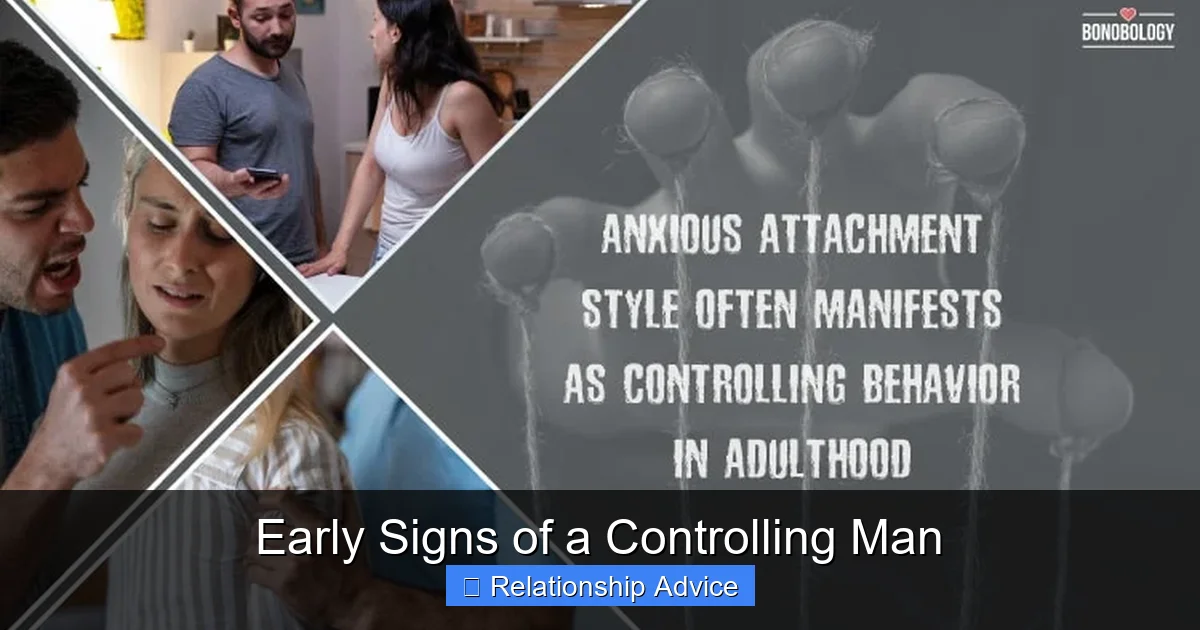
A controlling man is someone who seeks to dominate decisions, behaviors, and emotions in a relationship. His goal isn’t necessarily to harm you outright—though harm often follows—but to maintain power and ensure compliance. Control can manifest in many ways: through words, actions, silence, or even “kind” gestures that come with strings attached.
What makes controlling behavior so dangerous is how it often begins. In the early stages of a relationship, these actions can be mistaken for attentiveness or passion. For example, a man who calls you “his everything” after two weeks might seem deeply committed. But when that same man starts questioning who you’re texting or gets upset when you spend time with friends, the tone shifts.
Control thrives in ambiguity. It’s not always loud or obvious. That’s why recognizing the early signs of a controlling man is so crucial. The earlier you identify these patterns, the more power you have to respond—whether that means setting boundaries, seeking support, or walking away.
The Psychology Behind Control
Control often stems from insecurity, past trauma, or a need for predictability. Some men grow up in environments where dominance was modeled as strength. Others may have experienced rejection or betrayal and now try to prevent it by micromanaging their partner’s life.
But regardless of the root cause, the impact on the partner is real. Over time, constant control leads to anxiety, low self-worth, and even depression. The controlled person may start to believe they’re “too sensitive” or “can’t function alone”—classic signs of emotional manipulation.
Understanding the psychology helps, but it doesn’t excuse the behavior. Your safety and emotional health come first.
Early Sign #1: Isolation from Friends and Family
Visual guide about Early Signs of a Controlling Man
Image source: mostlycasualcom.files.wordpress.com
One of the most common early signs of a controlling man is a gradual push to distance you from your support system. This doesn’t happen overnight. Instead, it’s a slow process that starts with small comments or “suggestions.”
For example, he might say, “Your sister always gives you bad advice,” or “I just think your friends don’t really get us.” Over time, these remarks can make you second-guess your relationships. You might start declining invitations, not because you don’t want to go, but because you’re afraid of his reaction.
How Isolation Begins
Isolation often starts with subtle criticism. He may not outright say, “Don’t see your best friend,” but he’ll imply that your friends are a bad influence. He might roll his eyes when you talk about your mom or act annoyed when you mention plans with coworkers.
Another tactic is monopolizing your time. He’ll insist on spending every weekend together, plan elaborate dates on days you usually see family, or get upset if you need “alone time.” At first, it feels romantic—someone who wants to be with you all the time! But soon, you realize you’re saying “no” to others to keep him happy.
Why This Is Dangerous
When you’re isolated, you lose your external perspective. Friends and family often see red flags long before you do. They notice changes in your behavior, mood, or confidence. Without them, you’re more likely to accept unhealthy dynamics as normal.
Plus, isolation makes it harder to leave. If your partner is your only source of emotional support, the thought of ending the relationship can feel terrifying—even if it’s the right choice.
What You Can Do
If you notice your partner discouraging you from seeing loved ones, pay attention. Ask yourself:
– Do I feel guilty when I make plans without him?
– Has he criticized my friends or family more than once?
– Am I declining invitations I used to enjoy?
If the answer is yes, it’s time to set boundaries. Let him know that your relationships with others are important. Suggest group hangouts so he can get to know your friends. And if he reacts with anger or guilt-tripping, that’s a major red flag.
Early Sign #2: Excessive Jealousy and Possessiveness
Visual guide about Early Signs of a Controlling Man
Image source: minorityvoices.org
Jealousy is normal in relationships—to a point. But when it crosses into obsession, it’s one of the clearest early signs of a controlling man.
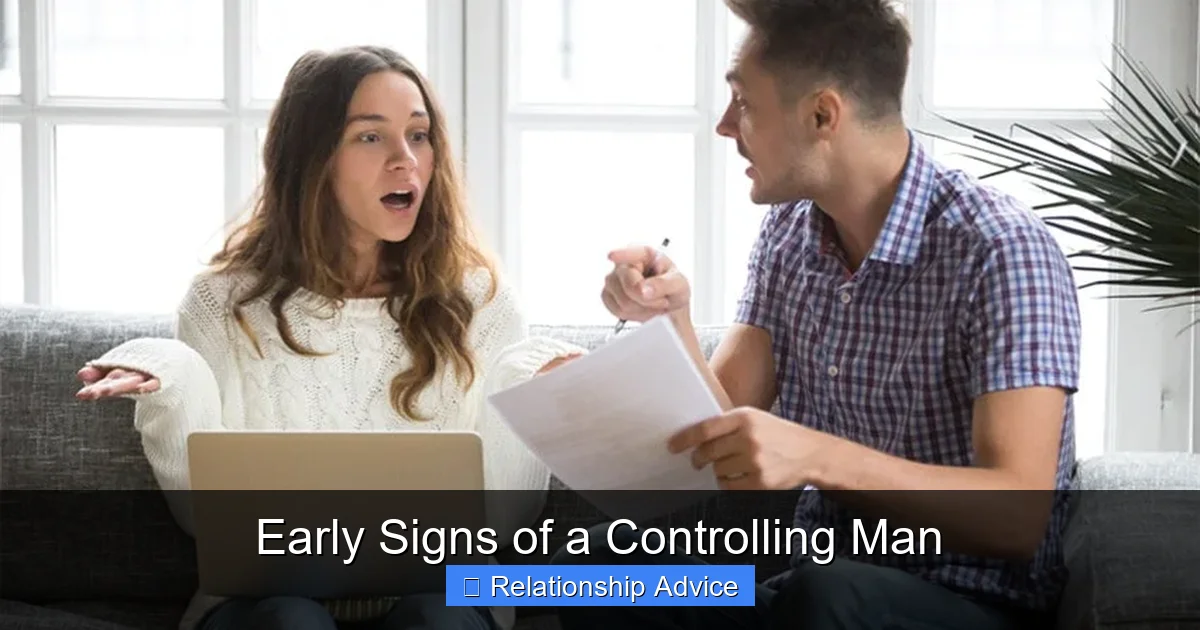
Healthy jealousy might look like mild discomfort when your partner talks to someone attractive. Unhealthy jealousy looks like demanding to see your phone, questioning every interaction, or accusing you of flirting with the barista.
Disguised as Love
Controlling men often frame jealousy as proof of their love. “I’m just protective because I care,” they’ll say. Or, “I can’t help it—I just get so worried when you’re out without me.”
But real love doesn’t require surveillance. It trusts. It respects boundaries. And it doesn’t punish you for having a life outside the relationship.
Common Behaviors to Watch For
– Asking who you’re texting or calling—and getting upset if you don’t answer immediately.
– Getting angry when you talk to male coworkers, even in professional settings.
– Showing up unannounced at your workplace or home “to surprise you.”
– Demanding access to your social media accounts.
– Making sarcastic comments about your appearance when you go out.
These behaviors may seem minor at first. But they’re warning signs. Over time, they can escalate into full-blown monitoring and accusations.
Real-Life Example
Sarah, 28, started dating Mark after a whirlwind romance. At first, she loved how attentive he was. But soon, he began asking who she was texting during work. When she went out with friends, he’d call every hour. Once, he showed up at her friend’s house because she “wasn’t answering fast enough.”
Sarah brushed it off as “he just loves me too much.” But when she tried to set boundaries, Mark accused her of hiding something. That’s when she realized—his jealousy wasn’t love. It was control.
How to Respond
If your partner exhibits jealous behaviors, have an honest conversation. Say something like, “I understand you care about me, but I need to feel trusted. Checking my phone or questioning my friends makes me uncomfortable.”
Watch how he reacts. A healthy partner will listen and adjust. A controlling one will get defensive, accuse you of not loving him, or double down on the behavior.
Early Sign #3: Constant Criticism and Belittling
Another early sign of a controlling man is a pattern of criticism—especially when it’s disguised as “help” or “honesty.”
He might say things like:
– “You’d look so much better if you lost a few pounds.”
– “Why did you wear that? It’s not really your style.”
– “You’re overreacting—it’s not a big deal.”
– “I’m just saying this because I want you to improve.”
At first, these comments might seem like casual feedback. But over time, they wear you down. You start doubting your choices, your appearance, even your feelings.
The Erosion of Self-Esteem
Criticism is a tool of control because it makes you question your worth. When someone you love constantly points out your flaws, you begin to believe them. You might start apologizing for things that aren’t your fault or avoiding situations where you might be “judged.”
This is especially dangerous because the criticism often comes with a “but.”
“You’re so smart, but you always forget important things.”
“I love your laugh, but it’s kind of loud in public.”
These backhanded compliments keep you off-balance. You’re never quite good enough—but maybe, just maybe, if you try harder, you’ll earn his approval.
Gaslighting Through Criticism
Sometimes, criticism turns into gaslighting. He’ll deny saying something hurtful or insist you’re “too sensitive.” For example:
You: “You said I looked tired today. That hurt my feelings.”
Him: “I never said that. You’re imagining things. You always take things the wrong way.”
This makes you doubt your memory and perception. Over time, you stop trusting yourself—which is exactly what a controlling man wants.
How to Protect Yourself
If you notice a pattern of criticism, ask yourself:
– Do I feel worse about myself after talking to him?
– Do I avoid certain topics or activities because he’ll judge me?
– Does he dismiss my feelings as “dramatic” or “irrational”?
If yes, it’s time to speak up. Say, “When you criticize my choices, it makes me feel small. I need support, not judgment.”
And if he responds by blaming you or denying the behavior, take it seriously. That’s a red flag.
Early Sign #4: Control Over Finances and Daily Decisions
Money and decision-making are powerful tools of control. A controlling man may try to manage your finances, dictate your daily routine, or make major life choices without your input.
This might start small. He suggests you combine bank accounts “to simplify things.” Or he insists on choosing your outfit for a date. But over time, these behaviors can escalate into full financial control or complete domination of your schedule.
Financial Control: A Common Trap
Financial abuse is one of the most insidious forms of control. It can include:
– Demanding access to your bank accounts.
– Forbidding you from working or controlling your paycheck.
– Making all financial decisions without consulting you.
– Criticizing your spending, even on necessities.
Some men use money to create dependency. If you can’t pay for groceries or gas without his approval, you’re less likely to leave—even if the relationship is toxic.
Control Over Daily Life
Beyond money, controlling men often micromanage your day. He might:
– Insist on knowing your schedule down to the minute.
– Get angry if you deviate from plans.
– Decide what you eat, wear, or do in your free time.
– Discourage hobbies or interests that don’t involve him.
This level of control makes you feel like you’re living someone else’s life—not your own.
Real-Life Example
James, 35, started dating Lisa after a few months of dating. Early on, he offered to “help” with her budget. Soon, he was managing all her bills, checking her receipts, and criticizing her coffee purchases. When Lisa wanted to take a weekend trip with friends, James said, “That’s a waste of money. We should save for our future.”
Lisa felt trapped. She loved James, but she also missed her independence. When she tried to regain control of her finances, he accused her of not trusting him.
How to Respond
If your partner is controlling your money or daily choices, take action:
– Keep your own bank account and credit cards.
– Set clear boundaries around spending and decisions.
– Say, “I appreciate your input, but I need to make my own choices.”
And if he reacts with anger or guilt, remember: healthy relationships are built on mutual respect—not control.
Early Sign #5: Emotional Manipulation and Guilt-Tripping
Emotional manipulation is one of the most subtle—and damaging—early signs of a controlling man. It often comes in the form of guilt-tripping, passive aggression, or conditional love.
He might say things like:
– “If you really loved me, you’d cancel your plans.”
– “I guess I’m just not important to you anymore.”
– “After everything I do for you, this is how you treat me?”
These statements are designed to make you feel guilty for setting boundaries or prioritizing your needs.
The Cycle of Manipulation
Manipulation often follows a pattern:
1. He does something kind (buys you flowers, plans a surprise).
2. He uses that kindness to pressure you into compliance.
3. When you resist, he acts hurt or withdraws affection.
4. You give in to restore peace—and the cycle continues.
Over time, you start walking on eggshells. You avoid saying “no” because you don’t want to upset him. You prioritize his feelings over your own.
Love-Bombing and Withdrawal
Some controlling men use intense affection (“love-bombing”) early in the relationship to create dependency. Then, when you don’t meet their expectations, they withdraw love or give you the silent treatment.
This push-pull dynamic keeps you off-balance. You’re constantly trying to earn back their approval—which gives them more power.
How to Break Free
Recognize manipulation for what it is: a tactic to control you. When you hear guilt-tripping phrases, pause and ask:
– Is this about my needs—or his?
– Am I being pressured to do something I don’t want to do?
– Would a healthy partner make me feel guilty for saying no?
Then, respond with calm confidence: “I care about you, but I can’t cancel my plans. I need time with my friends.”
And if he punishes you for setting boundaries, that’s a clear sign of control.
Early Sign #6: Gaslighting and Denial of Reality
Gaslighting is a form of psychological manipulation where someone makes you doubt your memory, perception, or sanity. It’s one of the most dangerous early signs of a controlling man because it undermines your sense of reality.
He might say:
– “That never happened. You’re imagining things.”
– “You’re too emotional—you always blow things out of proportion.”
– “I never said that. You must have misunderstood.”
At first, you might think, “Maybe I did overreact.” But over time, you start questioning everything—even your own feelings.
How Gaslighting Works
Gaslighting often starts small. He denies saying something hurtful. He insists you’re “too sensitive” when you express discomfort. He twists events to make you look irrational.
For example:
You: “You yelled at me last night.”
Him: “I didn’t yell. You’re exaggerating. You always make me look bad.”
Now you’re not just dealing with his behavior—you’re also doubting your own experience.
The Impact on Mental Health
Gaslighting can lead to anxiety, depression, and a loss of self-trust. You might start apologizing for things you didn’t do or avoiding conversations altogether.
Worse, you might stay in the relationship because you believe you’re “the problem.” If you’re too sensitive, too emotional, too demanding—then maybe you deserve the treatment.
But you don’t.
How to Respond
If you suspect gaslighting:
– Trust your instincts. If something feels wrong, it probably is.
– Keep a journal of events and conversations.
– Talk to a trusted friend or therapist for an outside perspective.
– Say, “I remember it differently, and my feelings are valid.”
And if he continues to deny reality or blame you, consider it a major red flag.
Conclusion: Trust Your Gut and Take Action
Recognizing the early signs of a controlling man isn’t about being paranoid—it’s about being proactive. These behaviors often start small, but they can escalate quickly. The sooner you spot them, the more power you have to protect yourself.
Remember: love should never make you feel small, guilty, or afraid. A healthy partner supports your independence, respects your boundaries, and values your opinions—even when they differ from their own.
If you’re seeing multiple red flags, don’t ignore them. Talk to someone you trust. Seek professional support if needed. And above all, trust your gut. You know yourself better than anyone.
Your relationship should be a source of joy, not control. And you deserve nothing less.
Frequently Asked Questions
What are the first signs of a controlling man in a new relationship?
The first signs often include excessive jealousy, isolation attempts, constant criticism, and emotional manipulation. These behaviors may appear as concern or love but gradually erode your independence.
Can a controlling man change if he realizes his behavior?
Change is possible, but only with genuine self-awareness, accountability, and professional help. Many controlling behaviors stem from deep-seated issues that require therapy to address.
How do I set boundaries with a controlling partner?
Be clear, calm, and consistent. Use “I” statements like “I need space to see my friends” and avoid justifying your needs. If he reacts with anger or guilt, take it as a warning sign.
Is it normal for a man to want to know where I am all the time?
No. While occasional check-ins are normal, constant monitoring or demands for updates are signs of control, not care. Healthy relationships are built on trust, not surveillance.
What should I do if I’m already in a controlling relationship?
Reach out to a trusted friend, family member, or counselor. Create a safety plan, document concerning behaviors, and consider contacting a domestic violence hotline for support and resources.
Can controlling behavior be mistaken for love?
Yes. Controlling men often disguise their behavior as protectiveness or devotion. But real love respects freedom, encourages growth, and never makes you feel afraid or small.