
First dates can be nerve-wracking, but knowing the dos and donts on first date tips can boost your confidence and help you connect authentically. From dressing appropriately to avoiding oversharing, small choices make a big difference in creating a positive, lasting impression.
[FEATURED_IMAGE_PLACEHolder]
Key Takeaways
- Dress appropriately for the occasion: Match your outfit to the setting to show respect and effort without overdoing it.
- Be present and listen actively: Put your phone away, make eye contact, and show genuine interest in what your date is saying.
- Ask open-ended questions: Encourage conversation with questions that invite stories and opinions, not just yes or no answers.
- Avoid controversial topics early on: Steer clear of politics, religion, and past relationship drama during the first meeting.
- Don’t dominate the conversation: Let your date speak and share—balance is key to building mutual interest.
- Be punctual and respectful: Arriving on time shows you value their time and sets a positive tone.
- End with clarity and kindness: Whether you’re interested or not, be honest and polite about next steps.
📑 Table of Contents
- Introduction: Why First Dates Matter
- Do: Dress Appropriately and Feel Confident
- Do: Be Present and Listen Actively
- Do: Ask Open-Ended Questions
- Don’t: Dominate the Conversation
- Don’t: Bring Up Controversial or Heavy Topics
- Do: Be Punctual and Respectful
- Do: End with Clarity and Kindness
- Conclusion: Be Yourself, Stay Kind, and Enjoy the Process
Introduction: Why First Dates Matter
First dates are like opening chapters in a story—they set the tone for everything that follows. Whether you met online, through friends, or by chance, that initial meeting can spark excitement, anxiety, or a mix of both. It’s natural to want to make a good impression, but the pressure can sometimes lead to awkward moments or missteps. That’s why understanding the dos and donts on first date tips is so valuable.
These aren’t rigid rules, but thoughtful guidelines that help you navigate the experience with confidence and authenticity. A great first date isn’t about perfection—it’s about connection, respect, and showing up as your best self. When you focus on being present, kind, and genuine, you create space for real chemistry to grow.
Do: Dress Appropriately and Feel Confident
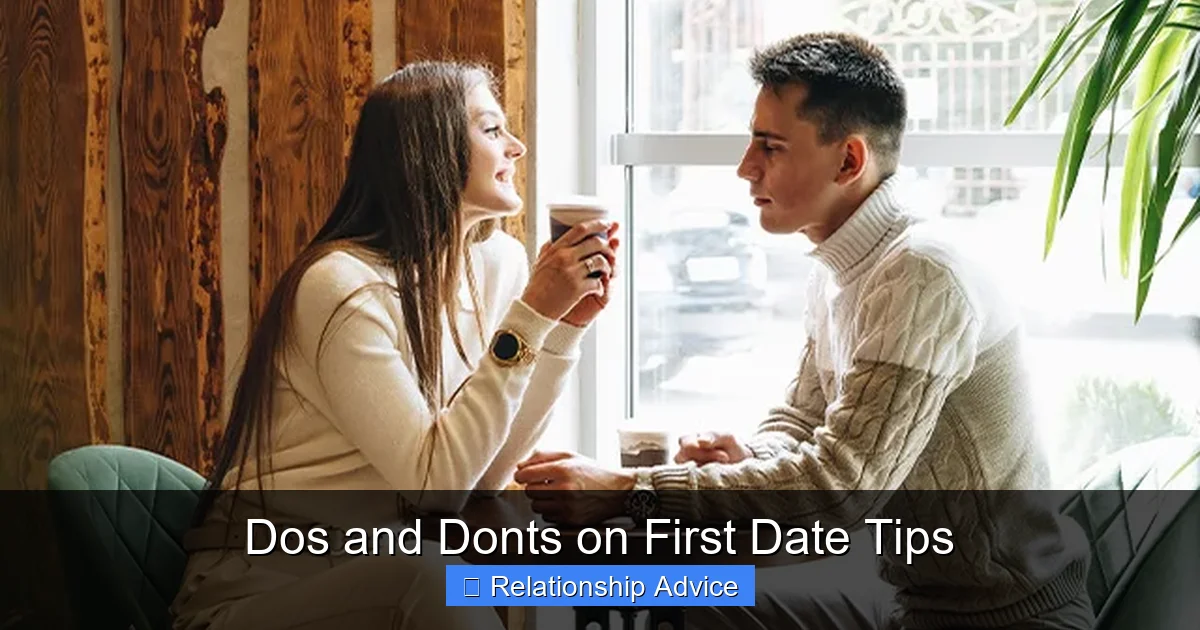
Visual guide about Dos and Donts on First Date Tips
Image source: media.firstdate.com
Your appearance matters—not because you need to look perfect, but because dressing well shows effort and respect for your date and the occasion. First impressions are formed quickly, and clothing is one of the first things people notice.
Match Your Outfit to the Setting
If you’re meeting at a cozy coffee shop, jeans and a nice top or a casual button-down shirt are perfect. For a dinner date at a nicer restaurant, consider dressing up a bit—think a dress, blouse, or collared shirt with clean shoes. The key is to match the vibe of the location without overdressing or underdressing.
For example, showing up in a tuxedo to a picnic date might seem over the top, while wearing sweatpants to a fine dining spot could come off as disinterested. When in doubt, it’s better to be slightly overdressed than under.
Prioritize Comfort and Confidence
Wear something that makes you feel good. If you’re constantly adjusting your clothes or feel uncomfortable, it can distract you and affect your confidence. Choose an outfit that fits well, suits your style, and lets you move freely.
Confidence isn’t about looking like a model—it’s about feeling comfortable in your own skin. When you feel good, it shows in your posture, smile, and energy. That kind of authenticity is far more attractive than trying to impress with flashy clothes.
Grooming Matters—But Keep It Simple
Basic grooming goes a long way. Clean hair, trimmed nails, fresh breath, and subtle fragrance (or none at all) show that you care about personal hygiene. Avoid strong perfumes or colognes, which can be overwhelming in close conversation.
Remember, the goal isn’t to transform into someone else—it’s to present your best, most put-together self. When you take care of these small details, you send a quiet message: “I respect you enough to show up looking my best.”
Do: Be Present and Listen Actively
Visual guide about Dos and Donts on First Date Tips
Image source: anjanibkuumar.com
One of the biggest mistakes people make on first dates is being distracted or only half-listening. Your date can tell when you’re mentally checking out, and it kills the connection before it even starts.
Put Your Phone Away
This one’s non-negotiable. Keep your phone face-down on the table or in your bag. Even glancing at it sends the message that you’d rather be somewhere else. If there’s an emergency, let your date know beforehand—but otherwise, give them your full attention.
Imagine this: You’re telling a funny story, and your date keeps looking at their phone. It feels dismissive, right? Now flip it—when you’re fully present, your date feels heard and valued. That’s the kind of energy that builds attraction.
Make Eye Contact and Use Body Language
Eye contact shows confidence and interest. Don’t stare intensely, but do look at your date when they’re speaking. Pair it with nodding, smiling, and leaning in slightly to show you’re engaged.
Body language speaks volumes. Crossed arms can seem closed off, while open posture—hands relaxed, shoulders back—invites conversation. Small gestures like mirroring their tone or expression can create subconscious rapport.
Listen to Understand, Not Just to Respond
Active listening means focusing on what your date is saying, not just waiting for your turn to talk. Ask follow-up questions based on their answers. For example, if they mention they love hiking, you might ask, “What’s the most beautiful trail you’ve ever been on?”
This shows you’re paying attention and genuinely curious about their life. It also helps the conversation flow naturally, instead of feeling like an interview.
Do: Ask Open-Ended Questions
Visual guide about Dos and Donts on First Date Tips
Image source: howtokeepher.com
Great conversations don’t happen by accident—they’re built with thoughtful questions. On a first date, your goal is to learn about the other person while sharing a bit about yourself. Open-ended questions are your best tool for that.
Go Beyond “Yes” or “No”
Instead of asking, “Do you like traveling?” try, “What’s the most memorable place you’ve visited, and why?” The first question can be answered in two words. The second invites a story, emotion, and connection.
Other examples:
– “What’s something you’re really passionate about?”
– “If you could have dinner with anyone, living or dead, who would it be?”
– “What’s a hobby you’ve always wanted to try?”
These kinds of questions reveal personality, values, and interests—far more than surface-level chatter.
Balance Questions with Sharing
While asking questions is important, don’t turn the date into a Q&A session. Share your own thoughts and experiences too. If your date mentions they love cooking, you might say, “That’s awesome! I tried making pasta from scratch last week—it was messy but so fun.”
This back-and-forth creates a natural rhythm and helps you both feel seen and heard.
Avoid Interrogation Mode
Asking too many questions in a row can feel like an interview. Space them out, and let silences happen. Comfortable pauses are normal—they give both of you time to think and breathe.
If the conversation lulls, don’t panic. You can gently steer it with a light topic like, “So, what’s the best movie you’ve seen lately?” or “Have you tried any new restaurants around here?”
Don’t: Dominate the Conversation
It’s easy to get excited and talk nonstop, especially if you’re nervous or really enjoying the moment. But dominating the conversation can make your date feel like they’re just there to listen—not to connect.
Let Your Date Speak
Pay attention to how much you’re talking versus listening. A good rule of thumb: aim for a 50/50 balance. If you notice you’ve been talking for several minutes straight, pause and ask, “What about you? How do you usually spend your weekends?”
This shows you’re interested in their life, not just your own.
Avoid Monologuing About Yourself
It’s okay to share stories, but keep them concise. Instead of a 10-minute tale about your last vacation, give a quick highlight and then invite their input. For example: “I just got back from Costa Rica—the beaches were unreal. Have you ever been somewhere that totally took your breath away?”
This keeps the conversation flowing and gives your date a chance to contribute.
Watch for Cues
If your date seems quiet or keeps glancing around, they might be feeling left out of the conversation. Gently bring them back in with a question or a light comment. Conversely, if they’re talking a lot, that’s a good sign—just make sure you’re still engaging and not zoning out.
Don’t: Bring Up Controversial or Heavy Topics
First dates are about getting to know each other, not debating world issues or rehashing past heartbreaks. While honesty is important, timing and tone matter just as much.
Avoid Politics and Religion
These topics can be deeply personal and polarizing. Even if you think you agree, a small difference in opinion can escalate quickly. Save these discussions for later when you’ve built more trust and understanding.
Instead, focus on lighter, shared interests like travel, food, movies, or hobbies. These create common ground without the risk of conflict.
Don’t Dive Into Past Relationships
Talking about exes on a first date can make you seem unresolved or overly focused on the past. Even if it’s just a casual mention, it can raise red flags.
If the topic comes up naturally, keep it brief and neutral. For example, “I’ve been single for a while and really focusing on myself” is better than “My ex was so controlling, I’m never dating anyone like that again.”
Steer Clear of Complaints and Negativity
Venting about your job, family, or life struggles might feel cathartic, but it can weigh down the mood. First dates should feel uplifting and hopeful.
If you’re going through a tough time, it’s okay to mention it lightly—“Work’s been busy lately”—but don’t unload heavy emotions. Save deeper conversations for when you know each other better.
Do: Be Punctual and Respectful
Time is a form of respect. Showing up late sends the message that your date’s time isn’t valuable—and that’s a quick way to start things off on the wrong foot.
Plan Ahead
Check traffic, parking, or public transit schedules. Aim to arrive 5–10 minutes early. If you’re running late, text your date as soon as possible with a quick apology and ETA.
For example: “So sorry—traffic is terrible. I’m about 10 minutes out. See you soon!” This shows consideration and keeps them in the loop.
Respect Boundaries
Pay attention to your date’s comfort level. If they seem hesitant about physical contact, don’t push it. A simple handshake or warm smile is enough to start.
Also, be mindful of personal space. Don’t lean in too close or touch without consent. Respect goes both ways—and it builds trust.
Be Mindful of Their Time
If your date mentions they have an early morning or another commitment, don’t drag the date out unnecessarily. Suggest wrapping up at a reasonable time. This shows you’re thoughtful and not just focused on your own desires.
Do: End with Clarity and Kindness
How you end a first date can be just as important as how you start it. Whether you’re interested in seeing them again or not, handling the goodbye with grace leaves a positive impression.
Express Appreciation
Thank them for their time, regardless of how it went. A simple “I really enjoyed talking with you” or “Thanks for a great evening” goes a long way.
Even if you’re not feeling a connection, kindness matters. You never know when your paths might cross again.
Be Honest—But Tactful
If you’re interested, say so! You might say, “I’d love to see you again—would you be up for coffee next week?” This shows confidence and clarity.
If you’re not interested, be honest but gentle. You could say, “I really enjoyed meeting you, but I don’t feel a romantic connection. I wish you all the best.” Avoid ghosting—it’s disrespectful and leaves the other person wondering.
Follow Up Appropriately
If you said you’d text, do it within 24 hours. A simple “Hey, I had a great time last night—let’s plan that coffee soon!” keeps the momentum going.
If you’re not interested, a brief, polite message is better than silence. For example: “Thanks again for last night. I appreciated meeting you, but I don’t think we’re a match. Wishing you the best!”
Conclusion: Be Yourself, Stay Kind, and Enjoy the Process
First dates don’t have to be perfect to be meaningful. What matters most is showing up as your authentic self, treating your date with respect, and staying open to connection.
The dos and donts on first date tips aren’t about following a script—they’re about creating a space where both people can feel comfortable, heard, and valued. When you focus on kindness, presence, and genuine curiosity, you set the stage for something real.
Remember, not every first date will lead to a second. And that’s okay. Each one is a chance to learn, grow, and get closer to finding someone who truly clicks with you. So take a deep breath, smile, and enjoy the moment. The right connection is worth the wait.
Frequently Asked Questions
Should I pay on a first date?
It’s thoughtful to offer, but not required. If you invited them, offering to pay is polite. If they insist on splitting, respect their choice—modern dating is about equality and mutual respect.
Is it okay to kiss on a first date?
Only if there’s clear mutual interest and consent. Pay attention to body language and verbal cues. When in doubt, ask or wait for a second date.
What if I’m really nervous?
It’s completely normal! Take deep breaths, focus on listening, and remember—your date is probably nervous too. Being kind to yourself helps you stay present.
How long should a first date last?
An hour or two is ideal—long enough to connect, but not so long that it feels overwhelming. Coffee or a casual dinner usually works well.
Can I talk about my ex on a first date?
It’s best to avoid detailed discussions. A brief, neutral mention is okay, but don’t dwell on past relationships—focus on the present and future.
What if there’s no chemistry?
That’s okay! Thank them for their time, be honest but kind, and move on. Not every date will spark a connection—and that’s part of the process.