
Dating someone with relationship trauma requires patience, empathy, and clear communication. With understanding and mutual effort, you can build a strong, healing bond that helps both partners grow. This guide offers practical advice to navigate challenges and nurture a healthy relationship.
Key Takeaways
- Understand what relationship trauma is: It stems from past abusive, neglectful, or inconsistent relationships and affects emotional responses and trust.
- Practice active listening: Let your partner express feelings without judgment—your role is to listen, not fix.
- Set and respect boundaries: Healthy boundaries protect both partners and create a sense of safety and predictability.
- Avoid taking things personally: Reactions like withdrawal or anger often reflect past pain, not your worth or actions.
- Encourage professional support: Therapy can help your partner process trauma and improve relationship dynamics.
- Prioritize your own well-being: Supporting someone with trauma is rewarding but can be draining—self-care is essential.
- Be patient with progress: Healing isn’t linear; celebrate small wins and stay committed to growth together.
📑 Table of Contents
- Understanding Relationship Trauma: What It Is and Why It Matters
- How to Communicate Effectively with a Partner Who Has Trauma
- Building Trust and Emotional Safety
- Supporting Your Partner’s Healing Journey
- Taking Care of Yourself While Supporting Your Partner
- When to Seek Couples Therapy
- Conclusion: Love That Heals
Understanding Relationship Trauma: What It Is and Why It Matters
When you’re dating someone with relationship trauma, it’s important to first understand what that really means. Relationship trauma isn’t just about a bad breakup or a few arguments. It’s the emotional and psychological impact left behind by past relationships that were deeply hurtful, inconsistent, or even abusive. This could include emotional neglect, betrayal, manipulation, infidelity, or chronic criticism. These experiences leave invisible scars that can shape how a person views love, trust, and intimacy.
Think of it like a broken bone that never healed properly. Even after the cast comes off, the area might still be sensitive, weak, or prone to pain when pressure is applied. Similarly, someone with relationship trauma might react strongly to situations that seem minor to you—like a delayed text message or a change in plans—because it triggers memories of past hurt. Their reactions aren’t about you; they’re about the echoes of pain from before.
Understanding this helps you respond with compassion instead of frustration. You begin to see your partner not as “difficult” or “overly sensitive,” but as someone who’s been through real emotional hardship. This shift in perspective is the first step toward building a healthier, more supportive relationship.
Common Signs of Relationship Trauma
Recognizing the signs of relationship trauma can help you respond more effectively. While everyone’s experience is unique, there are common patterns to watch for:
- Fear of abandonment: They may become anxious when you’re late, cancel plans, or spend time with friends. This isn’t clinginess—it’s a deep-seated fear rooted in past experiences of being left or rejected.
- Difficulty trusting: Even when you’re honest and reliable, they might question your intentions or assume the worst. Trust was broken before, and rebuilding it takes time.
- Emotional withdrawal: After a conflict or even a minor disagreement, they might shut down, go silent, or pull away. This is often a defense mechanism to protect themselves from further hurt.
- Hypervigilance: They may constantly scan for signs of trouble—tone of voice, body language, or changes in routine—because they’ve learned to expect the worst.
- Self-sabotage: Some people unconsciously push partners away before they can be hurt again. They might pick fights, create distance, or assume the relationship will fail.
- Low self-worth: Past trauma can lead to feelings of not being “good enough” or deserving of love. They might downplay compliments or expect rejection.
These behaviors aren’t flaws—they’re survival strategies. Your partner isn’t trying to make your life harder. They’re trying to protect their heart from being broken again.
How Trauma Affects Attachment Styles
Relationship trauma often shapes a person’s attachment style—the way they connect with others in close relationships. Psychologists identify four main attachment styles: secure, anxious, avoidant, and disorganized (or fearful-avoidant). Trauma commonly leads to anxious or avoidant styles.
Someone with an anxious attachment may crave closeness but fear abandonment. They might text frequently, seek constant reassurance, or become upset when you don’t respond right away. This comes from a history of inconsistent care—where love was given, then suddenly withdrawn.
On the other hand, someone with an avoidant attachment may pull away when things get too close. They value independence and may seem emotionally distant. This often stems from childhood or past relationships where emotional needs were ignored or punished.
Then there’s the fearful-avoidant style—a mix of both. These individuals want intimacy but fear it at the same time. They might swing between wanting to be close and pushing you away, creating a push-pull dynamic that can be confusing and exhausting.
Understanding your partner’s attachment style can help you respond in ways that feel supportive rather than triggering. For example, if they’re anxious, consistent reassurance and clear communication can help them feel safe. If they’re avoidant, giving them space while staying emotionally available can build trust over time.
How to Communicate Effectively with a Partner Who Has Trauma
Visual guide about Dating Someone with Relationship Trauma
Image source: realestlove.com
Communication is the foundation of any healthy relationship, but it’s especially crucial when dating someone with relationship trauma. Past experiences may have taught your partner that speaking up leads to conflict, rejection, or punishment. As a result, they might shut down, avoid difficult conversations, or assume you’ll react badly.
Your job isn’t to “fix” their trauma—it’s to create a space where they feel safe enough to share, even when it’s hard.
Use “I” Statements Instead of “You” Statements
One of the most effective communication tools is using “I” statements. Instead of saying, “You never listen to me,” try, “I feel unheard when I’m interrupted.” This shifts the focus from blame to your own experience, which feels less threatening.
For example, if your partner cancels plans last minute and it upsets you, you might say:
“I was really looking forward to seeing you, and I felt disappointed when we had to reschedule. I understand things come up—can we talk about how to handle it next time?”
This approach acknowledges your feelings without making them feel attacked. It invites conversation instead of defensiveness.
Practice Active Listening
Active listening means giving your full attention when your partner speaks. Put your phone down, make eye contact, and nod to show you’re engaged. Reflect back what you hear: “It sounds like you’re feeling really overwhelmed right now.” This validates their experience and shows you’re truly listening.
Avoid jumping in with solutions right away. When someone is sharing emotional pain, they often just need to be heard—not fixed. Saying things like “Just get over it” or “It’s not that bad” can shut them down and make them feel misunderstood.
Instead, try:
“That sounds really painful. I’m here for you.”
Or:
“I can see why that would be hard. Thank you for telling me.”
These responses build trust and emotional safety.
Be Patient with Emotional Responses
Your partner might react strongly to things that seem small to you. A forgotten text, a change in tone, or a canceled date might trigger a flood of anxiety or anger. This isn’t about you—it’s about the trauma response kicking in.
When this happens, stay calm. Don’t argue or defend yourself immediately. Instead, say:
“I can see this is really upsetting you. I want to understand. Can we talk about what’s going on?”
Give them space to express their feelings without judgment. Once they feel heard, they’re more likely to calm down and engage in a productive conversation.
Avoid Triggers When Possible
Certain words, tones, or behaviors might trigger your partner’s trauma responses. For example, raising your voice, giving the silent treatment, or making sarcastic comments can feel like emotional abuse to someone who’s been through it.
Be mindful of how you communicate, especially during disagreements. Use a calm tone, speak clearly, and avoid blaming language. If you’re feeling angry, take a break instead of lashing out. Say:
“I’m feeling upset right now. Can we take 20 minutes to cool down and then talk?”
This shows respect for their emotional safety—and yours.
Building Trust and Emotional Safety
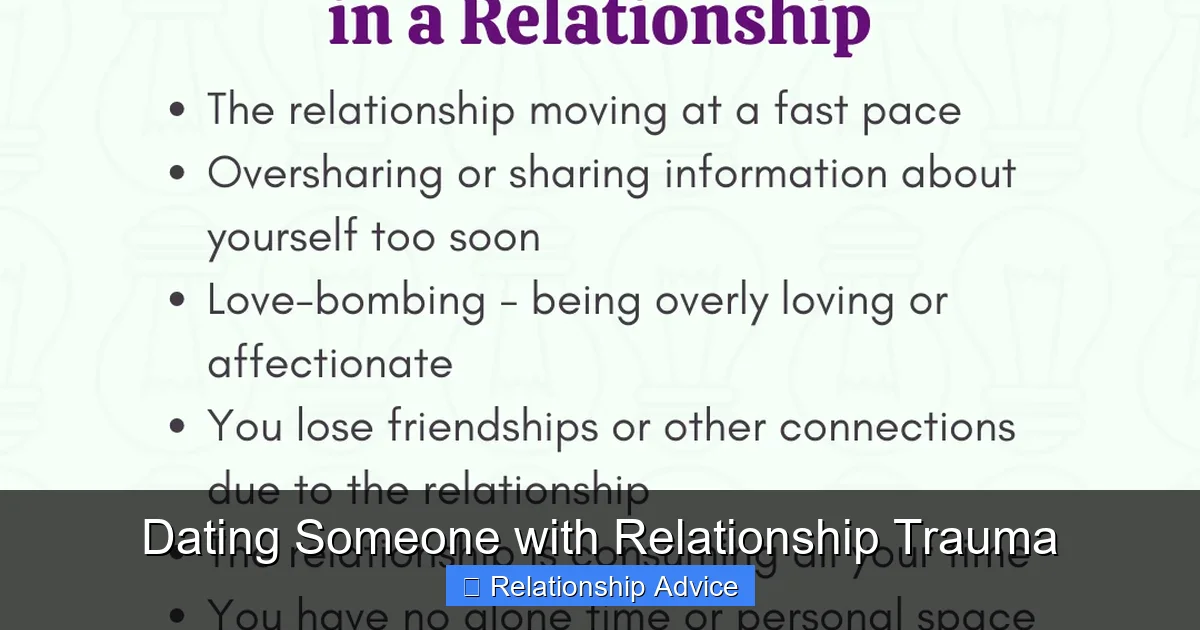
Visual guide about Dating Someone with Relationship Trauma
Image source: choosingtherapy.com
Trust is the cornerstone of any relationship, but it’s especially fragile when someone has relationship trauma. Past betrayals—whether through infidelity, lies, or emotional neglect—can make it hard to believe that love can be safe and consistent.
Building trust isn’t about grand gestures. It’s about small, repeated actions that show you’re reliable, honest, and emotionally available.
Be Consistent and Predictable
People with trauma often feel unsafe because their past relationships were unpredictable. One day they were loved; the next, they were ignored or criticized. To counter this, be consistent in your words and actions.
Show up when you say you will. Follow through on promises. If you say you’ll text by 8 p.m., do it. If you agree to talk about something, don’t avoid it later. These small acts build a sense of safety over time.
For example, if your partner shares a fear of being left, don’t just say “I’m not going anywhere.” Show it by being present—physically and emotionally—even when things get tough.
Be Transparent About Your Intentions
Ambiguity can be terrifying for someone with trauma. They might assume the worst because they’ve been hurt before. Be clear about your feelings, plans, and expectations.
Instead of saying, “We’ll see how it goes,” try:
“I really care about you and want to keep building this relationship. I’m not looking to leave.”
Or:
“I’m going out with friends tonight, but I’ll be back by 10. I’ll text you when I’m on my way.”
Transparency reduces anxiety and builds trust.
Validate Their Feelings—Even When You Don’t Agree
Validation doesn’t mean you have to agree with everything your partner says. It means acknowledging that their feelings are real and understandable given their history.
For example, if they say, “I feel like you’re going to leave me,” you might respond:
“I hear that you’re scared. That makes sense, given what you’ve been through. I’m not going anywhere, and I want you to feel safe with me.”
This response doesn’t argue—it affirms their experience while offering reassurance.
Create Rituals of Connection
Small, regular rituals can strengthen your bond and create a sense of stability. This could be a nightly check-in, a weekly date night, or a morning text to say “good morning.” These routines signal that you’re present and committed.
For someone with trauma, knowing what to expect can be incredibly comforting. It reduces the fear of abandonment and builds emotional security.
Supporting Your Partner’s Healing Journey
Visual guide about Dating Someone with Relationship Trauma
Image source: compassionbehavioralhealth.com
While you can’t heal your partner’s trauma for them, you can be a supportive presence in their journey. Healing from relationship trauma often involves therapy, self-reflection, and time. Your role is to encourage—not pressure—them toward growth.
Encourage Professional Help
Therapy is one of the most effective ways to process trauma. A trained therapist can help your partner understand their patterns, develop coping strategies, and work through painful memories.
You might say:
“I’ve noticed you’ve been struggling with anxiety lately. Have you ever thought about talking to a therapist? I’d support you in that.”
Avoid framing it as a criticism. Instead, present it as a tool for healing and growth.
Be Patient with Progress
Healing isn’t linear. Some days your partner might seem confident and secure. Other days, old fears might resurface. There may be setbacks—especially during stressful times or anniversaries of past events.
Don’t expect quick fixes. Celebrate small victories, like when they share a vulnerable thought or manage a trigger without withdrawing. These are signs of progress.
Avoid Trying to “Fix” Them
It’s natural to want to help, but trauma isn’t something you can solve with logic or advice. Saying things like “Just move on” or “You’re overreacting” can make your partner feel invalidated and alone.
Instead, focus on being present. Say:
“I’m here for you. You don’t have to go through this alone.”
Your support matters more than any solution you could offer.
Taking Care of Yourself While Supporting Your Partner
Supporting someone with relationship trauma can be deeply rewarding—but it can also be emotionally draining. You might feel responsible for their happiness, guilty when they’re hurting, or overwhelmed by their emotional needs.
It’s essential to prioritize your own well-being. You can’t pour from an empty cup.
Set Healthy Boundaries
Boundaries aren’t about pushing your partner away—they’re about protecting your mental health. It’s okay to say no sometimes. For example:
- “I care about you, but I can’t talk about this right now. I need an hour to recharge.”
- “I’m happy to listen, but I can’t be your only source of support. Have you considered talking to a therapist?”
- “I need some alone time this weekend. Let’s plan something fun for next week.”
Boundaries help prevent burnout and model healthy relationship dynamics.
Seek Your Own Support
Talk to a trusted friend, family member, or therapist about your experiences. It’s not disloyal to share your feelings—it’s necessary for your mental health.
You might say:
“I love my partner, but sometimes I feel overwhelmed. I need someone to talk to who understands.”
Support groups for partners of trauma survivors can also be helpful.
Watch for Signs of Codependency
Codependency happens when you lose yourself in the relationship. You might neglect your own needs, make excuses for your partner’s behavior, or feel responsible for their emotions.
Ask yourself:
- Do I feel anxious when my partner is upset?
- Do I avoid my own interests to spend time with them?
- Do I feel guilty when I say no?
If you answered yes, it might be time to reevaluate your boundaries and self-care.
When to Seek Couples Therapy
Sometimes, even with your best efforts, the relationship may feel stuck. That’s when couples therapy can be a game-changer.
A trained therapist can help you both:
- Understand each other’s triggers and communication styles
- Develop healthier conflict-resolution skills
- Work through past hurts in a safe environment
- Build a shared vision for the relationship
Therapy isn’t a sign of failure—it’s a commitment to growth.
Conclusion: Love That Heals
Dating someone with relationship trauma isn’t always easy, but it can be one of the most meaningful experiences of your life. With patience, empathy, and consistent effort, you can help your partner heal while building a strong, loving relationship.
Remember: you’re not responsible for fixing their past. But you can be a steady, compassionate presence in their present. By listening deeply, setting boundaries, and encouraging growth, you create a space where both of you can thrive.
Healing takes time. There will be hard days. But there will also be moments of deep connection, trust, and joy. And when love becomes a source of safety instead of fear, that’s something truly special.
Frequently Asked Questions
What is relationship trauma?
Relationship trauma refers to the emotional and psychological wounds caused by past harmful relationships, such as abuse, neglect, or betrayal. These experiences can affect trust, self-worth, and the ability to form healthy connections.
How can I tell if my partner has relationship trauma?
Signs include fear of abandonment, difficulty trusting, emotional withdrawal, hypervigilance, and self-sabotaging behaviors. These reactions often stem from past hurt and aren’t about you.
Should I try to fix my partner’s trauma?
No. You can’t fix trauma, but you can support healing by listening, being patient, and encouraging professional help. Your role is to be present, not to solve their pain.
How do I set boundaries without hurting my partner?
Be clear, kind, and consistent. Use “I” statements like, “I need some time to recharge,” and follow through. Boundaries protect both of you and build healthier dynamics.
Is it okay to take a break from the relationship?
Yes, if you’re feeling overwhelmed. Taking space for self-care isn’t abandonment—it’s necessary for your well-being. Communicate openly and return when you’re ready.
Can a relationship survive if one partner has trauma?
Absolutely. With mutual effort, therapy, and emotional support, many couples build strong, healing relationships. Progress takes time, but love and understanding can overcome past pain.