
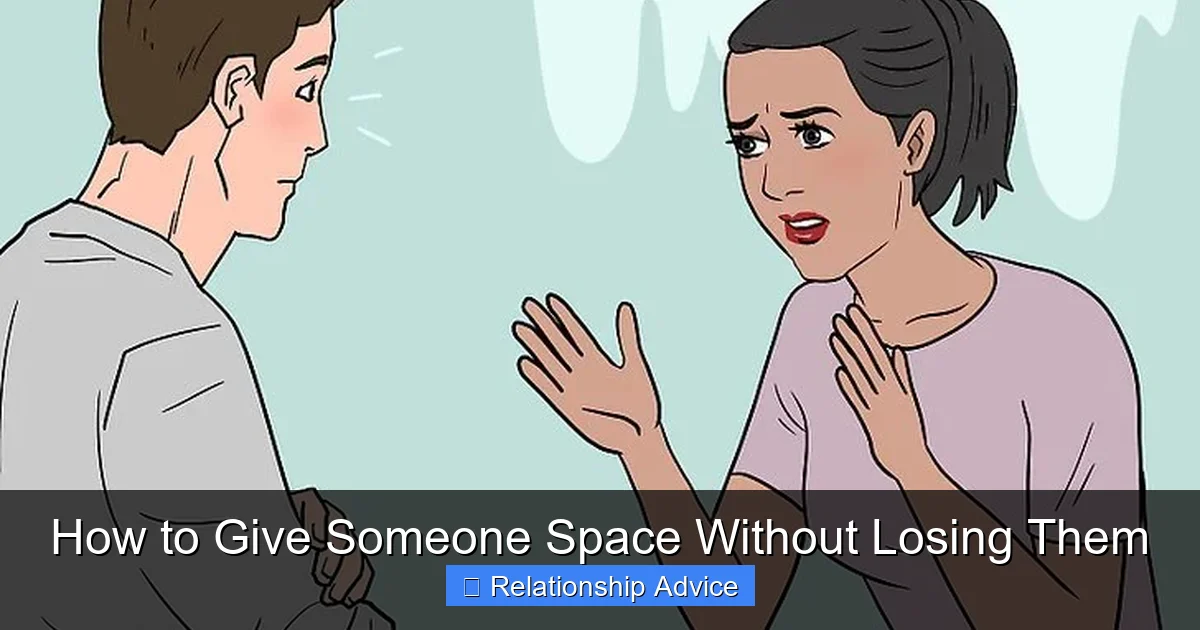
Giving someone space doesn’t mean pushing them away—it’s about respecting their needs while nurturing your connection. When done right, space can strengthen trust, reduce tension, and deepen intimacy. This guide shows you how to balance independence and closeness without fear of losing the person you care about.
Key Takeaways
- Space is healthy: Everyone needs time to recharge, reflect, and grow—even in close relationships.
- Communication is key: Talk openly about why space is needed and how much is comfortable for both parties.
- Set clear boundaries: Define what “space” means—whether it’s less texting, fewer hangouts, or solo time.
- Stay connected emotionally: Use check-ins, small gestures, or shared interests to maintain closeness during breaks.
- Avoid overcompensation: Don’t smother them after giving space—trust the process and respect their pace.
- Use the time wisely: Focus on self-care, hobbies, or personal goals to grow individually and enrich the relationship.
- Reconnect with intention: When coming back together, prioritize quality time and honest conversations.
📑 Table of Contents
- Why Space Matters in Relationships
- Understanding When Space Is Needed
- How to Communicate the Need for Space
- Setting Healthy Boundaries During Space
- Staying Connected Without Crowding
- Using Space to Grow Individually
- Reconnecting After Space
- When Space Isn’t Enough
- Final Thoughts: Space as an Act of Love
Why Space Matters in Relationships
Let’s be real—no one likes the idea of giving someone space. It can feel like a step backward, like you’re losing ground in a relationship you care about. But here’s the truth: space isn’t the enemy of love. In fact, it can be one of the most loving things you do for someone—and for yourself.
Think about it. Have you ever felt overwhelmed by constant texts, calls, or plans? Maybe you’ve needed a day to yourself after a stressful week, only to feel guilty for wanting to be alone. That’s normal. Everyone needs breathing room, even in the closest relationships. Space allows people to process emotions, recharge their energy, and reflect on what they truly want. Without it, relationships can become suffocating, leading to resentment, burnout, or even breakups.
But here’s the catch: giving space doesn’t mean disappearing or cutting ties. It’s about creating healthy distance—emotionally and physically—so both people can grow. When done with care and communication, space can actually strengthen a relationship. It builds trust, reduces pressure, and gives each person the freedom to be themselves. Instead of clinging out of fear, you’re choosing to nurture the connection by honoring individual needs.
So how do you give someone space without losing them? It starts with understanding why space is needed, how to communicate it clearly, and how to stay connected even when you’re apart. Let’s dive into the practical steps that make space a tool for growth, not distance.
Understanding When Space Is Needed
Visual guide about How to Give Someone Space Without Losing Them
Image source: wikihow.com
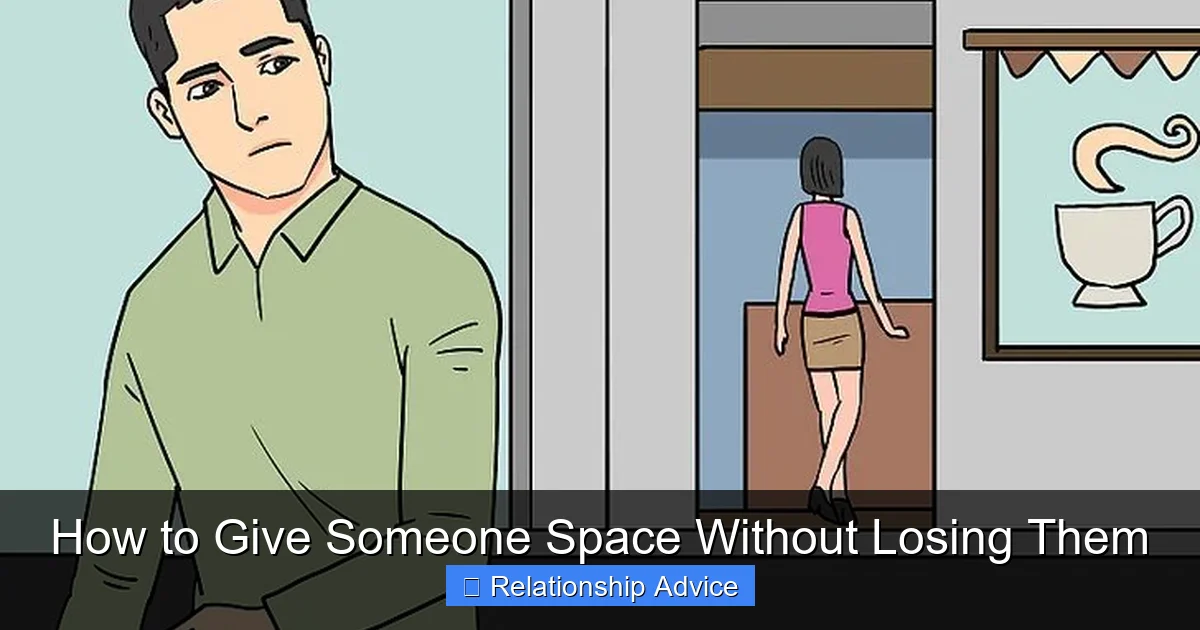
Not every quiet moment means someone needs space. Sometimes, people are just tired, busy, or distracted. But there are clear signs that someone might be craving more breathing room in the relationship.
One of the most common signs is emotional withdrawal. Maybe your partner has been quieter than usual, canceling plans last minute, or seeming distant during conversations. They might avoid deep talks or seem uninterested in your day. These aren’t necessarily red flags—they could simply mean they’re feeling overwhelmed and need time to reset.
Another signal is increased conflict. If small disagreements are turning into big arguments, or if you’re both feeling irritable around each other, it might be a sign that you’re spending too much time together without enough personal downtime. Constant proximity can amplify stress, making it harder to see things clearly.
You might also notice a lack of enthusiasm. If your partner used to light up when you called but now seems indifferent, or if they’re not initiating contact as much, it could mean they’re emotionally drained. This doesn’t mean they don’t care—it means they need a break to recharge.
Sometimes, the need for space comes from external pressures. Work stress, family issues, or personal challenges can make someone pull back. They might not be pulling away from you—they might just be struggling to cope and need time to focus on themselves.
The key is to pay attention without jumping to conclusions. Don’t assume the worst. Instead, ask gently: “Hey, I’ve noticed you’ve seemed a little distant lately. Is everything okay?” This opens the door for honest conversation without sounding accusatory.
Remember, needing space isn’t a rejection. It’s a sign of self-awareness. People who recognize their limits and ask for space are often the ones who value the relationship enough to protect it.
Common Misconceptions About Space
One of the biggest myths about space is that it means the relationship is in trouble. Many people panic when their partner asks for space, thinking it’s a prelude to a breakup. But that’s rarely the case. In fact, asking for space can be a sign of emotional maturity—it shows someone is willing to address their needs instead of letting resentment build.
Another misconception is that giving space means you have to stop all contact. That’s not true. Space doesn’t have to mean silence. It can mean fewer texts, less time together, or taking a break from deep emotional talks—but it doesn’t require cutting off communication entirely.
Some people also believe that if you truly love someone, you should always be together. But love isn’t about constant presence—it’s about respect, trust, and support. Sometimes, the most supportive thing you can do is step back and let the other person breathe.
Finally, there’s the idea that space is only for romantic relationships. But it applies to friendships, family dynamics, and even coworker relationships. Everyone needs boundaries, and space is just another way of honoring them.
How to Communicate the Need for Space
Visual guide about How to Give Someone Space Without Losing Them
Image source: wikihow.com
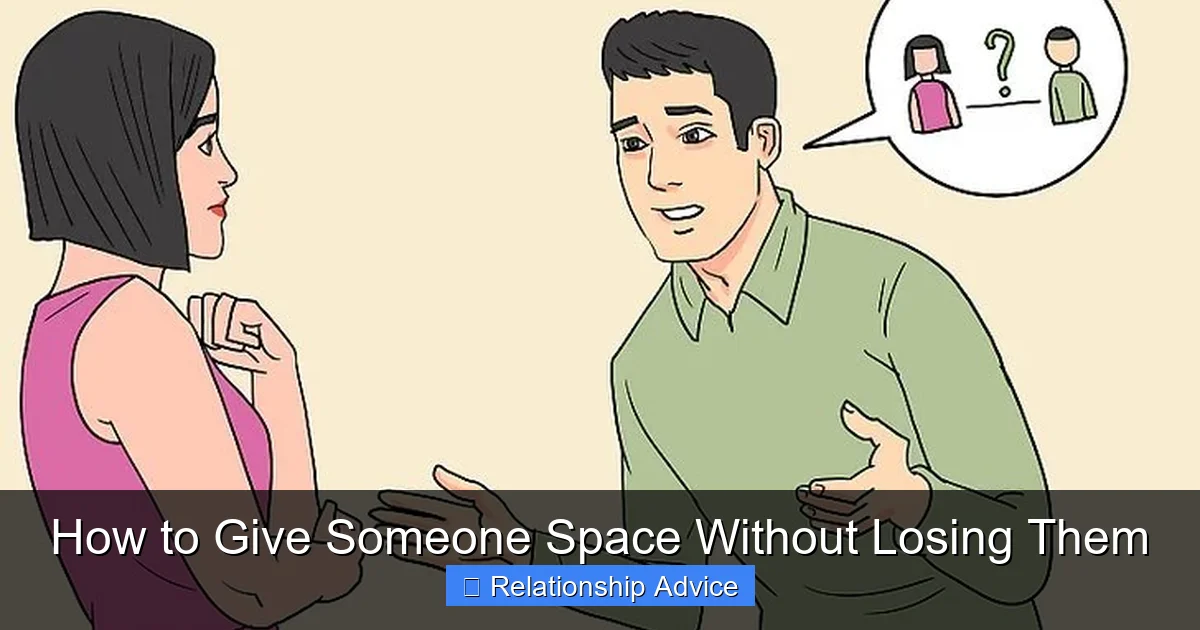
If you’re the one who needs space, the hardest part might be bringing it up. You don’t want to hurt the other person’s feelings or make them feel rejected. But honest communication is the foundation of any healthy relationship—and that includes talking about space.
Start by choosing the right time and place. Don’t bring it up during an argument or when the other person is stressed. Pick a calm moment when you can both talk without distractions. Say something like, “I’ve been thinking about us, and I want to talk about something important.”
Be clear and kind. Use “I” statements to express your feelings without blaming. For example: “I’ve been feeling a bit overwhelmed lately, and I think I need some time to myself to recharge. This isn’t about you—it’s about me needing to focus on my mental health.” This keeps the focus on your needs, not their shortcomings.
Explain why space will help. Maybe you’re feeling burnt out from work, or you want to work on personal goals. Sharing your reasons helps the other person understand it’s not a rejection—it’s a step toward a healthier you, which benefits the relationship in the long run.
Set boundaries together. Ask: “What kind of space feels right for you?” Maybe they want fewer texts, or maybe they just need one night a week to themselves. Be open to compromise. The goal isn’t to disappear—it’s to find a balance that works for both of you.
Reassure them. Let them know you still care and that this isn’t the end. Say something like, “I value our relationship, and I want us both to feel good about it. This break will help me come back more present and engaged.”
And if you’re the one being asked for space, listen without defensiveness. Ask questions to understand their needs: “How much time do you think you need?” or “Is there anything I can do to support you during this time?” Show that you respect their request, even if it’s hard.
What Not to Say When Asking for Space
Avoid vague statements like “I just need some space” without explanation. This can leave the other person confused and anxious. Instead, be specific: “I’d like to take two evenings this week to focus on my hobbies and recharge.”
Don’t use space as a punishment. Saying “I need space because you’re too clingy” will only create hurt and defensiveness. Frame it as a personal need, not a critique.
Also, avoid ultimatums. Saying “Give me space or I’m leaving” turns a healthy request into a threat. Space should come from a place of care, not control.
Setting Healthy Boundaries During Space
Visual guide about How to Give Someone Space Without Losing Them
Image source: wikihow.com
Once you’ve communicated the need for space, the next step is setting boundaries. Boundaries aren’t walls—they’re guidelines that help both people feel safe and respected.
Start by defining what “space” means in your relationship. Does it mean no texting after 9 p.m.? Fewer weekend hangouts? Or maybe just one day a week where you don’t talk at all? Be specific so there’s no confusion.
Agree on communication frequency. Maybe you’ll check in once a week with a quick “thinking of you” text, or maybe you’ll have a short call every few days. The key is consistency—don’t suddenly go silent after saying you’d stay in touch.
Respect each other’s limits. If your partner asks not to be called after work, don’t sneak in a quick call “just to say hi.” That breaks trust and undermines the purpose of space.
Use the time to focus on yourself. This isn’t just about giving them space—it’s about using the time to grow. Pick up a hobby, exercise, journal, or spend time with friends. The more you invest in yourself, the more energized and present you’ll be when you reconnect.
Avoid overanalyzing. It’s easy to spiral into thoughts like “Do they still love me?” or “Are they seeing someone else?” But space isn’t a test—it’s a reset. Trust that if the relationship is strong, it will survive this break.
And remember: boundaries go both ways. If you’re giving space, respect their need for it. If you’re receiving space, don’t guilt-trip them for taking it. Healthy relationships are built on mutual respect, not control.
Examples of Healthy Boundaries
– “I’d like to take Tuesday and Thursday evenings to myself this month to focus on my fitness goals. Can we plan our calls for Monday, Wednesday, and Friday?”
– “I need some quiet time after work. Let’s avoid texting between 6 and 8 p.m. so I can unwind.”
– “I’m feeling overwhelmed with plans. Can we skip hanging out this weekend and just check in with a quick call on Sunday?”
These examples show clarity, respect, and a willingness to maintain connection—even with space.
Staying Connected Without Crowding
One of the biggest fears about giving space is losing the emotional connection. But you don’t have to be physically together to stay close. In fact, small, thoughtful gestures can keep the bond strong—even from a distance.
Start with light check-ins. A simple “Hope your day is going well” text or a voice note sharing a funny moment can remind them you’re thinking of them without being overwhelming. Avoid deep emotional dumps or constant updates—those can feel like pressure.
Share experiences indirectly. Send a song that reminds you of them, share a photo from a past adventure, or recommend a book you think they’d enjoy. These small touches show you care without demanding a response.
Use shared interests to stay connected. If you both love movies, suggest watching the same film separately and discussing it later. If you enjoy cooking, try making the same recipe and sharing photos. These activities create shared moments without requiring constant interaction.
Plan a future date. Saying “I can’t wait to see you next weekend” gives both of you something to look forward to. It reinforces that this space is temporary and that you’re still invested in the relationship.
And don’t forget to listen. When you do talk, ask open-ended questions: “How are you feeling about everything?” or “What’s been on your mind lately?” This shows you’re interested in their inner world, not just their availability.
What to Avoid During Space
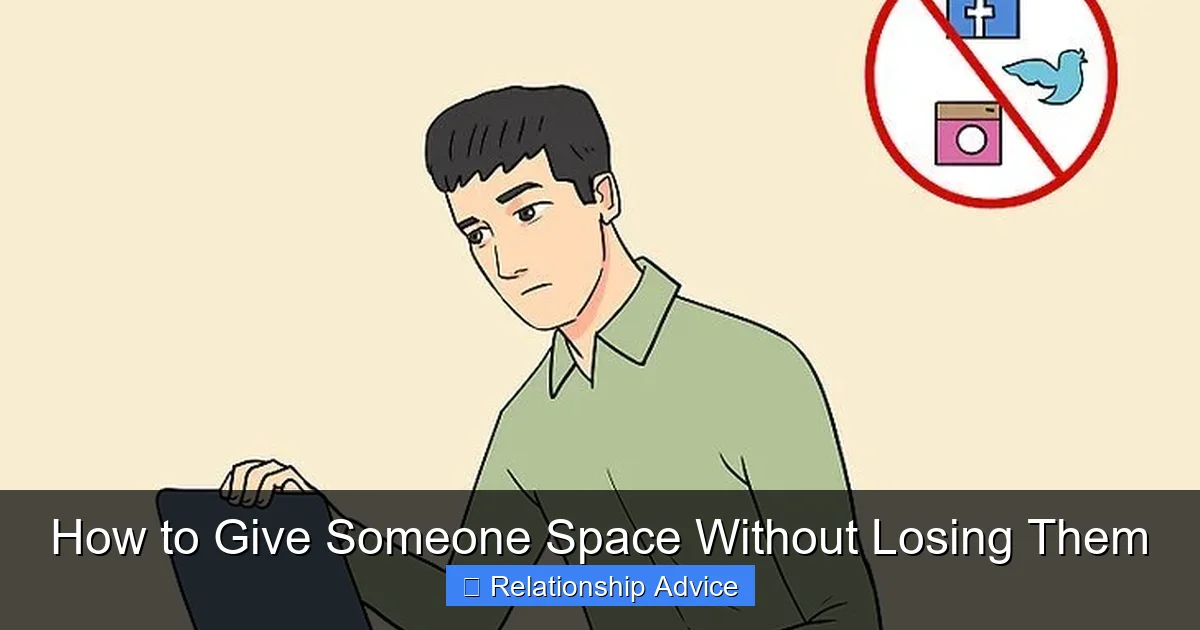
Don’t use social media to monitor them. Scrolling through their posts or checking who they’re with can fuel insecurity and make space feel like punishment.
Avoid guilt-tripping. Saying things like “I miss you so much, I can’t sleep” puts emotional pressure on them to end the space early.
Don’t compare your relationship to others. Just because a friend is always with their partner doesn’t mean your relationship is failing because you’re taking space.
And don’t assume silence means disinterest. People process emotions differently. Some need quiet to reflect; others need constant connection. Respect their style.
Using Space to Grow Individually
Space isn’t just about giving the other person room—it’s also an opportunity for personal growth. When you’re not constantly focused on the relationship, you can reconnect with yourself.
Use the time to reflect. Journal about your feelings, goals, and what you want from the relationship. Ask yourself: “Am I happy? What do I need to feel fulfilled?” This self-awareness can lead to deeper conversations when you reconnect.
Pursue your passions. Whether it’s painting, hiking, learning a language, or volunteering, doing things you love boosts your confidence and brings new energy to the relationship.
Work on self-care. Get enough sleep, eat well, exercise, and practice mindfulness. When you feel good physically and mentally, you show up better in relationships.
Set personal goals. Maybe you’ve been meaning to start a side project or improve your career skills. Space gives you the time and focus to make progress.
And don’t forget to have fun. Spend time with friends, try new activities, or just relax. Joy is contagious—when you’re happy on your own, that happiness naturally flows into your relationship.
How Growth Benefits the Relationship
When both people grow individually, the relationship becomes stronger. You bring new experiences, insights, and energy to the connection. Instead of relying on each other for validation, you both feel secure and fulfilled on your own—which makes the relationship healthier and more balanced.
Reconnecting After Space
Ending a space period doesn’t have to be awkward. In fact, it can be a fresh start—a chance to reconnect with intention and appreciation.
Start with a simple check-in. Say, “I’ve missed you. How are you feeling about everything?” This opens the door for honest conversation without pressure.
Plan a low-key reunion. Maybe meet for coffee, take a walk, or cook dinner together. Avoid big gestures or intense talks right away—let the connection rebuild naturally.
Reflect on what you’ve learned. Share how the space helped you: “I realized I needed more time to myself, and it’s made me appreciate our time together even more.” This shows growth and gratitude.
Reaffirm your commitment. Say, “I’m glad we took this time. I feel more connected to you now.” This reinforces that space strengthened, not weakened, your bond.
And be patient. It might take a few days to readjust. Don’t expect everything to snap back to normal immediately. Let the rhythm of the relationship find its new balance.
Signs the Reconnection Is Working
– You both feel more relaxed and present around each other.
– Conversations flow easily, without tension or defensiveness.
– You’re initiating contact because you want to, not out of obligation.
– You’re both respecting each other’s boundaries moving forward.
When Space Isn’t Enough
Sometimes, despite your best efforts, space doesn’t solve the underlying issues. If after taking space, you still feel disconnected, resentful, or unhappy, it might be time to dig deeper.
Ask yourself: Are our needs truly compatible? Do we have the same values and long-term goals? Is there a pattern of avoidance or emotional unavailability?
If the answer is no, space might not be the solution. In that case, consider couples counseling or an honest conversation about the future of the relationship.
But remember: space isn’t a cure-all. It’s a tool—one that works best when both people are committed to growth and communication.
Final Thoughts: Space as an Act of Love
Giving someone space isn’t about pushing them away. It’s about creating room for both people to breathe, grow, and come back to each other with renewed energy and appreciation.
When you respect someone’s need for space, you’re showing that you value their well-being—not just your own. You’re saying, “I care about you enough to let you be yourself, even if that means being apart for a while.”
And when you use that time wisely—focusing on self-care, personal growth, and healthy boundaries—you’re not just preserving the relationship. You’re strengthening it.
So the next time you or your partner needs space, don’t panic. See it as an opportunity. An opportunity to grow, to reflect, and to build a deeper, more resilient connection.
Because sometimes, the best way to keep someone close is to let them go—just for a little while.
Frequently Asked Questions
How long should space last?
There’s no set timeline—space can last a few days, a week, or even a month, depending on the situation. The key is to agree on a timeframe and check in regularly to reassess needs.
Will giving space make them lose interest?
Not if it’s done with care and communication. Healthy space strengthens trust and reduces pressure, making people more likely to stay interested—not less.
What if they don’t want space but I do?
Be honest and gentle. Explain your needs without blaming them. Say, “I love you, but I need some time to recharge so I can be fully present with you.”
Can space work in long-distance relationships?
Absolutely. In fact, space can help prevent emotional burnout in long-distance couples by allowing time for individual growth and reducing dependency on constant contact.
How do I know if space is helping?
You’ll notice less tension, more patience, and a stronger desire to connect when you’re together. Both people should feel calmer and more centered.
Is it okay to take space during a conflict?
Yes—but only if it’s used to cool down, not to avoid the issue. Agree to revisit the conversation after the space period to resolve the conflict constructively.
