
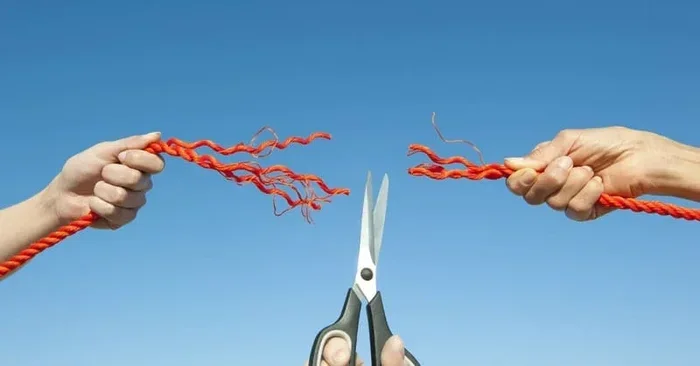
Getting rid of toxic friends safely and quickly starts with recognizing the warning signs and setting firm boundaries. This guide covers practical steps to end draining friendships, protect your peace, and rebuild your confidence after letting go of negative people in your life.
How to get rid of toxic friends safely and quickly is something many people struggle with, especially when the friendship has lasted for years. You might feel guilty, scared, or confused about the right way to handle it. But here’s the truth: protecting your mental health matters more than keeping someone around who drains your energy. In this guide, you’ll learn practical, step-by-step strategies to identify toxic friendships, set boundaries, end things gracefully, and heal afterward. Whether you’re dealing with a manipulative friend, a one-sided relationship, or someone who constantly brings drama into your life, this article will give you the tools you need to move forward with confidence.
Letting go of a friend is never easy. Unlike romantic breakups, society doesn’t always validate friendship breakups. People might tell you to “just work it out” or “give them another chance.” But the reality is that toxic friendships can damage your self-esteem, increase your stress, and hold you back from building meaningful connections. You deserve friendships that lift you up, not ones that tear you down. Understanding how not letting go of a relationship affects yourself can be a powerful motivator to finally take action.
Key Takeaways
- Recognize the signs: Constant drama, one-sided effort, and emotional exhaustion are clear indicators of a toxic friendship.
- Set clear boundaries: Before cutting ties, establish limits to protect your emotional well-being and mental health.
- Choose your approach: Use direct conversation, gradual distance, or a clean break depending on the situation and your safety.
- Prioritize self-care: Healing after a toxic friendship requires intentional self-compassion and rebuilding your social circle.
- Don’t feel guilty: Letting go of negative relationships is an act of self-respect, not selfishness.
- Seek support: Lean on trusted friends, family, or a therapist during the transition period.
- Learn from the experience: Use red flags you spotted to build healthier friendships moving forward.
📑 Table of Contents
- How To Identify A Toxic Friend Before Taking Action
- Why It’s So Hard To Let Go Of Toxic Friends
- How To Set Boundaries With Toxic Friends
- Different Ways To End A Toxic Friendship
- What To Do After Cutting Off A Toxic Friend
- How To Build Healthier Friendships Moving Forward
- When To Seek Professional Help
- Final Thoughts On Protecting Your Peace
How To Identify A Toxic Friend Before Taking Action
Before you can remove toxic people from your life, you need to recognize them. Sometimes toxicity is obvious. Other times, it’s subtle and creeps up on you slowly. Knowing the warning signs helps you make a clear-headed decision instead of acting on impulse.
Common Signs Of A Toxic Friendship
Toxic friends share certain patterns. Here are the most common red flags to watch for:
- One-sided effort: You’re always the one texting first, making plans, and checking in. They rarely initiate contact.
- Constant criticism: They put you down, mock your achievements, or make you feel small under the guise of “just being honest.”
- Jealousy and competition: They can’t celebrate your wins. Instead, they minimize your success or one-up you.
- Emotional manipulation: They use guilt trips, silent treatment, or threats to control your behavior.
- Boundary violations: They ignore your limits, share your secrets, or pressure you into things you don’t want to do.
- Draining energy: After spending time with them, you feel exhausted, anxious, or worse about yourself.
- Gossip and betrayal: They talk behind your back and can’t be trusted with personal information.
When Tough Times Reveal True Colors
A friend who only shows up when things are going well isn’t a real friend. Pay attention to how they respond when you’re struggling. Do they offer support, or do they make your problems about themselves? Do they disappear when you need them most? These moments reveal character faster than any happy hour conversation ever could.
Why It’s So Hard To Let Go Of Toxic Friends
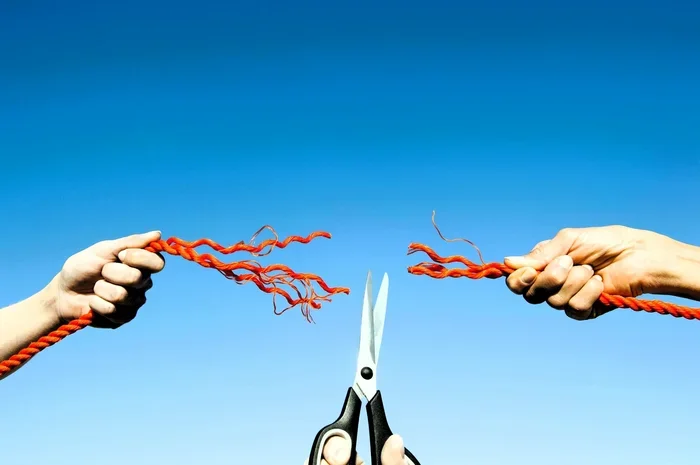
Visual guide about cutting toxic ties
Image source: aconsciousrethink.com
Understanding why you’re holding on can make it easier to let go. Many people stay in unhealthy friendships for reasons that have nothing to do with the friendship itself.
Emotional Attachment And History
You might have years of shared memories together. Maybe you grew up together, went through major life events side by side, or supported each other during difficult times. That history creates a powerful bond. But shared history doesn’t mean the friendship is still serving you. People change, and sometimes friendships expire naturally.
Fear Of Being Alone
The thought of losing a friend can trigger deep loneliness. You might worry about not having anyone to hang out with or talk to. But being alone is far better than being with someone who makes you feel alone even when they’re right next to you. Quality always beats quantity when it comes to friendships.
Guilt And Obligation
Toxic friends are experts at making you feel responsible for their emotions. They might say things like “I don’t have anyone else” or “After everything I’ve done for you.” These statements are designed to keep you trapped. Remember: you are not responsible for another adult’s happiness or social life.
How To Set Boundaries With Toxic Friends
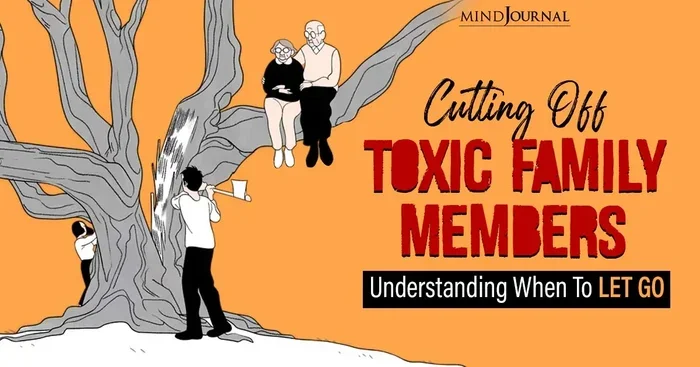
Visual guide about cutting toxic ties
Image source: themindsjournal.com
Setting boundaries is your first line of defense. Sometimes clear limits can improve a friendship. Other times, they confirm that the relationship is beyond repair. Either way, boundaries protect your well-being.
Types Of Boundaries You Need
- Emotional boundaries: Limit how much emotional labor you do for them. Stop being their free therapist.
- Time boundaries: Reduce how often you see them or respond to their messages. You don’t owe anyone 24/7 availability.
- Physical boundaries: Create physical distance if being around them makes you uncomfortable.
- Conversational boundaries: Refuse to engage in gossip, drama, or conversations that make you feel bad.
How To Communicate Your Boundaries Clearly
Use “I” statements to express your needs without attacking them. For example: “I need some alone time this weekend” or “I’m not comfortable discussing that topic.” You don’t need to over-explain or justify your boundaries. A simple, firm statement is enough. If they respect your limits, the friendship might be salvageable. If they push back, guilt-trip you, or ignore your boundaries entirely, that’s your sign to move on. Learning how to set boundaries with friends is a skill that will serve every relationship in your life.
Different Ways To End A Toxic Friendship
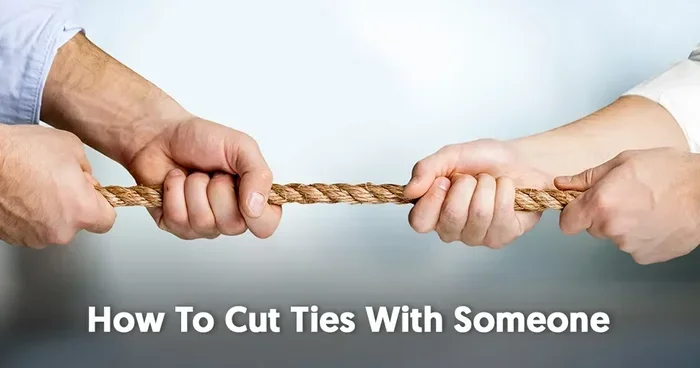
Visual guide about cutting toxic ties
Image source: static.mysticsense.com
There’s no one-size-fits-all approach to ending a friendship. The right method depends on the severity of the toxicity, your safety, and your comfort level.
Option 1: The Direct Conversation
If you value closure and feel safe doing so, have an honest conversation. Choose a calm, private setting. Be specific about your feelings without being cruel. Use phrases like “I’ve noticed our friendship doesn’t feel balanced anymore” or “I need to step back from this relationship for my own well-being.” Keep the focus on your feelings rather than listing their flaws. This approach works best with friends who might not realize they’ve been toxic and could benefit from the feedback.
Option 2: The Gradual Fade-Out
This is the most common and often the safest approach. Slowly reduce your availability and responsiveness. Stop initiating plans. Take longer to reply to texts. Decline invitations politely. Over time, the friendship naturally dissolves without a dramatic confrontation. This method works well for casual friendships or situations where a direct conversation might cause unnecessary drama.
Option 3: The Clean Break
For severely toxic, manipulative, or abusive friendships, a clean break is often necessary. Send a brief message stating that you’re ending the friendship, then block or unfriend them on all platforms. You don’t owe a long explanation to someone who has consistently hurt you. Your safety and peace come first. If you’re worried about their reaction, confide in someone you trust and avoid being alone with them during this transition.
What To Do After Cutting Off A Toxic Friend
Ending the friendship is just the beginning. The aftermath requires intentional healing and self-care.
Allow Yourself To Grieve
Even toxic friendships involve real emotions. You might feel sad, relieved, guilty, or all of these at once. Give yourself permission to feel whatever comes up without judgment. Grieving a friendship doesn’t mean you made the wrong decision. It means you’re human.
Fill The Void With Positive Activities
A toxic friend leaving creates space in your life. Fill it with things that nourish you. Pick up a new hobby, join a club, take a class, or reconnect with healthier friends. The busier you are with positive activities, the less time you’ll spend dwelling on the loss.
Rebuild Your Self-Esteem
Toxic friends often chip away at your confidence. After cutting ties, actively work on rebuilding how you see yourself. Practice positive affirmations, celebrate your achievements, and surround yourself with people who genuinely appreciate you. Understanding how long it takes to get over a breakup can give you perspective on your healing timeline, since friendship breakups follow similar emotional patterns.
Reflect On Red Flags You Missed
Take time to identify the warning signs you overlooked. This isn’t about blaming yourself. It’s about sharpening your awareness so you don’t repeat the same pattern. Write down the behaviors that hurt you. Use that list as a reference when building new friendships.
How To Build Healthier Friendships Moving Forward
Once you’ve healed, you’re ready to form new connections. This time, you’ll do it with better standards and clearer boundaries.
Qualities To Look For In New Friends
- Mutual effort: Both people initiate contact and make plans.
- Genuine support: They celebrate your wins without jealousy.
- Honest communication: They address issues directly instead of gossiping.
- Respect for boundaries: They honor your limits without making you feel guilty.
- Positive energy: You feel better after spending time with them, not worse.
Take Your Time With New Connections
Don’t rush into deep friendships right away. Let relationships develop naturally over time. Pay attention to how people treat you during the early stages. Someone’s behavior when you first meet is their best behavior. If red flags appear early, trust your gut and step back.
When To Seek Professional Help
Sometimes the impact of a toxic friendship runs deeper than you realize. If you’re struggling with anxiety, depression, trust issues, or self-worth problems after ending a friendship, talking to a therapist can help. A professional can guide you through the healing process and help you develop healthier relationship patterns. There’s no shame in asking for support. In fact, it’s one of the strongest things you can do for yourself.
Final Thoughts On Protecting Your Peace
Getting rid of toxic friends safely and quickly isn’t about being mean or dramatic. It’s about choosing yourself. It’s about recognizing that your energy, time, and emotional health are valuable. Every friendship in your life should add something positive. If someone consistently takes more than they give, you have every right to walk away. The temporary discomfort of ending a toxic friendship is nothing compared to the long-term damage of staying in one. You deserve friends who make you feel seen, valued, and supported. Don’t settle for anything less.
Frequently Asked Questions
How do I know if my friend is truly toxic or just going through a rough patch?
Everyone goes through difficult periods, but there’s a difference between temporary struggles and consistent toxic behavior. If the negative patterns persist for months despite your attempts to address them, and if you consistently feel drained after interactions, it’s likely a toxic friendship rather than a rough patch.
Should I tell my toxic friend why I’m ending the friendship?
It depends on the situation. If you feel safe and believe the person might benefit from honest feedback, a direct conversation can provide closure. However, for manipulative or abusive individuals, a clean break without explanation is often safer and more effective.
Is it normal to feel guilty after cutting off a friend?
Absolutely. Guilt is a natural response, especially if you’re an empathetic person. Remind yourself that prioritizing your mental health isn’t selfish. The guilt will fade as you experience the relief of living without constant drama and negativity.
How long does it take to heal after ending a toxic friendship?
Healing timelines vary depending on the length and intensity of the friendship. Some people feel relief within weeks, while others need months to fully process the loss. Be patient with yourself and focus on self-care during the transition.
Can a toxic friendship ever become healthy again?
In rare cases, yes. If both people acknowledge the problems, set genuine boundaries, and commit to change, improvement is possible. However, most toxic friendships don’t transform because the toxic person rarely takes responsibility for their behavior.
What if my toxic friend is part of my larger social group?
This is a common challenge. You don’t have to choose between the friend and the group. Maintain your relationships with other group members while creating distance from the toxic individual. If the group pressures you to stay friends, that’s a red flag about the group dynamic itself.
