
When someone you love starts showing red flags of developing feelings for another person, it’s more than just a gut feeling—it’s a signal that something deeper may be shifting in your relationship. These signs often begin subtly: sudden emotional distance, increased secrecy around phone or social media, or unexplained absences. Recognizing these behaviors early can help you address concerns before trust erodes completely. While not every change means infidelity, consistent patterns of neglect, prioritization of others, or emotional withdrawal are serious indicators that deserve honest conversation. This guide walks you through common red flags, how to respond with clarity (not panic), and when it might be time to reevaluate the future of your connection.
Key Takeaways
- Emotional withdrawal is a major red flag: If your partner suddenly becomes distant, uninterested in deep conversations, or avoids physical affection, it could signal they’re emotionally checking out—possibly toward someone else.
- Increased secrecy around communication is suspicious: Hiding text messages, changing passwords, or becoming defensive about their phone can indicate they’re protecting private interactions with another person.
- They prioritize others over you: Canceling plans last minute for someone new, spending excessive time with another individual, or choosing other people’s needs over yours consistently points to divided loyalties.
- Defensiveness or lying increases significantly: When honesty was once easy and now explanations feel rehearsed or evasive, especially about where they’ve been or who they’re talking to, trust begins to fracture.
- They idealize “the other person”: Complaining about your flaws while praising someone else’s qualities—even casually—can reveal unconscious comparisons and growing emotional investment elsewhere.
- Physical intimacy decreases without explanation: A drop in affection, romance, or sexual connection without clear reasons may reflect emotional disconnection from you—and possibly attraction toward someone new.
- You feel more anxious than secure: Constant worry, jealousy, or insecurity aren’t normal in healthy relationships. If you find yourself obsessively checking their behavior or second-guessing everything, it’s a sign the dynamic has shifted.
📑 Table of Contents
- Understanding the Emotional Shift: Why Red Flags Matter
- Why People Develop Feelings for Someone Else (And What It Means)
- Top Behavioral Red Flags He’s Developing Feelings for Someone Else
- How to Respond When You Notice These Signs
- Protecting Your Relationship Before It’s Too Late
- Long-Term Strategies to Strengthen Emotional Bonds
Understanding the Emotional Shift: Why Red Flags Matter
Love isn’t always loud—sometimes it fades quietly, like a dimming light. But when someone you care about starts pulling away emotionally, those subtle changes can send up major red flags. You might notice they’re less engaged during dinner conversations, stop initiating dates, or seem distracted even when you’re together. At first, you brush it off as stress or fatigue. But if this pattern continues, it could mean they’re developing feelings for someone else.
Red flags aren’t proof of betrayal—they’re signals that something important is changing. Relationships thrive on mutual attention, honesty, and effort. When one person begins redirecting energy elsewhere, whether consciously or not, the foundation starts to crack. Recognizing these warning signs early gives you a chance to talk, reflect, and decide what’s best for your emotional well-being.
This article explores the most common red flags that suggest your partner may be developing feelings for another person. We’ll break down behavioral changes, emotional cues, and practical steps to take if you suspect things aren’t what they used to be. Most importantly, we’ll help you move from confusion to clarity—so you can protect your heart while staying true to yourself.
Why People Develop Feelings for Someone Else (And What It Means)
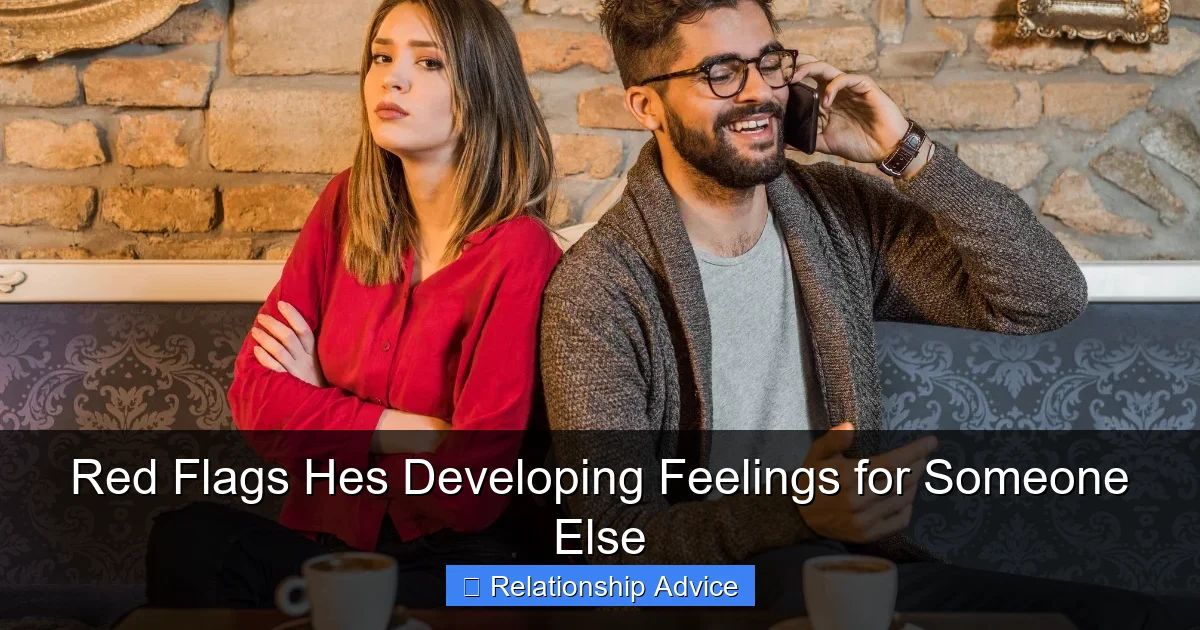
Visual guide about Red Flags Hes Developing Feelings for Someone Else
Image source: realestlove.com
Human emotions are messy, unpredictable, and deeply personal. Sometimes, feelings evolve simply because people grow apart. Life circumstances shift—careers demand more time, friendships deepen, or personal goals change—and romantic connections can lose momentum. In other cases, attraction develops due to proximity, shared experiences, or even unmet emotional needs.
But here’s the truth: if your partner is genuinely invested in your relationship, external influences shouldn’t override your bond. Developing feelings for someone else doesn’t automatically mean cheating—but it does mean boundaries are being tested. The real question isn’t *if* feelings arise, but *how* they’re handled.
For many, emotional attraction begins subtly. A coworker shares a laugh during lunch, a friend opens up about struggles, or an ex reconnects after years apart. These moments create space for comparison. Over time, if your partner feels misunderstood, unappreciated, or disconnected from you, those small sparks can grow into larger flames—often without either person realizing it until it’s too late.
That’s why awareness matters. By understanding the roots of emotional drift, you gain insight into your own role in the relationship and how to strengthen your connection before cracks appear.
The Psychology Behind Emotional Attraction
Psychologists agree that emotional attraction often stems from perceived compatibility. When someone feels heard, valued, or seen by another person—even platonically—it activates parts of the brain associated with bonding and attachment. This doesn’t always lead to romance, but it can plant seeds.
For example, imagine your partner vents about work stress to you constantly, only to later confide in a colleague who offers sympathy and validation. That colleague might unintentionally become a source of comfort, creating emotional overlap between professional respect and personal connection. Over time, repeated positive interactions can blur the line between friendship and deeper interest.
Another factor is novelty. After months or years together, routines dull. New people bring excitement, different perspectives, and a sense of discovery. While this isn’t inherently wrong, it becomes problematic when it replaces quality time with your partner or undermines your emotional presence.
Lastly, self-esteem plays a role. If your partner frequently seeks reassurance from others or compares themselves to someone new, it may reflect insecurity rather than genuine attraction. But regardless of intent, actions speak louder than explanations.
Common Triggers That Spark Emotional Drift
Not all triggers are obvious. Here are some frequent catalysts:
– Stress and burnout: When overwhelmed, people seek support outside their primary relationships.
– Lack of communication: Unresolved conflicts or emotional distance push partners toward others for connection.
– Unmet needs: Physical intimacy, emotional availability, or intellectual stimulation gaps invite alternative sources of fulfillment.
– Social environments: Workplaces, schools, or friend groups that encourage closeness can unintentionally foster bonds.
– Digital exposure: Social media allows constant contact with past crushes or acquaintances, making reconnection easier.
None of these alone mean your partner is leaving you—but combined with behavioral changes, they raise valid concerns worth exploring.
Top Behavioral Red Flags He’s Developing Feelings for Someone Else
Behavioral shifts are usually the first clues someone’s emotional focus is shifting. Unlike mood swings or temporary irritability, persistent changes in routine, communication, or priorities often point to deeper issues.
Start paying attention when you notice patterns—not single incidents. One missed call isn’t suspicious; avoiding calls altogether for days is. One canceled date isn’t alarming; canceling three in a row without rescheduling is.
Here’s what to watch for:
1. Sudden Withdrawal from Intimacy
Physical and emotional intimacy are pillars of connection. If your partner stops initiating hugs, kisses, or sex—or becomes cold during touch—it signals emotional disengagement. This isn’t always about attraction elsewhere; sometimes, it reflects internal conflict or dissatisfaction with the relationship. But if paired with other red flags, reduced intimacy strongly suggests divided attention.
Tip: Gently express concern without accusation. Say, “I’ve noticed we haven’t been as close lately. Is everything okay?”
2. Excessive Phone Use and Secrecy
Phones have become emotional lifelines. If your partner suddenly guards their screen, takes calls in private, or becomes agitated when you walk by, it warrants investigation. Note if they delete chat histories, change passwords, or avoid answering questions about contacts.
Important: Don’t invade privacy—observe patterns. Frequent late-night texts, secretive smiling, or quick screen turns when you enter a room are universal warning signs across genders and cultures.
3. Prioritizing Others Over You Consistently
Relationships require balance. If your partner regularly chooses friends, family, or coworkers over spending time with you—especially after promising otherwise—it shows misplaced loyalty. For instance, skipping your anniversary dinner to help a “sick” cousin who lives across town? That’s a red flag.
Ask yourself: Do they make time for you when you matter most? Or do they always have excuses?
4. Defensive Behavior and Increased Lying
Honesty builds trust; secrecy erodes it. If your partner becomes unusually defensive about simple questions (“Where were you?” “Who was that?”), offers vague answers, or invents stories, it indicates discomfort with transparency. Even small lies compound and create emotional distance.
Remember: Trust isn’t broken by big secrets—it’s chipped away by tiny dishonesties.
5. Praising Someone Else While Criticizing You
Compliments are flattering—but selective praise is manipulative. If your partner constantly says things like, “She’s so much more understanding than you,” or “He never gets mad like you do,” it reveals unconscious favoritism. These comparisons rarely happen by accident.
Such remarks plant seeds of doubt and pressure you to “be better”—which often backfires and pushes them further away from you.
6. Unexplained Absences and Changed Routines
Sudden changes in schedule—staying out late without reason, skipping workouts, or altering daily habits—can signal involvement with someone new. If they start claiming to be busy “with work” or “at the gym” but you know their job doesn’t require late hours, investigate gently.
Also notice: Do they seem happier when explaining these absences? That emotional uplift could stem from seeing someone special.
7. Emotional Distance During Conversations
Deep talks—about dreams, fears, or future plans—are where relationships grow. If your partner zones out during heartfelt discussions, changes subject quickly, or responds with monosyllables like “fine” or “whatever,” they’re emotionally absent. This isn’t indifference; it’s distraction.
Try saying, “I feel like we’re not connecting like we used to. Can we talk about what’s going on?”
How to Respond When You Notice These Signs
Discovering red flags is painful—but reacting wisely protects your mental health. Panicking, demanding answers, or accusing won’t yield truth; it shuts down communication. Instead, approach the situation with calm curiosity.
First, document observations. Write down specific instances: dates, behaviors, and how you felt. This helps clarify patterns and prevents emotional exaggeration.
Next, choose a neutral time to talk—not during arguments or distractions. Use “I” statements to avoid blame. For example:
“I’ve felt distant lately and miss our closeness. I’m worried something’s changed. Can we talk honestly?”
Listen actively. They may deny anything is wrong, offer excuses, or become withdrawn. Resist the urge to argue. Instead, say, “I appreciate you sharing. I need us to rebuild trust. How can we do that together?”
If they’re unwilling to engage openly, consider couples counseling. A therapist provides safe space for dialogue without judgment.
Most importantly, assess your own needs. Are you being treated with respect? Do you feel secure? If the answer is no, it’s okay to walk away.
When to Seek Professional Help
Couples therapy isn’t just for crises—it’s for strengthening bonds. If your partner refuses to discuss concerns or dismisses your feelings, therapy can still benefit you personally through individual sessions. Meanwhile, resources like expert-tested self-care guides remind us: healing starts with valuing yourself.
Therapists help uncover root causes—like unresolved trauma, communication barriers, or mismatched love languages—that fuel emotional drift. They also teach tools to rebuild intimacy safely.
Self-Care During Relationship Uncertainty
Doubt takes a toll. Prioritize sleep, nutrition, exercise, and time with supportive friends. Journal your thoughts to process emotions. Avoid stalking their social media—it fuels anxiety. Instead, focus on activities that ground you.
Remind yourself: You deserve clarity, kindness, and mutual effort. Holding onto hope without action harms more than letting go ever could.
Protecting Your Relationship Before It’s Too Late
Prevention beats recovery. If you’re reading this proactively, you likely want to preserve your bond. Great! Start by strengthening core elements:
– Schedule regular date nights—even virtual ones if apart. Quality time rebuilds connection.
– Practice active listening. Put phones away, maintain eye contact, and validate their feelings.
– Express appreciation daily. Small compliments boost emotional security.
– Discuss boundaries clearly. What interactions make you uncomfortable? Share respectfully.
– Celebrate milestones together. Anniversaries, achievements, and ordinary days matter.
Also revisit shared goals. Are you both heading in the same direction? Misaligned futures strain relationships regardless of current feelings.
If your partner is open to change, propose joint exercises like writing letters to each other or taking a compatibility quiz. Fun, low-pressure activities ease tension while revealing insights.
Above all, maintain your identity. Pursue hobbies, career goals, and friendships outside the relationship. A fulfilled individual attracts healthier partnerships.
Rebuilding Trust Step by Step
Trust isn’t rebuilt overnight—it’s constructed brick by brick through consistency. If trust was damaged (whether from suspected feelings for someone else or past mistakes), agree on concrete steps:
– Transparency: Share passwords willingly if comfortable.
– Accountability: Admit lapses without excuses.
– Patience: Allow time for healing without ultimatums.
– Reassurance: Regularly affirm commitment through words and actions.
Celebrate progress, not perfection. Healing isn’t linear.
Knowing When to Let Go
Sometimes, despite efforts, the relationship ends. That’s okay. Staying solely to avoid pain traps you in unhappiness. Reflect honestly:
– Did they show willingness to change?
– Are their actions aligning with promises?
– Do you feel respected and prioritized?
If answers are mostly no, it’s brave to release them. Resources like signs someone loves another person can help others navigate similar pain. Meanwhile, remember: ending a toxic relationship opens doors to healthier connections.
Long-Term Strategies to Strengthen Emotional Bonds
Strong relationships aren’t static—they evolve with intentional care. Incorporate these habits into daily life:
– **Weekly check-ins:** Set aside 20 minutes monthly to discuss feelings, needs, and concerns.
– **Shared adventures:** Try new activities together—cooking classes, hiking, or volunteer work.
– **Gratitude practice:** End each day listing three things you appreciated about your partner.
– **Conflict resolution skills:** Address disagreements calmly using “I” statements and compromise.
– **Emotional vulnerability:** Share fears and dreams without expecting immediate solutions.
Over time, these build resilience against outside temptations. As psychologist John Gottman notes, successful couples maintain “positive sentiment override”—where love outweighs criticism during tough times.
Also, explore topics like spiritual beliefs about love if applicable. Faith-based frameworks often provide comfort and moral clarity during transitions.
Ultimately, love requires work—but the rewards are worth it. You don’t need perfection; you need partnership, honesty, and mutual growth.
Frequently Asked Questions
Can a man develop feelings for someone else without cheating?
Yes. Emotional attraction doesn’t equal physical infidelity. Many people form deep connections with others while remaining faithful. However, if those feelings cause neglect of your relationship or secrecy, it strains trust regardless of intent.
How long does it typically take for emotional feelings to turn physical?
There’s no set timeline. Some relationships transition quickly; others stay platonic for years. It depends on chemistry, opportunity, emotional availability, and existing relationship dynamics. Focus on actions, not timelines.
What if my partner denies having feelings for someone else?
Denial is common—even when truth exists. Instead of debating, say, “I believe you. But I need us to rebuild trust through openness.” Observe if their behavior changes. If not, consider therapy or reevaluation.
Is it selfish to worry about my partner developing feelings for someone else?
No. Worry reflects care, not selfishness. Healthy relationships require security. Your feelings matter, and addressing concerns strengthens both individuals’ emotional well-being.
Should I confront my partner immediately after noticing red flags?
Wait for the right moment—when calm, focused, and non-accusatory. Immediate confrontation may trigger defensiveness. Document patterns first, then initiate gentle dialogue.
Can prayer or faith help prevent or resolve emotional drift?
Absolutely. Spiritual practices like prayer, meditation, or church involvement can provide guidance, peace, and renewed commitment. Many find strength in discussing faith with trusted mentors or reading articles like Can You Pray For Someone To Love You.
