

Building a successful relationship with a Black woman starts with respect, cultural awareness, and emotional intelligence. This guide offers practical advice on communication, dating etiquette, and navigating cultural nuances. Whether you’re on your first date or deepening a connection, these insights will help foster trust, understanding, and mutual appreciation.
Dating is one of life’s most rewarding experiences—when it’s built on mutual respect, open communication, and genuine interest. But when entering a relationship with someone from a different cultural background, especially a community as vibrant and diverse as the Black community, it’s important to go in with humility, curiosity, and care. Dating Black women isn’t just about attraction; it’s about building a meaningful connection rooted in understanding, empathy, and shared values.
Every person—regardless of race—deserves to be seen, heard, and valued for who they are, not what others assume them to be. When you take the time to understand her world, you create space for authentic intimacy. Whether you’re exploring your first date or deepening an existing connection, this guide walks you through how to date Black women with confidence, sensitivity, and heart. We’ll cover everything from cultural awareness to effective communication, so you can build a relationship that lasts.
Key Takeaways
- Cultural Respect: Understand and appreciate the rich diversity within Black culture—avoid stereotypes and approach each woman as an individual with unique experiences and values.
- Effective Communication: Practice active listening, speak clearly, and be emotionally available. Open, honest conversations build deeper connections faster.
- Dating Etiquette: Be punctual, show up prepared, and follow through on plans. Thoughtful gestures—like remembering small details—go a long way.
- Emotional Intelligence: Recognize and respond to emotional cues. Empathy and patience create safe spaces for vulnerability and growth in the relationship.
- Shared Values & Goals: Look for alignment in life goals, beliefs, and family values. A strong foundation supports long-term compatibility.
- Navigating Family Dynamics: Understand that family plays a central role in many Black households. Respecting her family’s influence shows maturity and commitment.
- Patience & Authenticity: Rushing into labels or expectations can hinder progress. Let the relationship unfold naturally while staying true to yourself.
📑 Table of Contents
- Understanding Cultural Context: Why It Matters
- How to Communicate Effectively: The Heart of Connection
- First Dates: Setting the Right Tone
- Respecting Her Family and Community
- Building Emotional Intimacy Over Time
- Handling Rejection With Grace
- Long-Term Compatibility: What Really Matters
- Final Thoughts: Dating With Heart
Understanding Cultural Context: Why It Matters
Before diving into tips on how to date Black women, it’s crucial to recognize that “Black” encompasses a wide range of identities, histories, and experiences. From African American communities in urban centers to Caribbean, Afro-Latinx, and international backgrounds, the diversity within the Black diaspora means no two women are exactly alike. Approaching any relationship—especially across cultures—requires openness and a willingness to learn.
Many Black women come from families where respect, loyalty, and emotional expression are deeply woven into daily life. For some, spirituality, church involvement, or community ties play a significant role. Others may identify more closely with global Black culture, fashion, music, or social justice movements. Being aware of these nuances doesn’t mean you have to agree with everything—it means you’re making an effort to understand her worldview.
When you show genuine interest in her background, she’ll feel seen and appreciated beyond surface-level traits. This goes far deeper than knowing facts about history or pop culture—it’s about listening to her story, celebrating her identity, and honoring the strength that often comes with being part of a historically resilient community.
Breaking Down Stereotypes vs. Reality
One of the biggest barriers in dating is the weight of outdated stereotypes. Phrases like “all Black women are strong” or “they’re hard to please” are harmful generalizations that don’t reflect reality. While many Black women are indeed resilient and independent, they’re also individuals with dreams, fears, quirks, and vulnerabilities just like anyone else.
Instead of relying on assumptions, focus on getting to know her as a person. Ask questions, share your own experiences, and be curious. If she mentions growing up in a tight-knit neighborhood, ask how that shaped her. If she loves reggae music, find out which artists mean something to her. These small moments build bridges between you.
Remember: dating someone from any background should never be reduced to “checking boxes” on a checklist. The goal is connection—not performance.
The Importance of Emotional Availability
In many relationships, emotional availability is the quiet foundation that keeps things growing. When you’re emotionally present—listening without judgment, sharing honestly, and showing up during tough times—you create safety. And safety is where real intimacy thrives.
Black women, like all people, want to feel secure in their relationships. They crave partners who aren’t afraid of deep conversations, who can handle vulnerability, and who won’t ghost when things get messy. So instead of focusing only on romance or physical attraction, prioritize emotional maturity.
For example, if she shares a personal struggle—whether it’s dealing with racism, family drama, or career stress—respond with kindness, not deflection. A simple “I’m here for you,” said with sincerity, can mean more than grand gestures ever could.
How to Communicate Effectively: The Heart of Connection
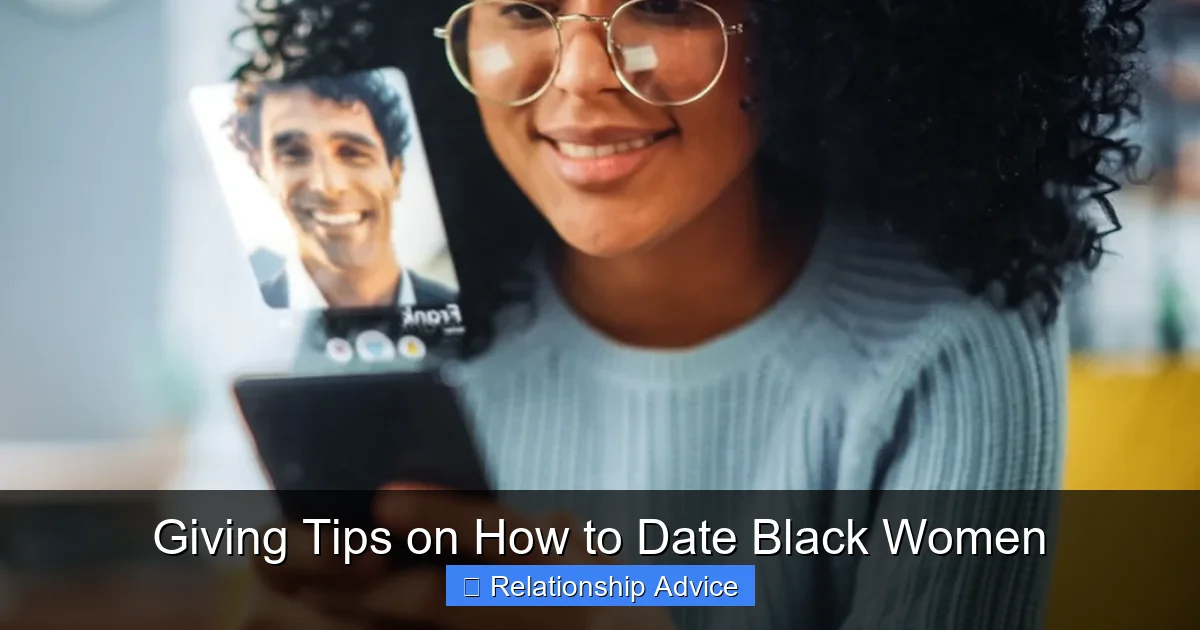
Visual guide about Giving Tips on How to Date Black Women
Image source: rollingout.com
Communication isn’t just about talking—it’s about creating a space where both people feel respected and understood. When you’re dating someone new, especially across cultural lines, clear and kind communication becomes even more essential.
Start by practicing active listening. That means putting your phone down, making eye contact (when appropriate), and truly hearing what she says—not just waiting for your turn to speak. Reflect back what you hear: “So what I’m hearing is that family dinners mean a lot to you?” This shows you’re engaged and helps avoid misunderstandings.
Also, be mindful of tone and language. Avoid slang that might confuse or alienate unless she uses it herself. And don’t assume she’ll “get” certain jokes or references just because they’re popular online. Instead, ask: “Is this something you relate to?” or “Can you tell me more about that?”
Transparency builds trust. If you’re unsure about something—like how she feels about a topic or situation—ask directly. Saying “I want to make sure I understand you correctly…” opens the door to honest dialogue.
And remember: silence doesn’t need to be filled. Sometimes, giving space to process thoughts or feelings is just as valuable as constant conversation.
Practical Tips for Better Communication
- Use “I” statements instead of “you always…” accusations. For example: “I felt hurt when…” rather than “You never listen.”
- Avoid interrupting—even if you think you know what she’s going to say.
- Check in regularly: “How are you really doing today?”
- Be specific when giving feedback or asking questions.
- Apologize sincerely when you’ve made a mistake—without over-explaining.
Navigating Differences in Expression Styles
Different cultures express emotions differently. Some Black women may communicate more openly and passionately, while others prefer quieter, introspective approaches. Neither is better—just different.
If she tends to express herself through humor, art, or music, lean into that. Ask about her favorite song lyrics or suggest seeing a live jazz performance together. These shared moments can deepen your bond.
On the flip side, if she’s more reserved, don’t pressure her to “open up faster.” Respect her pace. Over time, consistent presence and kindness often encourage deeper sharing.
First Dates: Setting the Right Tone
Your first date sets the stage for everything that follows. It’s your chance to show confidence, thoughtfulness, and compatibility—without the pressure of labels or expectations.
When planning how to date Black women on a first date, keep it simple but meaningful. Choose activities that allow for natural conversation—like coffee, walking through a park, or visiting a museum. Avoid overly loud environments like crowded bars if you’re still learning to read her cues.
Be on time. Punctuality shows respect for her time and energy. And wear something clean and put-together—not flashy, but neat. First impressions matter, but authenticity matters more.
During the date, focus on learning about her interests, dreams, and values. Ask open-ended questions like:
– “What’s something you’re really passionate about right now?”
– “What’s your ideal weekend look like?”
– “Who inspires you most in your life?”
These kinds of questions invite storytelling and reveal what matters to her.
And don’t forget the little things: bring cash for tips, offer to split the bill (or pay outright if you initiated), and walk her to her door. Small acts of consideration signal maturity and care.
What NOT to Do on a First Date
- Don’t talk exclusively about yourself or your achievements.
- Avoid controversial topics like politics or religion unless she brings them up first.
- Never use racial slurs—even jokingly. This is non-negotiable.
- Don’t assume physical affection is expected. Wait for consent and signals.
- Avoid comparing her to exes or previous dates.
After the Date: Follow-Up Matters
The moment after you drop her off or say goodbye is critical. A thoughtful text like, “Had a great time talking with you—looking forward to next time!” reinforces positive feelings and keeps the momentum going.
But timing counts too. Don’t bombard her with messages if she seemed tired or rushed off. Respect her boundaries and give space if needed.
If you’re interested in seeing her again, suggest a low-pressure activity—like grabbing smoothies or checking out a local art exhibit. This takes the pressure off formal dating and lets the connection grow naturally.
Respecting Her Family and Community
In many Black households, family isn’t just extended kin—it’s a core support system. Grandparents, aunts, uncles, and cousins often play vital roles in raising children and maintaining traditions.
When you’re serious about how to date Black women long-term, showing respect for her family signals maturity and seriousness. This doesn’t mean you have to become best friends with everyone overnight, but it does mean being polite, engaged, and willing to participate when invited.
For instance, if she invites you to a family dinner, arrive on time, bring a small gift (flowers or dessert work well), and engage respectfully with elders. Ask about their stories—they often hold wisdom worth hearing.
Also, be mindful of cultural practices around respect for elders, communal decision-making, or religious observances. When in doubt, ask: “Is there anything I should know about how we celebrate [event]?”
This kind of humility shows that you value her roots—and that you see her whole life, not just the parts that fit your idea of romance.
Dealing With Intergenerational Differences
Sometimes, younger generations may feel less tied to tradition, while older relatives hold fast to customs. If her family has certain expectations—like marriage timelines or career paths—try not to react defensively. Instead, ask questions: “What do you think they’d want for us?” This keeps communication open and inclusive.
Remember: her ability to navigate these differences herself is a sign of strength. Your job isn’t to fix her family dynamics—it’s to support her and show respect along the way.
Building Emotional Intimacy Over Time
Physical attraction is easy. Emotional intimacy requires effort, consistency, and courage. But it’s where lasting love lives.
To build emotional closeness, start small. Share your hopes, fears, and dreams gradually. Admit when you’re wrong. Celebrate her wins. And be patient when she needs space.
Many Black women appreciate partners who honor their independence while offering steady support. You don’t have to solve all her problems—just be someone she trusts enough to lean on sometimes.
Try weekly check-ins like: “What’s one thing that made you smile this week?” or “Is there anything weighing on you I should know about?” These routines create rhythm and trust.
And don’t shy away from difficult conversations. Topics like race, microaggressions, or past trauma may come up—approach them with humility and a willingness to learn.
For example, if she shares an experience with bias, don’t dismiss it with “Well, at least you’re strong enough to handle it.” Instead, validate her feelings: “That sounds really tough. I’m sorry you had to go through that.”
Creating Shared Rituals
Small, repeated moments can deepen connection faster than big gestures alone. Maybe it’s cooking dinner together every Sunday, watching the same movie each month, or taking morning walks before work.
These rituals become anchors in your relationship—things you both look forward to and rely on. They also create opportunities for laughter, comfort, and quiet bonding.
Handling Rejection With Grace
Not every connection will work out. And that’s okay. Rejection—whether romantic or logistical—is part of dating.
If she says no to another date or pulls back emotionally, resist the urge to beg, guilt-trip, or stalk her social media. That erodes respect and makes future interactions awkward.
Instead, respond with dignity. A simple, “No worries—hope you have a great day!” keeps things peaceful and preserves your self-respect.
Use rejection as feedback, not failure. Maybe she’s not ready for commitment. Maybe your communication styles clash. Whatever the reason, focus on what you can learn—not just how to win her over.
And if you genuinely care about her well-being—even after things end—send a kind message weeks later: “Just thinking of you—hope you’re doing okay.” That kind of closure honors both people involved.
Long-Term Compatibility: What Really Matters
As your relationship grows, shift focus from “how to date Black women” to “how to build a life together.” That means aligning on core values: honesty, ambition, family goals, financial habits, and spiritual beliefs.
Ask yourself: Do we share similar visions for our future? Are we both committed to growth—personally and as a couple?
Also, consider how you handle conflict. Healthy disagreements don’t destroy relationships—they strengthen them. But only if resolved with respect and compromise.
And don’t overlook shared humor, love for nature, or passion for travel. These smaller joys add up over time and create a sense of partnership.
Ultimately, the best relationships aren’t about perfection—they’re about mutual effort, growth, and choosing each other every day.
Balancing Independence and Partnership
Even in deep relationships, individuality matters. Encourage her hobbies, friendships, and career pursuits. Support her ambitions without trying to control them.
At the same time, create space for couple-time—date nights, weekend trips, or even quiet evenings at home. Balance keeps the spark alive and prevents resentment.
Involving Religion or Spirituality Thoughtfully
Spirituality plays a big role in many Black lives—from Christianity and Islam to Yoruba traditions or ancestral reverence. If faith matters to her, ask how it shapes her daily life. Attend services together if invited. Read scripture or pray if that’s her practice.
But never pressure her to convert or mock her beliefs. Respect is key.
Final Thoughts: Dating With Heart
Knowing how to date Black women isn’t about memorizing rules or performing cultural correctness. It’s about approaching each person with humility, curiosity, and real care.
It means listening more than you speak, apologizing when needed, and celebrating her uniqueness without reducing her to stereotypes. It means showing up—consistently—for the messy, beautiful journey of building trust and love.
Dating is a dance, not a checklist. Some steps feel natural. Others require practice. But when you lead with integrity and stay true to yourself, you’ll find that meaningful connections flourish—especially when nurtured with patience and respect.
And remember: the best relationships aren’t perfect. They’re honest, evolving, and full of shared laughter, hard conversations, and quiet moments under the stars. If you approach those moments with an open heart, you’re already winning.
—
Frequently Asked Questions
How do I show respect when dating Black women?
Respect comes from listening actively, avoiding stereotypes, and valuing her individuality. Ask about her interests, honor her boundaries, and acknowledge the richness of her cultural background without reducing her to clichés.
What if I make a cultural mistake?
If you slip up—say, mispronouncing a name or misunderstanding a custom—apologize sincerely and ask how you can do better. Most people appreciate honesty and a willingness to learn over perfection.
Should I ask about her family on a first date?
It’s okay to mention family casually, but don’t grill her about relatives on early dates. Save deeper questions for when trust has grown. Focus first on getting to know her personality and values.
How important is physical touch in the beginning?
Physical intimacy should always follow clear consent and comfort. Pay attention to her body language and verbal cues. Don’t assume kissing or holding hands is expected—wait for mutual interest.
Can I compliment her hair or appearance without being offensive?
Yes—but keep it specific and respectful. Instead of “You have such beautiful hair,” try “I love how you style your braids—they suit you so well.” Avoid exoticizing language or treating her appearance as “exotic” or unusual.
What if she seems guarded at first?
Some people—of any background—take time to open up. Be patient, consistent, and non-judgmental. Show up regularly, follow through on promises, and let trust develop naturally over time.
