
“The Distance Killed It” is a common phrase that sums up how emotional or physical gaps can silently end a relationship. Learn the hidden reasons, real‑life examples, and practical tips to close the gap and keep love thriving.
Key Takeaways
- Identify the gap early: Small signs of drifting often turn into major problems if ignored.
- Communication is the cure: Honest, frequent talks shrink distance faster than grand gestures.
- Quality time beats quantity: Focused moments together matter more than endless scrolling.
- Set shared goals: A common vision creates a bridge that distance can’t erode.
- Seek help when needed: Couples therapy or trusted friends can provide the tools to rebuild.
- Use thoughtful gifts wisely: Small, meaningful tokens remind partners they’re valued.
- Stay proactive: Regular check‑ins prevent the distance from ever taking root.
📑 Table of Contents
- Introduction: When Distance Becomes a Deal‑Breaker
- 1. Understanding the Different Types of Distance
- 2. Why “The Distance Killed It” Happens So Often
- 3. Red Flags That Signal Distance Is Growing
- 4. Practical Steps to Close the Gap
- 5. Real‑Life Examples: When Couples Turned Distance Into Strength
- 6. Maintaining the Bridge: Ongoing Habits for Long‑Term Success
- Conclusion: Don’t Let Distance Write Your Story’s End
Introduction: When Distance Becomes a Deal‑Breaker
We’ve all heard the phrase “The distance killed it.” Whether it’s a literal mile‑apart situation or an emotional drift that feels like a canyon, the result is often the same: a relationship that once felt unbreakable now feels fragile.
In this article we’ll dig into why distance matters, how it sneaks up on even the strongest couples, and—most importantly—what you can do right now to stop the silent breakup. Think of this as a chat over coffee with a friend who’s been there, done that, and wants to help you keep the love alive.
1. Understanding the Different Types of Distance
Physical Distance
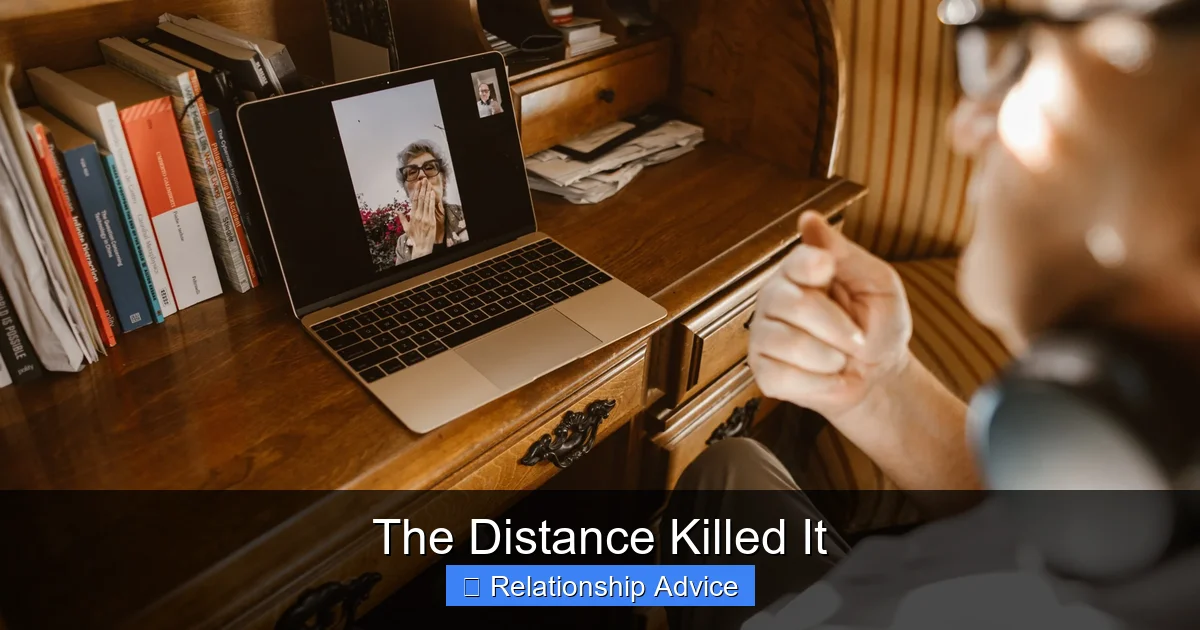
Physical distance is the most obvious—living in different cities, working opposite shifts, or traveling for work. While technology helps, the lack of daily face‑to‑face contact can create a feeling of “out of sight, out of mind.”
Visual guide about The Distance Killed It
Image source: alzsd.org
Emotional Distance
Even when you share a roof, you can feel miles apart if you stop sharing thoughts, fears, and dreams. Emotional distance often starts with small habits: not asking about each other’s day, avoiding deep conversations, or hiding feelings to keep the peace.
Intellectual & Spiritual Distance
When partners grow in different directions—different values, beliefs, or life goals—an invisible gap widens. This kind of distance is subtle but powerful, and it can feel like you’re speaking different languages.
2. Why “The Distance Killed It” Happens So Often
Assumption of Stability
Many couples assume that love alone will keep them together. They forget that love is a verb, not a feeling that sustains itself without effort.

Visual guide about The Distance Killed It
Image source: vinylplaten.com
Fear of Conflict
People often avoid tough talks because they fear arguments. Over time, the unspoken issues pile up, turning a small gap into an unbridgeable chasm.
Technology Misuse
Scrolling through social media while sitting next to each other feels like “together but apart.” Digital distractions create a false sense of connection while real intimacy fades.
Life’s Busy Seasons
Career pushes, kids, health issues—life can hijack the time you’d normally spend nurturing your relationship. When you don’t prioritize each other, distance naturally expands.
3. Red Flags That Signal Distance Is Growing
- Rare or superficial check‑ins (“Hey, how’s your day?” becomes “Hey”).
- Less physical affection or intimacy.
- Avoiding future planning together.
- Feeling “tired” of talking about the same issues without resolution.
- Increased reliance on friends for emotional support instead of each other.
For an in‑depth look at long‑distance warning signs, see our article on Long Distance Relationship Red Flags.

Visual guide about The Distance Killed It
Image source: assets.crownnote.com
4. Practical Steps to Close the Gap
4.1 Schedule “Connection Time”
Block out a regular slot each week—no phones, no work, just you two. It can be a coffee date, a walk, or a video call if you’re far apart. Consistency beats spontaneity when rebuilding trust.
4.2 Master the Art of Active Listening
When your partner speaks, reflect back what you heard. “What I’m hearing is you felt ignored at the meeting—did I get that right?” This shows you care and reduces misunderstandings.
4.3 Use Thoughtful Gestures
Small, personalized gifts remind them they’re on your mind. Check out our guide to Top 5 Gifts For Long Distance Couples In 2026 for ideas that won’t break the bank.
4.4 Set Shared Goals
Whether it’s planning a vacation, setting a savings target, or deciding on a weekend hobby, shared objectives create a roadmap that pulls you together.
4.5 Seek Professional Help
A therapist can give you tools to communicate better and understand each other’s love languages. Don’t wait until the distance feels fatal.
5. Real‑Life Examples: When Couples Turned Distance Into Strength
Example 1: The Cross‑Country Couple
Emma and Jake lived on opposite coasts for two years. They set a rule: video call every night at 8 p.m., and a “home‑date” once a month. By sharing a digital photo album and planning a joint future move, they turned the distance into a test of commitment that they passed with flying colors.
Example 2: The Emotional Drift in a Married Pair
Linda and Mark stopped asking about each other’s day after the birth of their second child. The silence grew until Linda read an article about “The Distance Killed It.” They began a nightly “one‑minute gratitude” ritual, where each listed one thing they appreciated about the other. Within weeks, emotional closeness resurfaced.
Example 3: The Intellectual Gap
Sarah pursued an MBA while Tom stayed in his current job. Their conversations shifted to logistics, not dreams. They scheduled a monthly “future‑vision” night, where they discussed personal growth, books, and values. This renewed intellectual intimacy and closed the gap.
6. Maintaining the Bridge: Ongoing Habits for Long‑Term Success
6.1 Regular Relationship Check‑Ins
Every quarter, ask yourself: “What’s working? What needs more attention?” Write down answers and act on them.
6.2 Celebrate Small Wins
Did you finish a project together? Celebrate with a low‑key dinner or a surprise note. Recognition reinforces positive behavior.
6.3 Keep the Fun Alive
Play games, try new recipes, or take a dance class. Shared joy builds a buffer against future distance.
6.4 Revisit Shared Goals Annually
Life changes; so should your plans. Review and adjust goals to stay aligned.
Conclusion: Don’t Let Distance Write Your Story’s End
“The distance killed it” is not a destiny—it’s a warning. By spotting the early signs, communicating openly, and investing in intentional habits, you can turn a potential breakup into a deeper, more resilient love.
Remember, love thrives on connection, not complacency. Keep the bridge strong, walk it together, and watch your relationship flourish despite any miles or emotional gaps that arise.
Frequently Asked Questions
Why does physical distance affect emotional intimacy?
Physical distance reduces daily cues—touch, eye contact, and spontaneous conversations—that naturally reinforce emotional bonds.
Can technology help close the gap?
Yes, when used intentionally. Video calls, shared playlists, and messaging can simulate presence, but they must replace—not replace—real face‑to‑face time.
How often should couples have “connection time”?
At least once a week for a focused, distraction‑free session. Consistency matters more than length.
When should a couple consider therapy?
If communication repeatedly breaks down, or if distance feels irreversible after trying practical steps, a therapist can provide neutral guidance.
What are some inexpensive gifts that show you care?
Handwritten notes, a playlist of songs that remind you of them, or a surprise home‑cooked meal can be powerful reminders of love.
Is it possible for a relationship to thrive after a long period of distance?
Absolutely. With clear communication, shared goals, and intentional effort, many couples emerge stronger after navigating distance together.
