
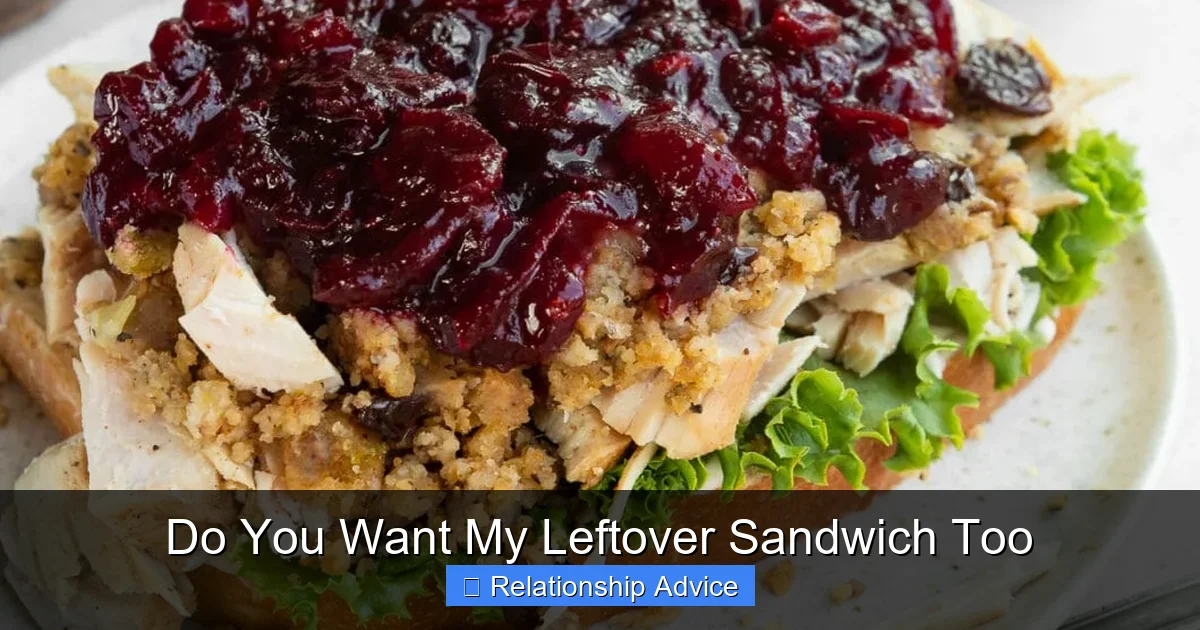
Ever wondered why offering a leftover sandwich can feel like a relationship test? This article breaks down the hidden meanings, practical tips, and emotional cues behind “Do You Want My Leftover Sandwich Too,” helping you turn a simple gesture into a powerful bonding moment.
Key Takeaways
- Understanding Do You Want My Leftover Sandwich Too: Provides essential knowledge
📑 Table of Contents
- Introduction: The Surprising Power of a Leftover Sandwich
- 1. Why Food Is a Secret Language in Relationships
- 2. Decoding the Question: What Are They Really Asking?
- 3. How to Respond in a Way That Strengthens the Bond
- 4. Common Pitfalls and How to Avoid Them
- 5. Practical Tips to Make the Most of “Do You Want My Leftover Sandwich Too?”
- 6. When the Question Signals Bigger Issues
- Conclusion: A Little Sandwich, A Lot of Love
Introduction: The Surprising Power of a Leftover Sandwich
Imagine you’re at work, the lunchroom hums, and you pull out a half‑eaten turkey club. A partner or close friend leans over and asks, “Do you want my leftover sandwich too?” It sounds trivial, but that question can unlock a whole world of relational dynamics.
In the same way a shared dessert can melt hearts, a shared sandwich can reveal how much you value each other’s needs, how you set boundaries, and whether you’re willing to be vulnerable. In this guide we’ll explore why “Do you want my left over sandwich too?” matters, what it says about love languages, and how to turn that everyday moment into a relationship win.
1. Why Food Is a Secret Language in Relationships
Food as a love language
Many relationship experts rank “acts of service” as a top love language. Sharing food is a classic example. When someone says, “Do you want my leftover sandwich too?” they’re offering a small act of service that says, “I’m thinking of you.”
Visual guide about Do You Want My Leftover Sandwich Too
Image source: temeculablogs.com
Psychology behind sharing meals
Studies show that eating together releases oxytocin, the “bonding hormone.” Even a bite of someone else’s sandwich can trigger that chemical, creating a feeling of closeness. That’s why the question can feel intimate, even if the sandwich is just a ham and cheese.
2. Decoding the Question: What Are They Really Asking?
Are they testing generosity?
Sometimes the question is a subtle test: “Do you want my leftover sandwich too?” can be a way to see if you’re willing to accept help or share resources. It’s a low‑stakes way to gauge generosity.
Visual guide about Do You Want My Leftover Sandwich Too
Image source: ohsweetbasil.com
Is it a sign of affection?
If the person smiles, makes eye contact, and offers the sandwich with a gentle tone, it’s likely an affectionate gesture. They want you to feel cared for.
Are they seeking validation?
In other cases, the asker may be looking for reassurance that you like them enough to accept their offering. A simple “yes” can give them a confidence boost.
3. How to Respond in a Way That Strengthens the Bond
Say yes with gratitude
When you genuinely want the sandwich, say, “Yes, thank you! I’d love a bite.” Adding gratitude shows appreciation and reinforces the giver’s positive feeling.
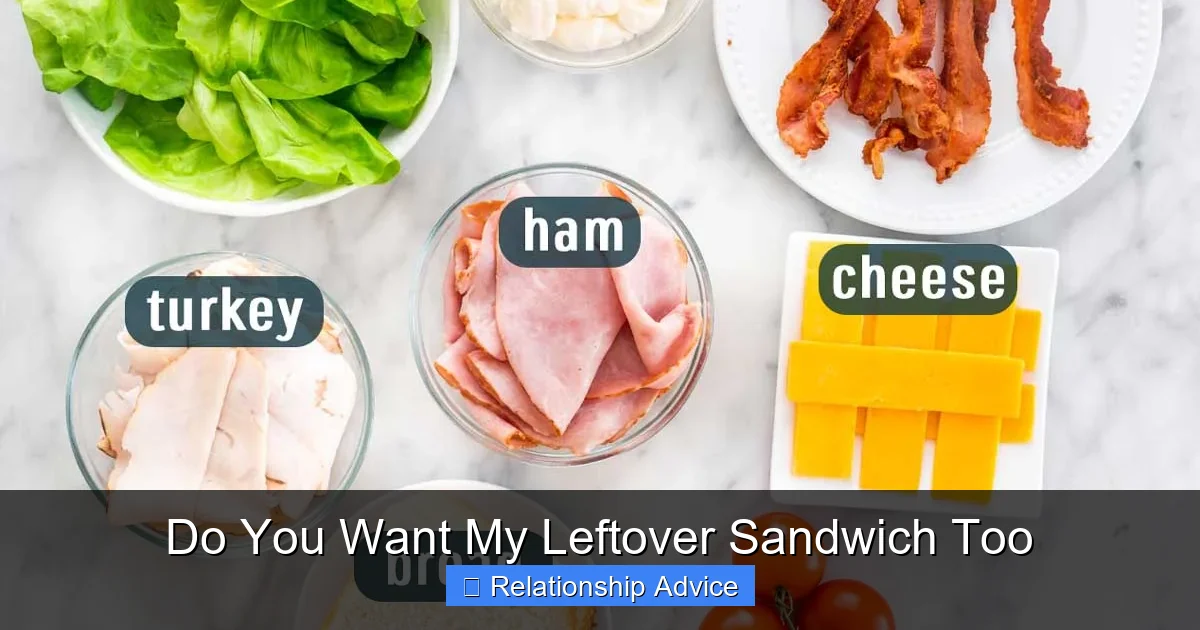
Visual guide about Do You Want My Leftover Sandwich Too
Image source: jocooks.com
Set healthy boundaries
If you’re not hungry or have dietary restrictions, it’s okay to decline politely. For example, “I’m actually on a low‑sodium diet, but thank you for thinking of me!” This respects both your health and the other person’s effort.
Turn it into a conversation
Use the moment to ask a follow‑up question: “What did you put on it?” or “Do you have a favorite lunch spot?” This turns a simple offer into a deeper dialogue.
4. Common Pitfalls and How to Avoid Them
Over‑giving or over‑receiving
Constantly offering leftovers can feel like a chore, while always accepting can make you dependent. Balance is key. If you notice a pattern, discuss it openly.
Misreading signals
Not every sandwich offer is a love note. Some people are just generous eaters. Pay attention to tone, body language, and context before assigning deep meaning.
Allowing resentment to build
If you feel forced to accept food you don’t want, resentment can creep in. Speak up early: “I appreciate the offer, but I’m fine for now.”
5. Practical Tips to Make the Most of “Do You Want My Leftover Sandwich Too?”
Tip 1: Use it as a check‑in
After work, ask, “Do you want my leftover sandwich too?” as a quick way to see how your partner’s day went. Their response can open a broader conversation about stress or excitement.
Tip 2: Pair it with a small ritual
Create a mini‑ritual: whenever you share a sandwich, you each share one thing you’re grateful for that day. This adds emotional depth.
Tip 3: Keep a “sandwich journal”
Write down each time the question is asked, how you felt, and what you learned. Over time you’ll see patterns that reveal communication styles.
Tip 4: Connect it to larger relationship goals
If you’re working on intimacy, set a goal to share a meal at least twice a week. The sandwich question becomes a gentle reminder of that commitment.
6. When the Question Signals Bigger Issues
Control or manipulation?
If the offer feels like a way to control what you eat or how you spend time, it may be a red flag. Trust your gut and discuss boundaries.
Underlying insecurity
Sometimes a partner may over‑offer food because they fear rejection. Reassure them that you value them beyond the sandwich.
Link to broader concerns
For deeper relationship struggles, consider reading How Do I Stop Gaslighting My Partner or What To Do When He Doesn’t Respect You. These resources can help you navigate power dynamics that may start with something as simple as a sandwich.
Conclusion: A Little Sandwich, A Lot of Love
“Do you want my leftover sandwich too?” is more than a polite offer. It’s a tiny test of generosity, a chance to show care, and an opportunity to practice clear communication. By responding with gratitude, setting boundaries when needed, and turning the moment into deeper conversation, you can transform a mundane lunch break into a meaningful relationship milestone.
Remember, love lives in the small gestures. So the next time someone asks, “Do you want my leftover sandwich too?” smile, listen to your own needs, and let that simple question bring you closer together.
Frequently Asked Questions
Why does offering a leftover sandwich feel so intimate?
Sharing food triggers oxytocin, the bonding hormone, and signals caring through the love language of “acts of service.”
Is it okay to say no to a leftover sandwich?
Absolutely. Declining politely respects your own boundaries and shows the giver you value honesty.
What if I keep feeling pressured to accept leftovers?
Talk openly about how the repeated offers make you feel. Setting clear expectations can prevent resentment.
Can the sandwich question reveal deeper relationship issues?
Yes. If it feels controlling or manipulative, it may point to larger power dynamics that need addressing.
How can I turn a sandwich offer into a deeper conversation?
Follow up with a question about the food, the day’s events, or share a gratitude statement to expand the interaction.
What other small gestures can strengthen my relationship?
Simple acts like leaving a note, making coffee, or planning a quick walk can all serve as meaningful “acts of service.”
