
Infidelity is complex and rarely about one single factor. While no excuse justifies cheating, understanding the underlying reasons—such as emotional disconnection, unmet needs, or personal insecurities—can help couples address root causes and strengthen their relationship.
Key Takeaways
- Emotional disconnection is a top predictor of infidelity: Many men cheat not because they want to leave their marriage, but because they feel unseen, unheard, or emotionally distant from their partner.
- Unmet intimacy needs don’t always mean physical desire: A lack of affection, appreciation, or meaningful conversation can drive men to seek validation elsewhere.
- Low self-esteem and midlife crises play a role: Some men use affairs to feel desired, youthful, or powerful, especially during periods of personal doubt or transition.
- Opportunity and temptation matter: Easy access through work, social media, or travel increases the chances of cheating, especially when emotional safeguards are weak.
- Communication breakdowns fuel secrecy: When couples stop talking honestly about needs, desires, or frustrations, it creates space for outside relationships to form.
- Cheating is rarely about the other person: Most affairs are symptoms of deeper issues within the marriage or the individual, not a reflection of the partner’s worth.
- Healing is possible with honesty and effort: Rebuilding trust takes time, therapy, and mutual commitment—but many couples emerge stronger after infidelity.
📑 Table of Contents
- Why Married Men Cheat: Understanding the Complex Truth Behind Infidelity
- Emotional Disconnection: The Silent Killer of Marriages
- Unmet Intimacy Needs: Beyond the Bedroom
- Low Self-Esteem and the Search for Validation
- Opportunity and Temptation: The Role of Access
- The Myth of the “Perfect” Partner
- Healing After Infidelity: Is It Possible?
- Final Thoughts: Prevention Is Better Than Cure
Why Married Men Cheat: Understanding the Complex Truth Behind Infidelity
Let’s be honest—no one wants to think their partner might cheat. But the reality is that infidelity is more common than many of us care to admit. According to research, about 20% of married men admit to having an affair at some point during their marriage. That number might be even higher when you consider unreported cases. So why do married men cheat? Is it boredom? Is it lust? Or is it something deeper?
The truth is, cheating is rarely as simple as “he just wanted sex” or “she was prettier.” While physical attraction can play a role, most affairs stem from emotional voids, unmet needs, or personal struggles that have been building over time. Infidelity is often a symptom—not the cause—of deeper problems in a relationship. And understanding those root causes is the first step toward healing, whether you’re trying to save your marriage or simply make sense of what happened.
In this article, we’ll explore the real reasons why married men cheat, from emotional disconnection to midlife crises, and offer practical insights for couples who want to strengthen their bond. This isn’t about blaming anyone—it’s about understanding, empathy, and growth. Because when we dig beneath the surface, we often find that both partners have contributed to the dynamic that led to infidelity. And with awareness and effort, it’s possible to rebuild something even stronger.
Emotional Disconnection: The Silent Killer of Marriages

Visual guide about Why Married Men Cheat
Image source: cdn.mamamia.com.au
One of the most common reasons married men cheat is emotional disconnection. It’s not that they stop loving their spouse—it’s that they stop feeling *seen* by them. Over time, daily routines, parenting responsibilities, and work stress can push intimacy to the back burner. Conversations become transactional: “Did you pick up the dry cleaning?” “What’s for dinner?” “Did the kids finish their homework?” Meanwhile, deeper emotional needs—like feeling appreciated, understood, or desired—go unmet.
Imagine a husband who comes home exhausted after a long day. He wants to share a funny story from work or vent about a tough client. But his wife is busy helping the kids with math homework or scrolling through her phone. He doesn’t feel heard. Over time, that small moment of disconnection repeats itself, day after day. He starts to feel lonely—even though he’s married.
Now, picture a coworker who listens to him. She laughs at his jokes, asks how he’s *really* doing, and makes him feel interesting again. That emotional connection—however innocent it starts—can quickly become addictive. It’s not about sex at first. It’s about feeling valued. And when that need isn’t met at home, men may seek it elsewhere.
This doesn’t excuse cheating, of course. But it helps explain why it happens. Emotional affairs often begin long before physical ones do. And they’re harder to spot because they don’t involve late-night rendezvous or secret hotel rooms. They happen over text messages, lunch breaks, or casual conversations. But the damage is real.
How to Reconnect Emotionally
If you’re worried about emotional disconnection in your marriage, start small. Set aside 15 minutes a day to talk—really talk—without distractions. Put the phones away. Turn off the TV. Ask open-ended questions like, “What made you smile today?” or “What’s been on your mind lately?” Listen without interrupting or offering solutions. Sometimes, all your partner needs is to feel heard.
You can also try scheduling regular “check-ins” to discuss your relationship. These aren’t arguments—they’re conversations about how you’re both feeling. Are your needs being met? What could be better? What do you appreciate about each other? These moments build emotional intimacy and prevent resentment from building up.
And don’t forget the power of small gestures. A handwritten note, a surprise coffee, or a hug when he walks in the door can go a long way. It’s not about grand romantic gestures—it’s about consistency. Showing up, day after day, with kindness and attention.
Unmet Intimacy Needs: Beyond the Bedroom
Visual guide about Why Married Men Cheat
Image source: verywellmind.com
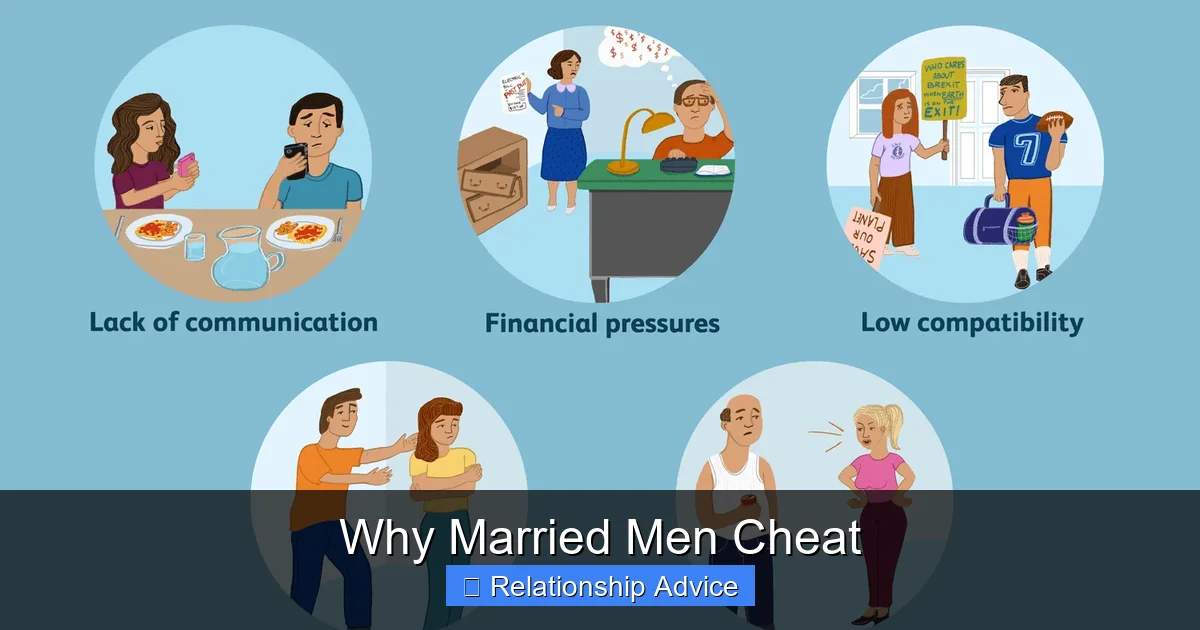
When we think of intimacy, most of us think of sex. But intimacy is so much more than physical connection. It’s about affection, appreciation, and emotional closeness. And when those needs aren’t met, it can create a vacuum that tempts men to look elsewhere.
Many married men cheat not because they’re dissatisfied with sex—but because they feel unappreciated or taken for granted. They might feel like they’re doing all the work—paying bills, fixing things around the house, managing the family schedule—without receiving recognition. Or they might miss the playful teasing, flirting, or affectionate touches that used to be part of their relationship.
For example, a husband might remember how his wife used to surprise him with a kiss when he came home from work. But now, she barely looks up from her phone. He starts to feel invisible. Meanwhile, a woman at the gym compliments his new haircut. It’s a small thing—but it makes him feel seen. And when that happens repeatedly, it can erode his loyalty.
Sexual intimacy also plays a role. While not all affairs are sexual, many are. And when couples stop prioritizing physical connection, it can lead to frustration or insecurity. A man might feel rejected if his advances are consistently turned down. Or he might worry that he’s not satisfying his partner. Over time, that can lead to resentment—or to seeking validation outside the marriage.
Reigniting Intimacy at Home
The good news? Intimacy can be rebuilt. Start by talking openly about your needs—without blame. Use “I” statements like, “I’ve been feeling a little disconnected lately, and I miss our closeness,” instead of “You never touch me anymore.” This reduces defensiveness and opens the door to honest conversation.
Schedule time for intimacy, just like you would for a meeting or a doctor’s appointment. It doesn’t have to be every night—but it should be intentional. Try a “date night” at home: cook together, light candles, and spend time without distractions. Or take a walk after dinner and hold hands. These small moments rebuild physical and emotional connection.
And don’t underestimate the power of appreciation. Say “thank you” for the little things—making dinner, taking out the trash, helping with the kids. A simple “I noticed you did X today, and it meant a lot to me” can make a huge difference. When men feel appreciated, they’re less likely to seek validation elsewhere.
Low Self-Esteem and the Search for Validation

Visual guide about Why Married Men Cheat
Image source: 2.bp.blogspot.com
Believe it or not, many men who cheat aren’t confident, powerful alpha males. In fact, they’re often struggling with low self-esteem. They might feel inadequate at work, insecure about their appearance, or uncertain about their role as a husband or father. And in their search for validation, they turn to affairs.
This is especially common during midlife. A 45-year-old man might feel like he’s losing his edge. His body isn’t as strong as it used to be. His career isn’t advancing as fast as he’d hoped. He sees younger men getting promotions or dating younger women, and he starts to wonder, “Am I still desirable? Am I still relevant?”
An affair can feel like a shortcut to feeling powerful again. It’s not about love—it’s about proof. Proof that he’s still attractive. Proof that he’s still wanted. Proof that he matters. And for a man drowning in self-doubt, that validation can be intoxicating.
This doesn’t mean he doesn’t love his wife. In fact, many men who cheat feel guilty and conflicted. They might even end the affair quickly, hoping no one finds out. But the damage is done. The secrecy, the lies, the emotional betrayal—it all takes a toll.
Building Self-Worth Within the Marriage
If your husband is struggling with self-esteem, the best thing you can do is offer support—not criticism. Avoid comparing him to others or pointing out his flaws. Instead, highlight his strengths. “I love how you always know how to fix things around the house,” or “You’re such a great dad—the kids adore you.”
Encourage him to pursue hobbies or goals that make him feel accomplished. Whether it’s joining a sports league, learning a new skill, or volunteering, these activities can boost confidence and provide a sense of purpose. And when he succeeds, celebrate it—no matter how small.
Therapy can also be incredibly helpful. A counselor can help him work through insecurities and develop healthier coping mechanisms. And if you’re both open to it, couples therapy can strengthen your bond and create a safer space for vulnerability.
Opportunity and Temptation: The Role of Access
Let’s face it—cheating is easier than ever. With smartphones, social media, and remote work, opportunities for emotional and physical affairs are everywhere. A man might reconnect with an old flame on Facebook. He might develop a close friendship with a coworker who shares his interests. Or he might meet someone at a conference or on a business trip.
When emotional safeguards are weak—like poor communication or unresolved resentment—these opportunities become dangerous. It’s not that the man sets out to cheat. But when he’s already feeling disconnected, a little attention from someone else can feel like a lifeline.
And let’s be honest: some men are more tempted than others. Personality traits like impulsivity, thrill-seeking, or a history of infidelity can increase the risk. But even men who consider themselves loyal can stray when the conditions are right.
Creating Healthy Boundaries
The key is to set clear boundaries—both individually and as a couple. Discuss what’s acceptable in friendships with the opposite sex. Is it okay to text a coworker late at night? To have one-on-one dinners? To follow exes on social media? These conversations aren’t about control—they’re about mutual respect and trust.
You can also create “digital boundaries.” Agree to keep phones out of the bedroom. Limit time on social media. Or use apps that promote transparency, like shared calendars or location sharing (if both partners are comfortable).
And don’t forget to nurture your own relationship. The stronger your bond, the less appealing outside temptations will be. When you feel secure and connected at home, you’re less likely to seek validation elsewhere.
The Myth of the “Perfect” Partner
One dangerous misconception is that cheating means your partner has found someone “better.” But in most cases, the other person isn’t better—they’re just different. They might be more attentive, more flirtatious, or more emotionally available in the moment. But that doesn’t mean they’re a better match.
In fact, many affairs fizzle out quickly. The excitement wears off, and the reality sets in. The other person has flaws, too. They might be married themselves. They might not want a serious relationship. Or they might lose interest once the novelty fades.
Cheating is rarely about finding a better partner. It’s about escaping pain, filling a void, or seeking temporary relief. And when the affair ends, the man is often left with guilt, shame, and a damaged marriage.
Focusing on What Matters
Instead of comparing yourself to the other person, focus on your own relationship. What do you love about your husband? What strengths do you bring to the marriage? What can you both do to improve things?
Remember: no relationship is perfect. Every couple has challenges. But with effort, honesty, and love, you can build something real—something that lasts.
Healing After Infidelity: Is It Possible?
If your husband has cheated, you’re probably feeling a mix of anger, sadness, and confusion. You might wonder if you can ever trust him again. And the truth is—rebuilding trust takes time. It’s not something that happens overnight.
But healing is possible. Many couples go on to have stronger, more honest relationships after infidelity. It requires both partners to be committed to change. The cheating partner must take full responsibility, end the affair completely, and be transparent about their actions. The betrayed partner must be willing to process their pain and consider forgiveness—not for the sake of the cheater, but for their own peace.
Therapy is often essential. A trained counselor can help you navigate the complex emotions, rebuild communication, and create a new foundation of trust. It’s not easy. There will be setbacks. But with patience and effort, many couples find their way back.
Steps Toward Recovery
Start by having an honest conversation. Ask your husband why he cheated—not to excuse it, but to understand. Listen without interrupting. Then, decide together whether you want to work on the marriage.
Set clear expectations. Will he delete the other person’s number? Will he share his location? Will you attend therapy together? These boundaries help rebuild trust.
And don’t forget to take care of yourself. Talk to a therapist. Lean on friends. Practice self-care. You can’t heal if you’re running on empty.
Final Thoughts: Prevention Is Better Than Cure
While understanding why married men cheat is important, the real goal is prevention. The best way to avoid infidelity is to nurture your relationship every day. That means prioritizing emotional intimacy, maintaining physical connection, and communicating openly about your needs.
It also means being honest with yourself. Are you both growing together? Are you supporting each other’s goals? Are you still making time for fun and laughter?
Marriage isn’t a destination—it’s a journey. And like any journey, it requires effort, attention, and love. But when you invest in your relationship, you reduce the risk of cheating—and build a bond that can withstand anything.
Frequently Asked Questions
Is cheating always about sex?
No, cheating is often more about emotional needs than physical ones. Many affairs begin with emotional intimacy—feeling heard, valued, or desired—before they become physical.
Can a marriage survive after infidelity?
Yes, many marriages do survive and even grow stronger after infidelity. It requires honesty, therapy, and a mutual commitment to rebuilding trust and improving the relationship.
Do all men who cheat want to leave their marriage?
Not at all. Most men who cheat don’t want to end their marriage. They often feel guilty and conflicted, and many stay in their marriage while trying to hide the affair.
How can I prevent my husband from cheating?
Focus on emotional connection, open communication, and mutual appreciation. Regular check-ins, date nights, and small gestures of affection can strengthen your bond and reduce the risk of infidelity.
Should I confront my husband if I suspect he’s cheating?
Approach the conversation calmly and without accusation. Express your feelings using “I” statements and ask for honesty. If you’re unsure, consider talking to a therapist first.
Is it normal to feel angry after discovering an affair?
Absolutely. Anger, sadness, and confusion are all normal reactions. Give yourself time to process your emotions, and consider seeking support from a counselor or support group.
