
Want to be the person everyone laughs with—not at? Learning how to be funnier isn’t about telling jokes; it’s about timing, observation, and connection. With a few practical strategies, you can bring more joy to your relationships and daily life.
Let’s be honest—no one wants to be the person who kills the vibe with a poorly timed joke or an awkward pun. But here’s the good news: you don’t have to be born funny to be funnier. Humor is less about being a stand-up comic and more about how you connect with people. Whether you’re trying to impress a date, lighten the mood at work, or just make your friends laugh more, learning how to be funnier can transform your relationships and your confidence.
Think about the people you enjoy being around. Chances are, they’re not the ones who tell the longest stories or the most elaborate jokes. They’re the ones who make you feel at ease, who notice the little things, and who can turn an ordinary moment into something memorable—with a smile or a well-placed quip. That’s the power of humor. It’s not about being the center of attention; it’s about creating moments of joy and connection. And the best part? You can learn it.
Key Takeaways
- Humor is a skill, not a talent: Anyone can learn to be funnier with practice and awareness.
- Timing matters more than the joke: Delivering humor at the right moment makes all the difference.
- Self-deprecating humor builds connection: Gently poking fun at yourself makes you relatable and approachable.
- Observe everyday life for material: The best jokes come from real, shared experiences.
- Listen actively to find humor opportunities: Great comedians are great listeners first.
- Know your audience: What’s funny to one person might fall flat with another.
- Practice makes progress: The more you use humor, the more natural it becomes.
📑 Table of Contents
- Why Being Funnier Improves Your Relationships
- Understanding the Different Types of Humor
- How to Develop Your Sense of Humor
- Timing and Delivery: The Secret Weapons of Funny People
- Using Humor to Strengthen Romantic Relationships
- Common Mistakes to Avoid When Trying to Be Funnier
- How to Keep Getting Better
- Conclusion
Why Being Funnier Improves Your Relationships
Humor is one of the most underrated tools in building strong, lasting relationships. It breaks the ice, eases tension, and helps people feel more comfortable around you. When you’re funnier, you’re not just entertaining—you’re creating emotional safety. People want to be around those who make them laugh because laughter releases endorphins, reduces stress, and strengthens social bonds.
The Science Behind Laughter and Connection
Studies show that couples who laugh together report higher levels of satisfaction in their relationships. Laughter signals safety and trust, which are the foundations of intimacy. When you share a laugh, your brain releases oxytocin—the “bonding hormone”—which deepens emotional connections. Even in friendships or professional settings, humor can turn strangers into allies and colleagues into confidants.
Humor Reduces Conflict
Let’s face it: disagreements happen. But how you handle them can make or break a relationship. A well-timed, lighthearted comment can defuse tension and shift the mood from defensive to collaborative. For example, if your partner forgets to take out the trash—again—you could snap, “Wow, the trash fairy must be on vacation!” instead of launching into a lecture. The humor softens the critique and invites a smile instead of a fight.
It Makes You More Approachable
People are naturally drawn to those who seem fun and relaxed. If you’re known as the person who can laugh at life’s little mishaps, others will feel more comfortable opening up to you. This openness leads to deeper conversations, stronger friendships, and more meaningful romantic connections. Being funnier doesn’t mean you’re shallow—it means you’re human, and you’re inviting others to be human too.
Understanding the Different Types of Humor
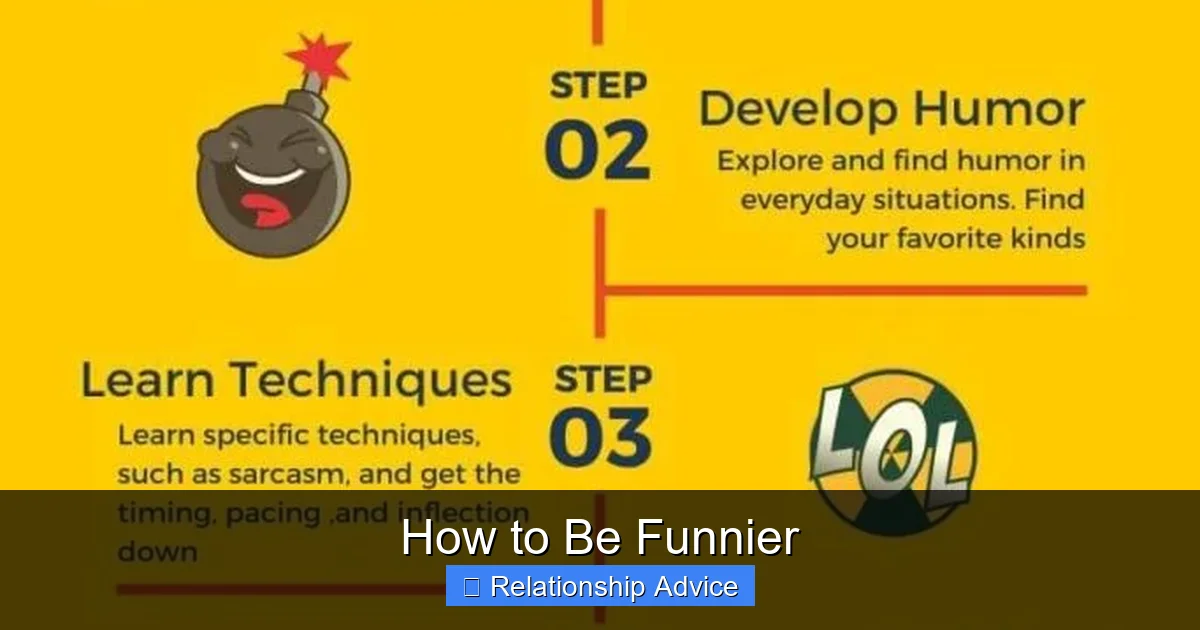
Not all humor is created equal, and knowing which types work best for you can help you be funnier in a way that feels authentic. There are several styles of humor, and most people naturally lean toward one or two. The key is to use humor that aligns with your personality and the situation.
Visual guide about How to Be Funnier
Image source: jaunty.org
Observational Humor
This is one of the most relatable and effective forms of humor. It’s about pointing out the absurdities of everyday life in a way that others recognize and appreciate. Think of Jerry Seinfeld—he turned waiting in line, tying shoes, and eating cereal into comedy gold. You don’t need to be a comedian to use this style. Just pay attention. Notice how your coworker always spills coffee on their shirt, or how your dog dramatically flops onto the couch like it’s a red carpet event. These small observations can become funny comments that make people laugh and feel seen.
Self-Deprecating Humor
This is when you gently make fun of yourself. It’s not about putting yourself down—it’s about showing humility and relatability. When you laugh at your own mistakes, you signal that you’re not taking yourself too seriously, which makes others feel more comfortable around you. For example, if you trip walking into a room, you might say, “And the award for most dramatic entrance goes to… me!” This kind of humor disarms tension and shows confidence.
Playful Teasing
Light, affectionate teasing can be a form of bonding, especially in close relationships. It works best when it’s clearly playful and not meant to hurt. For instance, if your partner always burns toast, you might say, “I see you’re aiming for ‘charred’ again today.” As long as it’s done with a smile and mutual understanding, this kind of humor can strengthen your connection.
Wordplay and Puns
Puns get a bad rap, but they can be surprisingly effective in the right context. They’re especially fun in casual conversations or when you’re trying to lighten the mood. For example, if someone says they’re feeling “under the weather,” you might reply, “Well, don’t let the clouds rain on your parade!” It’s silly, but it can spark a smile—especially if you deliver it with a wink.
Situational Humor
This is humor that arises from the moment. It’s spontaneous and often the most memorable. Imagine you’re at a dinner party, and someone spills wine on the tablecloth. Instead of panicking, you say, “Well, that’s one way to add flavor to the meal!” This kind of humor shows quick thinking and emotional intelligence.
How to Develop Your Sense of Humor
The good news? You don’t have to be naturally funny to become funnier. Like any skill, humor improves with practice. The key is to start small, be consistent, and pay attention to what works.
Visual guide about How to Be Funnier
Image source: i.redd.it
Start by Observing
The foundation of great humor is observation. Start noticing the small, funny things in your daily life. Keep a humor journal—jot down moments that made you smile, strange coincidences, or awkward situations. Over time, you’ll build a mental library of material you can draw from. For example, if you notice that your cat always hides under the bed during vacuuming, you might later say, “I think my cat has a standing appointment with the vacuum cleaner—every Tuesday at 10 a.m.”
Watch and Learn from Comedians
Comedians are masters of timing, delivery, and audience awareness. Watch stand-up specials or comedy clips and pay attention to how they structure jokes, use pauses, and read the room. Notice how they build up to a punchline or use callbacks (referencing earlier jokes). You don’t have to copy their style, but you can learn from their techniques. For instance, many comedians use the “rule of three”—listing two normal things and then a third absurd one for comedic effect: “I love coffee, I love tea, and I love setting my alarm for 5 a.m. just to hit snooze.”
Practice in Low-Stakes Situations
Don’t wait for the perfect moment to try out a joke. Start in safe environments—like with close friends or family—where the pressure is low. Try making a light comment during a casual conversation and see how people react. Did they smile? Laugh? Nod in agreement? Use their response to refine your approach. Remember, not every attempt will land, and that’s okay. Even professional comedians bomb sometimes.
Use Humor to Diffuse Awkwardness
One of the best ways to practice being funnier is to use humor to handle awkward moments. Awkwardness is universal—everyone experiences it. When you laugh at it, you normalize it and make others feel better. For example, if you accidentally call your boss “mom,” you might say, “Sorry, my brain’s still in family mode from breakfast.” This turns a potentially embarrassing moment into a shared laugh.
Be Patient with Yourself
Developing a sense of humor takes time. Don’t expect to become the life of the party overnight. Focus on progress, not perfection. Celebrate small wins—like making a friend chuckle or lightening the mood during a stressful day. Over time, these moments will build your confidence and refine your comedic instincts.
Timing and Delivery: The Secret Weapons of Funny People
You can have the funniest joke in the world, but if the timing is off, it falls flat. Timing and delivery are what separate a good joke from a great one. Great comedians don’t just tell jokes—they perform them.
Visual guide about How to Be Funnier
Image source: i.etsystatic.com
The Power of the Pause
A well-placed pause can make all the difference. It builds anticipation and gives your audience time to process the setup before the punchline. For example, if you say, “I tried to organize a hide-and-seek tournament…” then pause… “but good players are hard to find,” the pause makes the punchline land harder. Practice pausing before delivering the funny part of your comment.
Match Your Tone to the Situation
Your tone should match the mood. In a serious conversation, a sarcastic quip might feel out of place. But in a relaxed setting, the same comment could be hilarious. Pay attention to body language and facial expressions. If people are leaning in and smiling, you’re on the right track. If they’re confused or uncomfortable, adjust your approach.
Use Facial Expressions and Body Language
Humor isn’t just about words—it’s about how you say them. A raised eyebrow, a smirk, or an exaggerated shrug can amplify your message. For instance, if you say, “I’m basically a professional napper,” while dramatically stretching your arms, it becomes funnier than if you said it flatly.
Know When to Stop
One common mistake is over-explaining a joke. Once the punchline lands, let it breathe. Don’t ruin the moment by saying, “Get it? Because napping is like a sport?” Trust that your audience got it. Over-explaining kills the humor and makes you seem unsure.
Using Humor to Strengthen Romantic Relationships
In romantic relationships, humor is a glue that holds couples together through tough times. It fosters intimacy, reduces stress, and keeps the spark alive. But it’s important to use humor wisely—especially when emotions are high.
Share Inside Jokes
Inside jokes are a sign of closeness. They’re personal, unique, and remind you both of shared experiences. Whether it’s a funny nickname, a reference to a silly moment, or a recurring bit about your partner’s love of pineapple on pizza, these jokes strengthen your bond. They say, “We’ve been through this together, and we can laugh about it.”
Use Humor to Navigate Conflict
When disagreements arise, humor can be a bridge—not a weapon. Instead of saying, “You never listen to me,” try, “I feel like I’m talking to a very polite brick wall.” This softens the criticism and invites a response rather than defensiveness. Just be sure your humor isn’t sarcastic or hurtful. The goal is connection, not winning an argument.
Keep the Playfulness Alive
Long-term relationships can fall into routines that feel stale. Injecting humor keeps things fresh. Playfully challenge your partner to a dance-off, leave silly notes on the fridge, or surprise them with a goofy impression. These small acts of playfulness remind you both that you’re still having fun together.
Common Mistakes to Avoid When Trying to Be Funnier
While humor can strengthen relationships, it can also backfire if used poorly. Here are some common pitfalls to watch out for.
Making Fun of Others (Instead of With Them)
There’s a big difference between teasing someone you’re close with and mocking someone to make others laugh. The first builds connection; the second creates distance. Always ask yourself: Is this comment kind? Would the person find it funny if they heard it? If not, rethink it.
Overusing Humor to Avoid Serious Topics
Humor is a great tool, but it shouldn’t be used to dodge important conversations. If your partner is upset about something, responding with a joke might make them feel dismissed. Use humor to lighten the mood, not to shut down emotions.
Trying Too Hard
Forced humor is obvious and often awkward. If you’re constantly trying to be the funniest person in the room, people may feel pressured or uncomfortable. Let humor flow naturally. Sometimes the best moments are unplanned.
Ignoring Cultural or Personal Sensitivities
What’s funny in one culture or family might be offensive in another. Be mindful of your audience. Avoid jokes about sensitive topics like religion, politics, or personal trauma unless you’re certain they’re welcome.
How to Keep Getting Better
Becoming funnier is a journey, not a destination. The more you practice, the more natural it will feel. Here are a few ways to keep improving.
Ask for Feedback
Talk to trusted friends or partners about your sense of humor. Ask, “Do my jokes usually land? When do I seem most funny?” Their insights can help you refine your style.
Record Yourself
If you’re comfortable, record yourself telling a joke or sharing a funny story. Watch it back and notice your timing, tone, and body language. You might spot areas for improvement you didn’t notice in the moment.
Keep a Sense of Play
The funniest people aren’t the ones who take life too seriously. They’re the ones who can laugh at themselves and find joy in the little things. Cultivate a playful mindset. See life as an adventure, not a test.
Conclusion
Learning how to be funnier isn’t about becoming a comedian—it’s about becoming more present, more observant, and more connected. Humor is a gift you can give to others and to yourself. It lightens burdens, strengthens bonds, and makes life more enjoyable. Start small. Pay attention. Laugh at yourself. And remember: the goal isn’t to be the funniest person in the room. It’s to be the one who makes others feel good to be there.
Frequently Asked Questions
Can anyone learn to be funnier?
Absolutely. Humor is a skill, not an innate talent. With practice, awareness, and a willingness to try, anyone can become funnier and use humor to improve their relationships.
What if my jokes don’t land?
That’s normal! Even professional comedians have jokes that fall flat. Use it as feedback, not failure. Adjust your timing, tone, or material, and keep practicing.
Is self-deprecating humor safe to use?
Yes, as long as it’s light and not self-critical. Gently making fun of yourself shows confidence and relatability, but avoid comments that could damage your self-esteem.
How do I know if my humor is offensive?
Pay attention to people’s reactions. If someone looks uncomfortable or pulls away, it might be a sign to adjust. When in doubt, stick to light, inclusive humor.
Should I use humor during serious conversations?
Use it sparingly and sensitively. A small, well-timed comment can ease tension, but avoid using humor to dismiss or avoid important emotions.
How can I be funnier in a relationship?
Share inside jokes, use humor to diffuse tension, and keep things playful. Focus on connection, not competition, and always prioritize kindness over cleverness.