
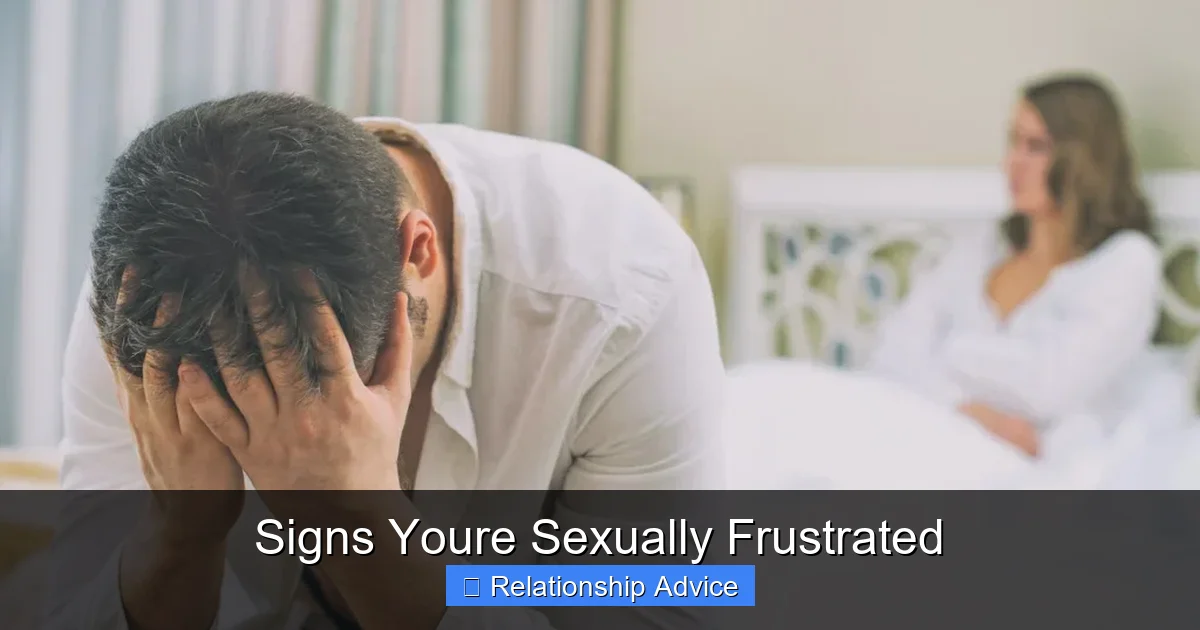
Sexual frustration is more than just a lack of intimacy—it’s a complex mix of emotional, physical, and psychological signals your body sends when sexual needs aren’t met. Recognizing these signs early can help you take proactive steps toward better well-being, improved relationships, and a healthier connection with your body and desires.
This is a comprehensive guide about Signs Youre Sexually Frustrated.
Key Takeaways
- Increased irritability and mood swings: When sexual energy isn’t released, it can manifest as frustration, anger, or emotional volatility in daily life.
- Persistent physical tension: Unmet sexual needs may cause headaches, muscle tightness, or restlessness, especially in the lower back and pelvic region.
- Heightened libido with no outlet: You may find yourself constantly thinking about sex, watching more adult content, or feeling unusually drawn to physical touch.
- Sleep disturbances: Difficulty falling or staying asleep can be linked to pent-up sexual energy disrupting your natural relaxation cycle.
- Withdrawal from intimacy: Ironically, some people pull away from partners or avoid touch due to frustration or fear of rejection.
- Low self-esteem or body image concerns: Sexual frustration can amplify feelings of inadequacy or disconnect from your own desires and worth.
- Increased focus on sexual fantasies: Escaping into vivid daydreams or nighttime fantasies may become a coping mechanism for unmet needs.
[FEATURED_IMAGE_PLACEHOLDER]
What Does Sexual Frustration Really Mean?
Sexual frustration isn’t just about not having sex—it’s a deeper, more nuanced experience that affects your mind, body, and emotions. At its core, it’s the result of a gap between your sexual desires and your current reality. Maybe you’re in a relationship where intimacy has faded, or you’re single and feeling disconnected from your own needs. Perhaps you’re craving connection but don’t know how to communicate it. Whatever the cause, sexual frustration is a real and valid experience that deserves attention.
It’s important to understand that sexual needs vary widely from person to person. Some people feel fulfilled with intimacy a few times a month, while others need it more frequently. There’s no “right” amount—what matters is whether your needs are being met in a way that feels satisfying and aligned with your values. When they’re not, your body and mind send signals. These aren’t always obvious. You might not even realize you’re sexually frustrated until you start noticing changes in your mood, behavior, or physical sensations.
Think of sexual energy like a pressure cooker. When it builds up without release, it can affect everything—from your sleep to your relationships. The good news? Recognizing the signs is the first step toward finding balance. Whether you’re single, in a relationship, or somewhere in between, understanding your body’s signals can help you take control of your well-being and create a more fulfilling intimate life.
Emotional Signs You’re Sexually Frustrated
One of the most telling indicators of sexual frustration is a shift in your emotional state. You might not connect your irritability or sadness to your sex life, but these feelings often stem from unmet physical and emotional needs. When sexual energy isn’t expressed or released, it can spill over into other areas of your life, affecting your mood, relationships, and overall outlook.
Increased Irritability and Mood Swings
Have you noticed yourself snapping at coworkers, feeling short-tempered with loved ones, or getting frustrated over small things? This could be more than just stress—it might be a sign of sexual frustration. When your body craves intimacy but doesn’t receive it, the built-up tension can make you more emotionally reactive. You might feel on edge, restless, or unusually sensitive to criticism.
For example, imagine you’ve been thinking about physical closeness all week, but your partner seems distant or uninterested. Even if they haven’t done anything wrong, you might find yourself annoyed by their habits—like leaving dishes in the sink or talking too loudly. These reactions aren’t really about the dishes or the volume; they’re about the unmet need for connection. Your brain is trying to process the frustration, and it comes out as irritability.
This doesn’t mean you’re a bad person or that your partner is to blame. It simply means your body is signaling that something is off. The key is to recognize the pattern. If you’re feeling consistently on edge and can’t pinpoint another cause, consider whether your sexual needs are being met. Journaling your moods or talking to a trusted friend can help you see the connection.
Feelings of Loneliness or Emotional Disconnection
Sexual intimacy isn’t just physical—it’s deeply emotional. When you’re sexually frustrated, you might feel a sense of loneliness, even if you’re surrounded by people. This isn’t the same as being alone; it’s the feeling of not being seen, desired, or connected on a deeper level.
You might catch yourself scrolling through social media, watching romantic movies, or daydreaming about being touched or held. These behaviors are often attempts to fill an emotional void. The desire for intimacy isn’t just about sex—it’s about feeling wanted, safe, and close to someone.
If you’re in a relationship, this disconnection can be especially painful. You might feel like your partner doesn’t understand you or that they’ve stopped trying. You may avoid conversations about intimacy because they’ve led to arguments or silence in the past. Over time, this can create a cycle of frustration and withdrawal.
The solution? Start small. Share how you’re feeling without blame. Say something like, “I’ve been feeling a bit disconnected lately, and I miss feeling close to you.” Open, honest communication is the foundation of rebuilding intimacy.
Low Self-Esteem or Body Image Concerns
Sexual frustration can also impact how you see yourself. If you’re not experiencing intimacy, you might start questioning your desirability. Thoughts like “Am I attractive?” or “Why doesn’t anyone want me?” can creep in, especially if you’re comparing yourself to others.
This is especially common in a culture that constantly showcases idealized bodies and relationships. Social media, movies, and even friends’ stories can make you feel like you’re falling behind. But remember: everyone’s journey is different. Your worth isn’t determined by how often you have sex or how many partners you’ve had.
If you’re struggling with self-esteem, try shifting your focus inward. Practice self-compassion. Remind yourself that your body is worthy of love and pleasure, regardless of your current situation. Engage in activities that make you feel good—like dancing, taking a warm bath, or wearing clothes that make you feel confident.
You might also consider exploring your own body through self-pleasure. Masturbation isn’t just a way to release sexual tension—it’s a form of self-care and self-discovery. It helps you understand what you like, builds body confidence, and can reduce feelings of frustration.
Physical Symptoms of Sexual Frustration
Your body often speaks before your mind does. When sexual needs go unmet, physical symptoms can appear—sometimes in surprising ways. These aren’t just random aches or fatigue; they’re your body’s way of signaling that something is out of balance.
Persistent Physical Tension and Restlessness
One of the most common physical signs of sexual frustration is a general sense of tension in the body. You might feel tightness in your shoulders, lower back, or pelvic area. This isn’t just from sitting too long or poor posture—it’s the result of built-up sexual energy with no outlet.
Imagine your body as a coiled spring. When you’re sexually active, that spring releases its energy. But when you’re frustrated, the spring stays compressed, creating constant pressure. This can lead to muscle stiffness, headaches, or even jaw clenching.
You might also feel restless—like you can’t sit still or relax. You pace around the house, fidget during meetings, or feel the urge to move your legs constantly. This restlessness is your body’s way of trying to discharge the excess energy.
To ease this tension, try physical activities that help release stored energy. Yoga, stretching, or a brisk walk can be incredibly helpful. Even something as simple as deep breathing or a warm bath can signal to your body that it’s safe to relax.
Changes in Sleep Patterns
Sleep and sexuality are closely linked. When you’re sexually frustrated, it can disrupt your sleep in several ways. You might have trouble falling asleep because your mind is racing with thoughts of intimacy or desire. Or you might wake up frequently during the night, feeling restless or overly aware of your body.
Some people experience vivid dreams—especially sexual ones—as their subconscious tries to process unmet needs. While these dreams can be pleasurable, they can also leave you feeling more frustrated upon waking, especially if there’s no opportunity for release.
On the flip side, others might sleep more than usual, using sleep as an escape from their feelings. This can lead to a cycle of fatigue and low energy, making it harder to address the root cause.
Improving your sleep hygiene can help. Try establishing a calming bedtime routine—like reading, meditating, or listening to soft music. Avoid screens an hour before bed, and create a cool, dark sleeping environment. If sexual thoughts keep you awake, consider journaling them down or practicing mindfulness to quiet your mind.
Increased Libido with No Outlet
Paradoxically, sexual frustration can make your libido feel stronger. You might find yourself constantly thinking about sex, watching more adult content, or feeling unusually drawn to physical touch—even from strangers. This heightened awareness is your body’s way of seeking release.
For example, you might notice yourself lingering on someone’s profile on social media, imagining what it would be like to be close to them. Or you might feel a sudden urge to flirt, even if you’re not interested in a relationship. These behaviors aren’t about attraction—they’re about the need for connection and release.
While it’s normal to have a strong libido, the frustration comes when there’s no healthy outlet. This can lead to compulsive behaviors, like excessive masturbation or risky sexual encounters, which may provide temporary relief but don’t address the underlying issue.
The key is to channel this energy in positive ways. Explore your desires through self-pleasure, creative expression, or physical activity. Talk to a partner about your needs, or consider therapy if you’re struggling to manage your urges.
Behavioral Changes Linked to Sexual Frustration
When emotional and physical signs go unnoticed, they often show up in your behavior. You might not realize you’re acting differently, but friends, family, or coworkers might notice a shift. These behavioral changes are your mind’s way of coping with unmet needs.
Withdrawal from Intimacy or Physical Touch
Ironically, some people respond to sexual frustration by pulling away from intimacy. This might seem counterintuitive—after all, you’re craving closeness—but it often stems from fear or disappointment. You might worry that initiating sex will lead to rejection, or you might feel resentful that your needs aren’t being met.
As a result, you might avoid physical touch altogether. You stop hugging your partner, decline invitations to cuddle, or even flinch when someone brushes against you. This withdrawal can create a self-fulfilling prophecy: the less intimacy you have, the more frustrated you feel, which leads to even more withdrawal.
If you recognize this pattern, try breaking the cycle with small steps. Start with non-sexual touch—like holding hands, giving a back rub, or sitting close on the couch. These gestures can rebuild comfort and connection without pressure.
Increased Focus on Sexual Fantasies
Another common behavioral sign is an increased reliance on sexual fantasies. You might find yourself daydreaming during work, replaying intimate moments in your mind, or creating elaborate scenarios that never happen in real life.
While fantasies are a normal part of human sexuality, they can become problematic when they replace real connection. If you’re using fantasies to escape from loneliness or dissatisfaction, it might be time to examine what’s missing in your life.
Try grounding yourself in the present. When you catch yourself drifting into a fantasy, pause and ask: What am I really needing right now? Is it touch? Validation? Excitement? Once you identify the need, you can look for healthier ways to meet it.
Changes in Social Behavior
Sexual frustration can also affect how you interact with others. You might become more withdrawn, avoiding social events or spending more time alone. Or you might become overly flirtatious, seeking validation through attention from others.
Both extremes are attempts to cope with unmet needs. Withdrawal protects you from potential rejection, while flirting gives you a temporary boost of confidence. But neither leads to lasting fulfillment.
Instead, focus on building meaningful connections. Spend time with friends who make you feel seen and valued. Join groups or activities that align with your interests. Real intimacy starts with emotional connection, not just physical attraction.
How to Address and Overcome Sexual Frustration
Recognizing the signs is only the first step. The real work comes in addressing the root cause and finding healthy ways to meet your needs. The good news? There are many strategies you can use, whether you’re single, in a relationship, or somewhere in between.
Open Communication with Your Partner
If you’re in a relationship, the most important step is honest communication. Talk to your partner about how you’re feeling—without blame or accusation. Use “I” statements, like “I’ve been feeling a bit disconnected lately, and I miss being close to you.”
Be specific about what you need. Do you want more cuddling? More frequent intimacy? A deeper emotional connection? The more clarity you provide, the easier it is for your partner to respond.
Remember, your partner isn’t a mind reader. They might not realize you’re feeling frustrated unless you tell them. And if they’re also struggling with their own needs, this conversation can be the start of a deeper, more fulfilling relationship.
Exploring Self-Pleasure and Self-Discovery
Masturbation is a powerful tool for managing sexual frustration. It allows you to release built-up tension, explore your body, and understand what feels good. It’s also a form of self-care that can boost your mood and self-esteem.
If you’re new to self-pleasure, start slowly. Experiment with different types of touch, speeds, and sensations. Use lubrication if needed, and don’t worry about “doing it right.” There’s no wrong way to explore your body.
You might also consider using sex toys, which can enhance pleasure and help you discover new sensations. Just make sure to choose body-safe products and clean them properly.
Seeking Professional Support
If sexual frustration is affecting your mental health, relationships, or daily life, consider talking to a therapist—especially one who specializes in sexuality or relationships. They can help you explore the underlying causes, whether it’s past trauma, communication issues, or personal insecurities.
Therapy isn’t just for “problems”—it’s a space to grow, heal, and understand yourself better. You don’t have to go through this alone.
Prioritizing Overall Well-Being
Finally, remember that sexual health is part of your overall well-being. When you take care of your body and mind, your sexual life improves naturally. Eat well, exercise regularly, manage stress, and get enough sleep. These habits support your energy, mood, and libido.
You might also explore mindfulness or meditation practices. These can help you stay present, reduce anxiety, and connect more deeply with your body.
When to Seek Help: Recognizing Serious Concerns
While sexual frustration is common, it can sometimes signal deeper issues. If you’re experiencing persistent depression, anxiety, or thoughts of self-harm, it’s important to seek professional help immediately. These are not signs of weakness—they’re signals that you need support.
Also, if your frustration leads to harmful behaviors—like unsafe sex, addiction to pornography, or relationship conflict—it’s time to talk to a counselor or therapist. They can help you develop healthier coping strategies and rebuild your sense of balance.
Remember, your sexual health is just as important as your physical and mental health. Taking care of it is an act of self-respect.
Conclusion
Sexual frustration is a natural part of the human experience, but it doesn’t have to control your life. By recognizing the signs—emotional, physical, and behavioral—you can take proactive steps toward healing and fulfillment. Whether through communication, self-exploration, or professional support, there are many paths to a healthier, more satisfying intimate life.
You deserve to feel connected, desired, and at peace with your body. Start where you are, be kind to yourself, and take one step at a time. Your journey toward sexual well-being begins with awareness—and you’ve already taken the first step by reading this.
Frequently Asked Questions
Is sexual frustration normal?
Yes, sexual frustration is completely normal and experienced by people of all genders and relationship statuses. It’s a natural response when your sexual needs aren’t being met, whether due to life circumstances, relationship dynamics, or personal choices.
Can sexual frustration affect your mental health?
Absolutely. Unaddressed sexual frustration can contribute to anxiety, depression, low self-esteem, and relationship strain. It’s important to acknowledge these feelings and seek support if they’re impacting your daily life.
How can I talk to my partner about sexual frustration?
Start with empathy and honesty. Use “I” statements to express your feelings without blaming your partner. Choose a calm moment to talk, and be open to hearing their perspective as well.
Does masturbation help with sexual frustration?
Yes, masturbation can be an effective way to release built-up sexual tension and improve your mood. It also helps you understand your body and desires, which can enhance intimacy with a partner.
Can sexual frustration go away on its own?
In some cases, yes—especially if the underlying cause resolves, like a temporary busy period or stress. However, chronic frustration often requires intentional action, such as communication, self-care, or therapy.
Is it possible to be sexually frustrated in a happy relationship?
Yes. Even in loving relationships, intimacy can fade due to stress, routine, or mismatched desires. The key is open communication and mutual effort to reconnect emotionally and physically.
