
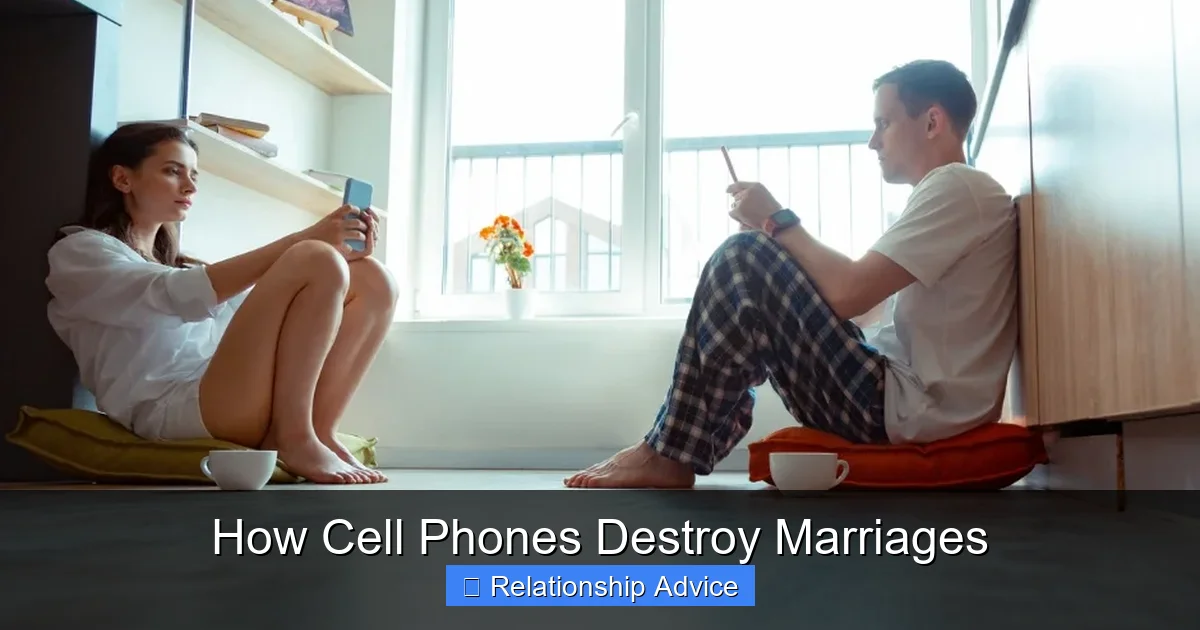
Cell phones may seem harmless, but they can silently erode the foundation of a marriage. From constant distractions to secretive texting, smartphones create emotional distance and reduce quality time between partners. This article explores the real impact and offers actionable solutions.
Key Takeaways
- Phones reduce face-to-face interaction: Scrolling during meals or conversations makes partners feel ignored and unimportant.
- Secretive phone use breeds mistrust: Hidden messages or late-night browsing can fuel suspicion and jealousy.
- Emotional disconnection grows over time: When partners prioritize screens over each other, intimacy fades.
- Phubbing damages relationship satisfaction: Being “phone-snubbed” leads to feelings of rejection and loneliness.
- Children and routines are affected: Phone overuse disrupts family time and shared responsibilities.
- Setting boundaries restores connection: Simple rules like phone-free zones can rebuild trust and closeness.
- Open communication is key: Talking about phone habits prevents resentment and strengthens emotional bonds.
📑 Table of Contents
- How Cell Phones Destroy Marriages
- The Rise of Digital Distraction in Relationships
- How Phones Create Emotional Distance
- Secretive Phone Use and the Rise of Digital Infidelity
- The Impact on Family Life and Daily Routines
- How to Reclaim Your Marriage from Your Phone
- The Bigger Picture: Choosing Presence Over Pixels
How Cell Phones Destroy Marriages
Imagine this: You’re sitting across from your spouse at dinner. The candles are lit, the food is warm, and the mood feels right. But instead of making eye contact or sharing stories from your day, your partner is scrolling through their phone—laughing at memes, replying to messages, or watching videos. You try to start a conversation, but they give short answers while their eyes stay glued to the screen. Sound familiar?
This scene plays out in millions of homes every night. Cell phones, once hailed as tools of connection, have quietly become one of the biggest threats to modern marriages. They don’t cause fights with loud arguments or dramatic confrontations. Instead, they chip away at intimacy, trust, and emotional closeness—one notification at a time.
You might think, “It’s just a phone. How bad can it be?” But research and real-life stories show that unchecked phone use can silently destroy the emotional foundation of a marriage. From reducing quality time to fostering secrecy and jealousy, smartphones have a way of inserting themselves into even the strongest relationships. The good news? Awareness is the first step. Once you understand how cell phones destroy marriages, you can take action to protect your bond and rebuild the connection that matters most.
The Rise of Digital Distraction in Relationships
Visual guide about How Cell Phones Destroy Marriages
Image source: olumabel.com
We live in a world where being “connected” means being online. Smartphones give us instant access to news, social media, games, and endless entertainment. But this constant connectivity comes at a cost—especially in our closest relationships.
A 2022 study by the Pew Research Center found that 65% of married adults admit their partner is often distracted by their phone during conversations. Even more concerning, 42% say they’ve felt ignored or unimportant because of their spouse’s phone use. These aren’t just numbers—they represent real emotional wounds.
Think about your own habits. Do you check your phone first thing in the morning? Do you scroll through social media while watching TV with your partner? Do you text friends or coworkers during family time? These behaviors might seem harmless, but they send a subtle message: “You’re not my priority right now.”
Over time, these small moments add up. Partners begin to feel like they’re competing with a device for attention. The emotional distance grows, and what once felt like a strong bond starts to feel fragile.
Phubbing: The Silent Relationship Killer
There’s even a word for it: phubbing—short for “phone snubbing.” It happens when someone prioritizes their phone over a person in a social setting. In marriages, phubbing can be devastating.
Picture this: You’ve had a tough day at work. You come home, eager to talk to your spouse about how you’re feeling. But instead of listening, they’re typing away on their phone, nodding occasionally but not really engaging. You feel dismissed. Unheard. Alone.
Phubbing doesn’t just happen during serious conversations. It creeps into everyday moments—meals, bedtime routines, weekend outings. Each time a partner chooses their phone over real-life interaction, it chips away at emotional intimacy.
A 2021 study published in the journal Computers in Human Behavior found that people who experience frequent phubbing report lower relationship satisfaction and higher levels of anxiety and depression. The message is clear: when phones take center stage, love takes a back seat.
The Illusion of Connection
One of the biggest myths about smartphones is that they bring people closer. After all, you can text your spouse from work, share photos instantly, or video call from another room. But digital communication is no substitute for real presence.
Texting lacks tone, body language, and eye contact—key elements of emotional connection. A “k” in response to “How was your day?” feels cold compared to a warm hug and a genuine “Tell me about it.”
Moreover, constant digital interaction can create a false sense of closeness. You might feel “connected” because you’re always messaging, but if you’re not having deep, meaningful conversations face-to-face, your emotional bond weakens.
Real intimacy is built through shared silence, eye contact, touch, and undivided attention—things a phone screen can’t provide.
How Phones Create Emotional Distance
Visual guide about How Cell Phones Destroy Marriages
Image source: olumabel.com
Emotional distance doesn’t happen overnight. It’s a slow drift, often unnoticed until it’s too late. And cell phones are one of the main culprits.
When partners spend more time with their devices than with each other, they stop sharing their inner worlds. Conversations become surface-level. Laughter fades. Physical touch decreases. The emotional spark that once defined the relationship starts to dim.
The Erosion of Quality Time
Quality time is the glue that holds marriages together. It’s not about grand gestures—it’s about being present. Whether it’s cooking dinner together, taking a walk, or simply sitting on the couch talking, these moments build trust and closeness.
But phones disrupt these moments. A notification buzzes. A text comes in. A funny video pops up. Before you know it, the conversation is over, and both partners are lost in their screens.
Over time, these interruptions become the norm. Couples stop expecting full attention from each other. They stop trying to connect. And slowly, the relationship becomes more about coexistence than love.
The Loss of Emotional Availability
Being emotionally available means being present—not just physically, but mentally and emotionally. It means listening without distraction, responding with empathy, and being fully engaged.
But when a phone is in hand, emotional availability drops. The brain can’t multitask deep connection and digital stimulation. You might be “there,” but you’re not really there.
Imagine your spouse shares a personal struggle. You’re half-listening while checking your email. They sense your distraction. They feel unimportant. They stop opening up. The emotional wall grows taller.
This cycle repeats. One partner feels shut out. The other feels misunderstood. Resentment builds. And the marriage suffers.
The Impact on Physical Intimacy
Emotional distance often leads to physical distance. When partners aren’t emotionally connected, they’re less likely to be physically intimate.
A 2020 study by the American Association of Marriage and Family Therapists found that couples who reported high phone use during couple time also reported lower sexual satisfaction. Why? Because intimacy starts with emotional closeness.
When phones dominate bedtime routines—scrolling through social media instead of cuddling or talking—couples lose the opportunity to reconnect on a deeper level. The bedroom becomes just another room, not a sanctuary of love and trust.
Secretive Phone Use and the Rise of Digital Infidelity
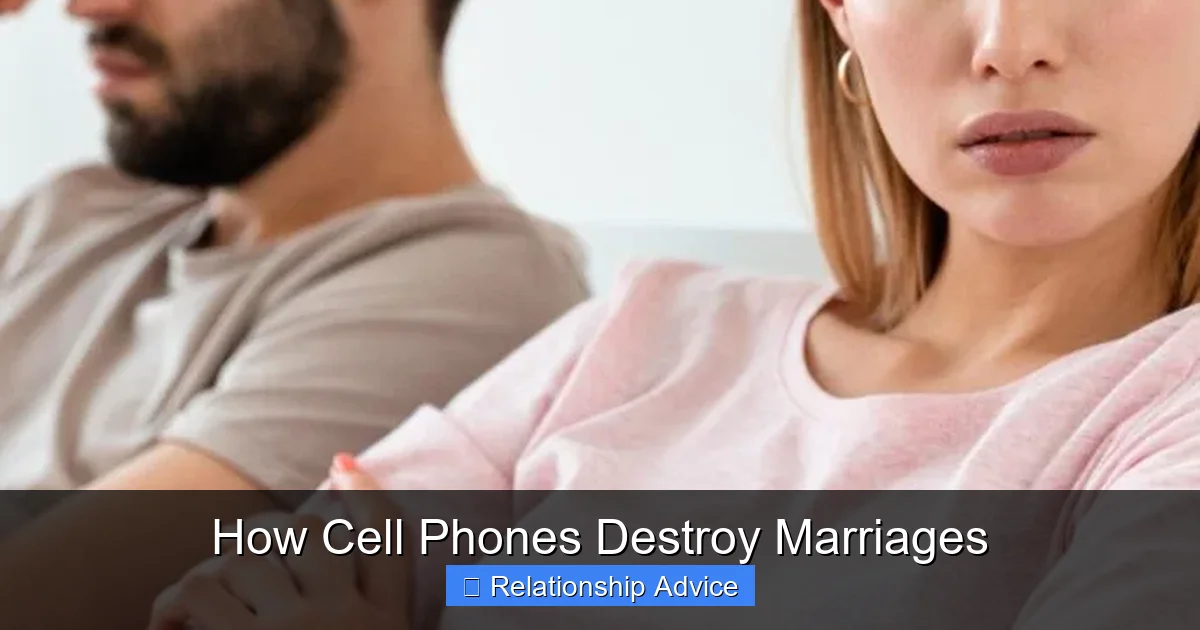
Visual guide about How Cell Phones Destroy Marriages
Image source: olumabel.com
One of the most damaging ways cell phones destroy marriages is through secrecy. Hidden messages, secret apps, and late-night browsing can create an atmosphere of mistrust—even if nothing physical has happened.
The Danger of Hidden Conversations
It’s not always about cheating in the traditional sense. Sometimes, it’s about emotional affairs—deep, intimate conversations with someone outside the marriage that are kept hidden.
Apps like WhatsApp, Telegram, or even Instagram DMs make it easy to have private conversations. A spouse might say, “It’s just a friend,” or “We’re just joking around.” But when these conversations replace emotional intimacy with the partner, they cross a line.
A 2023 survey by the National Coalition for Marriage found that 38% of respondents admitted to having secret digital interactions with someone other than their spouse. Of those, 60% said it damaged their marriage.
Even if no physical affair occurs, emotional infidelity can be just as painful. It breaks the trust that marriage is built on.
The Role of Social Media
Social media amplifies the risk. Platforms like Facebook, Instagram, and TikTok encourage constant comparison and validation. People post curated versions of their lives—perfect vacations, flawless selfies, happy couples.
This creates unrealistic expectations. Spouses start comparing their real, messy relationship to the highlight reels online. They feel inadequate. They wonder, “Why isn’t my marriage like that?”
Worse, social media makes it easy to reconnect with old flames. A “like” on a photo. A friendly comment. A private message. Before long, old feelings resurface.
A study from the University of Missouri found that people who spend more time on social media are more likely to experience jealousy, suspicion, and conflict in their relationships.
The Slippery Slope of Digital Secrecy
Once secrecy becomes a habit, it’s hard to stop. A spouse might start hiding their phone, deleting messages, or using passwords the other doesn’t know. These behaviors, even if innocent at first, signal a breakdown in transparency.
And transparency is essential in a healthy marriage. When one partner feels the need to hide their digital life, it creates a power imbalance. The other partner feels shut out. Trust erodes.
Even if there’s no affair, the secrecy itself can destroy the relationship. Because marriage isn’t just about fidelity—it’s about honesty, openness, and mutual respect.
The Impact on Family Life and Daily Routines
Cell phones don’t just affect the couple—they affect the entire family. When parents are glued to their screens, children notice. And the ripple effects can be long-lasting.
Disrupted Family Time
Family dinners, weekend outings, and bedtime routines are sacred. They’re moments of connection, laughter, and bonding. But phones turn these moments into distractions.
A parent scrolling through work emails during dinner teaches children that screens are more important than people. A mom watching videos while the kids play teaches them that attention is conditional.
Over time, children feel neglected. They act out. They withdraw. The family dynamic suffers.
Shared Responsibilities Fall Through
Marriage is a partnership. It requires teamwork—cooking, cleaning, parenting, planning. But when one or both partners are distracted by phones, responsibilities get ignored.
“I’ll do the dishes later” turns into “I forgot because I was on my phone.” “Let’s read to the kids” becomes “I’m just checking one more thing.”
These small failures add up. One partner feels overburdened. The other feels unappreciated. Resentment builds.
The Loss of Rituals and Routines
Healthy marriages thrive on rituals—Friday date nights, Sunday morning coffee, bedtime stories. These routines create stability and predictability.
But phones disrupt them. A date night turns into a silent dinner with both partners on their phones. A morning coffee becomes a race to check emails.
When rituals fade, so does the sense of togetherness. The marriage starts to feel more like a business arrangement than a love story.
How to Reclaim Your Marriage from Your Phone
The good news? It’s never too late to fix the damage. With awareness and intention, you can break free from phone dependency and rebuild your connection.
Set Clear Boundaries
Start by creating phone-free zones and times. For example:
– No phones at the dinner table.
– No phones in the bedroom.
– Phone-free weekends once a month.
These rules aren’t about punishment—they’re about protection. They create space for real connection.
Practice Mindful Phone Use
Be intentional about when and how you use your phone. Ask yourself:
– Do I really need to check this right now?
– Is this more important than the person in front of me?
– Am I using my phone to avoid discomfort or boredom?
Mindful use means being aware of your habits and choosing presence over distraction.
Schedule Quality Time
Make time for each other—on purpose. Plan regular date nights, walks, or even 15 minutes of undistracted conversation each day.
Put your phones away. Turn off notifications. Be fully present.
These moments don’t have to be elaborate. What matters is the quality of attention.
Talk About Phone Habits
Have an open, honest conversation about phone use. Share how it makes you feel when your partner is distracted. Listen without judgment.
Use “I” statements: “I feel lonely when you’re on your phone during dinner,” instead of “You never pay attention to me.”
This builds empathy and understanding.
Rebuild Trust After Secrecy
If phone secrecy has damaged trust, it’s time to rebuild. Be transparent. Share passwords if needed. Delete apps that cause suspicion.
Most importantly, commit to honesty. Trust takes time to heal, but it’s possible.
Seek Help If Needed
If phone use has caused serious conflict or emotional distance, consider couples therapy. A professional can help you navigate the issues and rebuild your relationship.
The Bigger Picture: Choosing Presence Over Pixels
At the end of the day, marriage is about presence. It’s about showing up—not just physically, but emotionally, mentally, and spiritually.
Cell phones aren’t evil. They’re tools. But like any tool, they can be misused. When they take priority over people, they cause harm.
The goal isn’t to eliminate phones. It’s to use them wisely—so they enhance your life, not destroy it.
Imagine a future where your phone supports your marriage instead of sabotaging it. Where dinner tables are filled with laughter, not silence. Where bedtime is for cuddling, not scrolling. Where your partner feels seen, heard, and loved—every single day.
That future is possible. It starts with a choice. A choice to put the phone down. To look into each other’s eyes. To say, “You matter more than any notification.”
Because in the end, the most important connection isn’t the one to Wi-Fi. It’s the one to each other.
Frequently Asked Questions
Can cell phones really destroy a marriage?
Yes, when used excessively or secretively, cell phones can erode trust, reduce quality time, and create emotional distance. While they don’t cause divorce directly, they contribute to the conditions that weaken marriages over time.
What is phubbing and how does it affect relationships?
Phubbing is when someone prioritizes their phone over a person in a social setting. In marriages, it leads to feelings of rejection, loneliness, and lower relationship satisfaction.
How can I tell if my spouse’s phone use is a problem?
Signs include constant distraction during conversations, secretive behavior, reduced intimacy, and arguments about phone use. If it’s affecting your emotional connection, it’s time to address it.
Are there healthy ways to use phones in a marriage?
Yes. Use phones to share photos, send loving texts, or coordinate schedules—but avoid using them during quality time, meals, or intimate moments.
What should I do if my spouse is hiding their phone?
Have an open, calm conversation about trust and transparency. Avoid accusations. Focus on how secrecy makes you feel and work together to rebuild openness.
Can couples recover from phone-related relationship damage?
Absolutely. With awareness, communication, and intentional effort, couples can set boundaries, rebuild trust, and restore emotional intimacy.
