
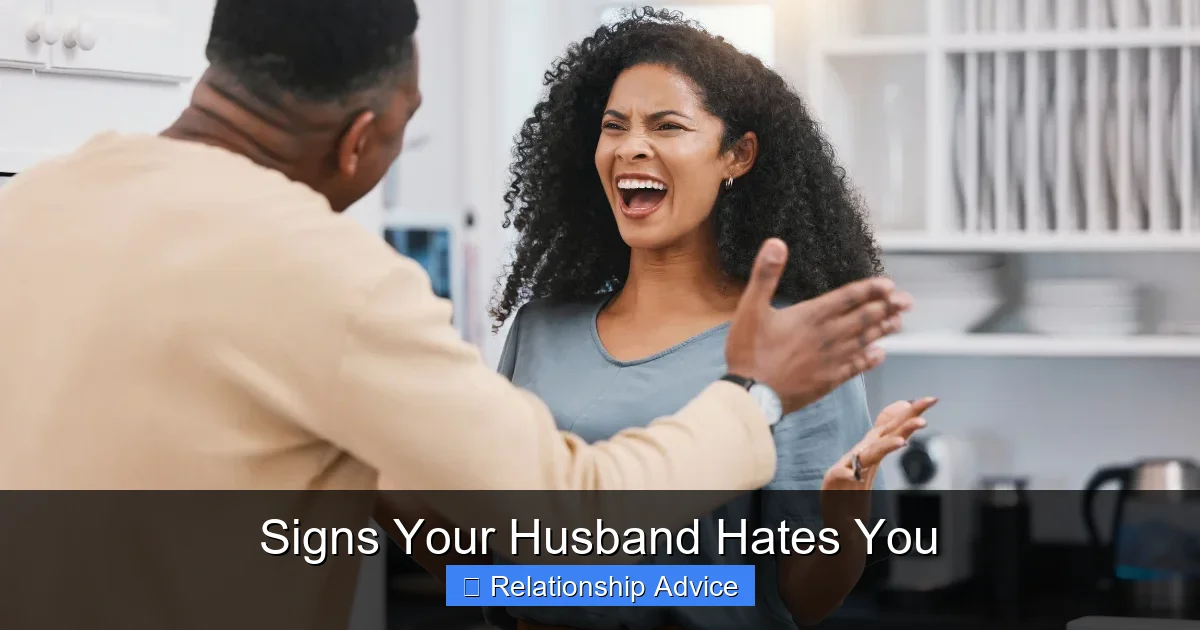
If you’re wondering whether your husband truly hates you, it’s important to look beyond surface-level behavior. While no one wants to admit their partner may harbor deep resentment, recognizing the warning signs early can help you take action—whether that means repairing the relationship or making a difficult but necessary decision for your well-being.
This is a comprehensive guide about Signs Your Husband Hates You.
Key Takeaways
- Emotional distance is a major red flag: If your husband avoids conversations, shows no interest in your life, or seems indifferent to your feelings, it could signal deeper emotional disengagement.
- Constant criticism and contempt are toxic: Frequent sarcasm, mockery, or belittling comments often indicate underlying hatred or deep-seated resentment.
- Lack of physical intimacy matters: A sudden or prolonged drop in affection, touch, or sex may reflect emotional disconnection or active dislike.
- He prioritizes everything else over you: If work, friends, hobbies, or even strangers consistently come before you, it may show a lack of care or respect.
- He refuses to resolve conflicts: Avoiding arguments or shutting down during disagreements can prevent healing and signal unwillingness to improve the relationship.
- You feel unsafe or anxious around him: Fear, walking on eggshells, or feeling emotionally drained are serious signs that the relationship has turned harmful.
- Seeking professional help is not failure: Couples therapy or individual counseling can provide clarity and tools, whether you stay together or part ways.
[FEATURED_IMAGE_PLACEHOLDER]
Introduction: When Love Fades Into Resentment
Marriage is supposed to be a safe harbor—a place where two people build a life filled with love, trust, and mutual support. But sometimes, even the strongest bonds begin to fray. What starts as minor disagreements or busy schedules can slowly erode into something far more painful: emotional detachment, resentment, and in the worst cases, outright hatred.
It’s not easy to admit that your husband might hate you. The idea alone can feel like a personal failure or a betrayal of the vows you once made. But recognizing the signs isn’t about assigning blame—it’s about protecting your emotional well-being and making informed decisions about your future. Whether the issue stems from unmet needs, poor communication, or deeper psychological factors, ignoring the warning signs only prolongs the pain.
This article will help you identify the subtle and overt behaviors that may indicate your husband harbors negative feelings toward you. We’ll explore emotional, physical, and behavioral red flags, offer real-life examples, and provide actionable advice on what to do next. Remember: love shouldn’t hurt. If your marriage has become a source of constant stress, loneliness, or fear, it’s time to pay attention.
Emotional Withdrawal: The Silent Killer of Marriages
One of the earliest and most telling signs your husband hates you is emotional withdrawal. This doesn’t always mean dramatic outbursts or loud arguments. In fact, it’s often the quiet, passive behaviors that do the most damage over time.
He No Longer Shares His Thoughts or Feelings
In a healthy relationship, partners regularly check in with each other—sharing their day, their worries, their dreams. But if your husband has stopped opening up, it’s a red flag. Maybe he used to tell you about his work stress or excitement over a new project, but now he brushes off your questions with “It’s fine” or “Nothing important.”
This emotional shutdown creates a wall between you. You start feeling like a roommate rather than a partner. Over time, this lack of intimacy can make you feel invisible, unimportant, and deeply lonely—even when you’re living under the same roof.
He Shows Indifference to Your Life
Does your husband seem uninterested in your achievements, struggles, or daily experiences? For example, if you get a promotion at work and he responds with a shrug or changes the subject, it may signal emotional disconnection. Similarly, if you’re going through a tough time—like dealing with a sick parent or personal anxiety—and he offers no comfort or support, that’s a serious concern.
Indifference is different from occasional distraction. We all have busy days. But consistent apathy—especially during important moments—suggests he no longer sees you as someone worth investing emotional energy into.
He Avoids Deep Conversations
Healthy relationships thrive on meaningful dialogue. But if your husband shuts down whenever you try to talk about the future, your relationship, or even your feelings, it’s a warning sign. He might change the subject, walk away, or respond with sarcasm like, “Here we go again with the feelings talk.”
This avoidance prevents resolution of underlying issues. Instead of working through problems, they fester beneath the surface, growing into resentment and bitterness.
What You Can Do
If you notice emotional withdrawal, don’t assume it’s your fault. Try initiating a calm, non-accusatory conversation. Say something like, “I’ve noticed we haven’t been talking much lately, and I miss connecting with you. Can we set aside time to talk this week?” If he continues to shut you out, consider couples counseling. A therapist can help uncover the root cause and guide you both toward healthier communication.
Constant Criticism and Contempt: The Language of Hatred
Criticism is normal in any relationship—everyone gets frustrated sometimes. But when criticism becomes constant, personal, and laced with contempt, it crosses into dangerous territory. This is one of the most damaging signs your husband hates you.
Sarcasm and Mockery
Does your husband frequently use sarcasm to belittle you? Comments like “Oh, great idea—let’s do that and see how it blows up in our faces” or “You’re always so dramatic” may seem like jokes, but they’re actually forms of emotional abuse.
Sarcasm erodes self-esteem and makes you feel foolish for expressing yourself. Over time, you may start doubting your judgment, your appearance, or even your worth as a person.
Personal Attacks Instead of Constructive Feedback
Healthy criticism focuses on behavior: “I felt upset when you didn’t call to say you’d be late.” But contemptuous criticism attacks your character: “You’re so selfish—you never think about anyone but yourself.”
When your husband consistently blames you for everything, calls you names, or implies you’re incompetent, it’s not just criticism—it’s contempt. And contempt is one of the strongest predictors of divorce, according to relationship research.
Public Humiliation
Does your husband embarrass you in front of friends or family? Maybe he makes jokes at your expense, rolls his eyes when you speak, or corrects you in a condescending tone. This public humiliation is a form of control and dominance, and it signals deep disrespect.
For example, imagine you’re at a dinner party and you mention a book you enjoyed. Your husband interrupts and says, “Oh, please—you barely finished high school. What do you know about literature?” That’s not banter. That’s cruelty.
What You Can Do
If your husband uses contemptuous language, it’s important to set boundaries. Calmly say, “I don’t appreciate being spoken to that way. If you have a problem, let’s talk about it respectfully.” If the behavior continues, seek support. Contempt is hard to reverse without professional help, and staying in a relationship filled with it can damage your mental health.
Lack of Physical Intimacy: When Touch Disappears
Physical intimacy—hugs, kisses, holding hands, and sex—is a vital part of marriage. It’s not just about pleasure; it’s about connection, reassurance, and emotional bonding. When that intimacy fades, it often reflects a deeper emotional rift.
Sudden or Prolonged Avoidance of Affection
Has your husband stopped initiating touch? Maybe he used to kiss you goodbye or hold your hand while watching TV, but now he avoids physical contact altogether. Even small gestures like a pat on the back or a gentle touch on the arm are missing.
This isn’t just about sex. It’s about the everyday warmth that makes a relationship feel safe and loving. When that warmth disappears, you may feel rejected, unattractive, or unloved.
Sex Becomes Mechanical or Nonexistent
A drop in sexual frequency is common in long-term relationships, especially with stress, kids, or health issues. But if sex has become a chore—or stopped entirely—it may signal emotional disengagement.
For example, if your husband only has sex when he wants to, shows no emotional connection during intimacy, or refuses to discuss your needs, it’s a red flag. Similarly, if he’s always “too tired” or “not in the mood,” but spends hours on his phone or out with friends, it suggests he’s prioritizing other things over your relationship.
He Flinches or Pulls Away
Have you noticed your husband pulling away when you try to touch him? Maybe he stiffens when you hug him or turns his head when you try to kiss him. These subtle reactions can be heartbreaking.
Physical recoil often indicates deep discomfort or even disgust. It’s a nonverbal sign that he no longer sees you as a source of comfort or pleasure.
What You Can Do
Talk openly about intimacy—without blame. Say, “I’ve noticed we haven’t been as close physically lately, and I miss that connection. Can we talk about what’s going on?” If he’s unwilling to engage, consider seeing a sex therapist or couples counselor. Intimacy issues are often tied to emotional baggage, and a professional can help you both navigate them.
He Prioritizes Everything Else Over You
In a healthy marriage, both partners make each other a priority—not above everything, but certainly above strangers, hobbies, or convenience. When your husband consistently puts other things first, it’s a sign he no longer values you as he once did.
Work, Friends, or Hobbies Come First
It’s normal for people to have passions and commitments outside the marriage. But if your husband always chooses work over date nights, cancels plans for a golf game, or spends more time with friends than with you, it sends a clear message: you’re not his top priority.
For instance, imagine you plan a weekend getaway to reconnect. He agrees, but then “has to” work late Friday, misses dinner Saturday because of a friend’s party, and spends Sunday morning on the phone with his boss. That’s not balance—that’s neglect.
He Doesn’t Make Time for You
Time is one of the most valuable things we can give someone. If your husband never makes time for you—no matter how busy he claims to be—it’s a sign of emotional disinterest.
Maybe he says, “I’m swamped,” but you see him scrolling through social media for hours. Or he promises to help with chores or the kids but never follows through. These broken promises accumulate, making you feel like an afterthought.
He Shows More Enthusiasm for Others
Does your husband light up when talking to coworkers, friends, or even strangers—but seem bored or irritated when talking to you? This contrast is telling.
For example, he might laugh loudly at a colleague’s joke but roll his eyes when you share something funny from your day. Or he might plan elaborate outings with friends but can’t be bothered to plan a simple dinner for two.
What You Can Do
Express how his choices make you feel. Say, “When you cancel plans for work, I feel like I’m not important to you.” Focus on your emotions, not accusations. If he’s willing to change, great. If not, ask yourself: Is this relationship meeting my needs? Sometimes, reevaluating your priorities is the healthiest choice.
Refusal to Resolve Conflicts or Work on the Relationship
Every couple fights. But what matters is how you handle those conflicts. If your husband refuses to engage in problem-solving or consistently avoids difficult conversations, it may mean he no longer cares about fixing things.
He Shuts Down or Walks Away
During an argument, does your husband go silent, leave the room, or say, “I’m not doing this right now”? While taking a break can be healthy, consistent avoidance prevents resolution.
For example, you bring up feeling neglected, and he says, “You’re always complaining. I can’t win with you.” Then he changes the subject or walks away. This pattern leaves issues unresolved and builds resentment.
He Blames You for Everything
Does your husband refuse to take any responsibility for problems in the marriage? Maybe he says, “If you weren’t so controlling, I’d want to spend time with you,” or “You’re the one who’s always angry.”
This deflection shifts all blame onto you, making you feel guilty for wanting a better relationship. It also prevents growth, because real change requires accountability from both partners.
He Shows No Interest in Counseling or Improvement
If you suggest couples therapy or reading a book on relationships, does he dismiss it? A response like “That’s a waste of time” or “We don’t need that” shows a lack of investment in the marriage.
Change is hard, but willingness to try is essential. If your husband refuses to participate in healing the relationship, it may mean he’s already emotionally checked out.
What You Can Do
You can’t force someone to change. But you can decide what you’re willing to accept. If your husband refuses to work on the relationship, consider individual therapy to explore your options. Sometimes, leaving is the most loving choice—for both of you.
You Feel Unsafe, Anxious, or Emotionally Drained
Perhaps the most telling sign your husband hates you is how you feel around him. If you constantly walk on eggshells, feel anxious, or leave interactions feeling worse than before, the relationship has become toxic.
Walking on Eggshells
Do you find yourself censoring your opinions, avoiding certain topics, or changing your behavior to prevent conflict? This hyper-vigilance is a sign of emotional abuse.
For example, you might avoid mentioning your friend’s divorce because he once said, “People who complain about their marriages are weak.” Or you stop sharing your feelings because he calls you “too sensitive.”
Chronic Anxiety or Depression
Living with someone who harbors hatred can take a severe toll on your mental health. You may experience insomnia, loss of appetite, or constant worry. You might even feel guilty for feeling unhappy, as if you’re betraying your vows.
If you notice these symptoms, seek support. A therapist can help you process your emotions and decide your next steps.
You Feel More Alone With Him Than Without Him
This is perhaps the saddest sign of all. You might be physically together, but emotionally, you’ve never felt more isolated. Conversations are shallow, affection is absent, and you long for connection—but it’s not there.
If you find yourself dreaming of life without him, or feeling relief when he’s away, it’s time to ask: Is this relationship serving me?
What You Can Do
Trust your instincts. If you feel unsafe—emotionally or physically—prioritize your well-being. Reach out to trusted friends, family, or a domestic violence hotline. You deserve a relationship where you feel valued, respected, and loved.
Conclusion: Recognizing the Signs Is the First Step
No one enters a marriage expecting to be hated. But relationships evolve, and sometimes, love transforms into something unrecognizable. Recognizing the signs your husband hates you isn’t about giving up—it’s about gaining clarity.
Emotional withdrawal, constant criticism, lack of intimacy, neglect, conflict avoidance, and chronic anxiety are all red flags that should not be ignored. While some issues can be repaired with effort and professional help, others may signal that the relationship has run its course.
Remember: your worth isn’t defined by your husband’s feelings. You deserve a partnership built on mutual respect, kindness, and love. Whether you choose to work on the marriage or walk away, the most important thing is to honor your own needs and well-being.
Take the time to reflect, seek support, and make decisions from a place of strength—not fear. Love should uplift you, not drain you. And if it’s no longer doing that, it’s okay to choose yourself.
Frequently Asked Questions
Can a husband hate his wife but still stay married?
Yes, some men stay in marriages out of obligation, fear of change, or financial reasons—even if they harbor negative feelings. But staying in a loveless or hostile relationship often harms both partners emotionally and mentally.
Is it possible to fix a marriage where one partner hates the other?
It depends on both people’s willingness to change. If only one partner is invested, progress is unlikely. Couples therapy can help, but both must be committed to healing and growth.
How do I know if my husband’s behavior is temporary stress or real hatred?
Temporary stress usually improves with time and support. Hatred involves consistent patterns of contempt, avoidance, and emotional harm. Look for long-term behaviors, not isolated incidents.
Should I confront my husband if I think he hates me?
Yes, but do so calmly and without accusation. Use “I” statements like, “I feel disconnected when we don’t talk,” and invite dialogue. His response will tell you a lot about his willingness to change.
What if I’m afraid to leave because of kids or finances?
These are valid concerns. Seek support from a therapist, financial advisor, or domestic violence organization. Many resources exist to help people transition safely and confidently.
Can hatred in a marriage turn back into love?
It’s rare, but not impossible—if both partners are deeply committed to change, therapy, and rebuilding trust. However, it requires significant effort, honesty, and time. Don’t wait indefinitely for change that may never come.
