
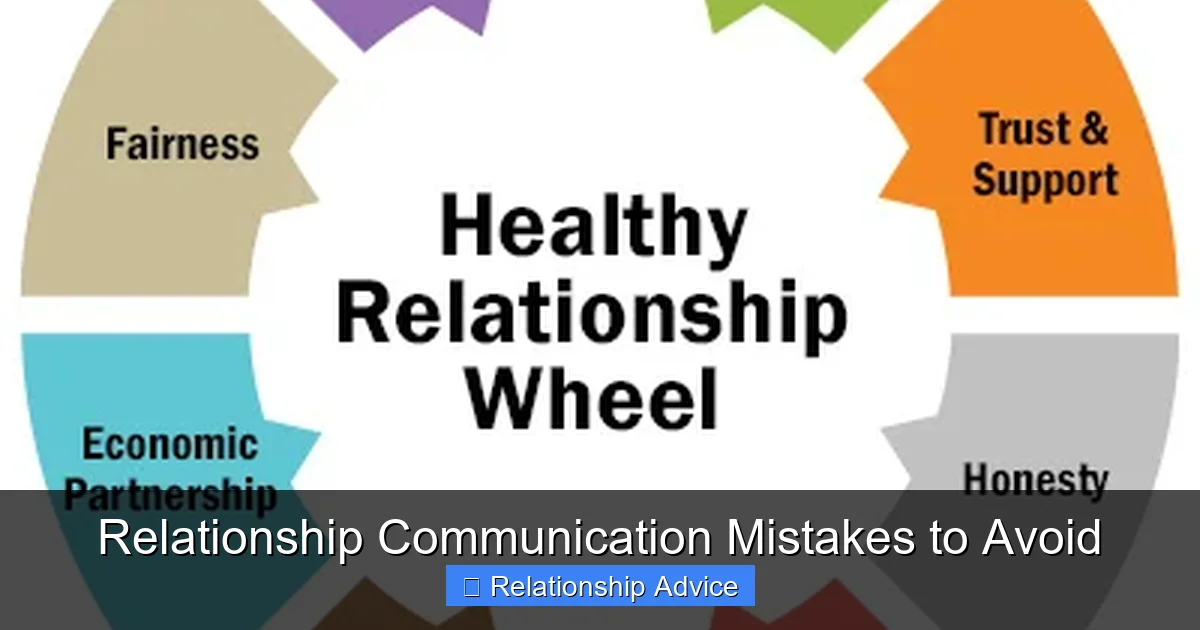
Effective communication is the foundation of any healthy relationship, yet many couples unknowingly fall into harmful patterns that erode trust and emotional intimacy. This guide explores the most common relationship communication mistakes to avoid—from passive aggression to poor listening—and offers actionable strategies to foster openness, empathy, and mutual understanding.
Key Takeaways
- Interrupting your partner: Cutting someone off mid-sentence signals disrespect and prevents them from feeling heard, leading to frustration and emotional distance.
- Using accusatory “you” statements: Phrases like “You never listen” put your partner on the defensive and shut down productive conversation.
- Stonewalling or shutting down: Withdrawing during conflict may feel protective, but it leaves your partner feeling abandoned and escalates tension.
- Bringing up past grievances: Rehashing old arguments during new disagreements distracts from the real issue and fuels resentment.
- Assuming instead of asking: Jumping to conclusions about your partner’s thoughts or intentions creates misunderstandings and erodes trust.
- Neglecting nonverbal communication: Tone, facial expressions, and body language often convey more than words—ignoring them can send mixed signals.
- Avoiding tough conversations: Sweating under the rug may offer short-term peace, but unresolved issues grow into bigger problems over time.
📑 Table of Contents
- Why Communication Matters in Relationships
- Mistake #1: Interrupting Your Partner
- Mistake #2: Using Accusatory “You” Statements
- Mistake #3: Stonewalling or Shutting Down
- Mistake #4: Bringing Up Past Grievances
- Mistake #5: Assuming Instead of Asking
- Mistake #6: Neglecting Nonverbal Communication
- Mistake #7: Avoiding Tough Conversations
- Building Healthier Communication Habits
- Conclusion
Why Communication Matters in Relationships
Communication isn’t just about talking—it’s about connecting. In a romantic relationship, how you express yourself, listen, and respond shapes the emotional climate between you and your partner. Think of communication as the bridge that carries love, trust, and understanding across the gap between two individuals. When that bridge is strong, couples navigate life’s challenges together with ease. When it’s weak or damaged, even small misunderstandings can snowball into major conflicts.
Yet, despite its importance, many people struggle with communication without even realizing it. We often fall back on habits learned in childhood, mimic behaviors from past relationships, or react emotionally in the heat of the moment. These patterns may feel natural, but they can quietly sabotage intimacy and trust. The good news? Most communication mistakes are avoidable—and fixable—with awareness and practice.
In this article, we’ll explore the most common relationship communication mistakes to avoid, why they happen, and how you can replace them with healthier habits. Whether you’re in a new relationship or have been together for decades, improving your communication skills can deepen your bond, reduce conflict, and create a more fulfilling partnership.
Mistake #1: Interrupting Your Partner
Visual guide about Relationship Communication Mistakes to Avoid
Image source: choosingtherapy.com
One of the most subtle yet damaging communication mistakes is interrupting your partner while they’re speaking. It might seem harmless—maybe you’re excited to respond or think you already know what they’re going to say—but it sends a powerful message: “What I have to say is more important than what you’re saying.” Over time, this erodes feelings of being valued and respected.
Why Interrupting Hurts
When someone is interrupted, they often feel dismissed or invalidated. This can trigger defensiveness, frustration, or even emotional withdrawal. In long-term relationships, repeated interruptions can create a pattern where one partner dominates conversations while the other stops sharing altogether. This imbalance damages emotional intimacy and can lead to resentment.
Real-Life Example
Imagine your partner is telling you about a stressful day at work. They’re describing a difficult meeting when you jump in with, “Oh, I know exactly how that feels—my boss did the same thing last week!” While your intention might be to relate, you’ve shifted the focus to yourself and cut short their opportunity to express their feelings.
How to Avoid Interrupting
Start by practicing active listening. This means giving your full attention—putting away your phone, making eye contact, and resisting the urge to formulate your response while they’re still talking. Use verbal cues like “I hear you” or “Tell me more” to show you’re engaged. If you catch yourself about to interrupt, pause and take a breath. Remind yourself: their story matters, even if you’ve had a similar experience.
Another helpful tip is to use the “wait three seconds” rule. After your partner finishes speaking, count to three before responding. This brief pause gives them space to continue if they weren’t quite done and helps you respond more thoughtfully.
Mistake #2: Using Accusatory “You” Statements

Visual guide about Relationship Communication Mistakes to Avoid
Image source: gallery.wellbeingwhisper.net
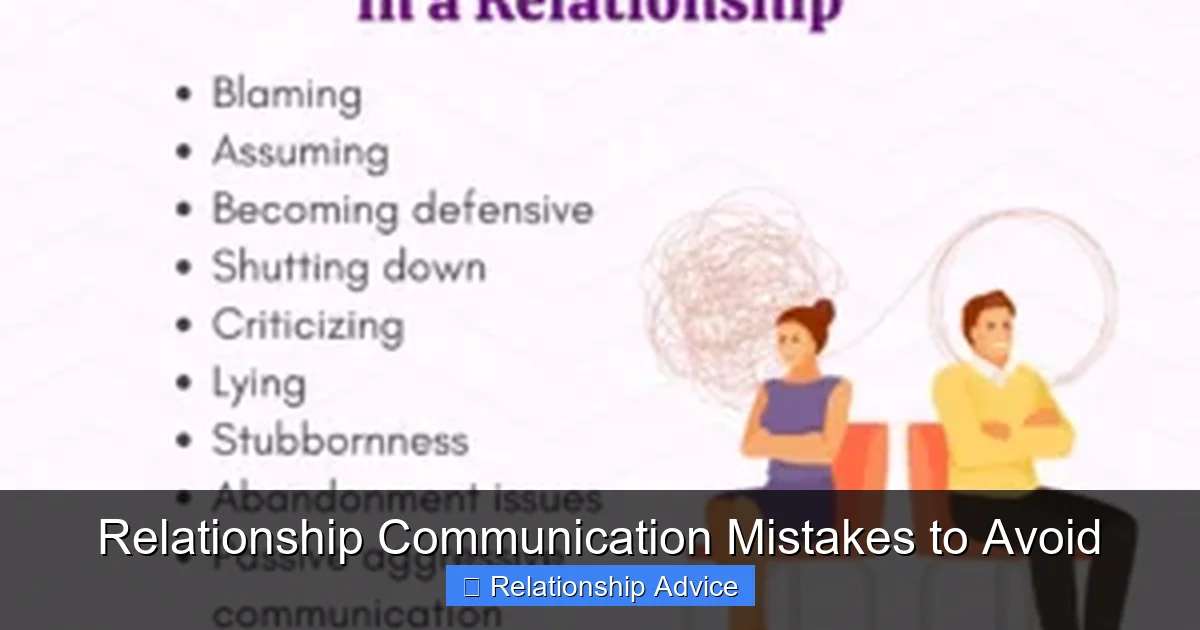
Blame is a common trap in relationship communication. When we’re upset, it’s easy to point fingers with phrases like “You always ignore me” or “You never help around the house.” These “you” statements may feel justified in the moment, but they almost always backfire.
The Problem with “You” Language
Accusatory language puts your partner on the defensive. Instead of opening a dialogue, it triggers guilt, shame, or anger. Your partner may respond with counter-accusations (“Well, you never appreciate what I do!”) or shut down completely. Either way, the real issue—feeling unheard, unsupported, or overwhelmed—gets buried under a pile of blame.
Example of a Destructive Exchange
Partner A: “You never listen to me when I talk about my day.”
Partner B: “That’s not true! I listened last night when you told me about your meeting.”
Partner A: “But you were on your phone the whole time!”
Partner B: “I was just checking an email—you’re being too sensitive!”
This cycle of blame and defensiveness rarely leads to resolution. Instead, both partners end up feeling misunderstood and frustrated.
Replace “You” with “I” Statements
The solution? Use “I” statements to express your feelings without blaming. Instead of “You never listen,” try “I feel unheard when I’m talking and you’re looking at your phone.” This shifts the focus from accusation to personal experience, making it easier for your partner to empathize rather than defend.
“I” statements follow this simple formula:
I feel [emotion] when [specific behavior] because [reason].
For example:
“I feel lonely when we don’t spend time together on weekends because I value our connection.”
This approach invites conversation instead of conflict. Your partner is more likely to respond with curiosity (“Tell me more about that”) than defensiveness.
Mistake #3: Stonewalling or Shutting Down
Visual guide about Relationship Communication Mistakes to Avoid
Image source: images.pexels.com
Stonewalling—when one partner withdraws emotionally or physically during a conversation—is one of the most destructive communication patterns in relationships. It often happens when someone feels overwhelmed, criticized, or unable to express themselves. While it may feel like self-protection, stonewalling leaves the other partner feeling abandoned and escalates tension.
Signs of Stonewalling
Common signs include:
– Turning away or avoiding eye contact
– Giving short, one-word answers (“Fine,” “Whatever”)
– Walking out of the room mid-conversation
– Going silent for long periods
– Changing the subject abruptly
These behaviors signal disengagement and can make your partner feel like their concerns don’t matter.
Why Stonewalling Happens
Stonewalling often stems from emotional flooding—when stress hormones like cortisol and adrenaline spike, making it hard to think clearly or respond calmly. This is especially common in high-conflict situations. Some people stonewall because they fear saying the wrong thing, while others do it to avoid confrontation.
How to Break the Stonewalling Cycle
The first step is recognizing when you’re shutting down. If you feel your heart racing, your mind going blank, or the urge to walk away, pause and name it: “I’m feeling overwhelmed right now and need a few minutes to calm down.”
Use a time-out strategy: agree with your partner on a signal (like raising your hand) to pause the conversation when emotions run high. Set a specific time to revisit the discussion—say, “Let’s take 20 minutes and then talk again.” This gives both of you space to regulate your emotions without abandoning the conversation.
During the break, practice calming techniques like deep breathing, going for a short walk, or journaling your thoughts. When you return, approach the topic with curiosity: “I want to understand your perspective. Can you help me see what you’re feeling?”
Mistake #4: Bringing Up Past Grievances
It’s tempting to bring up past arguments when you’re upset—“This is just like when you forgot our anniversary!”—but doing so rarely helps resolve the current issue. In fact, it often derails the conversation and fuels resentment.
Why Rehashing the Past Backfires
Mentioning old conflicts shifts focus away from the present problem and makes your partner feel attacked for things that happened weeks, months, or even years ago. It can also trigger defensiveness: “I already apologized for that! Why are you still bringing it up?”
This pattern creates a cycle where every disagreement becomes a replay of past hurts, making it harder to move forward.
Example of a Derailed Conversation
Partner A: “I’m upset that you didn’t call when you said you would.”
Partner B: “I was busy! I told you I had a deadline.”
Partner A: “You’re always busy. Remember when you missed my birthday because of work? You don’t prioritize us.”
Now the conversation isn’t about the missed call—it’s about perceived neglect over time. The original issue gets lost.
Stay Present and Specific
To avoid this mistake, focus on the current situation. Ask yourself: “Is this about what happened today, or am I bringing in old baggage?” If you notice yourself drifting into the past, gently redirect: “I want to talk about what happened tonight, not last month.”
Also, be specific. Instead of “You never call,” say “I felt worried when you didn’t call by 7 p.m. like you said you would.” This keeps the conversation grounded in the present and makes it easier to problem-solve.
Mistake #5: Assuming Instead of Asking
We all make assumptions—it’s a natural part of how our brains process information. But in relationships, assumptions can be dangerous. When we assume we know what our partner is thinking or feeling, we skip the most important step: asking.
The Danger of Mind Reading
Assuming leads to misunderstandings. For example, you might think, “She didn’t text me back because she’s mad at me,” when in reality, she’s stuck in a meeting. Or “He didn’t hug me this morning because he’s pulling away,” when he was just running late.
These assumptions often trigger unnecessary anxiety, anger, or sadness—and they prevent honest communication.
Example of Assumption Gone Wrong
You come home from work and your partner seems quiet. Instead of asking, “How was your day?” you assume they’re upset with you. You respond with sarcasm: “Great, another silent treatment.” Your partner, confused, says, “What? I’m just tired—my mom was in the hospital today.”
Now you’re both hurt—you assumed the worst, and they felt accused when they were already stressed.
Ask Open-Ended Questions
Replace assumptions with curiosity. Use open-ended questions like:
– “How are you feeling about what happened?”
– “What’s on your mind right now?”
– “Can you help me understand your perspective?”
These questions invite dialogue instead of defensiveness. They show that you care about your partner’s inner world and are willing to listen without judgment.
Also, practice clarifying: “I noticed you seemed quiet earlier—was something on your mind?” This gives your partner space to share without feeling interrogated.
Mistake #6: Neglecting Nonverbal Communication
Words matter, but so do tone, facial expressions, and body language. In fact, research suggests that nonverbal cues account for over 70% of communication. When your words say one thing but your body says another, your partner may feel confused or distrustful.
Common Nonverbal Missteps
– Rolling your eyes during a conversation
– Crossing your arms while saying “I’m listening”
– Sighing heavily when your partner is speaking
– Checking your phone while they’re talking
These behaviors signal disinterest, frustration, or disrespect—even if you don’t mean them that way.
The Power of Alignment
For communication to be effective, your words and nonverbal cues should align. If you say “I’m fine” but your voice is shaky and your eyes are downcast, your partner will likely sense something’s wrong.
Conversely, positive nonverbal communication—like nodding, smiling, or leaning in—can deepen connection and show you’re engaged.
Tips for Better Nonverbal Communication
– Make eye contact when your partner is speaking
– Use open body language (uncrossed arms, facing them)
– Match your tone to your message (gentle for comfort, calm for problem-solving)
– Use touch appropriately—a hand on the shoulder can convey support
If you’re unsure how your nonverbal cues are coming across, ask your partner: “When I said that, how did my tone sound to you?” This shows self-awareness and invites feedback.
Mistake #7: Avoiding Tough Conversations
No one likes conflict, so it’s natural to want to avoid difficult topics. But sweeping issues under the rug doesn’t make them disappear—it makes them grow. Unresolved problems can fester, leading to passive aggression, resentment, or emotional distance.
Why We Avoid Hard Talks
Common reasons include:
– Fear of hurting your partner’s feelings
– Worry about starting an argument
– Belief that the issue isn’t “big enough” to discuss
– Past experiences where conversations turned toxic
But avoidance often backfires. Small issues—like not splitting chores evenly or differing parenting styles—can become major sources of tension if left unaddressed.
The Cost of Silence
When you avoid talking about something that bothers you, you may start to feel resentful. You might withdraw, make sarcastic comments, or pick fights over unrelated things. Your partner, sensing the tension but not understanding why, may feel confused or attacked.
How to Have Courageous Conversations
Start by choosing the right time and place—avoid bringing up sensitive topics during stressful moments or in public. Use a gentle opener: “I’ve been thinking about something that’s been on my mind, and I’d like to talk about it when you have a moment.”
Frame the conversation as a team effort: “I want us to figure this out together.” Focus on solutions, not blame. For example: “I’ve been feeling overwhelmed with household tasks. Can we talk about how we can share them more evenly?”
Remember: avoiding the conversation may feel safer in the short term, but addressing it builds trust and strengthens your relationship in the long run.
Building Healthier Communication Habits
Changing communication patterns takes time and practice, but the effort is worth it. Start small—pick one mistake to focus on this week. Maybe it’s using “I” statements instead of “you” accusations, or pausing before responding during a disagreement.
Practice Active Listening Daily
Make it a habit to truly listen—not just wait for your turn to speak. Ask follow-up questions, reflect back what you heard (“So what you’re saying is…”), and validate their feelings (“That sounds really frustrating”).
Schedule Regular Check-Ins
Set aside time each week to talk about how you’re both feeling in the relationship. This isn’t about fixing problems—it’s about staying connected. Ask: “What’s been going well?” and “Is there anything we could improve?”
Seek Help When Needed
If communication patterns feel stuck or toxic, consider couples counseling. A therapist can help you identify unhealthy habits and teach you new skills in a safe, supportive environment.
Conclusion
Relationship communication mistakes to avoid are often unintentional—habits we fall into without realizing the harm they cause. But with awareness and effort, you can replace them with habits that foster trust, empathy, and deeper connection. Remember, communication isn’t about being perfect. It’s about being present, honest, and willing to grow—together. By listening more, blaming less, and staying curious about your partner’s inner world, you’ll build a relationship where both of you feel seen, heard, and loved.
Frequently Asked Questions
What are the most common communication mistakes in relationships?
The most common mistakes include interrupting your partner, using accusatory “you” statements, stonewalling, bringing up past grievances, assuming instead of asking, neglecting nonverbal cues, and avoiding tough conversations. These patterns can erode trust and create emotional distance if not addressed.
How can I stop interrupting my partner during conversations?
Practice active listening by giving your full attention, avoiding phone use, and using the “wait three seconds” rule after they speak. Focus on understanding their message before formulating your response, and use verbal cues like “I hear you” to show engagement.
Why are “I” statements better than “you” statements?
“I” statements express your feelings without blaming your partner, reducing defensiveness and opening space for dialogue. For example, “I feel unheard when you’re on your phone” is more constructive than “You never listen.”
What should I do if my partner stonewalls during an argument?
Acknowledge the pattern and agree on a time-out signal. Take a short break to calm down, then return to the conversation with curiosity and empathy. Focus on reconnecting rather than “winning” the argument.
How can I bring up a sensitive topic without starting a fight?
Choose a calm moment, use gentle language, and frame the conversation as a team effort. Start with “I” statements and focus on solutions, not blame. For example, “I’ve been feeling overwhelmed—can we talk about how to share chores more evenly?”
Is it normal to avoid difficult conversations in a relationship?
While it’s natural to want to avoid conflict, consistently avoiding tough talks can lead to resentment and emotional distance. Addressing issues early—with kindness and openness—strengthens trust and prevents small problems from growing.
