
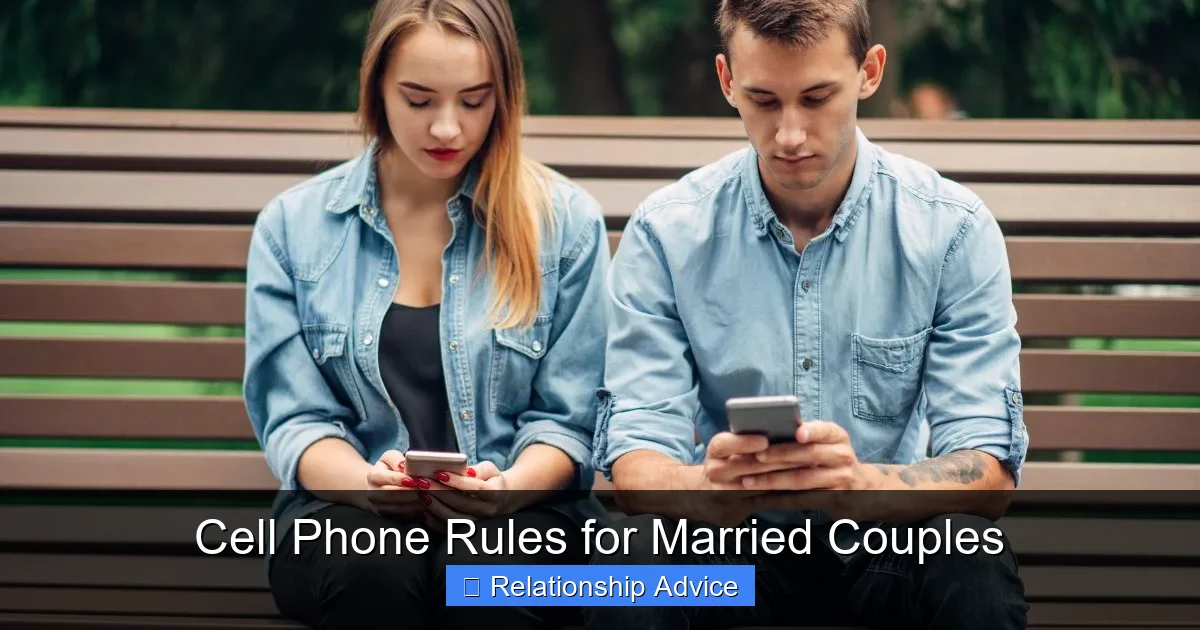
Setting clear cell phone rules for married couples can prevent misunderstandings, reduce jealousy, and foster deeper trust. In today’s hyper-connected world, managing screen time, privacy, and digital boundaries is key to a healthy, lasting marriage.
Key Takeaways
- Establish mutual trust: Open conversations about phone use build confidence and reduce suspicion in your relationship.
- Set screen time boundaries: Agree on device-free times, like during meals or before bed, to prioritize quality time together.
- Respect digital privacy: While transparency matters, so does personal space—avoid snooping and discuss what’s off-limits.
- Manage social media wisely: Decide together how you’ll interact online, including posting about each other and responding to messages.
- Use phones to enhance connection: Share funny memes, send sweet texts, or use apps to stay in sync throughout the day.
- Address conflicts calmly: If phone use causes tension, talk it out without blame—focus on solutions, not accusations.
- Lead by example: Model healthy phone habits so your partner feels encouraged to do the same.
📑 Table of Contents
Why Cell Phone Rules Matter in Marriage
Let’s be honest—our phones are practically glued to our hands. From morning alarms to late-night scrolling, smartphones have become central to how we communicate, work, relax, and even argue. For married couples, this constant connectivity can be both a blessing and a curse. On one hand, it lets you share a funny meme with your spouse during a boring meeting or check in when you’re running late. On the other hand, it can create distance, spark jealousy, or lead to misunderstandings that chip away at intimacy.
That’s why establishing clear cell phone rules for married couples isn’t about control—it’s about care. It’s about protecting your relationship from the invisible distractions and emotional landmines that digital life can bring. Think of these rules not as restrictions, but as guidelines that help you stay connected, respectful, and present with the person you love most. Whether you’ve been married for three months or thirty years, it’s never too late to reevaluate how your phone habits impact your bond.
In this guide, we’ll walk through practical, compassionate strategies to help you and your partner create a healthier relationship with technology. From setting screen-free zones to navigating social media boundaries, these tips are designed to strengthen trust, improve communication, and bring you closer—even in a world full of notifications.
Building Trust Through Transparency
Trust is the foundation of any strong marriage, and your phone habits can either support or undermine that foundation. When one partner feels left out, ignored, or suspicious because of the other’s phone use, it can lead to resentment and insecurity. That’s why transparency—not surveillance—is key.
Visual guide about Cell Phone Rules for Married Couples
Image source: babywisemom.com
Talk Openly About Phone Use
Start by having an honest conversation about how each of you uses your phone. Ask questions like: “What do you usually do on your phone when you’re relaxing?” or “Do you ever feel like I’m on my phone too much?” This isn’t about interrogation—it’s about understanding. Maybe your partner spends time scrolling through old photos, while you’re catching up on work emails. Knowing each other’s habits reduces assumptions and builds empathy.
Avoid Snooping—It Erodes Trust
It might be tempting to check your spouse’s messages or browsing history when you’re feeling uneasy, but snooping almost always backfires. Even if you find nothing suspicious, the act itself can damage trust if discovered. Instead, if something feels off, bring it up gently: “I noticed you’ve been texting someone a lot lately—can we talk about it?” This opens the door for dialogue instead of secrecy.
Share Passcodes—But Don’t Demand Them
Some couples choose to share phone passcodes as a sign of trust. Others prefer to keep them private. There’s no one-size-fits-all answer. What matters is that you both agree on what feels right. If you do share passcodes, make it mutual—don’t expect access to your partner’s phone without offering the same. And remember: sharing a passcode doesn’t mean you have to check each other’s phones regularly. Trust means believing your partner has nothing to hide.
Use Technology to Stay Connected
Instead of letting phones create distance, use them to stay close. Send a quick “thinking of you” text during the day. Share a photo of something beautiful you saw on a walk. Use apps like Google Calendar to sync your schedules or set reminders for date nights. When used intentionally, phones can be tools for connection, not distractions.
Setting Healthy Screen Time Boundaries
It’s easy to fall into the trap of mindless scrolling—especially when you’re tired, stressed, or just bored. But when one or both partners are constantly on their phones, it can make the other feel invisible. Setting screen time boundaries isn’t about banning phones; it’s about making space for each other.
Visual guide about Cell Phone Rules for Married Couples
Image source: imom.com
Create Device-Free Zones and Times
Start small. Agree on certain times or places where phones are off-limits. For example:
- Mealtimes: Put phones away during breakfast, lunch, or dinner. Use this time to talk, laugh, or simply enjoy each other’s company.
- Bedtime: Turn off devices at least 30 minutes before bed. This helps you wind down and gives you a chance to chat or cuddle before sleep.
- The bedroom: Some couples make the bedroom a phone-free sanctuary. This encourages intimacy and better sleep.
- Date nights: Whether it’s a fancy dinner or a movie at home, agree to keep phones in another room.
These small changes can have a big impact. You’ll notice more eye contact, deeper conversations, and a stronger sense of presence.
Use Built-In Screen Time Tools
Most smartphones have built-in features to help you monitor and limit usage. On iPhones, use Screen Time to set app limits or schedule Downtime. On Android, try Digital Wellbeing to track usage and set timers. You can even share your screen time reports with your partner as a way to stay accountable—not to police each other, but to support healthy habits.
Be Mindful of “Phubbing”
“Phubbing”—short for phone snubbing—is when someone pays more attention to their phone than to the person they’re with. It’s a common complaint in marriages and can make your partner feel unimportant. If you catch yourself scrolling while your spouse is talking, put the phone down and say, “Sorry, I wasn’t fully listening. Can you tell me again?” This small act of awareness shows respect and care.
Navigating Social Media as a Couple
Social media adds another layer to the phone conversation. It’s not just about how much time you spend online—it’s about what you share, who you interact with, and how it affects your relationship.
Visual guide about Cell Phone Rules for Married Couples
Image source: i.pinimg.com
Discuss What’s Okay to Post
Before posting a photo of your spouse or sharing details about your relationship, ask for their permission. Some people love being featured online; others prefer privacy. A simple “Can I post this picture of us?” goes a long way. Also, agree on boundaries around tagging each other or sharing inside jokes that might not land well with others.
Be Careful with DMs and Comments
Flirty messages—even if they’re innocent—can cause tension. If you receive a message from someone that makes your partner uncomfortable, talk about it. You don’t have to delete the message, but you should acknowledge their feelings. Similarly, avoid commenting on exes’ posts or liking suggestive content. These small actions can feel like betrayals, even if you mean no harm.
Limit Comparison Traps
It’s easy to fall into the trap of comparing your relationship to the curated highlight reels on Instagram or Facebook. Remember: people only post the good stuff. Your marriage doesn’t need to look perfect online to be strong. Focus on your real-life connection, not your online image.
Use Social Media to Celebrate Each Other
Instead of letting social media create distance, use it to celebrate your love. Post a sweet anniversary message. Share a throwback photo with a heartfelt caption. Tag your partner in a funny meme that reminds you of them. These small gestures can make your partner feel seen and appreciated.
Handling Conflicts Around Phone Use
Even with the best intentions, disagreements about phone use are bound to happen. The key is to handle them with kindness and a focus on solutions—not blame.
Stay Calm and Listen
If your partner says they feel ignored because you’re always on your phone, resist the urge to get defensive. Instead, listen. Say, “I hear that you’re feeling left out. That must be hard.” Then ask, “What would help you feel more connected?” This shifts the conversation from accusation to collaboration.
Focus on Behavior, Not Character
Avoid saying things like, “You’re addicted to your phone” or “You care more about your screen than me.” These statements attack your partner’s character and will only make them shut down. Instead, focus on specific behaviors: “I’ve noticed we’ve been on our phones a lot during dinner. Can we try putting them away?”
Compromise and Adjust
You won’t always agree on phone rules—and that’s okay. Maybe one of you loves late-night scrolling while the other needs quiet time. Find a middle ground. For example, agree to use blue light filters after 9 p.m. or set a “phone curfew” that works for both of you. Be willing to adjust as your needs change.
Revisit the Conversation Regularly
Your phone habits and relationship needs will evolve over time. Check in every few months: “How are we doing with our phone rules? Is there anything we should change?” This keeps the conversation alive and prevents resentment from building up.
Using Phones to Strengthen Your Bond
Finally, don’t forget that phones can be powerful tools for love. When used with intention, they can help you stay connected, express affection, and support each other—even when you’re apart.
Send Thoughtful Messages
A simple “Good morning, beautiful” or “Hope your day is going well” can brighten your partner’s day. Share a song that reminds you of them. Send a voice note telling them you miss them. These small gestures build emotional intimacy.
Use Shared Apps
Try apps designed for couples, like:
- Between: A private messaging app for couples with shared calendars and photo albums.
- Love Nudge: Based on the Five Love Languages, it helps you send personalized appreciation messages.
- Couple: Lets you chat, share photos, and even draw on the screen together.
These tools can make staying connected fun and meaningful.
Plan Surprises
Use your phone to plan a surprise date night, order their favorite dessert, or send flowers to their workplace. Technology makes it easier than ever to show you care—even from afar.
Practice Digital Gratitude
At the end of the day, take a moment to thank your partner—maybe with a text: “Thanks for being so patient with me today.” Gratitude strengthens relationships, and your phone is a perfect tool to deliver it.
Final Thoughts: Phones Don’t Have to Come Between You
At the end of the day, your phone is just a tool. It’s not inherently good or bad—it’s how you use it that matters. By setting thoughtful cell phone rules for married couples, you’re not trying to control each other. You’re choosing to protect your relationship, honor your connection, and make space for real, meaningful moments.
Remember, no couple is perfect. There will be days when one of you gets sucked into a YouTube rabbit hole or forgets to put the phone down during dinner. That’s okay. What matters is that you’re both willing to talk, listen, and grow together. With a little intention and a lot of love, your phones can become allies in your marriage—not obstacles.
Frequently Asked Questions
Should married couples share their phone passcodes?
It depends on the couple. Some feel more secure sharing passcodes as a sign of trust, while others prefer privacy. The key is mutual agreement—don’t demand access without offering it in return.
Is it okay to check my spouse’s phone if I’m suspicious?
No. Snooping damages trust, even if you find nothing. Instead, talk openly about your concerns and work together to rebuild confidence.
How can we reduce phone use during meals?
Try putting phones in a designated basket during meals or using a “phone jail” box. Make it a fun rule, not a punishment, and focus on enjoying each other’s company.
What if my partner spends too much time on social media?
Bring it up gently: “I’ve noticed you’ve been on Instagram a lot lately. Can we talk about how it’s affecting us?” Focus on how it makes you feel, not on blaming them.
Can phones actually help a marriage?
Yes! When used intentionally, phones can help you stay connected, share affection, and coordinate daily life—making your relationship stronger.
How often should we revisit our phone rules?
Every few months is a good idea. Life changes, and so do your habits. Regular check-ins help you stay aligned and address any new concerns.
