

If your partner seems physically present but emotionally distant during intimacy, it could signal deeper issues in your relationship. Recognizing the signs of emotional detachment during sex is the first step toward open communication and healing. This guide helps you understand what to look for and how to reconnect.
Key Takeaways
- Emotional detachment during sex isn’t always obvious: It often shows up as lack of eye contact, minimal verbal engagement, or robotic movements.
- Past trauma or stress can contribute: Anxiety, depression, or unresolved emotional wounds may cause someone to shut down during intimacy.
- Routine and boredom play a role: Long-term couples may fall into predictable patterns that lack emotional depth.
- Communication is key to reconnection: Gentle, non-judgmental conversations can help uncover what’s really going on.
- Physical intimacy doesn’t guarantee emotional closeness: Sex can feel mechanical even when bodies are involved.
- Seeking professional help is a sign of strength: Couples therapy or individual counseling can address underlying issues.
- Rebuilding intimacy takes time and patience: Small, consistent efforts can restore emotional connection over time.
📑 Table of Contents
- Introduction: When Intimacy Feels Empty
- What Does Emotional Detachment During Sex Look Like?
- Why Is He Emotionally Detached During Sex?
- How Emotional Detachment Affects Your Relationship
- How to Talk About Emotional Detachment
- Ways to Rebuild Emotional Intimacy
- When to Consider Bigger Changes
- Conclusion: Reclaiming Emotional Intimacy
Introduction: When Intimacy Feels Empty
You’re in bed, your partner is there, the lights are low—everything seems normal. But something feels off. Maybe they’re going through the motions, not really present, or they pull away the moment it’s over. You’re left wondering: *Is it me? Did I do something wrong?* Or worse—*Do they even care?*
Emotional detachment during sex is more common than you might think. It doesn’t always mean your partner is falling out of love or cheating. Sometimes, it’s a quiet signal that something deeper is going on beneath the surface. And while it can be painful to notice, recognizing it early gives you the best chance to address it before it erodes your relationship.
Intimacy isn’t just about physical connection—it’s about feeling seen, safe, and emotionally close. When that emotional layer is missing, sex can feel hollow, mechanical, or even lonely. You might still enjoy the physical sensations, but the heart of the experience—the closeness, the vulnerability, the shared joy—is gone. That’s when you know something’s shifted.
What Does Emotional Detachment During Sex Look Like?

Visual guide about Signs Hes Emotionally Detached During Sex
Image source: cdn.quotesgram.com
Emotional detachment during sex doesn’t always come with dramatic red flags. It’s often subtle, creeping in slowly until one day you realize something’s been missing for a while. It’s not about performance or technique—it’s about presence. Is your partner really *there* with you, or are they somewhere else in their mind?
One of the clearest signs is a lack of emotional responsiveness. Your partner might not react to your touch, your words, or your expressions. They might not smile, laugh, or even make eye contact. Instead, they go through the motions like they’re completing a task. You might notice they’re quiet, distant, or seem preoccupied—even when you’re physically intimate.
Another sign is emotional withdrawal after sex. Some people emotionally detach *during* intimacy, while others pull away *afterward*. Your partner might roll over and fall asleep immediately, avoid cuddling, or seem uncomfortable with closeness. They might not want to talk about what just happened or seem indifferent to your emotional state. This post-sex distance can be especially confusing because it feels like rejection, even if it’s not intentional.
Common Behaviors to Watch For
- Lack of eye contact: Avoiding your gaze during intimacy can signal emotional disconnection. Eye contact is a powerful way to feel seen and connected.
- Minimal verbal engagement: If your partner rarely speaks, whispers sweet nothings, or responds to your words, they may not be emotionally present.
- Robotic or mechanical movements: Sex that feels routine, predictable, or devoid of spontaneity can indicate emotional detachment.
- Quick disengagement after sex: Rolling away, checking their phone, or immediately getting up can signal a desire to emotionally exit the moment.
- No emotional reciprocity: If you’re expressing affection, vulnerability, or excitement and they don’t mirror it, it may feel one-sided.
It’s important to note that these behaviors don’t always mean your partner is emotionally detached. Stress, fatigue, or temporary distractions can cause similar reactions. But if they happen consistently over time, especially in the context of intimacy, it’s worth paying attention.
Why Is He Emotionally Detached During Sex?

Visual guide about Signs Hes Emotionally Detached During Sex
Image source: walkingtowardslove.com
Understanding why your partner might be emotionally detached during sex is crucial. It helps you respond with empathy rather than blame. There’s usually more going on beneath the surface than meets the eye.
One common reason is emotional or psychological stress. Life stressors—like work pressure, financial worries, or family issues—can drain emotional energy. When someone is overwhelmed, they may shut down emotionally, even during intimate moments. They might be physically present but mentally preoccupied, unable to fully engage.
Past trauma is another significant factor. Sexual or emotional trauma, even from years ago, can create deep-seated fears around intimacy. Some people dissociate during sex as a protective mechanism—mentally checking out to avoid pain or discomfort. This isn’t a choice; it’s a survival response. If your partner has a history of trauma, emotional detachment may be their way of coping.
Depression and anxiety also play a major role. These conditions can dull emotional responses and reduce interest in intimacy. Someone with depression might feel numb, hopeless, or disconnected from their body. Anxiety can make intimacy feel unsafe or overwhelming, leading to avoidance or emotional withdrawal.
The Role of Routine and Boredom
In long-term relationships, emotional detachment can also stem from routine and boredom. When sex becomes predictable—same time, same place, same moves—it can lose its emotional spark. The excitement fades, and intimacy starts to feel like a chore. Your partner might still want sex, but the emotional connection gets lost in the repetition.
This doesn’t mean your relationship is doomed. It just means you may need to reintroduce novelty, playfulness, and emotional depth. Trying new things together—whether it’s a new position, a weekend getaway, or even a simple change in routine—can reignite emotional closeness.
Unresolved Relationship Issues
Sometimes, emotional detachment during sex is a symptom of unresolved conflict. If there’s tension, resentment, or unspoken hurt between you, it can spill over into intimacy. Your partner might subconsciously associate sex with stress or discomfort, leading them to emotionally withdraw.
For example, if you’ve had a recent argument and haven’t fully resolved it, your partner might avoid emotional closeness as a way to protect themselves. They might fear vulnerability or worry that intimacy will lead to more conflict. This creates a cycle: the unresolved issue causes emotional distance, which leads to less intimacy, which deepens the emotional gap.
How Emotional Detachment Affects Your Relationship
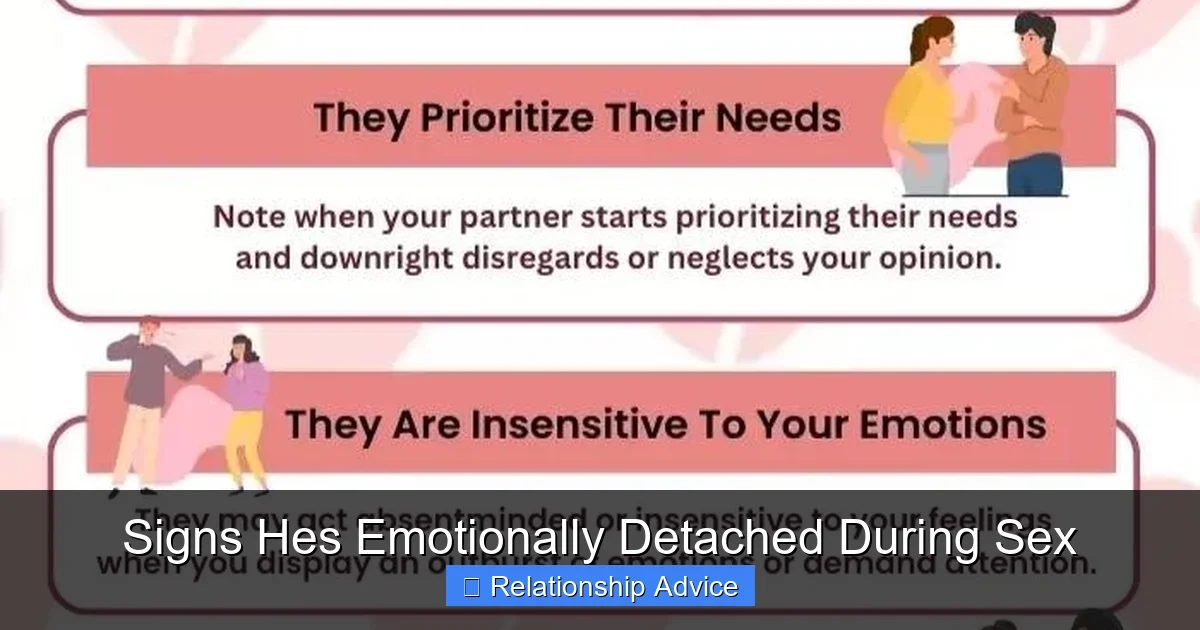
Visual guide about Signs Hes Emotionally Detached During Sex
Image source: cdn2.stylecraze.com
When emotional detachment becomes a pattern during sex, it can ripple through your entire relationship. Intimacy is one of the most powerful ways to build trust, deepen connection, and feel secure with your partner. When that connection is missing, it can leave you feeling lonely, insecure, or even rejected.
You might start questioning your worth. *Am I not attractive enough? Do they not love me anymore?* These thoughts can erode your self-esteem and create distance between you. Over time, you might avoid initiating sex altogether, fearing another emotionally empty experience.
Your partner may also feel the effects. Even if they’re not aware of their emotional detachment, they might sense your withdrawal or notice a decline in intimacy. This can lead to guilt, confusion, or defensiveness. They might not understand why you’re pulling away, especially if they don’t realize they’ve been emotionally distant.
The Emotional Toll on Both Partners
Emotional detachment during sex doesn’t just hurt the person who notices it—it affects both partners. Your partner may feel guilty or ashamed if they realize they’ve been checked out. They might worry they’re failing you or not meeting your needs. This can create a cycle of avoidance, where they pull away even more to protect themselves from feeling inadequate.
On your end, the emotional toll can be just as heavy. You might feel like you’re constantly trying to “fix” the connection, only to be met with silence or indifference. This can lead to frustration, sadness, or even resentment. You might start to associate sex with disappointment rather than joy.
Impact on Long-Term Intimacy
Over time, emotional detachment can erode the foundation of your relationship. Intimacy is about more than just physical pleasure—it’s about emotional safety, trust, and mutual vulnerability. When that’s missing, the relationship can start to feel more like a partnership of convenience than a deep, loving bond.
You might find yourself craving emotional connection more than physical intimacy. You might long for moments of genuine closeness—holding hands, sharing feelings, laughing together—but feel like those moments are slipping away. This can create a sense of longing that’s hard to articulate but deeply felt.
How to Talk About Emotional Detachment
Bringing up emotional detachment can feel scary. You don’t want to accuse your partner or make them feel attacked. But avoiding the conversation only prolongs the pain. The key is to approach it with care, curiosity, and compassion.
Start by choosing the right time and place. Don’t bring it up right after sex or during an argument. Instead, pick a calm moment when you’re both relaxed and not distracted. Say something like, “I’ve been thinking about us lately, and I wanted to talk about something that’s been on my mind.”
Use “I” statements to express your feelings without blaming. For example:
“I’ve noticed that sometimes during sex, I feel like you’re not really with me. I miss feeling that emotional closeness, and I wonder if you’ve felt that way too.”
This opens the door for dialogue without making your partner defensive.
Listen Without Judgment
Once you’ve shared your feelings, give your partner space to respond. They might not even realize they’ve been emotionally detached. They could be dealing with stress, anxiety, or past trauma they haven’t shared. Listen with an open heart, and avoid interrupting or jumping to conclusions.
Ask gentle questions to understand their experience:
“Have you been feeling stressed lately?”
“Is there something on your mind that’s making it hard to connect?”
“Do you feel safe and comfortable during intimacy?”
Your goal isn’t to fix everything in one conversation. It’s to start a dialogue and show that you care about their emotional well-being as much as your own.
Be Patient and Reassuring
Your partner might feel embarrassed or ashamed when you bring this up. Reassure them that you’re not blaming them—you’re trying to understand and improve your connection. Let them know you’re in this together.
Say things like:
“I love you, and I want us to feel close again.”
“It’s okay if this is hard to talk about. I’m here for you.”
“We don’t have to figure it all out tonight. I just want us to keep talking.”
Patience is key. Emotional reconnection takes time, especially if there are deeper issues at play. Be gentle with yourself and your partner as you navigate this together.
Ways to Rebuild Emotional Intimacy
Once you’ve opened the conversation, the next step is to rebuild emotional intimacy. This doesn’t happen overnight, but with consistent effort, you can restore the closeness you’re craving.
Start with non-sexual touch. Hold hands, cuddle on the couch, or give each other back rubs. These small moments of physical closeness can help rebuild trust and comfort without the pressure of sex.
Focus on emotional connection outside the bedroom. Spend quality time together—go on dates, have deep conversations, or try a new activity. The more emotionally connected you feel in daily life, the easier it will be to carry that into intimacy.
Introduce Novelty and Playfulness
Routine can kill emotional spark. Try new things together to reignite excitement. This could be as simple as changing the time or location of sex, trying a new position, or incorporating light role-play. The goal isn’t to be perfect—it’s to have fun and reconnect.
You might also explore sensual activities that aren’t necessarily sexual. Take a bath together, give each other massages, or dance in the living room. These moments can help you feel close without the pressure of performance.
Practice Mindfulness and Presence
Emotional detachment often happens when one or both partners are mentally elsewhere. Practicing mindfulness can help you stay present during intimacy. Focus on your breath, your partner’s touch, and the sensations in your body. Let go of distractions and judgments.
You can also try setting an intention before sex. For example: “Tonight, I want to feel close to you” or “I want to be fully present with you.” This simple act can shift your mindset and deepen your connection.
Seek Professional Support
If emotional detachment persists despite your efforts, consider seeking help from a therapist. A couples counselor can help you explore underlying issues, improve communication, and rebuild intimacy. Individual therapy can also be beneficial if your partner is dealing with trauma, anxiety, or depression.
Therapy isn’t a last resort—it’s a proactive step toward a healthier relationship. Many couples find that professional guidance helps them reconnect in ways they couldn’t on their own.
When to Consider Bigger Changes
While most cases of emotional detachment can be resolved with communication and effort, there are times when deeper changes may be needed. If your partner refuses to acknowledge the issue, avoids conversations about intimacy, or shows no interest in improving the connection, it may be a sign of a larger problem.
Emotional detachment can sometimes be a symptom of emotional or physical affairs. If your partner is consistently distant, secretive, or emotionally unavailable in all areas of the relationship—not just during sex—it’s worth exploring whether there’s something more going on.
Trust your instincts. If you’ve tried to communicate, sought help, and still feel emotionally abandoned, it’s okay to reevaluate the relationship. You deserve a partner who is emotionally present and invested in your connection.
Conclusion: Reclaiming Emotional Intimacy
Emotional detachment during sex is painful, but it’s not the end of your relationship. With awareness, compassion, and effort, you can rebuild the emotional closeness that makes intimacy truly meaningful. It starts with recognizing the signs, opening honest conversations, and taking small steps toward reconnection.
Remember, intimacy is a journey—not a destination. There will be ups and downs, moments of closeness and moments of distance. What matters most is your willingness to stay connected, to listen, and to grow together.
If you’re feeling emotionally detached from your partner during sex, know that you’re not alone. Many couples go through this. The fact that you’re paying attention and seeking answers is a powerful first step. With patience and love, you can create a deeper, more fulfilling connection—one that satisfies not just your body, but your heart.
Frequently Asked Questions
Is emotional detachment during sex a sign of cheating?
Not necessarily. While emotional detachment can sometimes be linked to infidelity, it’s more often caused by stress, trauma, or relationship issues. It’s important to talk openly before jumping to conclusions.
Can emotional detachment be fixed?
Yes, in most cases. With open communication, patience, and sometimes professional help, couples can rebuild emotional intimacy and restore closeness during sex.
Why does my partner shut down after sex?
This could be due to emotional overwhelm, past trauma, or a need for space. Some people feel vulnerable after intimacy and need time to process. Talking gently about it can help.
How do I bring up emotional detachment without hurting my partner?
Use “I” statements, choose a calm moment, and express your feelings with care. Focus on your experience, not blame, and invite them to share theirs.
Should we see a therapist?
If emotional detachment persists or is affecting your relationship, couples therapy can be very helpful. It provides a safe space to explore underlying issues and improve communication.
Can medication cause emotional detachment during sex?
Yes, certain medications—like antidepressants—can affect libido and emotional responsiveness. If you suspect this, talk to your partner’s doctor about possible side effects.
