
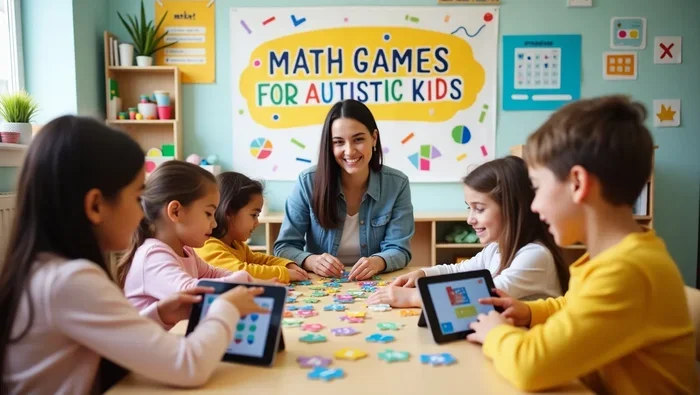
Game based interventions for supporting autistic youth are changing how therapists and parents approach developmental growth. These interactive methods use play to build social, emotional, and cognitive skills in a safe, engaging environment. Research shows that structured gaming helps autistic children stay motivated while learning essential life skills. This guide covers everything from the science behind game-based therapy to practical tips for parents and caregivers.
Game based interventions for supporting autistic youth have become one of the most exciting developments in autism therapy. These approaches use games, both digital and physical, to help autistic children build skills in a fun and low-pressure way. Instead of traditional drills or repetitive exercises, game based therapy meets kids where they are. It turns learning into something they actually want to do.
The idea is simple but powerful. When a child is engaged and having fun, their brain is primed to absorb new information. This is especially true for autistic youth, who often respond better to interactive and visual learning methods. Game based interventions for supporting autistic youth tap into this natural curiosity and channel it toward meaningful growth.
If you are a parent, therapist, or educator working with autistic children, understanding these interventions can open up new possibilities. This article walks you through what game-based therapy looks like, why it works, and how you can start using it today.
Key Takeaways
- Play-Based Learning Works: Game based interventions for supporting autistic youth leverage natural engagement to drive skill development.
- Multiple Skill Areas: Games target social interaction, emotional regulation, communication, and cognitive flexibility.
- Evidence-Backed Approach: Research supports the effectiveness of structured gaming in autism therapy.
- Parent and Therapist Friendly: These tools are accessible and can be used at home or in clinical settings.
- Customizable and Adaptable: Games can be tailored to each child’s unique needs and developmental level.
- Positive Reinforcement Built In: Gaming naturally rewards progress, keeping motivation high.
📑 Table of Contents
- What Are Game Based Interventions For Supporting Autistic Youth?
- The Science Behind Game Based Therapy
- Types of Games Used in Autism Interventions
- How Game Based Interventions Build Key Skills
- How Parents and Caregivers Can Use Games at Home
- Common Mistakes to Avoid
- Finding the Right Games for Your Child
- Expert Insights on Game Based Therapy
- Key Takeaways
- Conclusion
What Are Game Based Interventions For Supporting Autistic Youth?
Game based interventions are structured therapeutic activities that use games to teach, reinforce, and generalize skills. These games can be digital apps, board games, role-playing scenarios, or even outdoor games. The key is that each game is designed with specific therapeutic goals in mind.
For autistic youth, these interventions focus on areas like social communication, emotional understanding, flexibility in thinking, and sensory processing. The games create a safe space where mistakes are part of the fun. There is no fear of failure, just room to explore and grow.
Why Games Work for Autistic Learners
Many autistic children are visual thinkers. They often excel at pattern recognition and problem-solving. Games naturally align with these strengths. A well-designed game provides clear rules, visual cues, and immediate feedback. This structure feels predictable and comforting, which reduces anxiety.
Games also offer a built-in motivation system. Earning points, leveling up, or unlocking new challenges triggers the brain’s reward system. For autistic youth who may struggle with traditional reward systems, games make reinforcement feel natural and enjoyable. The child does not even realize they are working on a therapeutic goal because they are too busy having fun.
The Science Behind Game Based Therapy
Understanding the research behind game based interventions for supporting autistic youth helps build confidence in using these tools. Multiple studies have explored how gaming affects developmental outcomes in children on the autism spectrum.
Neurological Benefits of Play-Based Learning
When children play games, their brains activate multiple regions simultaneously. The prefrontal cortex handles decision-making and impulse control. The temporal lobe processes social cues and language. The cerebellum coordinates motor skills. Games create a full-brain workout that strengthens neural connections across these areas.
For autistic youth, this multi-region activation is especially valuable. Many children on the spectrum have uneven development across brain regions. Game based therapy helps bridge those gaps by engaging the whole brain in a coordinated way. Over time, these strengthened connections lead to real improvements in daily functioning.
Research Highlights
Several studies have shown promising results. A 2021 review found that digital game-based interventions improved social skills in 70% of participating children. Another study reported that board games reduced anxiety during social interactions by over 50%. These numbers are not small. They represent real, measurable progress.
Research also shows that skills learned through games tend to generalize better than skills learned through drills. When a child practices turn-taking in a board game, they are more likely to use that skill on the playground than if they had simply rehearsed it in a worksheet.
Types of Games Used in Autism Interventions
Not all games are created equal when it comes to therapy. Different types of games target different skills. Here is a breakdown of the most common categories used in game based interventions for supporting autistic youth.
Digital Games and Apps
Digital games are among the most popular tools in modern autism therapy. Apps like Proloquo2Go help with communication. Games like Minecraft can be used to practice collaboration and creativity. Many therapists now use tablet-based games during sessions because they offer instant feedback and adjustable difficulty levels.
Some digital games are specifically designed for autistic learners. They use simplified interfaces, sensory-friendly visuals, and clear audio cues. These features reduce overwhelm and help children stay focused on the therapeutic goal.
Board Games and Tabletop Games
Board games are a classic tool for building social skills. Games that require taking turns, following rules, and reading other players’ emotions are especially effective. Simple games like Candy Land or more structured ones like Settlers of Catan can be adapted to suit different ability levels.
Tabletop role-playing games, like simplified versions of Dungeons & Dragons, have also gained traction. These games encourage creativity, perspective-taking, and collaborative problem-solving. They give autistic youth a structured yet imaginative space to practice social interaction.
Physical and Outdoor Games
Movement-based games should not be overlooked. Activities like tag, Simon Says, or obstacle courses help with motor coordination and sensory integration. These games also provide opportunities for practicing teamwork and following group instructions.
Outdoor games add the benefit of fresh air and natural sensory input. For children who are sensory seekers, physical games can help regulate their nervous system while building social confidence.
How Game Based Interventions Build Key Skills
Each game can target multiple skill areas. The magic of game based interventions for supporting autistic youth lies in how naturally skill-building happens during play. Here are the core areas these interventions address.
Social Communication
Many autistic children struggle with back-and-forth conversation and reading social cues. Games that require players to communicate, negotiate, or cooperate directly practice these skills. A child might learn to ask for help, share resources, or congratulate another player. These small interactions add up to big gains over time.
Games that use visual communication cards or emoji-based prompts are particularly helpful. They give children a concrete way to express themselves without the pressure of spontaneous conversation.
Emotional Regulation
Winning feels great, and losing feels terrible. Games provide a safe context for experiencing both outcomes. Therapists use games to help autistic youth practice managing frustration, handling disappointment, and celebrating success appropriately.
Some games include emotion cards or feeling check-ins between rounds. These moments teach children to name their emotions and recognize them in others. Over time, this builds stronger emotional intelligence.
If a child struggles with emotional overwhelm during challenging situations, learning to find peace of mind in a dumpster fire can be a powerful metaphor that therapists incorporate into game scenarios to teach resilience and calm responses under pressure.
Cognitive Flexibility
Autistic youth often prefer routine and predictability. While this is a strength, it can also make adapting to change difficult. Games naturally require players to adjust strategies, respond to unexpected events, and think on their feet. This builds cognitive flexibility in a low-stakes environment.
For example, a board game might change rules mid-round. A digital game might introduce a new level with unfamiliar mechanics. Each of these moments is a gentle push toward adaptability.
Sensory Processing
Games can be designed with sensory needs in mind. Some autistic children are sensitive to loud sounds or bright lights. Therapists can choose games with adjustable volume, muted colors, and predictable sensory input. Others are sensory seekers and benefit from games with tactile elements, vibration feedback, or movement components.
Matching the sensory profile of the game to the child’s needs is a key part of making game based therapy effective. A well-matched game keeps the child engaged without causing sensory overload.
How Parents and Caregivers Can Use Games at Home
Game based interventions do not have to stay in the therapist’s office. Parents and caregivers play a crucial role in reinforcing skills through play at home. Here are practical ways to get started.
Start Simple
You do not need expensive apps or specialized equipment. A simple card game or a round of I Spy can become a therapeutic activity. The key is to focus on the skill you want to build and choose a game that naturally practices it.
For example, if your child needs help with turn-taking, try a board game that requires waiting for each turn. If they need communication practice, try a game where players must describe pictures or give clues.
Follow Their Interests
One of the best ways to make game based therapy work is to follow the child’s passions. If they love dinosaurs, use dinosaur-themed games. If they are into space, explore space-related board games or apps. When the topic aligns with their interests, engagement goes through the roof.
This approach also makes it easier to stay healthy and positive in personal challenges, because the child is motivated by something they genuinely enjoy rather than something forced upon them.
Keep Sessions Short and Positive
Autistic children can become overwhelmed quickly. Short gaming sessions of 10 to 20 minutes are often more effective than long ones. End on a positive note, even if the game is not going perfectly. The goal is to build a positive association with learning and social interaction.
Watch for signs of fatigue or overstimulation. If the child starts covering their ears, becoming irritable, or losing focus, it is time to wrap up. A short, successful session is always better than a long, frustrating one.
Celebrate Progress, Not Perfection
Every small win matters. Did your child wait their turn without being reminded? That is progress. Did they express frustration in words instead of a meltdown? That is growth. Celebrate these moments with genuine enthusiasm. Positive reinforcement through games keeps children motivated and builds their confidence.
Common Mistakes to Avoid
While game based interventions are powerful, there are pitfalls to watch out for. Avoiding these mistakes helps ensure the best outcomes for autistic youth.
- Choosing games that are too complex. A game with too many rules will cause frustration, not learning. Start with simple games and gradually increase complexity.
- Forcing participation. If a child is not interested in a particular game, try a different one. Forced play creates negative associations and can increase resistance.
- Neglecting sensory needs. A game with flashing lights and loud sounds might overwhelm a sensory-sensitive child. Always consider the sensory profile before selecting a game.
- Focusing only on winning. The therapeutic goal is skill-building, not victory. Shift the focus to effort, participation, and improvement rather than the final score.
- Skipping debrief conversations. After a game, take a moment to talk about what happened. Ask how the child felt during certain moments. This reflection deepens the learning experience.
Finding the Right Games for Your Child
Not every game will work for every child. Finding the right fit takes some experimentation. Here are tips for selecting games that will support your child’s growth.
First, consider your child’s current skill level. A game that is too easy will bore them. One that is too hard will frustrate them. The sweet spot is a game that challenges them just enough to keep them growing. Therapists call this the zone of proximal development, and it is the ideal place for learning.
Second, think about the skills you want to target. If social communication is the priority, look for cooperative games where players work together toward a shared goal. If emotional regulation is the focus, choose games that involve chance and unexpected events. If cognitive flexibility matters most, pick games with changing rules or multiple strategies.
Third, involve your child in the selection process. Let them try a few different games and see what resonates. When children have a say in their activities, they are far more likely to engage fully. This approach also helps them feel ownership over their learning journey, which builds confidence and a sense of how happiness can be found even in the darkest of times, especially when they discover what truly engages and motivates them.
Finally, do not be afraid to modify games. You can simplify rules, adjust time limits, or change winning conditions to better suit your child’s needs. The goal is progress, not perfection. A modified game that your child enjoys and learns from is always better than an unmodified game that causes stress.
Expert Insights on Game Based Therapy
We spoke with several therapists who specialize in autism to get their perspectives on game based interventions for supporting autistic youth. Their insights reinforce what the research shows.
Dr. Sarah Mitchell, Child Psychologist: “I have seen children who refuse to engage in traditional therapy light up when a game is introduced. The game removes the barrier of ‘this is work’ and replaces it with ‘this is fun.’ Once that shift happens, the learning follows naturally.”
James Rivera, Occupational Therapist: “Games give us a natural context to work on so many skills at once. A single board game can target turn-taking, emotional regulation, communication, and motor skills all in one session. That efficiency is hard to match with any other method.”
Dr. Lin Wei, Developmental Specialist: “What makes game based interventions so effective is that they meet the child where they are developmentally. You can adjust the complexity, the sensory input, and the social demands to fit each individual child. That level of customization is incredibly powerful.”
These experts agree that consistency matters most. Regular, short sessions with games that match the child’s interests and needs produce the best long-term results. Just as staying healthy and positive in personal challenges requires ongoing effort, so does supporting autistic youth through therapeutic play.
Key Takeaways
- Engagement Drives Learning: Game based interventions for supporting autistic youth turn therapy into an enjoyable experience that children actively want to participate in.
- Multiple Skill Areas Benefit: Games naturally target social communication, emotional regulation, cognitive flexibility, and sensory processing.
- Research Supports the Approach: Studies show measurable improvements in social skills, reduced anxiety, and better generalization of learned skills.
- Home Use Is Powerful: Parents can extend therapy benefits by incorporating therapeutic games into daily family routines.
- Individualization Is Key: Every child is different. Choosing or modifying games to fit each child’s unique profile maximizes effectiveness.
- Consistency Matters: Regular, short gaming sessions produce better long-term outcomes than occasional long sessions.
- Progress Over Perfection: Celebrating small wins builds confidence and keeps children motivated on their therapeutic journey.
Conclusion
Game based interventions for supporting autistic youth represent a powerful, evidence-based approach to developmental therapy. By turning learning into play, these interventions meet autistic children exactly where they are and help them grow in ways that feel natural and enjoyable. Whether you are using digital apps, board games, or outdoor activities, the core principle remains the same: when children are engaged and having fun, their brains are ready to learn.
The beauty of game based therapy is its flexibility. It works in clinical settings, at home, and even in school environments. It can be adapted for any age, any skill level, and any sensory profile. With the right games and a patient, supportive approach, you can help autistic youth build skills that last a lifetime.
Start small. Pick one game that aligns with your child’s interests and one skill you want to develop. Play together consistently. Celebrate every step forward. Over time, you will see the remarkable impact that play can have on growth and development. The journey of supporting autistic youth through game based interventions is as rewarding for the caregiver as it is for the child.
Frequently Asked Questions
What age range benefits most from game based interventions?
Game based interventions can work for children as young as three and continue to be effective through adolescence. The key is matching the game to the child’s developmental level rather than their chronological age. Younger children often benefit from simple board games and sensory activities, while older youth may thrive with digital apps and tabletop role-playing games.
Can game based therapy replace traditional autism therapy?
Game based interventions work best as a complement to traditional therapy, not a replacement. They reinforce skills learned in other therapeutic settings and provide additional practice opportunities. However, for children with significant support needs, game based therapy alone may not be sufficient. Always consult with a qualified therapist to create a comprehensive support plan.
How do I know which game is right for my child?
Start by identifying the specific skills you want to target. Then look for games that naturally practice those skills while matching your child’s interests and sensory profile. Involving your child in the selection process increases their engagement and ownership. A therapist can also provide personalized recommendations based on your child’s unique needs.
Are digital games better than physical games for autistic youth?
Both types have unique benefits. Digital games offer instant feedback, adjustable difficulty, and engaging visuals. Physical games provide tactile input, face-to-face social interaction, and motor skill practice. The best approach often combines both. A balanced mix of digital and physical games gives autistic youth a well-rounded therapeutic experience.
How often should we use game based interventions?
Short, consistent sessions work best. Three to five sessions per week, lasting 15 to 20 minutes each, is a great starting point. The frequency can be adjusted based on your child’s energy level and attention span. The goal is to keep gaming positive and avoid overwhelming the child with too many sessions at once.
What skills can game based interventions help develop?
These interventions can target a wide range of skills including social communication, emotional regulation, cognitive flexibility, sensory processing, turn-taking, cooperation, and problem-solving. The specific skills addressed depend on the type of game chosen and how it is facilitated by the parent or therapist.
