
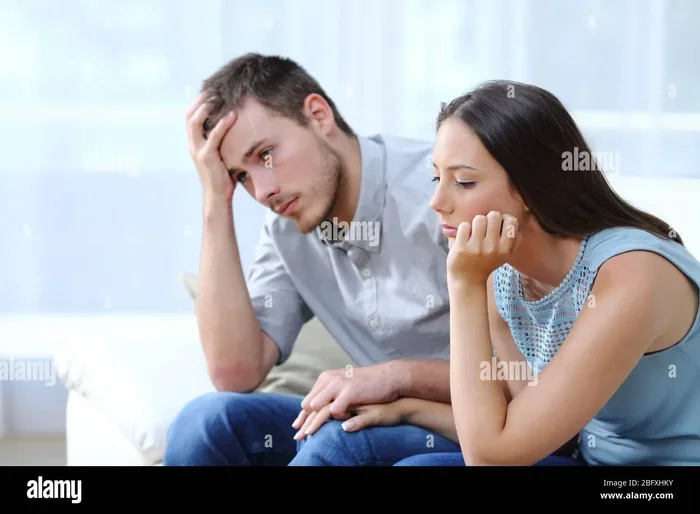
Anxious attachment is a relationship pattern rooted in fear of abandonment and a deep need for reassurance. It affects how you communicate, trust, and connect with partners in adult relationships. Understanding these patterns is the first step toward building secure, healthy bonds. This guide covers the signs, causes, and practical strategies to manage anxious attachment in love.
Key Takeaways
- Anxious attachment shows up as constant reassurance-seeking and fear of abandonment in relationships.
- Childhood experiences with caregivers often shape anxious attachment patterns in adult love.
- Common signs include overanalyzing texts, jealousy, and emotional reactivity with partners.
- Anxious attachment can create a push-pull dynamic that strains intimate relationships.
- Therapy, self-awareness, and secure communication can help heal anxious attachment wounds.
- Building emotional independence strengthens your ability to form healthy bonds.
📑 Table of Contents
What Is Anxious Attachment?
Anxious attachment is one of the most common attachment styles identified in attachment theory. It develops when a person forms deep emotional bonds but constantly worries about losing them. People with this style crave closeness and reassurance from their partners.
The roots of anxious attachment often trace back to early childhood. When caregivers were inconsistent, emotionally unavailable, or unpredictable, children learned to stay alert for signs of love or rejection. These attachment patterns carry into adulthood and shape how we experience intimate relationships.
It is important to understand that having an anxious style does not mean something is wrong with you. It means your nervous system learned a specific way to cope with uncertainty. Once you recognize this, you can begin to change it.
How Anxious Attachment Shows Up In Adult Relationships
Anxious attachment creates very specific behaviors in adult relationships. These patterns often feel automatic and can be hard to notice at first. Over time, though, they take a real toll on connection and trust.
Constant Need for Reassurance
People with an anxious style often need frequent confirmation that their partner still cares. This might look like asking “Do you still love me?” multiple times a day. It can also show up as needing lots of verbal affirmation before feeling secure.
This constant need for reassurance can feel exhausting for both partners. The person with anxious attachment may not realize how often they are seeking validation. They simply feel a deep inner voice telling them something is wrong.
Overanalyzing Partner Behavior
A hallmark of anxious attachment is the habit of overanalyzing everything a partner says or does. A delayed text reply becomes a sign of losing interest. A quiet evening at home triggers thoughts about the relationship falling apart.
This mental loop can be overwhelming. You may find yourself reading into small details that most people would ignore. The brain is constantly scanning for threats to the relationship, even when none exist.
Emotional Reactivity
Emotional reactions often feel bigger than the situation warrants. A minor disagreement might trigger intense sadness or anger. This happens because the anxious attachment system interprets any distance as a potential threat of abandonment.
The emotional response is real, even if the trigger seems small. Understanding this helps you respond with more compassion toward yourself and your partner.
Common Signs Of Anxious Attachment In Love
Recognizing the signs of anxious attachment is the first step toward change. Here are the most common ways this style shows up in romantic relationships:
- Constantly checking your partner’s social media for clues about their feelings.
- Difficulty being alone without feeling anxious or lonely.
- Jealousy and possessiveness even when there is no reason for concern.
- Difficulty trusting your partner even when they have done nothing wrong.
- Sacrificing your own needs to keep the relationship together.
- Feeling anxious when your partner is not immediately available.
- Rushing intimacy or moving too fast in new relationships.
If several of these resonate with you, you are not alone. Many people carry anxious attachment patterns without fully understanding where they come from. The good news is that awareness opens the door to healing.
Why Anxious Attachment Develops
Anxious attachment almost always has its roots in early life experiences. Understanding the “why” behind your patterns helps you separate past wounds from present reality.
Inconsistent Caregiving
When caregivers were warm one moment and distant the next, children learned to stay hypervigilant. They never knew when love would be available, so they became experts at spotting any sign of it. This survival strategy becomes an attachment style in adulthood.
Emotional Neglect
Sometimes caregivers provided basic needs but failed to respond to emotional cues. A child who cried and was ignored learns that expressing feelings leads to disconnection. As an adult, this shows up as a fear that your emotional needs will be dismissed in relationships.
Trauma And Loss
Experiences of loss, abuse, or significant instability during childhood can also create anxious attachment. The brain adapts to protect you from pain, but those protective mechanisms can become barriers to healthy love later in life.
How Anxious Attachment Affects Relationship Dynamics
Anxious attachment does not just affect one person. It shapes the entire dynamic between partners. Understanding these patterns helps both people respond with more empathy.
The Push-Pull Cycle
One of the most common patterns is the push-pull cycle. When you feel insecure, you may cling more tightly to your partner. This can feel overwhelming for them. In response, they may pull away. Your anxiety spikes, and you chase even harder. The cycle continues unless someone breaks it.
This dynamic often leads to relationship anxiety that feels impossible to escape. Neither partner is doing anything “wrong.” They are both responding to old wounds in new ways.
Difficulty With Emotional Needs
People with anxious attachment often struggle to have their emotional needs met in relationships. They may not know how to ask for what they need in a calm, clear way. Instead, they express needs through urgency or distress.
Learning to identify and communicate your emotional needs is a powerful step. When both partners understand what they truly need, connection becomes much easier. You can explore more about this in our article on emotional needs you should never ignore in a relationship.
Miscommunication And Different Love Languages
Anxious attachment can make communication really challenging. You might interpret a partner’s words through a lens of fear, even when they mean well. Misunderstandings happen more often, and small issues can escalate quickly.
Different love languages can make this even harder. If your partner expresses love through acts of service but you crave words of affirmation, you might feel unloved even when they are trying. Understanding these differences is key to building trust. Check out our guide on how to deal with miscommunication and different love languages for practical tips.
Healing Anxious Attachment For Healthier Relationships
The great news is that anxious attachment is not permanent. Your brain has the ability to rewire and form new patterns. Healing is absolutely possible with time, effort, and the right support.
Build Self-Awareness
The first step is noticing your patterns without judgment. When you feel the urge to seek constant reassurance, pause and ask yourself what is really driving that feeling. Often, it is an old fear talking, not a present reality.
Practice Emotional Regulation
Learning to manage your emotions is a game-changer. Techniques like deep breathing, journaling, and mindfulness can help you stay grounded when anxiety spikes. Instead of reacting immediately, give yourself space to respond thoughtfully.
Seek Professional Support
Therapy, especially approaches focused on attachment healing, can be incredibly effective. A skilled therapist helps you understand your attachment wounds and develop new ways of relating. This is not a sign of weakness. It is one of the bravest things you can do for your relationships.
Cultivate Secure Relationships
Surrounding yourself with people who are emotionally available and consistent helps reshape your attachment patterns over time. Secure relationships act as a healing mirror. They show you that love can be stable and safe.
Focus On Self-Worth
At the core of anxious attachment is often a deep wound around self-worth. When you believe you are inherently valuable, you do not need to constantly prove your partner’s love. Building confidence in who you are independently is one of the most powerful steps you can take.
Give Yourself Time
Healing attachment patterns does not happen overnight. Be patient with yourself. Every small step toward awareness and healthier behavior counts. Celebrate progress, even when it feels slow.
Final Thoughts
Anxious attachment shows up in many ways in adult relationships, but it does not define your future. Once you recognize these patterns, you have the power to change them. Every relationship you form becomes an opportunity to practice new ways of connecting.
Healing is a journey, not a destination. The fact that you are here, reading this, means you are already on the path. Trust yourself, seek support when needed, and remember that healthy, secure love is absolutely within your reach.
If you are currently going through a tough breakup and struggling with attachment pain, you might find value in our article on how long it takes to get over a breakup. Understanding the timeline of healing can help you be gentler with yourself during this process.
Frequently Asked Questions
What does anxious attachment look like in a relationship?
Anxious attachment often shows up as constant reassurance-seeking, jealousy, overanalyzing partner behavior, and a deep fear of abandonment. You might find yourself checking your partner’s phone, feeling anxious when they are unavailable, or interpreting small signs as proof that the relationship is in trouble.
Can anxious attachment be healed?
Yes, anxious attachment can absolutely be healed. Through self-awareness, therapy, and building secure relationships, your attachment patterns can change over time. The brain is remarkably adaptable, and new ways of relating to partners are always possible with consistent effort.
Is anxious attachment the same as codependency?
They share some similarities but are not the same thing. Anxious attachment is a relational style rooted in fear of abandonment, while codependency involves an unhealthy reliance on another person for your sense of self-worth. However, anxious attachment can sometimes lead to codependent behaviors if left unaddressed.
What causes anxious attachment in adults?
Anxious attachment typically develops from inconsistent or emotionally unavailable caregiving during childhood. Experiences of neglect, loss, or unpredictable parenting teach the brain that love is uncertain. These early patterns then shape how you relate to partners in adulthood.
How does anxious attachment affect communication in relationships?
Anxious attachment often leads to communication patterns driven by fear rather than clarity. You might express needs through urgency, guilt, or emotional outbursts instead of calm, direct communication. This can create misunderstandings and make your partner feel pressured or overwhelmed.
Can someone with anxious attachment have a healthy relationship?
Absolutely. Many people with anxious attachment go on to have deeply healthy and fulfilling relationships. The key is developing self-awareness, learning secure communication skills, and often working with a therapist to heal old wounds. Secure love is not reserved for people with a secure attachment style from birth.
