
Begging for love rarely leads to genuine connection—it often stems from fear, insecurity, or unmet emotional needs. True love is built on mutual respect, trust, and emotional safety, not desperation or one-sided effort.
Key Takeaways
- Begging for love undermines self-worth: When you plead for affection, you signal that your value depends on someone else’s approval, which erodes confidence over time.
- Healthy relationships thrive on mutual effort: Love should feel balanced—both partners contribute equally to emotional support, communication, and care.
- Desperation attracts the wrong people: People who respond to begging may stay out of guilt or pity, not real love, leading to toxic or one-sided dynamics.
- Self-love is the foundation of lasting love: When you respect and care for yourself first, you attract partners who do the same naturally.
- Emotional independence strengthens bonds: Being secure in yourself allows you to love freely, without fear of abandonment or neediness.
- Communication beats manipulation: Instead of begging, express your feelings honestly and listen to your partner’s needs with openness and empathy.
- Walking away can be an act of self-respect: If someone won’t love you without coercion, they’re not the right match—and that’s okay.
📑 Table of Contents
- Is It Good to Beg for Love? Understanding the Emotional Cost
- The Psychology Behind Begging for Love
- The Hidden Dangers of Begging for Love
- What Healthy Love Looks Like Instead
- How to Stop Begging and Start Attracting Real Love
- When to Walk Away: Recognizing the Signs
- Conclusion: Love Should Never Be a Plea
Is It Good to Beg for Love? Understanding the Emotional Cost
Let’s be real—love is messy. It’s not always the fairytale we see in movies. Sometimes, we find ourselves in situations where we feel like we’re pouring our hearts out, only to be met with silence, distance, or half-hearted responses. In those moments, it’s tempting to beg. To say, “Please, just give me a chance,” or “I can’t live without you.” But here’s the hard truth: begging for love is rarely the path to happiness.
We’ve all been there—or know someone who has. Maybe it’s a breakup that left us reeling, a partner who’s pulling away, or a crush who won’t commit. The pain is real. The fear of being alone, of not being “enough,” can make us do things we’d never normally consider. We send long texts, show up uninvited, or promise to change everything—just to get them back. But does it work? And more importantly, should it?
The short answer? No, begging for love isn’t good for you—or the relationship. It might bring temporary relief, but it rarely leads to lasting, healthy love. In fact, it often does the opposite: it pushes people away, damages your self-esteem, and sets the stage for future heartbreak.
So why do we do it? And what can we do instead? Let’s dive into the psychology behind begging for love, the red flags it creates, and how to build relationships rooted in mutual respect and genuine connection.
The Psychology Behind Begging for Love
Visual guide about Is It Good to Beg for Love
Image source: pbs.twimg.com
At its core, begging for love is a cry for validation. It usually stems from deep-seated fears—fear of abandonment, fear of not being worthy, or fear of being alone. These fears aren’t irrational. They’re human. But when they drive our actions, they can lead us down a dangerous path.
Fear of Abandonment
Many people who beg for love have experienced abandonment in the past—whether through divorce, neglect, or emotional unavailability. These experiences can create what psychologists call an “anxious attachment style.” People with this style often crave closeness but fear rejection so intensely that they become clingy or desperate when a relationship feels unstable.
For example, imagine Sarah, who grew up with a parent who was emotionally distant. As an adult, she jumps into relationships quickly and becomes deeply attached. When her partner starts pulling back, she panics. She texts constantly, asks for reassurance, and even threatens to leave—just to get a reaction. Her goal isn’t to control, but to feel safe. But her behavior often pushes her partner further away.
Low Self-Worth
Begging for love can also be a sign of low self-esteem. When you don’t believe you’re inherently lovable, you might think you have to “earn” love through extreme effort or sacrifice. You might say things like, “I’ll do anything for you,” or “I’ll change everything if you just stay.” But love shouldn’t be a transaction. It shouldn’t require you to lose yourself to be accepted.
Think about Mark, who stayed in a relationship for years, even though his partner rarely showed affection. He told himself, “If I just work harder, they’ll finally love me.” But no amount of effort changed the dynamic. He was begging for love he already deserved—without having to prove it.
The Illusion of Control
Another reason people beg is the illusion that they can control someone else’s feelings. We think, “If I just say the right thing, or show enough emotion, they’ll change their mind.” But love doesn’t work that way. You can’t force someone to feel something they don’t. And when you try, you’re not respecting their autonomy—or your own.
The Hidden Dangers of Begging for Love
Visual guide about Is It Good to Beg for Love
Image source: realestlove.com
While begging might seem like a way to save a relationship, it often does more harm than good—both to you and to the connection you’re trying to preserve.
It Erodes Self-Respect
When you beg, you’re essentially saying, “I’m not worth loving unless I prove it.” That message sinks in, even if you don’t realize it. Over time, it chips away at your self-respect. You start to believe you’re only valuable if someone chooses you. And that’s a dangerous mindset.
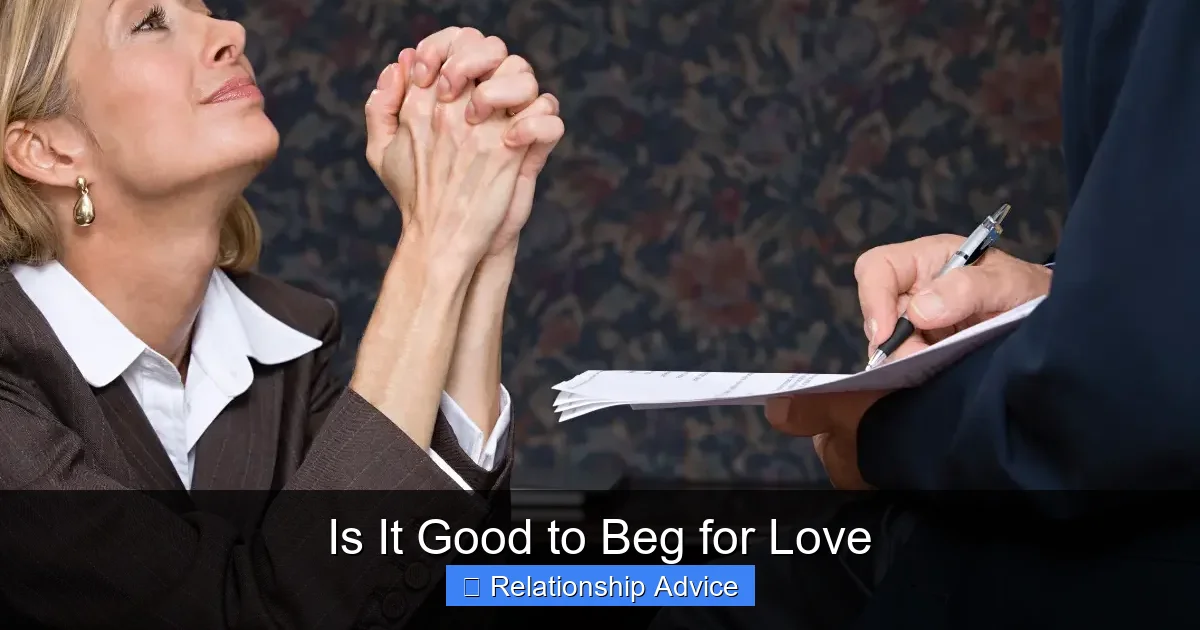
Imagine you’re at a job interview. You wouldn’t beg the interviewer to hire you, right? You’d present your skills, show confidence, and let your value speak for itself. Love should be no different. You deserve to be chosen—not because you pleaded, but because you’re worthy.
It Attracts the Wrong People
Begging can actually attract people who aren’t emotionally available or who enjoy the power dynamic. Some individuals stay in relationships not because they love you, but because they feel needed or in control. They might string you along, knowing you’ll keep coming back.
This creates a cycle of emotional dependency. You keep begging, they keep giving just enough to keep you hooked, and neither of you is truly happy. It’s not love—it’s manipulation, even if unintentional.
It Prevents Real Communication
When you’re focused on begging, you’re not having honest conversations. You’re not asking, “What do you need?” or “Are we on the same page?” Instead, you’re focused on getting a “yes” or avoiding a “no.” That shuts down real dialogue and prevents both partners from understanding each other.
For instance, if your partner is pulling away, begging might make them feel guilty—but it won’t help them open up. They might stay out of obligation, not love. And that’s not a foundation for a healthy relationship.
It Delays Healing
Begging keeps you stuck in the past. Instead of processing your emotions and moving forward, you’re clinging to what’s already gone. This delays healing and prevents you from opening up to new possibilities. You can’t grow if you’re constantly looking backward.
What Healthy Love Looks Like Instead
Visual guide about Is It Good to Beg for Love
Image source: cdn.quotesgram.com
So if begging isn’t the answer, what is? Healthy love is built on mutual respect, trust, and emotional safety. It doesn’t require pleading, guilt, or manipulation. Here’s what it actually looks like.
Mutual Effort and Reciprocity
In a healthy relationship, both partners put in effort. They check in, show appreciation, and make time for each other—not because they’re afraid of losing the other, but because they genuinely care. Love flows both ways.
For example, if you plan a date, your partner should be excited to join—not because you begged, but because they want to spend time with you. If you share your feelings, they should listen and respond with empathy, not defensiveness or silence.
Emotional Safety
You should feel safe to be yourself—your flaws, your fears, your dreams. You shouldn’t have to perform or pretend to be someone you’re not to be loved. In a healthy relationship, vulnerability is welcomed, not punished.
Think about couples who’ve been together for years. They don’t beg each other to stay. They stay because they choose each other—every day. They’ve built a life where love feels natural, not forced.
Respect for Boundaries
Healthy love respects boundaries. If your partner needs space, you give it—without guilt or pressure. If they say no, you accept it. That doesn’t mean you stop caring; it means you respect their autonomy.
For instance, if your partner says they’re not ready for a serious relationship, begging won’t change their mind. But respecting their decision shows maturity and self-respect. And who knows? They might come back when they’re ready—on their terms, not yours.
Honest Communication
Instead of begging, talk. Share your feelings openly and calmly. Say, “I’ve been feeling distant lately. Can we talk about what’s going on?” This invites dialogue instead of defensiveness.
And listen—really listen—to their response. They might be dealing with their own struggles. Or they might not feel the same way. Either way, honesty is better than silence.
How to Stop Begging and Start Attracting Real Love
Breaking the cycle of begging starts with shifting your mindset. It’s about moving from desperation to self-worth. Here’s how to do it.
1. Practice Self-Love
You can’t pour from an empty cup. Start by treating yourself with the same kindness you’d show a friend. Celebrate your strengths, forgive your mistakes, and prioritize your well-being.
Try this: Write down three things you love about yourself every morning. It could be your sense of humor, your work ethic, or your compassion. Over time, this builds self-confidence and reminds you that you’re worthy—with or without a partner.
2. Build Emotional Independence
Don’t tie your happiness to someone else’s actions. Develop hobbies, spend time with friends, and pursue goals that excite you. When you’re fulfilled on your own, you’re less likely to beg for love to fill a void.
For example, if you love painting, take a class. If you enjoy hiking, join a group. These activities not only boost your mood but also expand your social circle—and increase your chances of meeting someone who truly values you.
3. Set Healthy Boundaries
Boundaries aren’t walls—they’re guidelines for how you want to be treated. If someone isn’t meeting your emotional needs, it’s okay to say so. And if they can’t meet them, it’s okay to walk away.
Try this: Use “I” statements. Say, “I need more emotional support in a relationship,” instead of “You never care about me.” This keeps the conversation constructive.
4. Focus on Quality, Not Quantity
It’s better to be single than to be in a relationship where you’re begging for love. A healthy partnership should enhance your life, not drain it. Don’t settle for someone who only shows up when it’s convenient.
Ask yourself: Does this person make me feel valued? Do they respect my time and feelings? If the answer is no, it’s time to reevaluate.
5. Seek Support
If you’re struggling with patterns of begging or low self-worth, consider talking to a therapist. They can help you unpack past experiences and build healthier relationship habits.
Therapy isn’t a sign of weakness—it’s an act of self-care. And it can be the key to breaking free from cycles of dependency.
When to Walk Away: Recognizing the Signs
Sometimes, the healthiest choice is to let go. Here are signs it’s time to walk away from a relationship where you’re begging for love:
- You’re constantly anxious or stressed about the relationship.
- Your partner only shows affection when you beg or guilt them.
- You’ve lost yourself—your interests, values, or friendships.
- There’s a lack of trust, honesty, or mutual respect.
- You feel more drained than fulfilled after spending time together.
Walking away doesn’t mean you failed. It means you’re choosing yourself. And that’s brave.
Conclusion: Love Should Never Be a Plea
So, is it good to beg for love? The answer is clear: no. Begging may bring temporary comfort, but it doesn’t lead to lasting happiness. True love is built on mutual respect, emotional safety, and genuine connection—not desperation or one-sided effort.
You deserve to be loved for who you are, not for what you can do or how hard you try. You deserve a partner who chooses you freely, without guilt or pressure. And you deserve to feel secure in that love—without having to beg for it.
Start today. Practice self-love. Set boundaries. Communicate honestly. And remember: the right person won’t need you to plead. They’ll show up—because they want to, not because they have to.
Love should never be a plea. It should be a choice. And the most important choice you can make is to choose yourself.
Frequently Asked Questions
Is it ever okay to ask for love?
It’s okay to express your feelings and needs—like saying, “I miss you” or “I’d love more quality time together.” But asking in a way that pressures or guilt-trips someone crosses into begging, which isn’t healthy.
What if my partner says they need space but I’m afraid they’ll leave?
It’s natural to feel anxious, but respecting their need for space shows maturity and trust. Use the time to focus on yourself. If they return, great. If not, you’ll be stronger for having honored both their boundaries and your own.
How do I stop feeling desperate in a relationship?
Build emotional independence by investing in your own life—hobbies, friendships, goals. When you’re fulfilled on your own, you’re less likely to rely on a partner for your sense of worth.
Can begging ever work to save a relationship?
Rarely. While it might bring a temporary response, it doesn’t address the root issues. Lasting change comes from mutual effort, not one-sided pleading.
What if I’ve already begged—can I recover from that?
Yes. Acknowledge what happened, apologize if needed, and focus on rebuilding trust through consistent, respectful behavior. Self-awareness and growth are key.
How do I know if someone truly loves me?
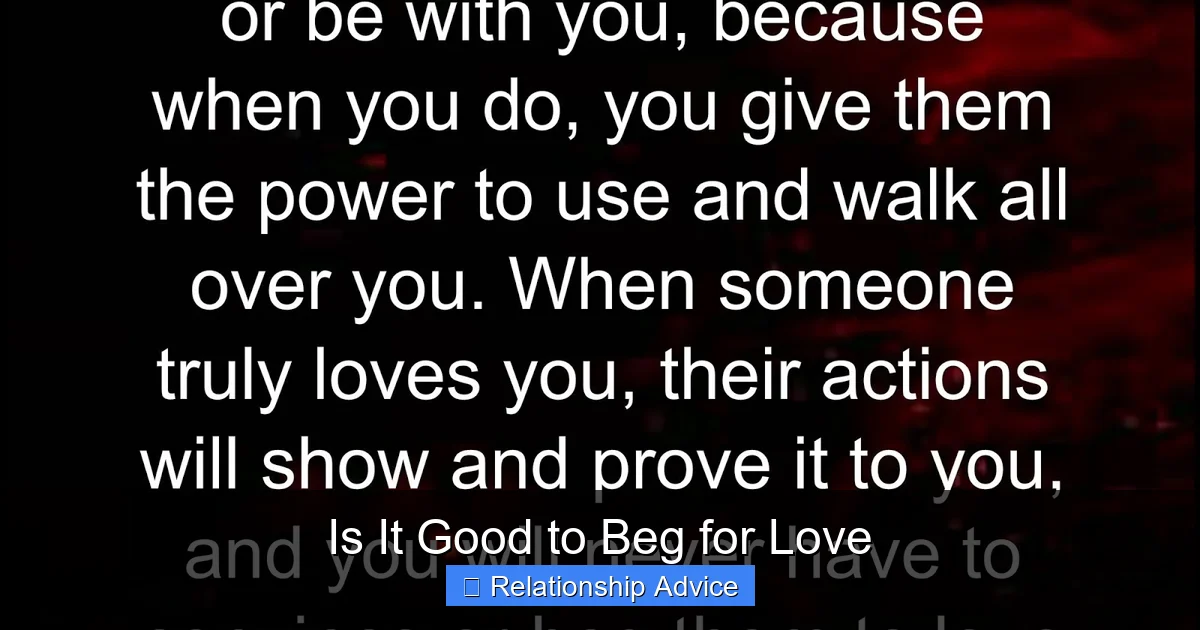
Look for consistent actions—showing up, listening, respecting boundaries, and choosing you without pressure. Love is shown through behavior, not just words.