
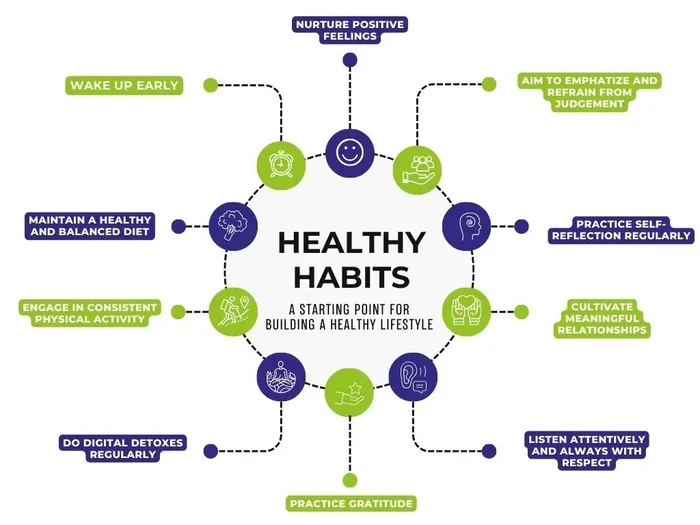
If you develop these habits youll create a profound success story that feels real, steady, and deeply rewarding. Small daily choices shape your confidence, your focus, and your future more than big dramatic moments ever could. This guide shows you the practical routines, mindset shifts, and emotional habits that quietly build lasting success. Start where you are, keep it simple, and let consistency do the heavy lifting.
Success rarely arrives with fireworks. More often, it shows up quietly through ordinary days filled with small choices. The real magic lives in repetition. When you repeat helpful actions, they become part of who you are. That is why people often say that if you develop these habits youll create a profound success story. The phrase sounds bold, but it is actually very practical. Success is built through daily behavior, not luck alone.
Many people wait for the perfect plan, the perfect moment, or the perfect version of themselves. That waiting can become a trap. A better approach is to start with simple habits that support your goals, your energy, and your confidence. You do not need a giant transformation overnight. You need a few reliable routines that you can actually keep. Over time, those routines become your identity. They shape how you think, how you respond to stress, and how you treat opportunities.
This article breaks the idea down into clear, usable pieces. You will see how habit formation works, which types of habits matter most, and how to make them stick without burning out. You will also find practical tips, common mistakes to avoid, and a few mindset shifts that make the whole process easier. If you are looking for a more grounded path to growth, this is a good place to begin.
Key Takeaways
- Small habits compound quickly: Tiny daily actions build momentum and create big results over time.
- Mindset shapes outcomes: A growth mindset helps you see setbacks as feedback instead of failure.
- Consistency beats intensity: Steady routines outperform occasional bursts of effort.
- Emotional awareness matters: Self-reflection and healthy boundaries support long-term success.
- Focus on controllables: Direct your energy toward actions you can actually influence today.
- Rest is productive: Recovery, sleep, and downtime protect your energy and sharpen your decisions.
- Success is personal: Define your own version of success so your habits stay meaningful and motivating.
📑 Table of Contents
- Why Habits Matter More Than Motivation
- The Core Habits That Build Lasting Success
- Mindset Habits That Support Growth
- Emotional and Social Habits That Strengthen Your Path
- Systems, Consistency, and the Art of Keeping Going
- Common Mistakes and How to Avoid Them
- Expert Insights and Practical Tips
- Conclusion
Why Habits Matter More Than Motivation
Motivation feels exciting, but it comes and goes. Some days you feel ready to conquer the world. Other days, even simple tasks feel heavy. That is normal. Habits are different. Habits do not depend on mood. They run in the background and reduce the need for constant willpower. When you have strong habits, you do not have to negotiate with yourself every morning. You simply follow a pattern that already supports you.
This is one of the biggest reasons people say if you develop these habits youll create a profound success story. The statement is not about perfection. It is about reducing friction. A good habit makes the right action easier. A bad habit makes the wrong action easier. That is why small routines matter so much. They quietly guide your decisions before you even notice.
The Compound Effect of Tiny Choices
Tiny choices seem unimportant at first. Reading five pages feels tiny. Walking for ten minutes feels tiny. Writing one paragraph feels tiny. But repetition changes everything. Five pages a day becomes a finished book over time. Ten minutes of movement becomes a stronger body and a clearer mind. One paragraph a day becomes a body of work. The compound effect is powerful because it rewards patience.
This is also why people sometimes underestimate habit building. The results are not always visible right away. In the beginning, the progress can feel almost invisible. That can be frustrating. Still, the process is working beneath the surface. Neural pathways strengthen. Routines become familiar. Confidence grows because you keep showing up. Eventually, the small steps become a bigger story.
Habits Reduce Decision Fatigue
Every day, you make countless decisions. What to eat. What to wear. What to work on first. Whether to reply to that message now or later. Decision fatigue can drain your energy fast. Habits help by removing some of those choices. If you already know your morning routine, you do not waste energy figuring it out. If you already have a clear work ritual, you can start faster.
This matters because energy is limited. When you protect your attention, you also protect your progress. A strong routine gives your day structure. Structure creates room for focus. Focus creates better results. That is another reason the idea that if you develop these habits youll create a profound success story resonates with so many people. It is not just about achievement. It is about making life feel more manageable.
The Core Habits That Build Lasting Success
Not every habit deserves equal attention. Some habits support your health. Some support your focus. Some support your relationships. The best habits are the ones that align with the life you actually want. If you try to build everything at once, you may end up building nothing. A smarter approach is to choose a few high-impact habits and make them easy to repeat.
When people talk about success, they often think about money, career growth, or public achievement. Those things can matter, but they are not the whole picture. Real success also includes clarity, stability, confidence, and peace of mind. That is why the most effective habits usually touch multiple areas of life at once. A good sleep routine supports focus. A good planning routine reduces stress. A good reflection habit improves self-awareness.
Morning Routines That Set the Tone
A morning routine does not need to be fancy. It just needs to help you start the day with intention instead of chaos. For some people, that means drinking water before coffee. For others, it means a short walk, a few minutes of stretching, or a quiet moment before checking messages. The goal is not to copy someone else’s perfect routine. The goal is to create a soft landing into your day.
A helpful morning routine may include:
- Hydration first: Start with water to support energy and clarity.
- Light movement: Stretch, walk, or do a short workout to wake up your body.
- A clear priority: Choose one important task before the day gets noisy.
- Limited early scrolling: Give your mind a chance to settle before reacting to other people’s agendas.
These small actions may seem simple, but they create momentum. Momentum matters because it helps you feel capable. When you begin the day with a few wins, you are more likely to keep moving.
Planning and Prioritization Habits
Success often comes from doing the right things in the right order. Planning helps you see what matters most. Without planning, it is easy to spend the whole day reacting. You answer messages, handle random tasks, and feel busy without feeling productive. A simple planning habit can change that.
Try ending your day by writing down the top three tasks for tomorrow. You can also keep a short list of ongoing projects and review it once a week. The point is not to create a perfect schedule. The point is to reduce uncertainty. When you know what matters, you waste less time deciding. You also feel more in control, which lowers stress.
Learning and Skill-Building Habits
Growth rarely stops after school or training. In real life, the people who keep progressing usually keep learning. That does not mean you must study every hour. It means you stay curious. You read, listen, practice, and ask better questions. Over time, learning becomes a habit that opens doors.
A good learning habit can be very small. You might read a few pages each day, listen to a useful podcast during a walk, or spend fifteen minutes practicing a skill. Consistency matters more than intensity. If you keep showing up, your understanding deepens. Your confidence grows too. That is how if you develop these habits youll create a profound success story becomes more than a motivational line. It becomes a lived experience.
Mindset Habits That Support Growth
Behavior matters, but mindset matters too. The way you interpret setbacks affects what you do next. If you see failure as proof that you are not good enough, you may stop. If you see failure as information, you can adjust and continue. Mindset habits help you respond in a healthier way.
One useful mindset habit is noticing your self-talk. Pay attention to the words you use when things get hard. Are you harsh with yourself? Do you assume one mistake means the whole effort is ruined? If so, it may be time to soften that inner voice. A more balanced inner dialogue can keep you moving when motivation dips.
Shifting From Fixed to Flexible Thinking
Flexible thinking helps you adapt. Life changes. Plans change. People change. If you cling too tightly to one outcome, frustration can build fast. A flexible mindset allows you to ask, “What else is possible?” That question is powerful because it keeps you engaged instead of defeated.
You can practice this by reframing common thoughts. For example:
- Instead of “I failed,” try “I learned what does not work.”
- Instead of “This is too hard,” try “This is asking me to grow.”
- Instead of “I am behind,” try “I am on my own path.”
These shifts may feel small, but they change your emotional response. And when your emotional response changes, your actions often change too.
Building Confidence Through Evidence
Confidence is not just a feeling you wait for. It is something you build through proof. Every time you keep a promise to yourself, you create evidence. Every time you finish a task, you create evidence. Every time you face discomfort and stay with it, you create evidence. That evidence becomes the foundation of self-trust.
This is why small commitments matter so much. Do not promise yourself a huge change if you are not ready to keep it. Start with something realistic. Make the bar low enough that you can clear it consistently. Then raise it gradually. Confidence grows faster when you succeed often at a manageable level.
Emotional and Social Habits That Strengthen Your Path
Success is not only personal. It also lives in the way you relate to other people. Emotional habits affect your relationships, your stress level, and your ability to stay steady under pressure. If you ignore your emotional world, even strong work habits can start to crack. That is why self-awareness deserves a place in any success plan.
A simple emotional habit is checking in with yourself. Ask what you feel before you react. Ask what you need before you push forward. This does not require a long therapy session every day. It just requires a pause. A pause creates space. Space gives you choice. Choice helps you act with more care.
Healthy Boundaries as a Success Habit
Boundaries protect your time, energy, and attention. Without them, you may say yes to too much. You may overcommit, overwork, and slowly burn out. A boundary is not a punishment. It is a form of self-respect. It tells the world what you can realistically hold.
Healthy boundaries can look like:
- Limiting late-night work when you need rest.
- Declining requests that do not align with your priorities.
- Protecting uninterrupted focus time.
- Speaking up when something feels unfair or draining.
People who build lasting success usually understand that saying no is part of saying yes to what matters. Boundaries help you stay aligned with your values instead of drifting into everyone else’s expectations.
Connection and Support Habits
No one builds a meaningful life in total isolation. Support matters. Encouragement matters. Honest feedback matters. That is why a connection habit can be surprisingly powerful. You might reach out to a friend regularly, join a community, or schedule time with people who challenge and inspire you in healthy ways.
Relationships can also teach you a lot about yourself. They reveal your patience, your communication style, and your emotional triggers. If you want to understand more about how people show care, you may find it useful to read about how to know if a guy is overcomplimenting you. That kind of awareness can help you notice when attention feels supportive and when it feels overwhelming.
Healthy connection is not about collecting contacts. It is about building trust over time. It is about showing up consistently, listening well, and being honest when it matters. Those habits create a stronger foundation for both personal and professional success.
Systems, Consistency, and the Art of Keeping Going
A habit works best when it is part of a system. A system is a set of supports that make the habit easier to repeat. For example, if you want to exercise more, your system might include a visible workout outfit, a set time, and a simple plan for the session. If you want to write more, your system might include a notebook on your desk and a daily reminder.
The system matters because motivation fluctuates. Systems keep you moving when your feelings do not cooperate. That is why people often say if you develop these habits youll create a profound success story. The story is not built by one heroic effort. It is built by many ordinary days supported by a reliable structure.
Make It Easy to Start
One of the best ways to stick with a habit is to reduce the first step. If the first step feels huge, you will avoid it. If the first step feels easy, you are more likely to begin. This is why “put on your shoes” can be a powerful start. Once you begin, continuing often feels easier.
You can use this idea in many areas:
- Writing: Open the document and write one sentence.
- Exercise: Step outside for a short walk.
- Reading: Sit down with the book for two minutes.
- Planning: Write one priority for tomorrow.
The goal is to lower resistance. Once resistance drops, action becomes more natural.
Track Progress Without Obsessing
Tracking can help, but it should support you, not stress you out. A simple checkmark on a calendar can be enough. You do not need a complicated dashboard unless that genuinely helps you. The point is to see your consistency, not to judge yourself for every missed day.
Progress tracking is useful because it creates visibility. You can see patterns. You can notice when your energy dips. You can adjust before you give up. It also helps you appreciate the process. Sometimes the biggest mistake is waiting for a dramatic result before feeling proud. A habit tracker reminds you that showing up is already part of the win.
Recovery and Rest as Habits
Rest is not the opposite of success. It is part of success. If you never recover, your focus weakens, your mood drops, and your decisions get worse. Rest helps your body repair and your mind reset. That is why sleep, breaks, and downtime belong in a serious habit plan.
Some people treat rest like a luxury. In reality, it is maintenance. You would not expect a car to run forever without stopping for fuel. Your mind and body work the same way. If you want a profound success story, include recovery as one of the habits that protects your long-term pace.
Common Mistakes and How to Avoid Them
Even with good intentions, habit building can go sideways. The most common mistake is trying to change too much too fast. Big promises feel inspiring, but they are hard to sustain. Another common mistake is relying on perfect conditions. If you wait for calm, extra time, and total motivation, you may wait a long time.
A third mistake is confusing self-discipline with self-punishment. Discipline should support you, not crush you. If your approach makes you feel constantly defeated, it probably needs adjustment. Success is easier to maintain when it feels humane.
Mistake: All-or-Nothing Thinking
All-or-nothing thinking can sabotage progress quickly. One missed workout becomes “I ruined everything.” One bad week becomes “I guess this never works.” That kind of thinking ignores reality. Progress is rarely linear. There are always interruptions, bad days, and unexpected changes.
A better approach is to treat slip-ups as normal. If you miss a day, return to the habit the next day. If you lose momentum, shrink the habit instead of abandoning it. Flexibility keeps you in the game. And staying in the game is what eventually creates the story you want.
Mistake: Copying Someone Else’s Life
It is easy to compare your routine to someone else’s highlight reel. You may see another person’s morning routine, workspace, or productivity system and assume it will work for you. Sometimes it can inspire you. Other times it can distract you from your own needs. Your life has different constraints, responsibilities, and energy patterns.
A more useful question is: “What fits my actual life?” If you are tired in the mornings, maybe your best work happens later. If you are easily distracted, maybe you need shorter work blocks. If you are caring for others, maybe your habits need to be smaller and more flexible. The best habit plan is the one you can live with.
Mistake: Ignoring Emotional Realities
Sometimes people focus so much on productivity that they ignore what is happening emotionally. Stress, grief, fear, and burnout can all affect your ability to keep habits. If you are carrying a lot, your routine should support you, not add pressure. This is especially important if you are going through a difficult season.
If you want to explore how unresolved emotional patterns can affect your choices, you might find it helpful to look at signs of the spirit of enmity in a relationship. Understanding emotional tension can help you see why some habits feel hard to maintain when relationships are strained.
You may also be working through a major life transition. If you are rebuilding after a painful period, you might benefit from reading how to restart your life after a terrible breakdown. That kind of guidance can remind you that success is not only about moving forward quickly. It is also about recovering wisely.
Expert Insights and Practical Tips
The most effective habit advice is usually simple, not flashy. Experts in behavior change often emphasize clarity, repetition, and environment. Make the habit obvious. Make it easy. Make it rewarding. Those three ideas can transform a vague goal into a real routine.
Here are a few practical tips to make the process smoother:
- Attach habits to existing routines: Link a new habit to something you already do, like brushing your teeth or making coffee.
- Use short time blocks: Start with five or ten minutes instead of an hour.
- Prepare your environment: Put tools where you can see them and reduce distractions before you begin.
- Celebrate small wins: Acknowledge completion, even if the result feels modest.
- Review weekly: Check what worked, what felt hard, and what needs adjusting.
A Simple Weekly Reset
A weekly reset can keep your habits aligned with your real life. During the reset, you can look at your schedule, tidy your workspace, review your priorities, and notice where you feel overloaded. This is not about becoming rigid. It is about staying aware. A reset helps you catch small problems before they grow into bigger ones.
If you are the kind of person who likes structure, you may enjoy a more formal reset. If you prefer flexibility, keep it light. The format matters less than the consistency. A short weekly review can save you from drifting.
When Habits Feel Stuck
If a habit stops working, do not assume you are broken. Ask what changed. Maybe the habit became too big. Maybe your schedule shifted. Maybe the habit no longer matches your current goals. The answer is usually practical, not personal. Adjust the habit instead of forcing it.
Sometimes the issue is not the habit itself but the reason behind it. If you are building a habit only because you feel pressured, it may not hold. If you connect it to a value you care about, it becomes easier to protect. That is why meaningful goals matter so much.
Conclusion
A profound success story is rarely built in a single dramatic leap. It is built through ordinary days, repeated with care. The habits you choose become the scaffolding of your life. They support your focus, your confidence, your relationships, and your resilience. When you keep them realistic and consistent, they quietly change the direction of your story.
If you develop these habits youll create a profound success story, not because life becomes perfect, but because you become more capable of meeting life well. You learn how to start, how to recover, how to adjust, and how to keep going. That is a powerful kind of success. It is steady. It is earned. And it can grow from the smallest routines you repeat today.
Frequently Asked Questions
What does it really mean if you develop these habits youll create a profound success story?
It means that consistent daily actions can shape your long-term results more than occasional bursts of effort. Success grows from repeated choices that support your goals, energy, and mindset. The phrase is a reminder that small habits matter.
How long does it take for a new habit to make a real difference?
It depends on the habit and how consistently you practice it. Some habits create a noticeable shift in a few weeks, while deeper changes may take months. The key is repetition, not perfection. Small progress often builds quietly before it becomes obvious.
Which habits should I focus on first?
Start with habits that support your energy, focus, and follow-through. Good starting points include sleep, planning, movement, and one skill or task that moves you toward your main goal. It is better to master a few simple habits than to overload yourself with many at once.
What if I keep failing to stick with my habits?
If a habit keeps failing, make it smaller and easier to start. Check whether the habit fits your real schedule and whether your environment supports it. Sometimes the problem is not your discipline but the design of the habit itself. Adjust the setup before you give up.
Can rest and downtime really be part of success habits?
Yes, rest is essential because it helps you recover, think clearly, and stay consistent. Without enough recovery, motivation and focus usually drop. Treating rest as a habit protects your energy and makes your effort more sustainable over time.
How do I know if my habits are actually leading to success?
Look for signs like better consistency, less stress, clearer priorities, and more confidence in keeping promises to yourself. Success may also show up as steadier progress instead of dramatic overnight results. If your habits help you show up more often and feel more grounded, they are likely working.
