
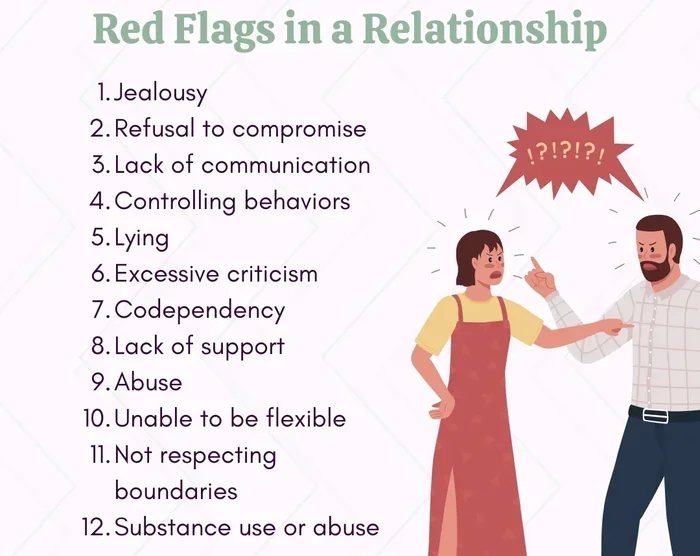
Spotting dating red flags early can save you from heartbreak and wasted time. This guide reveals 10 dating red flags that should send you running fast, so you can protect your emotional well-being. You will learn how to recognize toxic behavior, set firm boundaries, and trust your gut. Stay alert, stay safe, and choose partners who truly value you.
Finding love should feel exciting, not exhausting. Yet many people ignore early warning signs because they want to give someone a chance. That hope can quickly turn into heartbreak. Learning to spot dating red flags early helps you protect your peace and your future.
This guide breaks down 10 dating red flags that should send you running fast. Each sign comes with real examples and clear advice. You will learn how to read behavior, not just words. Most importantly, you will discover when to walk away before things get complicated.
Healthy relationships start with mutual respect, honesty, and clear communication. When those basics are missing, trouble follows. Pay attention to patterns, not isolated moments. Small red flags often grow into big problems. Let us dive into the warning signs you should never ignore.
Key Takeaways
- Trust your instincts: If something feels off, it probably is.
- Watch for inconsistency: Mixed signals often hide deeper issues.
- Respect is non-negotiable: Disrespect early on rarely improves.
- Control is a major warning sign: Jealousy and isolation are dangerous.
- Communication matters: Avoidance and stonewalling kill connection.
- Boundaries must be honored: Ignoring your limits shows lack of care.
- Run from manipulation: Guilt trips and gaslighting are emotional abuse.
📑 Table of Contents
- Why Recognizing Dating Red Flags Matters Early
- Red Flag One: Love Bombing and Over-the-Top Attention
- Red Flag Two: Disrespect and Contempt in Small Moments
- Red Flag Three: Controlling Behavior and Jealousy
- Red Flag Four: Poor Communication and Stonewalling
- Red Flag Five: Dishonesty and Broken Promises
- Red Flag Six: Emotional Unavailability and Avoidance
- Red Flag Seven: Inconsistency and Hot-and-Cold Behavior
- Red Flag Eight: Lack of Empathy and Self-Centeredness
- Red Flag Nine: Boundary Violations and Pressure
- Red Flag Ten: Manipulative Tactics and Guilt Trips
- Quick Tips for Spotting Red Flags Faster
- Common Mistakes People Make With Red Flags
- Expert Insights on When to Walk Away
- Conclusion
Why Recognizing Dating Red Flags Matters Early
Many people think love conquers all. That belief keeps them in unhealthy situations far too long. The truth is simpler. Your safety and happiness come first. Spotting dating red flags early saves you from emotional damage and wasted months.
Early dating is like a preview. It shows you how someone handles stress, conflict, and respect. If you see warning signs now, they will likely grow later. Waiting for someone to change rarely works. People show you who they are through their actions.
Listen to your gut. That quiet voice often notices things your mind tries to explain away. When you feel drained, confused, or constantly on edge, take it seriously. Your feelings are data. They tell you what is really happening.
Trust Your Instincts Over Hope
Hope is powerful, but it should not blind you. Many people stay because they believe they can fix someone. That mindset leads to disappointment. Instead, watch what happens when things get slightly difficult. Do they step up or step back?
Your instincts pick up on subtle cues. A quick heartbeat, tight chest, or constant second-guessing are signals. Do not ignore them. Trust your gut when it says something feels wrong. You do not need proof to protect yourself.
Patterns Tell the Real Story
One bad day is normal. A pattern of bad behavior is not. Look for repeats. Does this person cancel often? Do they dismiss your feelings? Do they make promises they never keep? Repetition reveals character.
Write down what you notice. A simple list helps you see the truth clearly. When you review it later, the picture becomes obvious. Consistent behavior matters more than grand gestures or sweet words.
Red Flag One: Love Bombing and Over-the-Top Attention
Sweet words feel amazing at first. But too much, too soon, is a classic warning sign. Love bombing happens when someone showers you with compliments, gifts, and intense affection very quickly. It feels flattering, but it is often a trap.
This behavior creates a false sense of closeness. The goal is to win your trust fast. Once you are hooked, the tone often shifts. You may feel confused when the warmth suddenly disappears. That whiplash is not love. It is manipulation.
Healthy connection grows at a steady pace. Real interest shows up through consistency, not overwhelming intensity. If someone pushes for quick commitment or says you are soulmates after a few dates, pause. Slow things down and watch how they respond.
Signs You Are Being Love Bombed
Look for these clear signals. They help you separate genuine interest from pressure.
- Constant texting and calling within hours of meeting
- Grand promises about a shared future too early
- Over-the-top gifts that feel disproportionate
- Rushing physical intimacy or exclusive labels
- Saying you complete them or fix their life
When these signs appear, take a step back. A respectful partner will honor your pace. They will not guilt you for needing time. Healthy dating moves forward without pressure.
Red Flag Two: Disrespect and Contempt in Small Moments
Respect is the foundation of every strong relationship. Without it, everything else crumbles. Disrespect does not always look like shouting. Often, it shows up in small, sneaky ways. Rolling eyes, mocking your interests, or dismissing your opinions are early warnings.
Contempt is especially dangerous. It signals superiority and lack of care. When someone treats you as less important, they are showing you their true character. Do not expect it to improve with time. Disrespect usually grows when it goes unchallenged.
Pay attention to how they talk about others too. rude comments about friends, family, or service staff reveal a lot. People who lack kindness in small moments rarely become gentle partners later. Mutual respect must be present from the start.
How Disrespect Shows Up Early
Watch for these subtle behaviors during your first weeks together.
- Interrupting you while you speak
- Making fun of your hobbies or goals
- Ignoring your boundaries after you state them
- Using sarcasm to belittle your feelings
- Acting annoyed when you need time or space
>
If you notice these patterns, speak up once. See how they respond. A good partner listens and adjusts. A toxic one deflects, blames, or minimizes you. That reaction tells you everything.
Red Flag Three: Controlling Behavior and Jealousy
Control often hides behind care. Someone may say they worry about you, but the real goal is power. They want to decide who you see, what you wear, and how you spend your time. That is not love. That is controlling behavior.
Jealousy can feel intense and flattering at first. But constant jealousy is exhausting. It demands constant reassurance. It punishes you for normal friendships. Over time, it shrinks your world and your confidence. You start walking on eggshells to avoid conflict.
Healthy partners trust you. They encourage your independence. They do not need to monitor your phone or track your location. Freedom and trust go hand in hand. If someone tries to isolate you, take it seriously. Controlling relationships rarely become healthy without major change.
Warning Signs of Control
Control can be subtle or obvious. Notice these common patterns.
- Asking where you are all the time
- Getting angry when you spend time with friends
- Telling you what to wear or how to act
- Checking your messages without permission
- Making you feel guilty for having a life outside them
Set a clear boundary and watch the response. A respectful person will back off. A controlling person will push harder. That pushback is a major reason to leave. Your independence matters.
Red Flag Four: Poor Communication and Stonewalling
Good relationships need open communication. When problems arise, you need a partner who talks, listens, and works things out. If someone shuts down, walks away, or refuses to engage, that is stonewalling. It blocks resolution and builds resentment.
Avoidance is another common issue. Some people dodge hard conversations entirely. They change the subject, make jokes, or go silent. This leaves you feeling unheard and frustrated. Over time, small issues pile up and become big wounds.
You deserve a partner who can handle discomfort. Conflict is normal. What matters is how it is handled. Calm discussion, active listening, and compromise are signs of maturity. Healthy communication keeps relationships strong.
What Poor Communication Looks Like
Notice how this person handles disagreement. These signs matter.
- Giving the silent treatment after a disagreement
- Refusing to discuss your concerns
- Blaming you for every problem
- Dismissing your feelings as overreactions
- Changing the subject when things get serious
Try bringing up a small issue calmly. See if they stay present. If they shut down or lash out, you have your answer. You cannot build a future with someone who will not talk. Clear communication is non-negotiable.
Red Flag Five: Dishonesty and Broken Promises
Trust is the glue of any relationship. When someone lies, even about small things, it cracks that glue. Dishonesty creates doubt. You start questioning everything. That stress is not sustainable.
Broken promises also matter. If someone repeatedly says they will call, show up, or change, but never does, pay attention. Words mean little without action. A pattern of empty promises shows a lack of reliability and respect.
Some people lie to impress or avoid discomfort. Others lie to hide bigger issues. Either way, honesty must be the baseline. If you catch someone in a lie, do not rationalize it. Integrity is essential from day one.
How to Spot Dishonesty Early
Look for inconsistencies and deflection. These clues help you see the truth.
- Stories that change each time they tell them
- Vague answers to simple questions
- Getting defensive when asked for clarity
- Promises that never turn into action
- Blaming others for their own mistakes
Keep your eyes on behavior. A trustworthy person welcomes transparency. They do not make you feel crazy for asking simple questions. When honesty is missing, running from toxic relationships is the smart choice.
Red Flag Six: Emotional Unavailability and Avoidance
You can meet someone charming and still feel stuck. That happens when a person is emotionally unavailable. They keep things light, avoid depth, and resist commitment. You may feel like you are dating a wall.
This pattern leaves you hungry for connection. You push for closeness while they pull away. The cycle is draining. It also creates confusion. You start blaming yourself for the distance, but the real issue is their avoidance.
Some people are unavailable because of past pain. That does not make them bad, but it does mean they are not ready. You cannot heal someone by loving them harder. They must want to show up. Emotional availability is a must for a real partnership.
Signs They Are Not Ready
Watch for these distance-creating behaviors.
- Refusing to define the relationship for months
- Keeping conversations surface-level only
- Avoiding talks about feelings or the future
- Disappearing for days without explanation
- Saying they are not ready for anything serious
If this sounds familiar, do not wait around. You can be kind and still walk away. Your need for connection is valid. Choose someone who meets you halfway. Healthy love requires presence.
Red Flag Seven: Inconsistency and Hot-and-Cold Behavior
Mixed signals are confusing and exhausting. One week they are attentive and warm. The next, they are distant and cold. This hot-and-cold behavior keeps you off balance. You spend energy trying to figure out where you stand.
Inconsistency often reflects inner conflict or poor character. Sometimes the person enjoys the chase. Other times they fear intimacy. Either way, you pay the price. Stability matters. You need a partner whose actions match their words over time.
Do not mistake intensity for reliability. A few great days do not erase a pattern of disappearance. Look at the full picture. If their effort comes in bursts, you will feel anxious. Consistent effort is what builds trust.
Why Mixed Signals Hurt
Uncertainty damages your confidence. These effects are common.
- Constantly analyzing their texts and tone
- Feeling relieved when they return, then worried again
- Changing your behavior to win their attention
- Ignoring your own needs to keep them close
- Doubting your judgment and self-worth
Break the cycle by stepping back. Let their actions show you the truth. If they want you, they will be clear. If they do not, you have your answer. Walking away from mixed signals protects your peace.
Red Flag Eight: Lack of Empathy and Self-Centeredness
Empathy is the ability to understand and care about another person’s feelings. Without it, relationships feel lonely. A self-centered partner turns every conversation back to themselves. Your joys and struggles become background noise.
This imbalance creates resentment. You give support, but receive little in return. When you need comfort, they minimize your pain or shift focus. Over time, you feel invisible. That is not the basis for a healthy bond.
Kindness matters in daily life. Notice how they respond when you are tired, sick, or upset. Do they show care, or do they make it about themselves? Empathetic partners celebrate your wins and hold space for your hard days.
How Self-Centeredness Appears
These behaviors reveal a one-sided dynamic.
- Interrupting to talk about their own experiences
- Showing little interest in your life or feelings
- Expecting you to adjust to their schedule always
- Forgetting important details you shared
- Rarely apologizing or taking responsibility
A relationship should feel like a team. If you are always giving, the scale is off. Speak up about your needs. If nothing changes, consider leaving. Mutual care is the heart of love.
Red Flag Nine: Boundary Violations and Pressure
Boundaries are the rules you set to protect your time, body, and energy. When someone ignores them, they show disrespect for your autonomy. Boundary violations can be physical, emotional, or digital. They tell you that your comfort does not matter to them.
Pressure is a common form of violation. They may push you to move faster, share more, or do things you are not ready for. They might mock your limits or call you uptight. That is not cute. It is coercive. Healthy partners respect a clear no.
Your boundaries are valid, even if someone does not like them. You do not need to justify your needs. If a person keeps crossing your lines, believe their actions. Respecting boundaries is a basic sign of character.
Common Boundary Violations
Notice when these lines get crossed.
- Pushing for physical intimacy after you say no
- Showing up uninvited after you ask for space
- Sharing your private information with others
- Ignoring your request to stop a certain behavior
- Guilt-tripping you for having personal time
Stand firm and observe the result. A good person will adjust. A disrespectful person will argue or punish you. That reaction is a clear reason to leave. Your limits deserve protection.
Red Flag Ten: Manipulative Tactics and Guilt Trips
Manipulation is one of the most serious warning signs. It twists your thinking and controls your choices. Guilt trips are a common tool. Someone may act hurt or angry to make you comply. They want you to feel responsible for their emotions.
Gaslighting is another dangerous tactic. It makes you question your memory, perception, or sanity. You may start believing you are too sensitive or wrong. That erosion of confidence is intentional. It keeps you dependent and confused.
You deserve a partner who communicates directly. Manipulation replaces honesty with pressure. It creates fear, not trust. If you feel constantly confused or blamed, step back. Emotional manipulation is a clear signal to run.
Signs You Are Being Manipulated
These patterns reveal coercive control.
- Making you feel guilty for setting limits
- Denying things they said or did
- Using your insecurities against you
- Isolating you from supportive friends or family
- Making you responsible for their mood
Trust your reality. Write things down if you need to. Talk to someone you trust. Manipulation thrives in isolation. Leaving a manipulative relationship is hard, but it is the right move for your well-being.
Quick Tips for Spotting Red Flags Faster
You do not need to be perfect at this. You just need to pay attention. These simple habits help you see clearly.
- Slow the pace and watch consistency
- Notice how they handle a no
- Pay attention to how you feel after dates
- Ask trusted friends for honest feedback
- Trust repeated behavior over sweet words
Take your time. Real connection does not rush. When you slow down, warning signs become easier to spot. Dating wisely means protecting your heart while staying open to love.
Common Mistakes People Make With Red Flags
Even smart people make mistakes here. Awareness helps you avoid them.
- Rationalizing bad behavior as stress or nerves
- Waiting for promises instead of watching actions
- Ignoring your gut to keep the peace
- Believing you can change someone with love
- Comparing current behavior to past trauma, not healthy standards
Do not negotiate with your boundaries. Do not hope someone into being ready. Choose clarity over comfort. Healthy standards save you from long pain later.
Expert Insights on When to Walk Away
Relationship experts agree on one thing: early patterns predict later reality. If someone shows you who they are, believe them. You do not need a dramatic crisis to leave. A steady stream of small warnings is enough.
Walking away is not failure. It is self-respect. It frees you to find someone who matches your values. The right partner will not make you constantly prove your worth. They will show up with honesty, kindness, and consistency.
Use this simple rule: if you feel afraid, drained, or confused most of the time, pay attention. Those feelings are information. They tell you the relationship is not safe for you. Leaving early is often the kindest choice you can make.
Conclusion
Love should feel steady, safe, and uplifting. When you spot dating red flags early, you give yourself the chance to choose better. This guide covered 10 dating red flags that should send you running fast, from love bombing to manipulation. Each warning sign points to a deeper issue that rarely fixes itself.
Your time, heart, and peace are precious. Do not hand them to someone who cannot honor them. Watch actions, trust your instincts, and set clear boundaries. The right person will respect your limits and meet you with consistency. Keep your standards high, because you deserve a love that feels good from the start.
Frequently Asked Questions
What are the most common dating red flags to watch for early?
The most common dating red flags include love bombing, disrespect, controlling behavior, poor communication, and dishonesty. Watch for patterns, not one-off moments. If someone consistently makes you feel confused or small, take it seriously.
How do I know if someone is love bombing me?
Love bombing feels intense and fast. You may get constant attention, big promises, and overwhelming affection very soon. A healthy partner slows down and lets trust build naturally. If things feel rushed, pause and observe.
Is jealousy always a red flag in dating?
A little jealousy can be normal, but constant jealousy is a warning sign. It often leads to control, isolation, and pressure. Healthy relationships are built on trust, not monitoring or guilt. If jealousy limits your freedom, that is a problem.
Should I give someone a second chance if they show red flags?
One mistake can happen, but repeated red flags are a pattern. Give clear feedback once, then watch the response. If they dismiss you or repeat the behavior, it is wise to move on. Your standards matter.
What should I do if I feel emotionally drained after dates?
Pay attention to that feeling. Emotional drain often signals mismatched values, avoidance, or manipulation. Reflect on what happened and whether your needs were respected. If the pattern continues, consider stepping away.
When is the right time to walk away from a new relationship?
Walk away when your boundaries are ignored, trust is broken, or you feel unsafe. You do not need to wait for things to get worse. If someone shows you repeated warning signs, trust that information and protect your well-being.
