
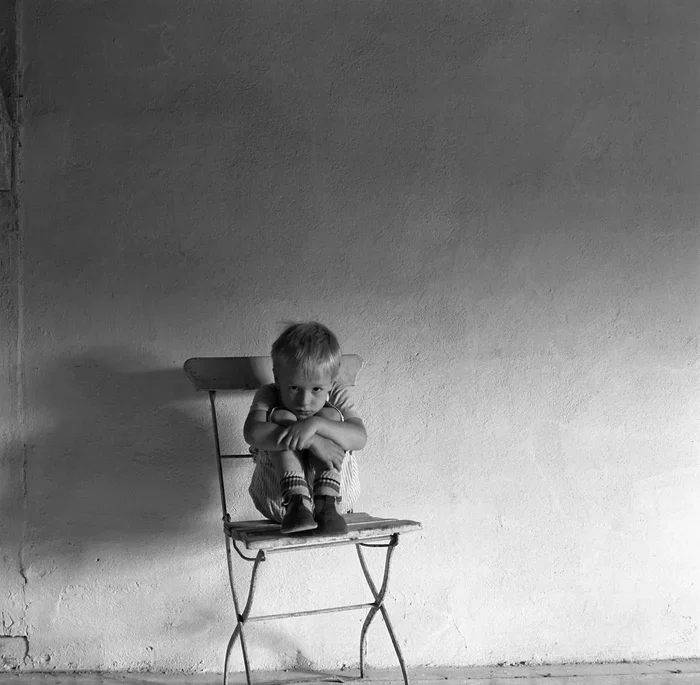
If you recognize these signs you probably had an unhappy childhood, you are not alone, and healing is absolutely possible. Many adults carry hidden emotional patterns from their early years without even realizing it. This guide breaks down the most common childhood trauma indicators and shows you how to start your healing journey. You will learn to spot these patterns, understand their roots, and take simple steps toward emotional freedom.
Key Takeaways
- Early emotional patterns shape adult behavior: Childhood experiences often show up as relationship struggles, self-doubt, or emotional shutdown later in life.
- Childhood trauma indicators are rarely obvious: Many adults mistake survival habits for personality traits, missing the root cause of their pain.
- Attachment wounds affect intimacy and trust: Unhappy childhoods often create anxious or avoidant relationship patterns that feel confusing in adulthood.
- Healing starts with awareness and self-compassion: Recognizing your patterns is the first step toward breaking cycles and building healthier habits.
- Professional support accelerates recovery: Therapy, support groups, and consistent self-care help rewire old emotional responses over time.
- You are not broken, just adapting: Your coping strategies once protected you, but they can be gently replaced with healthier tools.
📑 Table of Contents
- Understanding If You Recognize These Signs You Probably Had An Unhappy Childhood
- Common Childhood Trauma Indicators You May Notice Today
- How Early Emotional Wounds Shape Adult Relationships
- Signs of an Unhappy Childhood That Show Up in Daily Life
- Healing From Childhood Wounds: Practical Steps That Help
- Common Mistakes People Make When They Recognize These Patterns
- Expert Insights and Key Takeaways for Your Healing Journey
Understanding If You Recognize These Signs You Probably Had An Unhappy Childhood
Growing up in a home that felt cold, chaotic, or emotionally unsafe leaves quiet marks on your heart. Many adults carry those marks without knowing where they came from. You might feel overly sensitive, struggle with close relationships, or constantly expect the worst. These reactions are not character flaws. They are often survival strategies your younger self learned to stay safe.
When you look back at your early years, you may notice patterns that do not match your current life. You might avoid conflict at all costs, or you might chase approval from everyone around you. You could feel deeply uncomfortable with silence, or you might shut down the moment emotions rise. These are common childhood trauma indicators that show up in adult life. The good news is that awareness changes everything.
This guide will help you spot the quiet signs of an unhappy childhood and understand why they still affect you. We will walk through emotional patterns, relationship habits, and simple ways to begin healing. You will also find practical tips, common mistakes to avoid, and clear answers to frequent questions. If you have ever wondered why certain situations feel so heavy, you are in the right place.
Common Childhood Trauma Indicators You May Notice Today
Unhappy childhoods rarely leave obvious scars. Instead, they shape how you think, feel, and react. Many people grow up believing their coping habits are just part of who they are. In reality, these habits often began as protection. Below are some of the most common signs that your early environment may have been emotionally difficult.
Constant Self-Criticism and Perfectionism
Do you hold yourself to impossible standards? Many adults who grew up in critical or unpredictable homes become their own harshest judges. You may feel like you must earn love through achievement, or you may panic at the thought of making mistakes. This perfectionism often comes from a childhood where approval felt fragile or conditional. Over time, it can lead to burnout, anxiety, and a deep fear of failure.
Difficulty Trusting Your Own Feelings
If your emotions were dismissed, mocked, or ignored as a child, you may struggle to trust them now. You might question your reactions, apologize for having needs, or feel guilty for being upset. This emotional invalidation teaches a child to doubt their inner voice. As an adult, you may rely heavily on others to tell you what is normal or reasonable. Reconnecting with your feelings takes patience, but it is absolutely possible.
Hyper-Vigilance and Overthinking
Some people grow up scanning rooms for danger before they even feel safe. If your home life was tense, unpredictable, or filled with conflict, your nervous system may have learned to stay on high alert. Today, that can look like overthinking every text, reading too much into small comments, or feeling exhausted by normal social situations. Your body is trying to protect you, even when there is no real threat.
People-Pleasing and Difficulty Saying No
When a child learns that their needs cause trouble, they often become expert caretakers. You may say yes when you want to say no, or you may feel responsible for other people’s emotions. This people-pleasing habit can look like kindness, but it often comes from fear. You might worry that setting boundaries will cause rejection or conflict. Learning to honor your limits is a powerful step toward healing.
How Early Emotional Wounds Shape Adult Relationships
Relationships often reveal our oldest wounds. The way you connect, argue, withdraw, or cling can trace back to how love felt in your childhood home. If love felt inconsistent, conditional, or unsafe, your adult relationships may feel confusing or exhausting. You might crave closeness but pull away when it gets real. Or you might chase unavailable people because familiar pain feels safer than unknown stability.
Understanding these patterns does not mean blaming yourself. It means seeing the blueprint you were given and choosing a new one. Many adults find it helpful to explore attachment wounds, emotional needs, and communication habits. If you want to understand how early experiences affect intimacy, you may find it useful to read about signs your man is not sexually attracted to you, since confusion about connection often overlaps with deeper emotional wounds. You can also explore signs she’s not into you when relationship uncertainty triggers old fears of rejection.
Anxious Attachment and Fear of Abandonment
If love felt unpredictable, you may have developed a strong fear of being left behind. You might need frequent reassurance, overanalyze small changes in tone, or feel panicked when someone pulls away. This anxious pattern often begins when a caregiver was emotionally unavailable or inconsistent. As an adult, you may mistake intensity for intimacy. Learning to self-soothe and build internal security can slowly reduce that fear.
Avoidant Patterns and Emotional Shutdown
Some people respond to early emotional pain by shutting down. If vulnerability felt dangerous or led to disappointment, you may have learned to stay independent and detached. You might pride yourself on not needing anyone, even when you deeply do. This avoidant pattern can protect you from hurt, but it also blocks real connection. Healing often means practicing small moments of openness without expecting catastrophe.
Repeating Old Relationship Dynamics
Unhappy childhoods can create a strange comfort with familiar pain. You may find yourself drawn to people who feel emotionally distant, critical, or unpredictable. That does not mean you are broken. It means your nervous system recognizes a pattern it already knows. Once you see this pattern clearly, you can start choosing differently. Awareness gives you the power to interrupt the cycle.
Signs of an Unhappy Childhood That Show Up in Daily Life
Childhood wounds do not only appear in relationships. They also show up in everyday habits, work life, and the way you treat yourself. You may notice these signs in small moments throughout your day. They can feel subtle, but they often carry a lot of emotional weight.
Struggles With Rest and Self-Care
If you grew up in a home where survival felt more important than comfort, rest may feel guilty or unsafe. You might keep pushing even when you are tired, or you may feel uneasy when nothing is wrong. Many adults with unhappy childhoods treat downtime like a reward they have not earned yet. This can lead to chronic stress and emotional exhaustion.
Difficulty Celebrating Wins
Some people feel awkward when good things happen. If praise was rare, sarcastic, or followed by disappointment, success may feel suspicious. You might downplay your achievements, wait for the other shoe to drop, or quickly move to the next task. This habit can rob you of joy and make progress feel meaningless.
Strong Reactions to Small Conflicts
A minor disagreement can feel huge if your childhood home was volatile. You may freeze, flee, or become defensive when tension rises. Your body may react as if the stakes are life-or-death. This is a common sign that your nervous system learned to treat conflict as a threat. Gentle exposure to healthy disagreement can help retrain that response.
Healing From Childhood Wounds: Practical Steps That Help
Healing does not mean erasing the past. It means learning how to respond to yourself with more care, clarity, and consistency. You can build new emotional habits even if old ones feel deeply rooted. The goal is not to become perfect. The goal is to become safer inside your own life.
Start With Awareness, Not Judgment
Notice your reactions without attacking yourself for having them. When you feel anxious, defensive, or shut down, ask what your body is trying to protect. This simple pause creates space between the trigger and your response. Over time, that space becomes freedom. Awareness is the foundation of every healing step that follows.
Practice Small Boundaries
Boundaries are not punishments. They are ways of telling yourself that your needs matter. Start small. Say no to one extra task. Take a break without over-explaining. Leave a conversation that feels draining. Each small boundary teaches your nervous system that you can protect yourself without disaster.
Build a More Compassionate Inner Voice
Many people with unhappy childhoods carry an inner critic that sounds like an old authority figure. You can soften that voice by practicing kinder self-talk. Try speaking to yourself the way you would speak to a friend who is hurting. This may feel unnatural at first, but repetition matters. Compassion is a skill, not a personality trait.
Seek Support That Feels Safe
Healing often moves faster with the right support. A therapist, counselor, or trusted support group can help you untangle old patterns without shame. If you are navigating relationship pain, you may also find it helpful to look at 10 signs he’s done with you when fear of rejection starts shaping your choices. For deeper emotional healing, reading about emotional needs you should never ignore in a relationship can help you identify what you need to feel secure.
Common Mistakes People Make When They Recognize These Patterns
When people first notice childhood patterns, they often react in ways that slow healing. That is normal. Awareness can feel overwhelming, and it is easy to misread your own pain. Avoiding these common mistakes can help you move forward with more clarity.
Trying to Fix Everything at Once
Healing is not a race. When you discover old wounds, it is tempting to overhaul your entire life overnight. That approach usually leads to burnout. Pick one pattern, one habit, or one relationship dynamic to focus on first. Small, steady changes create lasting growth.
Confusing Self-Protection With Isolation
Some people respond to pain by cutting everyone off. Distance can feel safe, but too much isolation keeps wounds fresh. Healthy healing includes connection, even if it is gradual. You do not need to trust everyone. You just need a few safe spaces where you can practice being real.
Assuming Awareness Alone Will Heal You
Noticing patterns is powerful, but it is only the beginning. Real change comes from repeated new experiences. That means practicing boundaries, tolerating discomfort, and learning new ways to soothe yourself. Insight opens the door, but action walks you through it.
Expert Insights and Key Takeaways for Your Healing Journey
If you recognize these signs you probably had an unhappy childhood, the most important thing to remember is this: your reactions made sense once. They helped you survive a difficult environment. Now you have the chance to update those survival strategies. Healing is not about becoming someone else. It is about giving your present self the care your younger self did not get.
Many adults find that the work becomes easier when they focus on consistency rather than intensity. A few minutes of self-reflection each day can do more than a perfect breakthrough once a month. Pay attention to your body, your boundaries, and your patterns. Over time, you will notice more room to breathe, choose, and rest.
Here are the most important points to carry with you:
- Your coping habits were adaptive, not defective. They helped you get through hard years, even if they no longer serve you.
- Patterns show up in relationships, work, and self-talk. Look for repeated reactions, not just dramatic memories.
- Healing works best with patience and repetition. Small daily choices reshape emotional habits more reliably than quick fixes.
- Boundaries and self-compassion go hand in hand. You protect yourself better when you also speak kindly to yourself.
- Support matters. Safe relationships and professional guidance can help you heal without carrying the burden alone.
- You can build a different future. Recognizing the signs is not the end of the story. It is the beginning of a healthier one.
If you are ready to keep exploring your emotional patterns, you may also benefit from reading signs he loves you deeply when you want to distinguish real security from familiar anxiety. Understanding what healthy connection feels like can make it easier to recognize old wounds without letting them define your future.
Frequently Asked Questions
What are the most common signs you probably had an unhappy childhood?
Some of the most common signs include chronic self-criticism, people-pleasing, trouble resting, fear of conflict, and difficulty trusting your own emotions. These patterns often show up because your nervous system learned to adapt to an unsafe or unpredictable home. Recognizing them is the first step toward healing.
Can an unhappy childhood affect adult relationships?
Yes, it can affect how you attach, trust, and handle intimacy. You may become anxious, avoidant, or drawn to familiar but unhealthy dynamics. These patterns are learned responses, not permanent flaws, and they can change with awareness and practice.
How do I know if my childhood was emotionally unhappy?
You may notice that small stressors trigger big reactions, or that you struggle with guilt, perfectionism, or emotional shutdown. You might also feel like you had to earn love or keep the peace at your own expense. Reflecting on these patterns can help you understand your early environment more clearly.
Is it possible to heal from childhood emotional wounds?
Yes, healing is very possible, especially when you focus on awareness, self-compassion, and consistent new habits. Therapy, supportive relationships, and boundary practice can all help rewire old responses. Healing is usually gradual, but it can be deeply life-changing.
Why do I feel guilty when I rest or say no?
That guilt often comes from learning that your needs were inconvenient or that love depended on your usefulness. If rest felt unsafe or selfish in your early home, your body may still treat it that way. Practicing small boundaries can slowly reduce that guilt over time.
When should I consider getting professional support?
Consider support if these patterns are affecting your relationships, work, sleep, or sense of safety. A therapist can help you understand your triggers and build healthier coping tools without shame. You do not need to wait until things feel unmanageable to ask for help.