
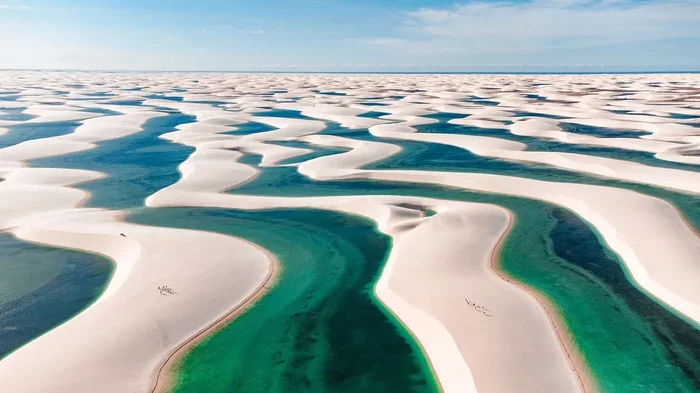
Lencois Maranhenses is the most unique desert you will ever visit because it breaks every rule you know about sandy landscapes. Instead of dry heat and empty dunes, you find vast white sands filled with crystal-clear rainwater lagoons. This magical place in Brazil feels like a dream where the sky meets the earth in the most beautiful way. You will never forget the feeling of walking on soft powder while turquoise water shimmers beside your feet.
This is a comprehensive guide about Why Lencois Maranhenses Is The Most Unique Desert You Will Ever Visit.
Key Takeaways
- White Dunes and Blue Water: The landscape features endless white sand dunes interrupted by seasonal rainwater lagoons.
- Seasonal Wonder: The best time to visit is after the rainy season when the lagoons are full and vibrant.
- Unique Ecosystem: Despite looking like a typical desert, this area supports fish and diverse wildlife in the water.
- Adventure Activities: Visitors can swim, hike, sandboard, and explore the terrain on 4×4 tours.
- Location Matters: It is located in northeastern Brazil, requiring some travel planning to reach properly.
- Photography Gold: The contrast between white sand and blue water makes it a top spot for photographers.
- Respect Nature: Travelers should pack out trash and respect the fragile environment during their stay.
[FEATURED_IMAGE_PLACEHOLDER]
Why Lencois Maranhenses Is The Most Unique Desert You Will Ever Visit
Have you ever imagined a desert that fills with water? Most people think of hot, dry, and empty places when they hear the word desert. But Lencois Maranhenses changes everything you thought you knew. This special place in Brazil looks like a white ocean of sand. Yet, for part of the year, it turns into a maze of blue lagoons. It is a place where the ground feels soft under your feet. The sky seems to go on forever without any clouds to block the sun. Walking here feels like stepping onto another planet.
Many travelers search for unique spots to visit. They want something they cannot see anywhere else. This location offers that rare experience. You can hike over tall dunes in the morning. Then, you can swim in cool water by the afternoon. The change in the landscape is shocking and beautiful. It is not just a beach. It is not just a desert. It is a mix of both that happens naturally. If you love nature, you will understand why this place is so special. It feels raw and real. Nothing here is built by humans. Everything you see comes from wind and rain.
The Visual Magic of White Dunes and Lagoons
When you first see the landscape, you might not believe your eyes. The sand is incredibly white and bright. It shines under the tropical sun. The dunes rise up like waves frozen in time. They stretch out as far as you can see. But the real magic happens when the rain comes. During the rainy season, water collects in the valleys between the dunes. These pools form natural lagoons. The water is clear and fresh. It reflects the blue sky above.
The contrast is striking. You have bright white sand next to deep blue water. Sometimes the water looks green because of the plants below. This color mix creates a stunning view. Photos do not always capture how big it feels. You have to stand there to understand the scale. The wind shapes the dunes every day. So the landscape changes slightly all the time. No two visits look exactly the same. This constant change makes it feel alive. It is not a static museum piece. It is a living, breathing environment.
What Makes the Water So Clear?
You might wonder why the water looks so pure. The sand acts like a filter. It cleans the rainwater as it sinks down. There is very little dirt or mud in the lagoons. This keeps the water transparent. You can see the bottom in many places. Small fish sometimes swim in these pools. It seems impossible for fish to live here. Yet, they survive when the water fills up. They often come from nearby rivers or get carried by birds. When the dry season returns, some lagoons disappear. The fish move or wait for the next rain. This cycle is part of the natural rhythm here.
Colors That Change With the Sun
The light here is very strong. It changes how everything looks throughout the day. In the morning, the sand looks soft and pinkish. At noon, it becomes stark white. In the late afternoon, the shadows grow long. The dunes look like golden waves. The water changes color too. It can look dark blue in the shadows. It can look bright turquoise in the sun. This shift makes photography very interesting. You can take different pictures of the same spot. Each hour offers a new view. This is why many photographers love this place. It gives them endless options for their art.
Understanding the Seasonal Cycles
Timing is everything when you plan a trip here. You cannot visit whenever you want and expect the same experience. The weather drives the whole show. There are two main seasons to know. The first is the rainy season. This happens from January to June. The rain fills the lagoons. This is when the landscape looks most amazing. The water is high and fresh. The second season is the dry season. This runs from July to December. During this time, the rain stops. The water evaporates. Many lagoons shrink or vanish. The desert looks more like a traditional sandy field.
Most people prefer to visit during the transition. This is usually around June or July. The water is still there, but the rain is slowing down. You get the best of both worlds. You can swim without too much storm risk. You also see the full beauty of the lagoons. If you go too late in the year, you might find only dry sand. That can still be nice, but it is different. You miss the blue water element. So, planning your dates is crucial. You want to catch the landscape at its peak.
When to Plan Your Trip
Experts suggest aiming for the months after the heavy rains. April and May are often great choices. The lagoons are full. The weather is warm but not too hot. You can hike comfortably. June is also popular. However, it gets busier because many people know the secret. If you want quiet, try the edges of the season. Just remember that less rain means less water. You have to balance beauty with comfort. Check the weather forecasts before you book. Local guides know the current conditions best. They can tell you which lagoons are full right now.
How the Landscape Transforms
The change is slow but steady. You might not notice it day to day. But over a few weeks, the difference is clear. Water levels drop. Sand shifts into new shapes. Plants might appear in the wetter areas. Then they disappear when the water goes. This cycle shows how resilient nature is. Life finds a way even in hard places. The wind also plays a big role. It moves the sand grains constantly. It builds up some dunes and erodes others. This movement keeps the terrain fresh. It prevents the land from becoming static. You are seeing a snapshot of a moving picture.
Adventure Activities for Every Traveler
You do not just come here to look. You come to move and play. There are many ways to enjoy the terrain. Hiking is the most common activity. You can walk over the dunes without any special gear. The sand is soft, so it takes some effort. But the view rewards you. You can climb high peaks to see the whole area. Swimming is another favorite. The lagoons are calm and safe. The water is refreshing in the heat. Some lagoons are deep enough for diving. Others are shallow and perfect for wading.
Sandboarding is also popular. You can slide down the dunes on a board. It feels like snowboarding but on warm sand. It is fun and fast. You can also take 4×4 tours. These vehicles drive over the rough terrain. They take you to remote spots. This saves your energy for swimming. You can also go kayaking in some areas. Paddling through the lagoons is peaceful. You can see birds and fish up close. There is something for everyone here. Whether you want hard exercise or relaxation, it works.
Swimming in Natural Lagoons
Swimming here feels different from a pool. The water is natural and clean. There are no chemicals. The temperature is perfect for cooling off. You can jump in after a long hike. The sand at the bottom is soft. You do not need shoes. Many people spend hours in the water. They float and look at the sky. The silence is broken only by wind and water. It is a very calming experience. You feel small against the big landscape. This helps you relax your mind. It is a great place to escape stress.
Hiking and Exploring the Dunes
Hiking requires some preparation. The sun is very strong here. You should wear a hat and sunscreen. Bring plenty of water to drink. The sand makes walking harder than solid ground. Your feet sink in a bit. This burns more energy. But the climb is worth it. Reaching the top gives you a wide view. You can see where you want to go next. You can spot the best lagoons from above. It helps to go with a guide at first. They know the safe paths. They can show you hidden spots. Once you know the way, you can explore on your own.
Wildlife and Nature in a Sandy World
It is hard to believe life thrives here. The sand looks empty. But look closer. You will find small creatures. Lizards scurry across the hot sand. They know how to hide from the heat. Birds fly overhead looking for food. Some birds nest in the few plants that grow here. The water lagoons hold more life. Small fish swim in the pools. Crabs might hide in the wet sand. This ecosystem is delicate. It depends on the rain cycle. If the rain fails for years, the life struggles. But usually, the cycle holds strong.
Plants are rare but present. You might see some grass in the wetter zones. These plants help hold the sand in place. They provide shade for small animals. They are tough and adapted to the salt and sand. Seeing them makes you appreciate the resilience of nature. Everything here has to work hard to survive. There is no easy water source. There is no rich soil. Yet, life persists. This makes the wildlife sightings special. You feel like you are discovering something secret. It adds depth to the visit beyond just the views.
Fish in the Desert Water
Finding fish in a desert is strange. But here, it is normal. These fish are often small and tough. They survive in the isolated pools. When the water dries up, their fate is uncertain. Some eggs might survive in the mud. Others might get moved by animals. Scientists study this to understand adaptation. For visitors, it is just a wonder. You might see a shadow move in the water. You realize you are sharing the space with living things. It makes the place feel more connected. It is not just scenery. It is a habitat.
Protecting the Fragile Environment
Because the ecosystem is fragile, you must be careful. Do not leave trash behind. Plastic harms the animals and the water. Do not take sand or stones as souvenirs. Leave everything as you found it. Respect the wildlife. Do not chase the animals. Keep your distance from nesting birds. Use biodegradable sunscreen if you can. Chemicals can hurt the water quality. Travel agencies often teach visitors these rules. Following them helps keep the place beautiful. We all want this place to last for future generations. Your small actions matter here.
Practical Tips for Your Journey
Getting here takes some planning. It is not a simple trip to a city center. The location is in northeastern Brazil. You need to fly to a nearby hub first. Then you take a boat or a car to the park. Roads can be sandy and rough. A 4×4 vehicle is often best. You can hire drivers who know the route. They handle the tricky parts. Accommodation ranges from simple lodges to comfortable hotels. Book early if you travel in the peak season. Rooms fill up fast. You should also pack light clothes. The heat is intense during the day.
Bring good shoes for hiking. Sandals are okay for the water, but shoes help on the dunes. A backpack is useful for carrying water and snacks. Do not forget your camera. You will want many photos. Sunglasses help protect your eyes from the glare. The white sand reflects a lot of light. It can be blinding at noon. Plan your activities for morning or late afternoon. This avoids the strongest heat. Listen to your guide about safety. They know the weather patterns. They know which areas are safe to walk.
Getting There and Getting Around
Start by flying to Sao Luis. This is the main city nearby. From there, you can take a boat down the river. The boat ride is scenic and relaxing. You see the mangrove forests on the way. Or you can take a land transfer. This takes longer but offers different views. Once you arrive, local tours are available. You can join a group or hire a private driver. Groups are cheaper and social. Private tours give you more freedom. Choose what fits your style. Make sure your transport is reliable. You do not want to get stuck in the sand.
Packing Essentials for the Heat
Heat is the main challenge. You need to stay hydrated. Drink water even if you are not thirsty. Wear light fabrics like cotton or linen. They breathe better. Avoid heavy jeans or thick materials. Bring a rain jacket just in case. Showers can happen suddenly. They cool you down quickly. A towel is useful for drying off. You might get wet from swimming or rain. Cash is also important. Some places do not take cards. Have small bills for tips and snacks. Being prepared makes the trip smooth.
Photography Tips for Capturing the Beauty
This place is a gift for photographers. The light is your best friend. Use the golden hour for the best shots. This is the time just after sunrise or before sunset. The light is soft and warm. It makes the sand glow. Avoid shooting at noon if you can. The harsh shadows can be difficult. Use a polarizing filter to cut the glare. This helps show the water color better. It reduces the reflection on the surface. You can see into the water more clearly.
Composition is key. Use the dunes as leading lines. They guide the eye through the photo. Look for contrasts. Put a person in the frame to show scale. The dunes are huge, so people look small. This emphasizes the size of the landscape. Try different angles. Shoot from low down near the water. Shoot from high up on the dunes. Each angle tells a different story. Do not forget to breathe. Take time to enjoy the moment. Do not just look through the lens. Experience the view with your own eyes too.
Best Angles and Lighting
Look for reflections in the water. They double the beauty of the sky. Find a calm lagoon for this. Wind can make the water choppy. Wait for a calm moment. Use the shadows of the dunes. They create patterns on the sand. These patterns look like art. You can fill the frame with texture. Black and white photos also work well here. They highlight the shapes and shadows. Color is great, but contrast is powerful. Experiment with both styles. You will find your favorite look.
Capturing the Scale of the Landscape
It is hard to show how big it is. Photos can make it look small. Include something familiar for scale. A hat, a person, or a boat works. This gives the viewer a reference point. It helps them understand the vastness. Wide-angle lenses are useful here. They capture more of the scene. But do not forget the details. Zoom in on the sand grains. Zoom in on the water ripples. Small details tell the story of the place. Mix wide shots with close-ups. This gives a complete view of your experience.
Conclusion
Lencois Maranhenses is truly one of a kind. It defies what we expect from a desert. It offers water where we expect dry sand. It offers life where we expect emptiness. This unique mix creates a memory you will keep forever. The white dunes and blue lagoons stay in your mind. You think about the power of nature. You think about how rain and wind shape the earth. It is a place that humbles you. It also excites you with adventure. You can swim, hike, and explore freely.
If you love travel, add this to your list. It is worth the effort to get there. The journey is part of the fun. The destination is the reward. Just remember to plan your timing well. Respect the environment while you are there. Take photos, but also put the camera down. Feel the sand and the water. Let the silence wash over you. This is why Lencois Maranhenses is the most unique desert you will ever visit. It changes how you see the world. It shows you beauty in unexpected places.
Frequently Asked Questions
Is Lencois Maranhenses actually a desert?
It looks like a desert because of the white sand dunes. However, it is not a true desert because it gets enough rain to fill lagoons. It is a unique coastal sand field.
What is the best time of year to visit?
The best time is between June and September. This is when the lagoons are full from the rainy season. The weather is also drier and nicer for hiking.
Can you swim in the lagoons?
Yes, swimming is one of the best activities here. The water is fresh and clean. Some lagoons are deep, while others are shallow and perfect for wading.
How do you get to Lencois Maranhenses?
You usually fly to Sao Luis in Brazil first. From there, you take a boat or a 4×4 vehicle to the park. Guided tours are common and helpful for transport.
Is it safe to visit alone?
It is safer to go with a guide or a group. The terrain can be tricky to navigate without experience. Guides know the safe paths and current water levels.
Are there hotels inside the park?
There are no big hotels inside the dunes themselves. Most people stay in nearby villages or camps. These lodges offer basic comfort close to the landscape.
