
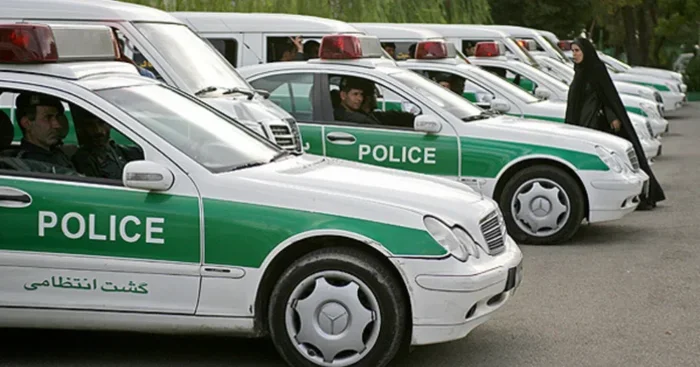
The Guidance Patrol Iran, often called the morality police, enforces strict dress codes and social behavior rules. Many people wonder how these patrols operate and what rights citizens have during encounters. Understanding the morality police helps clarify their role in society and the ongoing debates around personal freedom.
This is a comprehensive guide about Everything You Need To Know About The Guidance Patrol Iran Morality Police.
Key Takeaways
- Historical Roots: The Guidance Patrol emerged after the 1979 revolution to enforce Islamic social norms.
- Core Mission: Officers focus on dress codes, public behavior, and gender segregation rules.
- Daily Impact: Citizens face regular checks, fines, and warnings in public spaces.
- Legal Framework: State laws give officers broad authority to stop and question people.
- Public Debate: Many residents question whether these patrols respect personal freedom.
- Resistance Trends: Some people push back through quiet defiance or organized protests.
- Future Outlook: Policy shifts may change how strictly the morality police operate over time.
[FEATURED_IMAGE_PLACEHOLDER]
Understanding the Guidance Patrol Iran Morality Police
Many people hear about the Guidance Patrol Iran and wonder what this group actually does. The name often brings up images of officers checking streets and public spaces. The morality police serve as a visible symbol of state enforcement over social behavior. This article breaks down their role in simple terms. You will learn how they started, what rules they enforce, and why the topic matters today.
The Guidance Patrol Iran operates under a clear mandate. Officials want citizens to follow specific dress and conduct standards. These standards reflect state-approved social values. The morality police act as the frontline enforcers of those values. Their presence affects daily routines for many people. Some residents accept the rules. Others feel restricted by them.
It helps to view the morality police as part of a broader system. They do not work in isolation. They connect to cultural norms, legal frameworks, and political priorities. Understanding this bigger picture makes the topic easier to grasp. You can see why encounters with the Guidance Patrol Iran often spark strong reactions. People care about personal choice, public order, and the limits of authority.
Origins and Historical Context
The story of the Guidance Patrol Iran begins after the 1979 revolution. New leaders wanted to reshape public life around Islamic principles. They created institutions to promote those principles in everyday spaces. The morality police became one of those institutions. Their job was to guide people toward approved behavior. The word guidance appears in their name for a reason. Officials described the work as educational, not purely punitive.
Over time, the role expanded. Early patrols focused on obvious violations. Later, officers looked at clothing, makeup, and social mixing. The Guidance Patrol Iran adapted to changing political moods. Some periods brought stricter enforcement. Other periods brought more flexibility. This pattern shows how the morality police reflect wider policy shifts. They are not static. They change with leadership, public pressure, and social attitudes.
The Role of Social Norms
Social norms play a huge part in this story. Rules on dress and behavior do not exist in a vacuum. They connect to ideas about modesty, family life, and public decorum. The morality police enforce those ideas in visible ways. A street check can feel like a public statement. It signals what the state considers acceptable. That signal matters because it shapes everyday choices.
People often adjust their habits to avoid trouble. Some wear looser clothing. Some avoid certain places. Some change their routines. These adjustments show the practical impact of the Guidance Patrol Iran. The rules affect more than legal outcomes. They influence how people move, dress, and interact. That influence is why the topic stays so important.
How the Morality Police Operate
The morality police usually work in visible patrols. Officers may drive through streets or walk in crowded areas. They watch for clothing that does not meet state standards. They also observe social behavior in public. The Guidance Patrol Iran can stop individuals for questioning. They may issue warnings, fines, or referrals to other offices. The exact response depends on the situation and the officer.
Enforcement can feel unpredictable. One person may receive a simple warning. Another may face a stronger reaction. That uncertainty creates stress for many residents. People often describe the experience as tense. They may worry about being singled out. They may also worry about how a stop could affect their day. The morality police therefore hold real power in public spaces.
Common Checkpoints and Public Spaces
Patrols often concentrate where people gather. Markets, transit areas, parks, and busy streets are common spots. The Guidance Patrol Iran tends to focus on places with high visibility. Crowds make enforcement easier. They also make the presence of the morality police more noticeable. A single checkpoint can influence the mood of an entire neighborhood.
Public spaces become zones of careful behavior. Residents may plan routes to reduce risk. Families may remind each other about dress expectations. Friends may discuss how to handle a stop. These small strategies show how deeply the Guidance Patrol Iran affects daily life. People do not just think about the rules. They build habits around them.
Rules, Dress Codes, and Social Expectations
The rules associated with the morality police center on appearance and conduct. Clothing should cover the body in ways that match state standards. Hair covering is one of the most discussed requirements for women. Men may also face expectations about modest dress and behavior. The Guidance Patrol Iran checks for visible compliance in public.
Social mixing can also draw attention. Groups of men and women may be watched more closely in some settings. Public displays of affection may be treated as violations. The morality police interpret these behaviors through a strict lens. Their goal is to maintain a particular public atmosphere. That atmosphere reflects official values rather than personal preference.
What Counts as a Violation
Violations can range from small details to obvious breaches. A loose scarf may attract attention. Tight clothing may raise concerns. Makeup may be questioned in some cases. The Guidance Patrol Iran often uses judgment calls. That discretion matters because it affects consistency. Two people in similar situations may receive different responses.
People often ask where the line is drawn. The answer can change by location and time. A busy downtown area may see different enforcement than a quiet neighborhood. The morality police may also respond to complaints from bystanders. This adds another layer of uncertainty. Residents sometimes feel they must guess what will be accepted.
Impact on Daily Life and Public Behavior
The presence of the Guidance Patrol Iran changes how people behave in public. Many individuals adopt cautious habits. They may dress more conservatively when they leave home. They may avoid certain streets. They may leave earlier or arrive later to reduce exposure. The morality police create a sense of being watched. That feeling can shape choices in subtle ways.
The impact is not only practical. It is also emotional. Some people feel annoyed by the constant scrutiny. Others feel anxious about possible confrontations. Some accept the rules as part of life. The morality police therefore touch on personal comfort, dignity, and freedom of movement. These are strong concerns because they affect everyday well-being.
Psychological and Social Effects
Living under visible enforcement can be tiring. People may second-guess simple decisions. They may worry about family members, especially younger women. The Guidance Patrol Iran can make public life feel less relaxed. Friends may change plans to avoid risk. Families may discuss safety before going out. These conversations show how enforcement reaches into private life.
Social life can also shift. Some gatherings move to private spaces. Some people limit their time in public. The morality police influence where and how people socialize. Over time, this can change the feel of neighborhoods. Public spaces may seem quieter or more guarded. That change matters because streets and parks are meant to be shared areas.
Legal Framework and Enforcement Powers
The morality police operate within a legal system that gives them broad reach. State rules define what counts as proper public behavior. Officers use those rules to justify stops and warnings. The Guidance Patrol Iran can act quickly because the standards are wide-ranging. That breadth gives enforcement a strong presence on the ground.
People often want to know what rights they have during a stop. The answer depends on local procedures and the situation. Some stops are brief. Others lead to further questioning. The morality police may document violations or escalate matters. This uncertainty makes legal awareness important. Residents often learn from family, friends, or community networks.
Why Enforcement Can Feel Complex
Enforcement is complex because it mixes law, culture, and discretion. A rule may be clear on paper but flexible in practice. An officer may interpret a dress code differently from another officer. The Guidance Patrol Iran works in real time, not in a courtroom. That setting increases the role of judgment. It also increases the chance of uneven treatment.
This complexity matters for everyday people. A resident may follow the same routine and still face a different result on another day. The morality police can make public life feel uncertain. People often respond by staying alert and avoiding trouble. That response is practical, but it can also feel exhausting.
Controversies, Criticism, and Public Debate
The Guidance Patrol Iran has faced strong criticism over the years. Critics argue that strict enforcement limits personal freedom. They say dress rules and behavior checks can feel intrusive. The morality police become a focal point for these concerns. For many people, the debate is not only about clothing. It is also about autonomy and respect.
Supporters of enforcement often argue that public norms matter. They say shared standards help maintain social order. They view the Guidance Patrol Iran as a tool for preserving cultural values. This clash of views creates ongoing tension. The morality police sit at the center of a larger argument about how public life should be shaped.
Why the Debate Keeps Growing
The debate keeps growing because the issue touches many lives. Young people may feel restricted by strict rules. Families may worry about safety and stress. Observers may question whether enforcement is consistent or fair. The Guidance Patrol Iran draws attention because it is visible and everyday. People encounter it in routine spaces. That visibility keeps the conversation alive.
Public discussion also changes with events. A high-profile incident can spark fresh attention. Social conversations can spread quickly. People compare experiences and share concerns. The morality police then become more than an institution. They become a symbol in a broader struggle over rights, norms, and authority.
Resistance and Shifts in Public Attitudes
Not everyone accepts the rules in the same way. Some people push back quietly. They may adjust clothing just enough to test limits. They may avoid patrol areas when possible. The Guidance Patrol Iran faces quiet resistance because people look for room to maneuver. Small acts of defiance can add up over time.
Public attitudes can also shift in larger ways. Some residents become more vocal about personal choice. Others call for clearer boundaries around enforcement. The morality police may face pressure when social expectations change. If enough people question the rules, officials may adjust their approach. This does not always happen quickly, but it can happen.
Signs of Changing Norms
Changing norms often appear in small details. People may dress differently in private than in public. They may speak more openly about frustration. They may share advice on how to avoid problems. The Guidance Patrol Iran operates in a society where attitudes are not uniform. Some people support the system. Others challenge it. That mix creates a dynamic environment.
These changes matter because they show how enforcement interacts with culture. Rules do not exist above social life. They sit inside it. The morality police must navigate public sentiment, even when they enforce strict standards. When sentiment moves, enforcement can become harder to maintain in the same way.
Practical Tips for Understanding the Situation
If you want to understand the Guidance Patrol Iran, focus on context. Do not look at one incident alone. Look at patterns. Ask how rules affect daily movement, clothing choices, and social plans. The morality police are easiest to understand when you see their role in ordinary life.
It also helps to separate legal rules from social pressure. Sometimes the stress comes less from the law itself and more from the fear of being stopped. The Guidance Patrol Iran can make people cautious even when they have not broken a rule. That fear is part of the experience. Recognizing it gives you a fuller picture.
What to Watch For
- Visible patrols: Notice where officers gather and when activity rises.
- Local differences: Enforcement may vary by neighborhood and setting.
- Social reactions: Pay attention to how friends and family talk about safety.
- Rule changes: Watch for shifts in official language or enforcement tone.
- Personal accounts: Stories from residents reveal the day-to-day impact.
Common Mistakes People Make When Discussing This Topic
One common mistake is treating the Guidance Patrol Iran as a simple police force. It is more than that. It is tied to culture, politics, and public norms. Another mistake is assuming every encounter ends the same way. The morality police do not always respond uniformly. Context matters a lot.
People also sometimes ignore the emotional side of enforcement. A stop can feel humiliating or stressful even when it is brief. The Guidance Patrol Iran affects mood and confidence, not just behavior. Ignoring that effect leads to an incomplete understanding. A better approach is to look at both the rules and the human experience.
Expert Insights on the Bigger Picture
Experts often point out that visible enforcement changes public space. When people know they may be checked, they act differently. The Guidance Patrol Iran creates that dynamic. It influences not only what people wear, but how they carry themselves. That influence can be as important as any fine or warning.
Analysts also note that enforcement reflects political priorities. When leaders want a stronger public message, patrols may become more visible. When they want less tension, enforcement may soften. The morality police can therefore serve as a barometer of broader policy. Watching them can help you understand the mood of the system.
Key Takeaways for Readers
The Guidance Patrol Iran is best understood as a visible enforcement system with deep social meaning. The morality police affect dress, movement, and public behavior. Their work sits at the intersection of law, culture, and personal freedom. That is why the topic generates strong feelings and ongoing debate.
If you remember one thing, remember this: the impact is not only legal. It is everyday and emotional. People change routines, adjust clothing, and stay alert because of the Guidance Patrol Iran. Understanding that daily reality gives you a clearer view of the issue. It also helps you see why the morality police remain such a significant part of public life.
The conversation around the Guidance Patrol Iran will likely continue. People will keep asking how much control the state should have over public behavior. They will keep discussing where personal choice ends and enforcement begins. The morality police sit right in the middle of that question. That is what makes them so important to understand.
Frequently Asked Questions
What is the Guidance Patrol Iran?
The Guidance Patrol Iran is a state enforcement group that monitors public behavior and dress standards. Many people refer to them as the morality police because they focus on social conduct in public spaces.
Why are they called the morality police?
They are called the morality police because they enforce rules tied to modesty, public decorum, and approved social behavior. Their work is visible in everyday settings, which makes the name familiar.
What rules do they usually enforce?
They usually enforce dress codes, hair covering expectations, and rules about public mixing or behavior. The Guidance Patrol Iran may also question conduct that officials view as inappropriate.
How do these patrols affect daily life?
Many people change their routines, clothing, and travel habits to reduce risk. The morality police can make public spaces feel more cautious and less relaxed.
Do enforcement practices stay the same over time?
No, enforcement can shift with political priorities and social pressure. The Guidance Patrol Iran may become stricter or more relaxed depending on the period.
Why does this topic matter so much?
It matters because it touches personal freedom, public norms, and the power of state enforcement. The morality police influence how people live, move, and interact every day.
